Cool Dog Treats: Vet-Approved Pupsicle Recipes
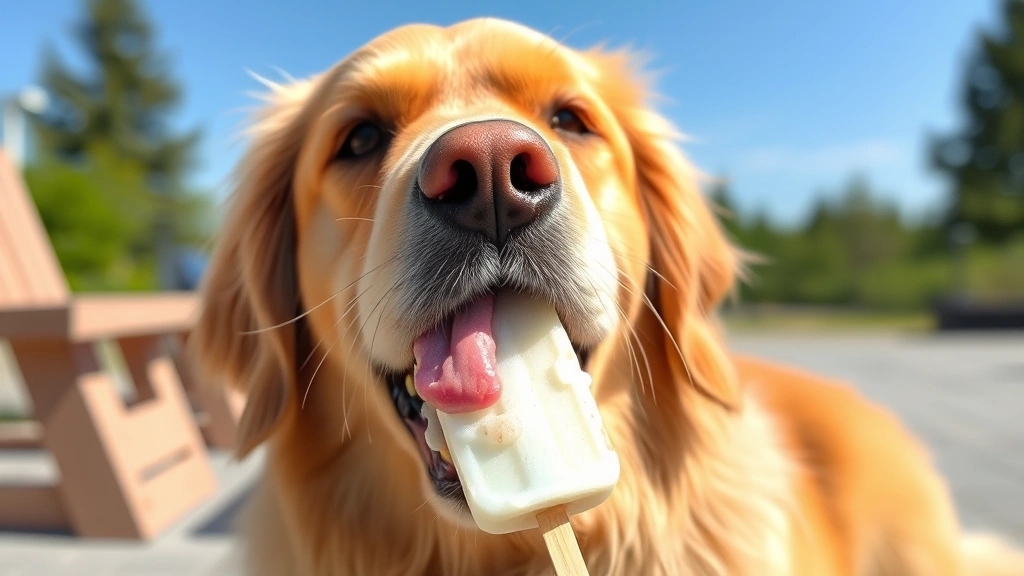
Your furry friend deserves refreshing treats during hot summer months, and homemade pupsicles offer the perfect solution. These frozen delights combine nutrition with cooling relief, keeping your pup happy and hydrated when temperatures soar. Unlike commercial treats loaded with artificial ingredients, vet-approved pupsicle recipes use wholesome components that support your dog’s health while satisfying their natural cravings.
Creating pupsicles at home gives you complete control over ingredients, allowing you to customize flavors based on your dog’s preferences and dietary needs. Whether your canine companion loves chicken, peanut butter, or fruity combinations, these recipes deliver restaurant-quality treats without leaving your kitchen. The best part? Most recipes require just five minutes of prep time and a freezer to transform simple ingredients into tail-wagging masterpieces.
Why Dogs Love Pupsicles
Dogs experience summer heat differently than humans, lacking efficient cooling mechanisms beyond panting. Pupsicles provide dual benefits: they cool your dog’s body temperature while delivering hydration and nutrients in an exciting format. The sensory experience of licking frozen treats engages your pup’s taste buds and provides mental stimulation during hot afternoons when outdoor play becomes unsafe.
Veterinarians increasingly recommend frozen treats as part of a comprehensive summer wellness routine. These treats help prevent dehydration, reduce excessive panting, and keep dogs entertained during peak heat hours. When you prepare shredded chicken recipes for your family, you can easily set aside some for homemade dog treats, making meal preparation more efficient.
The psychological benefits shouldn’t be overlooked either. Dogs associate frozen treats with positive experiences, and the extended licking time satisfies their natural instinct to work for food. This engagement reduces anxiety and destructive behaviors while strengthening the bond between you and your pet through thoughtful nutrition choices.
Essential Ingredients and Safety Guidelines
Before creating pupsicles, understanding which ingredients are safe and nutritious ensures your recipes support canine health. Always consult your veterinarian before introducing new ingredients, especially if your dog has existing health conditions or dietary restrictions. The foundation of every quality pupsicle includes dog-safe proteins, healthy fats, and moisture-rich components that freeze beautifully.
Safe Protein Sources: Chicken, turkey, beef, and fish provide excellent protein foundations for pupsicles. These proteins support muscle maintenance and provide amino acids essential for healthy coat and skin. When using chicken, consider preparing chicken noodle casserole recipe techniques without seasoning for your dog’s version. Cook proteins thoroughly without added salt, garlic, or onions, which are toxic to dogs.
Fruits and Vegetables: Apples, bananas, blueberries, carrots, and sweet potatoes offer natural sweetness and nutritional density. These ingredients contain antioxidants and fiber that support digestive health. Always remove seeds from apples and pits from stone fruits, as these contain compounds harmful to dogs. Frozen berries work particularly well as they maintain structural integrity during the freezing process.
Liquids and Bases: Low-sodium broth, plain yogurt, coconut water, and water form the liquid foundation of most pupsicles. These bases freeze solid while maintaining palatability. Avoid milk-based products for dogs with lactose sensitivity, and never use artificial sweeteners like xylitol, which are extremely toxic to canines.
Prohibited Ingredients: Never include chocolate, grapes, raisins, avocado, macadamia nuts, onions, garlic, or xylitol. These substances can cause severe health complications ranging from mild digestive upset to organ failure. Always read ingredient labels carefully when using store-bought components, as hidden additives may lurk in unexpected products.
Classic Chicken Pupsicle Recipe
This fundamental recipe serves as the foundation for countless variations, using ingredients most dog owners keep readily available. The simplicity of this approach means you can prepare batches weekly without significant time investment. Prep time: 5 minutes | Freezing time: 4-6 hours | Yields: 12 pupsicles
Ingredients:
- 2 cups unsalted, low-sodium chicken broth
- 1 cup cooked, shredded chicken breast (no seasoning)
- ½ cup pureed pumpkin (canned, unsweetened)
- 2 tablespoons plain Greek yogurt
Instructions:
- Combine chicken broth and pureed pumpkin in a blender, mixing until completely smooth
- Add shredded chicken and Greek yogurt, blending until you achieve a thick, pourable consistency
- If mixture seems too thick, add broth one tablespoon at a time until reaching desired consistency
- Pour mixture into popsicle molds, filling each cavity three-quarters full
- Insert popsicle sticks and freeze for at least 4-6 hours or until completely solid
- Run warm water over mold exteriors to release pupsicles easily
- Store in freezer-safe containers for up to three weeks
This recipe works beautifully with leftover chicken from easy chicken casserole recipe with Ritz preparations (minus the seasoning and ritz topping, of course). The pumpkin adds fiber while the yogurt introduces beneficial probiotics that support digestive health. Your dog will love the complex flavors and satisfying texture.
Creamy Peanut Butter Pupsicles
Peanut butter ranks among dogs’ favorite flavors, and these creamy pupsicles deliver that beloved taste in frozen form. The richness of peanut butter combines beautifully with yogurt, creating a treat that’s both indulgent and nutritious. Prep time: 5 minutes | Freezing time: 4-6 hours | Yields: 10 pupsicles
Ingredients:
- 1 cup plain Greek yogurt (unsweetened, xylitol-free)
- ½ cup natural peanut butter (no added sugar or salt)
- ½ cup water or low-sodium broth
- 2 tablespoons honey (optional, for added sweetness)
- ¼ cup mashed banana (optional)
Instructions:
- Place Greek yogurt and peanut butter in a bowl, whisking together until well combined
- Gradually add water or broth while stirring, creating a smooth, pourable consistency
- If using honey and banana, blend these in until fully incorporated
- Distribute mixture evenly among popsicle molds
- Freeze for 4-6 hours until completely solid
- Remove from molds using warm water and serve immediately
The probiotics in yogurt support gut health while peanut butter provides protein and healthy fats essential for coat condition. This recipe pairs wonderfully with shredded chicken recipes that you might prepare for family meals, allowing you to create multi-ingredient pupsicles by layering components.
Pro tip: Freeze peanut butter mixture in popsicle molds without sticks for easier serving to smaller dogs. These smaller portions prevent overfeeding while still providing satisfying frozen enjoyment. You can also freeze the mixture in ice cube trays for portion control and convenient storage.
Fruity Frozen Treats
Dogs enjoy fruit-forward pupsicles that combine natural sweetness with nutritional benefits. These recipes work particularly well for dogs with sensitive stomachs, as fruits offer easily digestible carbohydrates and hydration without heavy proteins. Always introduce new fruits gradually and monitor your dog for any adverse reactions.
Blueberry Coconut Pupsicles | Prep time: 5 minutes | Freezing time: 4-6 hours | Yields: 12 pupsicles
Ingredients:
- 1 cup unsweetened coconut water
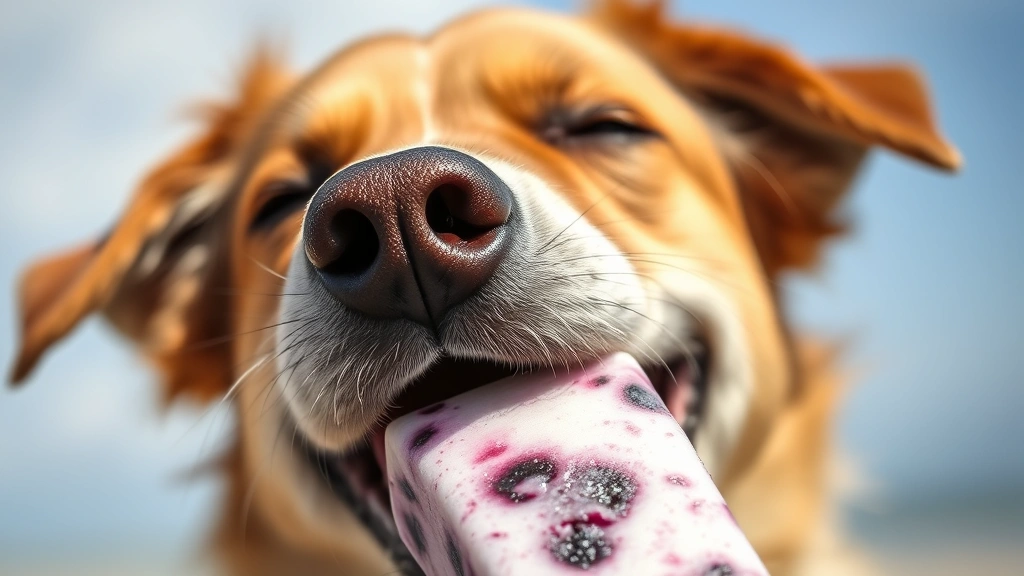
- 1 cup blueberries (fresh or frozen)
- ½ cup plain yogurt
- 2 tablespoons honey
Instructions:
- Combine coconut water and blueberries in a blender, pulsing until berries break down slightly
- Add yogurt and honey, blending until reaching a smooth consistency
- Pour into molds and freeze for 4-6 hours
- Serve directly from freezer or run molds under warm water for easy removal
Apple Carrot Pupsicles | Prep time: 8 minutes | Freezing time: 4-6 hours | Yields: 14 pupsicles
Ingredients:
- 1½ cups low-sodium vegetable broth
- 1 cup grated carrot (finely minced)
- 1 apple, peeled, cored, and finely chopped
- ¼ cup plain yogurt
- 1 tablespoon ground cinnamon (optional)
Instructions:
- Heat vegetable broth slightly and combine with grated carrot
- Allow mixture to cool completely before adding apple, yogurt, and cinnamon
- Pour into molds and freeze for 4-6 hours
- Remove from molds and store in freezer-safe containers
These fruity variations provide excellent alternatives for dogs requiring lower-protein diets or those with chicken allergies. The natural fiber in fruits aids digestive health while the water content supports hydration during hot weather.
Yogurt-Based Pupsicle Variations
Plain yogurt serves as an excellent pupsicle base, offering probiotics that support digestive health and immune function. When selecting yogurt, choose unsweetened varieties without artificial sweeteners or additives. Greek yogurt provides higher protein content, making it ideal for active dogs requiring additional nutritional support.
Honey Banana Yogurt Pupsicles | Prep time: 5 minutes | Freezing time: 4-6 hours | Yields: 12 pupsicles
Ingredients:
- 2 cups plain Greek yogurt
- 2 ripe bananas, mashed
- 3 tablespoons raw honey
- ¼ cup water
Instructions:
- Combine mashed bananas and honey in a mixing bowl
- Fold in Greek yogurt gently until well distributed
- Add water if mixture seems too thick for pouring
- Fill molds and freeze for 4-6 hours
- Run warm water over molds to release pupsicles
Sweet Potato Yogurt Pupsicles | Prep time: 10 minutes | Freezing time: 4-6 hours | Yields: 10 pupsicles
Ingredients:
- 1 cup plain yogurt
- ¾ cup cooked, pureed sweet potato
- ¼ cup water or low-sodium broth
- ½ teaspoon turmeric (optional, for anti-inflammatory benefits)
Instructions:
- Blend sweet potato puree with yogurt until completely smooth
- Add water or broth to achieve pourable consistency
- Mix in turmeric if desired for added health benefits
- Pour into molds and freeze for 4-6 hours
- Store in freezer containers for up to three weeks
Sweet potatoes provide complex carbohydrates and beta-carotene, supporting vision and immune function. These yogurt-based pupsicles work wonderfully for senior dogs or those with sensitive digestive systems requiring easily digestible ingredients.
Freezing Techniques and Storage Tips
Successful pupsicle creation depends on understanding freezing mechanics and proper storage practices. The quality of your final product relies heavily on technique, ingredient selection, and appropriate container choices. Invest in quality silicone popsicle molds designed specifically for frozen treats, as these release pupsicles more easily than plastic alternatives.
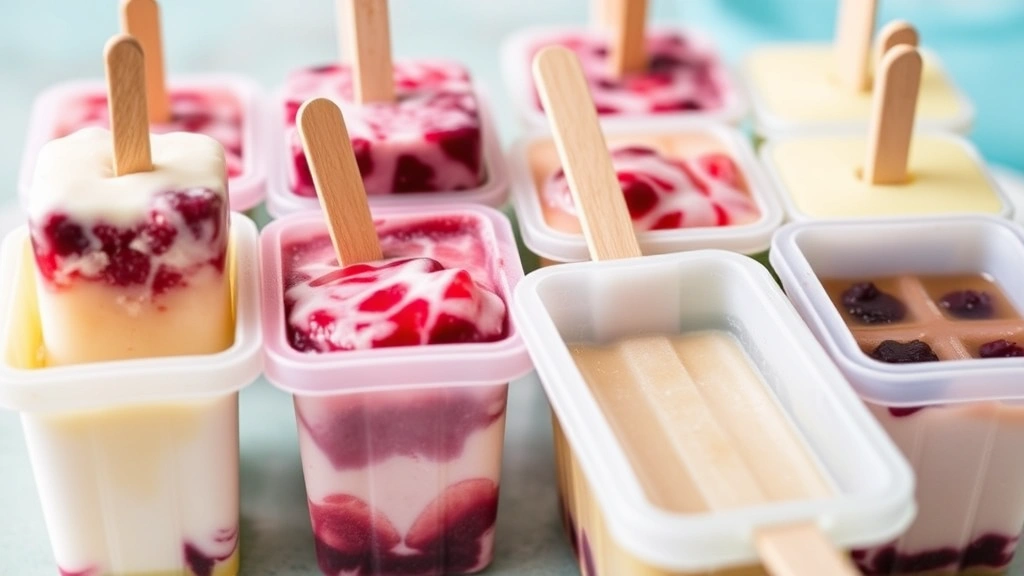
Layering Technique: Create visually appealing and nutritionally varied pupsicles by freezing ingredients in stages. Pour a thin layer of one ingredient, freeze for 1-2 hours until partially solid, then add the next layer. This technique allows you to combine multiple flavors and textures in single pupsicles, keeping your dog’s palate engaged and preventing boredom.
For example, layer a beef broth base, then add a peanut butter yogurt layer, finishing with blueberry mixture. Your dog experiences flavor progression while enjoying nutritional diversity in every frozen treat.
Storage Best Practices: Store finished pupsicles in freezer-safe containers or bags, labeling with preparation date and primary ingredients. Most homemade pupsicles maintain quality for up to three weeks when stored at 0°F or below. Remove pupsicles from molds once completely frozen and transfer to airtight containers to prevent freezer burn.
Serving Suggestions: Remove pupsicles from the freezer 5-10 minutes before serving to prevent brain freeze and allow easier consumption. For elderly dogs or those with sensitive teeth, thaw slightly at room temperature before serving. Monitor your dog while enjoying pupsicles to ensure they don’t consume sticks or choking hazards.
Consider preparing large batches on weekends when temperatures peak mid-week. Having frozen treats readily available encourages you to offer them during hot afternoons, maintaining your dog’s hydration and comfort throughout summer months. Unlike commercial treats from unknown sources, homemade pupsicles let you control every ingredient your beloved companion consumes.
For variety throughout the year, prepare pupsicles using seasonal ingredients. Spring might feature asparagus and chicken, summer brings berries and coconut water, fall offers pumpkin and sweet potato, and winter allows warming broths with herbs like parsley. This seasonal approach keeps your dog’s treat rotation interesting while supporting nutritional needs changing with seasons.
FAQ
Can I use regular ice cube trays for pupsicles?
Absolutely! Ice cube trays work wonderfully for creating smaller pupsicles, particularly for toy breeds or dogs prone to overeating. Freeze mixture in trays without sticks, then transfer cubes to freezer bags. These smaller portions provide satisfying treats without excessive calories while remaining easy to serve and store.
How do I know if my dog has a food allergy?
Common signs include itching, vomiting, diarrhea, and skin issues appearing within hours or days of consumption. Introduce new pupsicle ingredients individually, waiting several days between additions to identify potential allergens. Consult your veterinarian if you suspect food sensitivities, as they can recommend elimination diets or allergy testing.
Are there pupsicles suitable for dogs with sensitive stomachs?
Yes! Stick with simple ingredients like plain broth, cooked chicken, pumpkin puree, and plain yogurt. Avoid fruits and vegetables initially, introducing them gradually once your dog’s system adjusts. The Mississippi chicken recipe approach of slow-cooking proteins creates excellent bases for sensitive-stomach pupsicles (minus the seasoning, naturally).
Can senior dogs enjoy pupsicles?
Definitely! Senior dogs often appreciate pupsicles more than younger pups due to cooling benefits for aging bodies. Choose softer ingredients like pumpkin, sweet potato, and yogurt, and allow pupsicles to thaw slightly before serving to prevent tooth sensitivity. These frozen treats provide hydration and mental stimulation without requiring vigorous chewing.
What’s the best way to introduce pupsicles to my dog?
Start with small portions, allowing your dog to lick rather than consume entire pupsicles immediately. Supervise initial consumption to ensure your dog handles the treat appropriately and doesn’t experience adverse reactions. If your dog has never had frozen treats, their body may need time to adjust—introduce gradually over several days.
Can I make pupsicles with bone broth?
Yes! Bone broth provides excellent nutritional value, including collagen for joint health and amino acids supporting overall wellness. Use unsalted, low-sodium varieties specifically prepared for dogs. Many pet supply stores now carry dog-specific bone broths that freeze beautifully into pupsicles.
How often can my dog enjoy pupsicles?
Pupsicles can be offered daily during hot weather as part of your dog’s regular treat allocation. However, remember that treats shouldn’t exceed 10% of daily caloric intake. Adjust your dog’s regular meals accordingly when offering pupsicles to maintain healthy weight and nutritional balance. Consult your veterinarian regarding appropriate treat frequency based on your individual dog’s health status.


