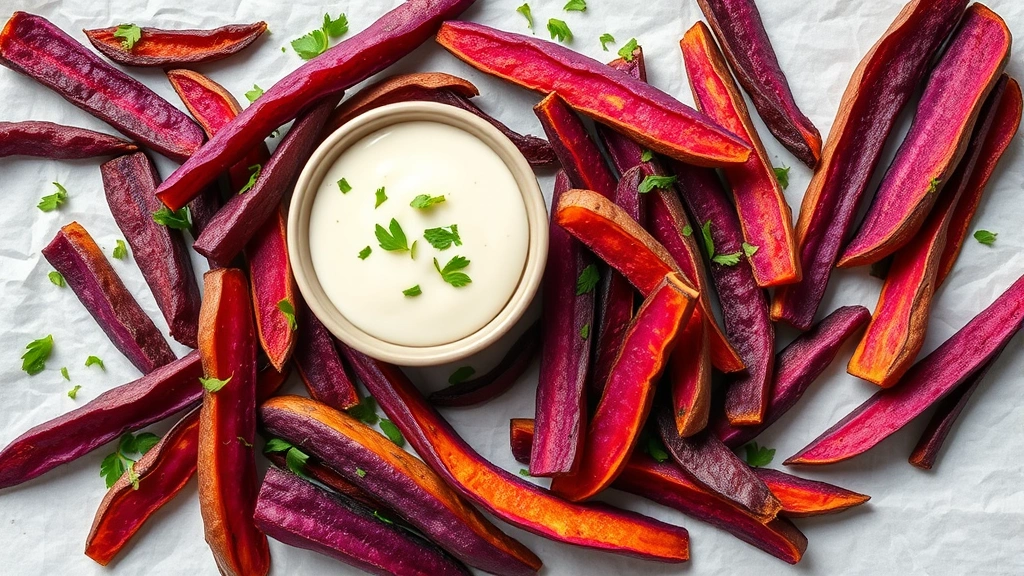
Purple Sweet Potato Fries? Easy Guide to Making Crispy, Colorful Homemade Fries
Purple sweet potato fries are a stunning twist on the classic side dish that transforms your dinner plate into a work of art. These vibrant, naturally-hued fries deliver the same satisfying crunch as traditional fries while offering a slightly earthier, nuttier flavor profile that pairs beautifully with both savory and sweet accompaniments. Whether you’re preparing a weeknight dinner or impressing guests at your next gathering, purple sweet potato fries are surprisingly simple to make at home and require minimal ingredients and equipment.
What makes purple sweet potatoes so special is their rich anthocyanin content—the same powerful antioxidants found in blueberries and purple cabbage. These compounds not only give the potatoes their striking purple hue but also provide significant nutritional benefits. Unlike regular white potatoes, purple varieties contain more vitamins, minerals, and fiber, making them a nutrient-dense choice for health-conscious cooks. The natural sweetness of purple sweet potatoes means you can enjoy delicious fries without excessive seasoning or unhealthy additives.
What Are Purple Sweet Potatoes?
Purple sweet potatoes, scientifically known as Ipomoea batatas, are a variety of sweet potato with deep purple or violet-colored flesh. Native to Asia, particularly Japan and China, these potatoes have gained popularity worldwide among chefs, home cooks, and nutritionists alike. Unlike regular orange sweet potatoes or white potatoes, purple varieties contain a unique pigment composition that remains vibrant even after cooking, making them ideal for visually striking dishes.
The flavor of purple sweet potatoes is distinctly different from their orange cousins. They offer a more subtle sweetness with earthy, slightly nutty undertones that remind some people of chestnuts or roasted root vegetables. This complex flavor profile makes them versatile enough to work in both sweet and savory applications. When fried, the exterior becomes crispy and golden-brown while the inside remains tender and slightly sweet—the perfect textural contrast that makes fries so addictive.
Purple sweet potatoes are packed with nutritional value. They contain high levels of vitamin A, vitamin C, potassium, and manganese. The anthocyanin pigments that give them their color are potent antioxidants that may help reduce inflammation, support heart health, and improve cognitive function. This means you’re not just enjoying a delicious side dish—you’re also nourishing your body with beneficial compounds.
Choosing and Preparing Your Potatoes
Success with purple sweet potato fries begins at the grocery store. When selecting purple sweet potatoes, look for firm specimens with unblemished skin and no soft spots. The potatoes should feel heavy for their size, indicating good moisture content. Avoid any with sprouting eyes or wrinkled skin, as these indicate age and potential quality issues. Medium-sized potatoes are ideal for fries—they’re easier to handle and cook more evenly than very large ones.
Once you’ve brought your potatoes home, store them in a cool, dark place with good air circulation. Unlike regular potatoes, sweet potatoes prefer slightly warmer conditions than a standard refrigerator, so a pantry or root cellar is ideal. Properly stored purple sweet potatoes can last several weeks. If you must refrigerate them, place them in a paper bag rather than plastic, which can trap moisture and encourage rot.
Before cooking, wash your purple sweet potatoes thoroughly under running water to remove any dirt or debris. Use a vegetable brush to gently scrub the skin. Pat them dry completely with paper towels—any excess moisture will interfere with achieving that perfect crispy exterior. If you prefer, you can peel the potatoes before cutting, though leaving the nutrient-rich skin on adds fiber and visual appeal to your fries.
For peeling, a vegetable peeler works well, or you can use a sharp knife with a gentle sawing motion. Some cooks prefer to blanch the potatoes briefly in boiling water before peeling, which softens the skin and makes removal easier. If you choose this method, blanch for just 3-4 minutes, then immediately transfer to ice water to stop the cooking process.
The Perfect Cutting Technique
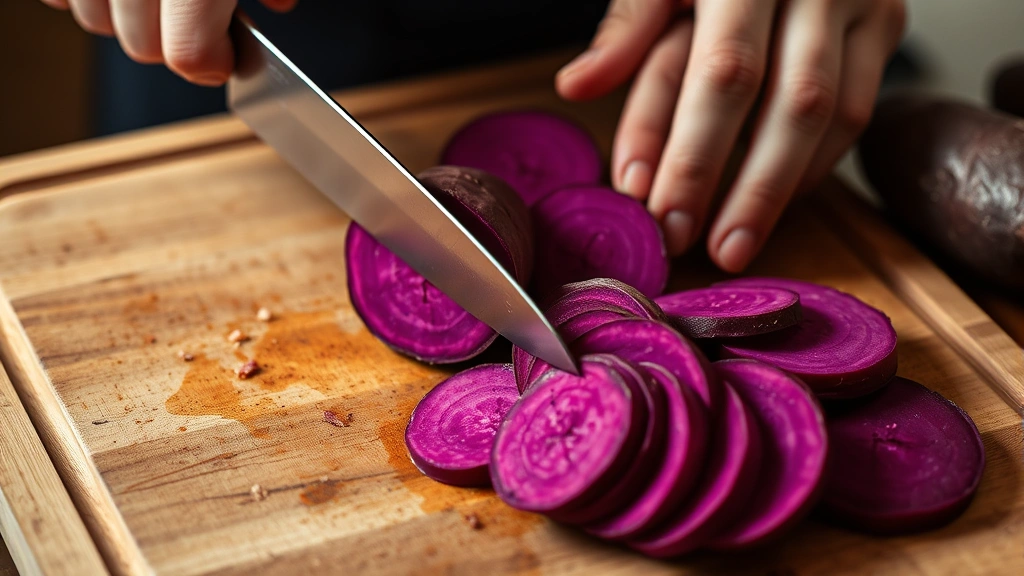
Achieving uniform fry sizes is crucial for even cooking. This is where a sharp knife and a steady hand become your best friends. Start by cutting your potato lengthwise into thin planks, approximately 1/4 inch thick. Stack these planks and cut them lengthwise again into 1/4-inch-wide sticks. The consistency matters tremendously—thinner fries will be crispier, while thicker ones will have a fluffier interior. Most home cooks find the 1/4-inch thickness strikes the ideal balance.
A mandoline slicer can speed up the process if you’re making large batches, but exercise extreme caution with this tool—mandoline injuries are common and serious. Always use the safety guard and keep your fingers well away from the blade. Alternatively, a sharp chef’s knife with proper technique is perfectly adequate and gives you more control.
Once cut, immediately place your potato sticks into a bowl of cold water. This crucial step removes excess starch from the surface, which helps achieve crispier fries. Soak for at least 30 minutes, though up to 2 hours is even better. Change the water halfway through soaking if possible. After soaking, drain the potatoes and pat them completely dry with paper towels or a clean kitchen towel. Any remaining moisture will create steam during cooking and prevent crisping.
Cooking Methods Explained
Deep Frying Method
For the absolute crispiest, most indulgent purple sweet potato fries, deep frying is unbeatable. Heat oil (peanut, vegetable, or canola oil work well) to 325°F in a heavy-bottomed pot or deep fryer. The temperature is critical—too cool and your fries absorb excess oil and become greasy; too hot and the exterior burns before the inside cooks through.
Working in batches to avoid overcrowding, carefully add your dried potato sticks to the hot oil. Fry for approximately 5-7 minutes until they’re tender and beginning to turn golden. Remove with a slotted spoon and drain on paper towels. This first fry cooks the potato through. For extra crispiness, increase the oil temperature to 375°F and fry the potatoes a second time for just 2-3 minutes until golden brown and crispy. This double-fry technique is used by professional chefs and produces restaurant-quality results.
Oven-Baked Method
For a healthier alternative, oven-baking produces surprisingly good results. Preheat your oven to 425°F. Toss your soaked and dried potato sticks with a light coating of oil (just 1-2 tablespoons per pound of potatoes) and your desired seasonings. Spread them in a single layer on parchment-lined baking sheets, ensuring they don’t overlap.
Bake for 25-35 minutes, stirring halfway through, until golden brown and crispy at the edges. The exact time depends on your oven and the thickness of your fries. For extra crispiness, increase the oven temperature to 450°F and reduce cooking time slightly. Watch carefully to prevent burning. The baked method uses significantly less oil while still producing satisfying results.
Air Fryer Method
Air fryers have revolutionized home cooking, and purple sweet potato fries are no exception. Toss your prepared potatoes with just 1 teaspoon of oil per pound and your seasonings. Work in batches, arranging fries in a single layer in the air fryer basket without overcrowding.
Cook at 380°F for 15-20 minutes, shaking the basket halfway through. Air-fried fries rival deep-fried versions in crispiness while using minimal oil. This method is quick, convenient, and produces remarkably consistent results batch after batch.
Seasoning and Dipping Sauces
Purple sweet potato fries’ naturally sweet flavor provides a wonderful canvas for creative seasoning. Start simple with just sea salt and freshly ground black pepper—sometimes the best approach is the least complicated. From there, you can experiment with numerous flavor combinations.
Consider these seasoning blends: a Cajun-inspired mix of paprika, cayenne, garlic powder, and onion powder; a Mediterranean combination of dried oregano, thyme, and garlic; or an Asian-inspired blend of five-spice powder, ginger, and sesame salt. Sprinkle seasonings onto your fries while they’re still hot so they adhere better.
Creating complementary dipping sauces elevates your fries from side dish to star. A simple aioli made with mayonnaise, minced garlic, and lemon juice provides creamy richness. A sriracha mayo adds spicy kick. For something sweet, try a honey-chipotle sauce combining honey, chipotle peppers in adobo sauce, lime juice, and a pinch of salt. A Vietnamese-inspired dipping sauce of lime juice, fish sauce, garlic, and fresh chilies offers bright, complex flavors.
Greek yogurt-based sauces provide a healthier option. Mix Greek yogurt with fresh herbs like dill, parsley, or cilantro, along with garlic and lemon juice for a refreshing dip. This pairs beautifully with the earthy sweetness of purple sweet potatoes and works wonderfully alongside best seafood recipes for a complete meal.
Don’t overlook simple accompaniments either. A squeeze of fresh lime or lemon juice brightens the fries’ natural flavors. A dusting of nutritional yeast adds cheesy flavor with a nutritional boost. Fresh herbs like cilantro, parsley, or chives scattered over hot fries add freshness and visual appeal.
Storage and Make-Ahead Tips
Leftover purple sweet potato fries can be stored in an airtight container in the refrigerator for up to 3 days. While they’re best enjoyed fresh and hot, you can reheat them by spreading on a baking sheet and placing in a 375°F oven for about 10 minutes, or in an air fryer at 380°F for 5-7 minutes, until warmed through and re-crisped.
For meal prep enthusiasts, you can cut and soak your potatoes up to 8 hours ahead of time. Keep them submerged in water in the refrigerator, then drain and dry thoroughly just before cooking. This allows you to have hot, fresh fries ready quickly on busy weeknights.
Uncooked purple sweet potato fries can also be frozen. After cutting, soaking, and drying, arrange them in a single layer on a baking sheet and freeze for 2-3 hours until solid. Transfer to freezer bags and store for up to 3 months. Cook frozen fries directly without thawing—just add a few extra minutes to your cooking time, whether baking, frying, or air frying.
These versatile fries pair wonderfully with many dishes. Serve them alongside quick breakfast recipes featuring eggs and vegetables, or incorporate them into quick and easy pasta recipes for a creative twist on traditional sides. They also complement chicken and sausage recipes beautifully, providing a colorful, nutritious counterpoint to protein-focused mains.
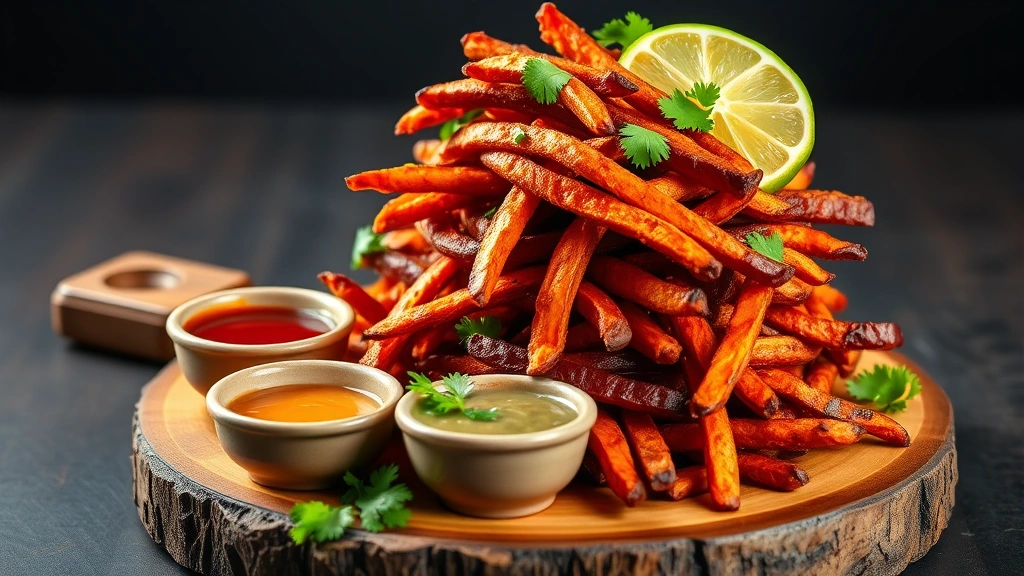
For larger gatherings, purple sweet potato fries make an impressive presentation. Their striking color distinguishes your spread from typical potato sides. Prepare them just before serving and arrange on a platter with small bowls of various dipping sauces. Guests will be intrigued by the unusual color and delighted by the complex flavor.
Professional chefs often incorporate purple sweet potato fries into upscale cuisine, pairing them with gourmet burgers, fish tacos, or as a sophisticated side to grilled proteins. This demonstrates how versatile and elegant these fries can be when properly prepared. Whether you’re cooking for family or entertaining guests, purple sweet potato fries elevate your presentation while delivering genuine flavor and nutrition.
FAQ
Are purple sweet potatoes the same as regular sweet potatoes?
No, they’re different varieties. Purple sweet potatoes have darker flesh and contain anthocyanins, offering a slightly different flavor profile—more earthy and nutty compared to the sweeter orange varieties. Both are nutritious, but purple varieties provide additional antioxidant benefits.
Where can I find purple sweet potatoes?
Most well-stocked grocery stores carry purple sweet potatoes, especially those with good produce sections. Asian markets are particularly reliable sources. If unavailable locally, some online grocers and specialty food retailers ship them. Ask your produce manager to special-order them if they’re not regularly stocked.
Can I make purple sweet potato fries without oil?
While oil helps achieve crispiness, you can bake them with minimal oil using cooking spray or just 1 teaspoon of oil. Air fryers require even less oil while producing crispy results. The texture won’t be identical to deep-fried versions, but it’s still satisfying.
Why do my fries turn out soggy?
Sogginess usually results from insufficient drying or overcrowding during cooking. Ensure you soak the cut potatoes, then dry them thoroughly with paper towels before cooking. Don’t overcrowd your cooking vessel—fries need space for steam to escape. If deep frying, maintain proper oil temperature throughout cooking.
Can I prepare fries ahead for a party?
Yes! Cut and soak your potatoes up to 8 hours ahead. Just before guests arrive, dry them thoroughly and cook using your preferred method. You can also partially cook them 2-3 hours ahead, then finish cooking for just 2-3 minutes before serving to restore crispiness.
What’s the nutritional value of purple sweet potato fries?
A typical serving (about 100 grams) contains roughly 80-90 calories, 18 grams of carbohydrates, 1.5 grams of protein, and significant amounts of vitamin A, vitamin C, potassium, and manganese. The anthocyanins provide antioxidant benefits. Nutritional values vary based on cooking method and oil used.
Do purple sweet potato fries taste purple?
No, they taste earthy, slightly sweet, and nutty—not like any particular color! The purple pigment is flavorless. If you find them tasting unpleasant, it may indicate they’re past their prime. Fresh purple sweet potatoes should taste slightly sweet with subtle earthiness.
Can I use purple sweet potatoes in other recipes?
Absolutely! They work beautifully in soups, roasted vegetable dishes, curries, smoothie bowls, and baked goods. Their unique color and flavor make them exciting additions to any recipe calling for sweet potatoes. Try them roasted with pork shoulder roast recipes for an elegant dinner.
What oil is best for frying?
Peanut, vegetable, and canola oils all work well due to their high smoke points. Avoid olive oil, which has a lower smoke point and will burn at frying temperatures. Choose neutral-flavored oils that won’t compete with your seasonings.
How do I know when my fries are done?
Properly cooked fries should be golden brown to deep golden in color, with crispy exteriors. A test fry should bend slightly without breaking but feel firm and crispy rather than soft. The inside should be tender but not mushy when you bite into it.


