How to Cook Venus Schnitzel: Proven Recipe for Perfect Results
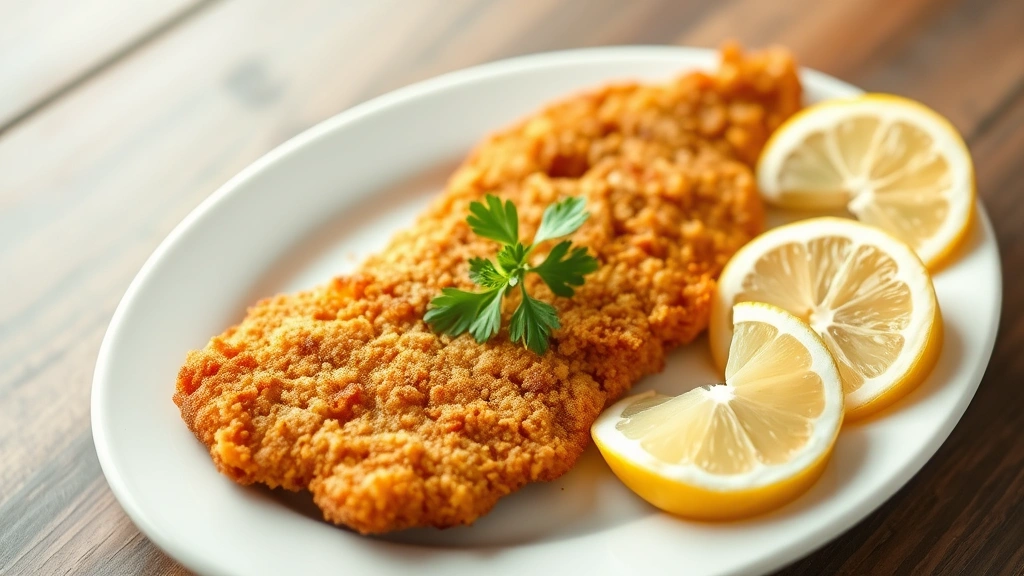
Venus Schnitzel represents one of the most elegant and delicious variations of the classic Austrian schnitzel tradition. This refined dish features a tender, breaded cutlet that achieves a golden-brown exterior while maintaining a juicy, succulent interior. Whether you’re preparing this dish for a special dinner or simply want to elevate your weeknight cooking, mastering the art of Venus Schnitzel will transform your culinary repertoire and impress even the most discerning palates.
The beauty of Venus Schnitzel lies in its simplicity combined with precision. Unlike some elaborate recipes that require hours of preparation, this classic dish can be prepared in approximately 30-40 minutes from start to finish. The key to success involves understanding proper meat preparation, achieving the ideal breading consistency, and mastering the frying technique that creates that signature crispy exterior without overcooking the meat.
In this comprehensive guide, we’ll walk you through every step of creating restaurant-quality Venus Schnitzel at home. From selecting the right cut of meat to achieving the perfect golden crust, you’ll discover professional techniques that transform a simple ingredient list into an extraordinary dining experience. Whether you’re a seasoned home cook or just beginning your culinary journey, this proven recipe delivers consistent, delicious results every time.
What is Venus Schnitzel?
Venus Schnitzel is a sophisticated variation of the traditional Austrian schnitzel, distinguished by its refined preparation and elegant presentation. The dish typically features a thin, pounded cutlet—traditionally veal, though chicken and pork are popular alternatives—coated in a delicate breadcrumb mixture and fried to golden perfection. The “Venus” designation often indicates a particularly refined preparation, sometimes enhanced with special ingredients or traditional garnishes that elevate it beyond the basic schnitzel.
The origins of schnitzel trace back to the Austro-Hungarian Empire, where the technique of pounding meat thin and coating it with breadcrumbs became a culinary staple. Venus Schnitzel represents the pinnacle of this tradition, embodying both simplicity and sophistication. The dish requires quality ingredients and careful technique, making it a favorite in high-end restaurants and home kitchens alike.
What makes Venus Schnitzel particularly special is the contrast between textures: the crispy, golden breadcrumb coating gives way to tender, juicy meat within. This textural interplay, combined with subtle flavoring, creates a dish that satisfies both simple and sophisticated palates. Understanding the fundamentals of this classic preparation will enhance your cooking skills and expand your repertoire of impressive main courses.
Ingredients You’ll Need
Creating authentic Venus Schnitzel requires quality ingredients and precise measurements. Here’s everything you’ll need to prepare this classic dish:
- Meat Base: 4 thin veal cutlets (or chicken/pork), approximately 3-4 ounces each and ¼-inch thick
- Seasoning: Sea salt and freshly ground black pepper
- Breading Station: All-purpose flour (½ cup), eggs (2 large, beaten), fine breadcrumbs (¾ cup)
- Frying Medium: Clarified butter or vegetable oil (1½-2 cups)
- Optional Enhancements: Fresh lemon juice, fresh parsley, capers, or anchovy fillets
- Garnish: Lemon wedges, fresh herbs, or thin lemon slices
The quality of your ingredients directly impacts the final result. Using fresh, high-quality meat ensures tender, flavorful schnitzel. Similarly, freshly ground breadcrumbs create a superior crust compared to store-bought varieties. For high protein low calorie recipes that maintain nutritional value, schnitzel made with chicken breast offers excellent options while keeping fat content moderate.
Equipment and Preparation
Proper equipment setup ensures smooth execution and professional results. Before you begin cooking, gather and organize your tools:
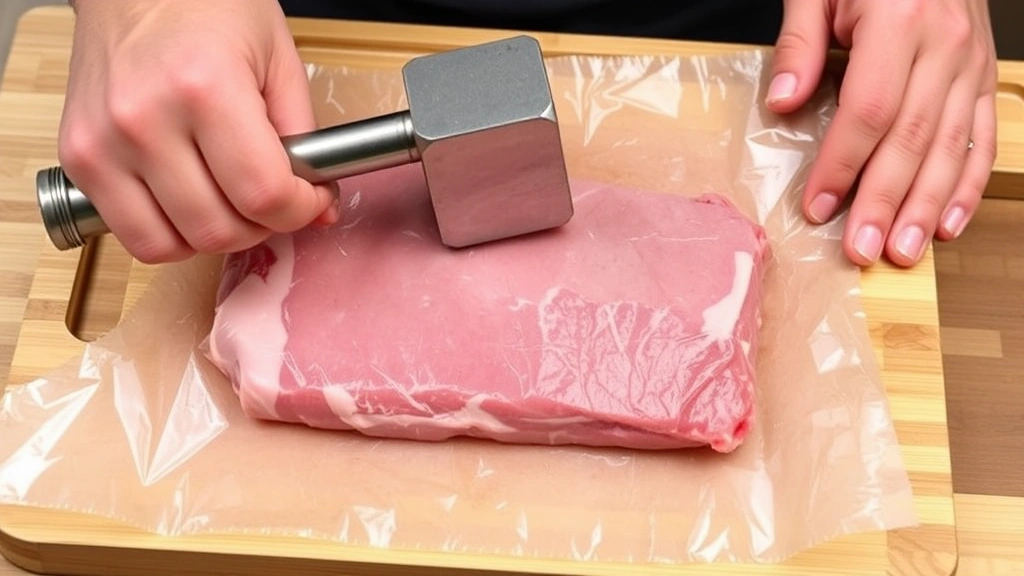
- Meat Mallet: Essential for thinning cutlets evenly without tearing the meat
- Shallow Bowls or Plates: Three separate stations for flour, beaten eggs, and breadcrumbs
- Large Skillet or Dutch Oven: Heavy-bottomed pan for even heat distribution and frying
- Meat Thermometer: Ensures proper doneness without overcooking
- Paper Towels: For draining excess oil after frying
- Tongs and Spatula: For safely handling hot meat and oil
- Cutting Board: Dedicated surface for meat preparation
Begin preparation by removing your meat from the refrigerator 15-20 minutes before cooking. This allows the meat to reach room temperature, promoting even cooking throughout. Pat the cutlets dry with paper towels—moisture interferes with browning and prevents proper breading adhesion. Place each cutlet between two sheets of plastic wrap and gently but firmly pound with the flat side of your meat mallet until the meat reaches an even thickness of approximately ¼ inch. This step is crucial: uniform thickness ensures even cooking and prevents dry spots.
Step-by-Step Cooking Instructions
Follow these detailed steps for foolproof Venus Schnitzel:
- Prepare Your Breading Station: Arrange three shallow bowls or plates in a line. Fill the first with all-purpose flour seasoned lightly with salt and pepper. Pour beaten eggs into the second bowl. Place fine breadcrumbs in the third bowl. This assembly-line approach streamlines the breading process and prevents cross-contamination.
- Season the Meat: Pat your pounded cutlets completely dry. Season both sides generously with fine sea salt and freshly ground black pepper. Allow the seasoning to set for 1-2 minutes, which helps it adhere better during the breading process.
- Coat with Flour: Working with one cutlet at a time, dredge both sides in the flour mixture, coating evenly but removing excess by gently tapping against the bowl’s edge. This thin flour layer helps the egg adhere properly and creates a smoother base for the breadcrumbs.
- Dip in Egg: Immediately transfer the floured cutlet to the beaten egg, coating both sides thoroughly. Ensure complete coverage, as any uncoated areas will result in uneven browning. Allow excess egg to drip back into the bowl.
- Apply Breadcrumbs: Transfer the egg-coated cutlet to the breadcrumb mixture, pressing gently so the breadcrumbs adhere firmly. Coat both sides evenly, then lightly press the edges to ensure the crumbs stay secure during frying. Set the breaded cutlet on a clean plate and repeat with remaining cutlets.
- Heat Your Frying Medium: Pour clarified butter or vegetable oil into your heavy-bottomed skillet to a depth of approximately ½ inch. Heat over medium-high heat until the temperature reaches 350°F (175°C). To test readiness without a thermometer, drop a small breadcrumb into the oil—it should sizzle immediately and turn golden within seconds.
- Fry the Schnitzel: Carefully place 1-2 breaded cutlets into the hot oil, depending on your pan size. Avoid overcrowding, which lowers oil temperature and prevents proper browning. Fry for 2-3 minutes on the first side until the breadcrumb coating achieves a deep golden-brown color.
- Flip and Complete Cooking: Using tongs or a spatula, carefully flip the cutlet and fry the second side for another 2-3 minutes until equally golden and the meat reaches an internal temperature of 160°F (71°C) for pork or chicken, or 145°F (63°C) for veal.
- Drain Excess Oil: Transfer the cooked schnitzel to a plate lined with paper towels. Allow it to rest for 1-2 minutes, which allows the coating to set and excess oil to drain. Repeat the frying process with remaining cutlets.
The timing for each cutlet depends on thickness and oil temperature. Always prioritize visual cues over strict timing: the coating should be deep golden-brown, not pale or burnt. Listen to the sizzle—a consistent, gentle sizzle indicates proper oil temperature, while vigorous bubbling suggests the oil is too hot.
Breading Techniques for Optimal Crispiness
The breading technique separates mediocre schnitzel from exceptional schnitzel. Several professional methods enhance crispiness and texture:
Double Breading Method: For extra-crispy results, implement a double-breading technique. After the initial breadcrumb coating, dip the cutlet back into the beaten egg for 10 seconds, then coat again with breadcrumbs. This creates a thicker, crunchier exterior that maintains its texture longer. This technique works particularly well when preparing schnitzel in advance or for serving at gatherings.
Breadcrumb Selection: The type of breadcrumbs dramatically affects the final texture. Panko breadcrumbs create an exceptionally crispy coating compared to standard breadcrumbs. For even more sophisticated results, pulse fresh bread in a food processor to create custom breadcrumbs. You can also add finely grated Parmesan cheese to the breadcrumb mixture for enhanced flavor and golden color.
Resting Between Steps: After breading, allow the cutlets to rest on a clean plate for 10-15 minutes before frying. This resting period allows the coating to adhere more firmly, reducing the chance of breadcrumbs separating during frying. Some professional cooks refrigerate breaded cutlets for up to 2 hours before cooking, which further sets the coating.
For those exploring almond flour recipes as breading alternatives, you can substitute a portion of traditional breadcrumbs with finely ground almonds for a unique texture and nutty flavor profile. This modification works particularly well with gluten-free alternatives for those with dietary restrictions.
Frying Methods and Temperature Control
Temperature control is absolutely critical for successful schnitzel preparation. Understanding different frying methods and temperature management prevents common failures like soggy breading or undercooked meat.
Oil Temperature Importance: Oil that’s too cool (below 325°F) absorbs into the breadcrumb coating, resulting in greasy, heavy schnitzel. Oil that’s too hot (above 375°F) burns the exterior before the interior cooks through. The ideal temperature of 350°F (175°C) creates a golden crust in 2-3 minutes while allowing the meat to cook through evenly. Use a reliable kitchen thermometer to monitor temperature throughout the cooking process, adjusting heat as needed.
Clarified Butter vs. Oil: Traditional Austrian recipes often call for clarified butter (ghee), which imparts a rich, nutty flavor superior to vegetable oil. Clarified butter has a higher smoke point than regular butter, making it suitable for high-heat frying. If using regular butter, clarify it first by melting, allowing solids to settle, then pouring off the clear liquid. Alternatively, vegetable oil, canola oil, or peanut oil work well and offer a neutral flavor that doesn’t compete with the schnitzel.
Managing Oil Temperature: As you fry multiple cutlets, the oil temperature naturally drops. Between batches, allow 1-2 minutes for the oil to return to proper temperature. If you notice the oil smoking excessively or browning too quickly, reduce heat slightly. Conversely, if the coating browns too slowly, increase heat gradually. Maintaining consistent temperature throughout the cooking process ensures uniform results across all cutlets.
Shallow Frying vs. Deep Frying: Venus Schnitzel is typically shallow-fried rather than deep-fried. The cutlet should be submerged approximately halfway through the oil, which allows for flipping and ensures even cooking. This method uses less oil than deep frying and provides better control over the final product. You’ll flip the cutlet only once, roughly halfway through cooking.
Serving Suggestions and Pairings
Presentation and accompaniments elevate Venus Schnitzel from simple to spectacular. Traditional serving methods highlight the dish’s elegance:
Classic Garnish: Serve schnitzel immediately on warm plates, garnished with fresh lemon wedges and finely chopped fresh parsley. The lemon provides bright acidity that cuts through the richness of the fried coating and complements the delicate meat beautifully. Some preparations include a few capers or anchovy fillets arranged artfully on top, adding umami depth and visual interest.
Side Dish Pairings: Venus Schnitzel pairs exceptionally well with simple, classic sides that don’t compete with the main dish. Traditional accompaniments include buttered egg noodles, creamed spinach, or a simple green salad dressed with vinaigrette. Roasted potatoes or potato salad also work wonderfully. The key is choosing sides that complement rather than overshadow the schnitzel’s delicate flavor.
Sauce Options: While schnitzel is often served plain with just lemon, several classic sauces enhance the dish. A simple beurre blanc (butter sauce with white wine reduction) adds elegance. Mushroom sauce, particularly with porcini mushrooms, provides earthy depth. For simpler preparations, a basic brown butter sauce or hollandaise works beautifully. Alternatively, many enjoy schnitzel with just fresh lemon juice squeezed over the top—sometimes the simplest approach is best.
Beverage Pairings: A crisp white wine like Sauvignon Blanc, Pinot Grigio, or Austrian Grüner Veltliner complements schnitzel perfectly. For non-alcoholic options, sparkling water with lemon or fresh lemonade provides refreshing contrast. Light lagers or pilsner beers also pair well with the dish’s crispy exterior and delicate flavors.
For those seeking breakfast-inspired dining experiences, schnitzel can be served at brunch with poached eggs and hollandaise for a sophisticated twist. Similarly, schnitzel sandwiches made with crusty bread, fresh tomatoes, and arugula create excellent lunch options using leftover cooked schnitzel.
Troubleshooting Common Issues
Breadcrumb Coating Falls Off: This typically results from insufficient moisture adhesion. Ensure your meat is completely dry before breading, as moisture prevents proper coating. Make sure each step (flour, egg, breadcrumb) fully covers the previous layer. Allow breaded cutlets to rest 10-15 minutes before frying, which sets the coating. If coating still separates, try the double-breading method for enhanced adhesion.
Meat Cooks Unevenly: Uneven thickness causes some areas to overcook while others remain undercooked. Pound your cutlets to uniform ¼-inch thickness before breading. Use consistent, even pressure with your meat mallet rather than aggressive strikes. If your cutlets vary in size, cook thinner ones separately or adjust timing accordingly. Bring meat to room temperature before cooking for more uniform results.
Coating Burns Before Meat Cooks: Your oil temperature is too high. Reduce heat and allow the oil to cool to 325-350°F before continuing. A thermometer is invaluable for preventing this issue. Alternatively, your breading mixture might be too dark or contain ingredients that burn easily. Try using lighter breadcrumbs or reducing any added spices that might scorch at high temperatures.
Schnitzel Turns Out Greasy: This indicates oil temperature was too low during frying. The meat absorbs oil instead of frying properly. Always maintain oil at 350°F (175°C). Additionally, drain fried schnitzel thoroughly on paper towels and serve immediately—allowing it to sit in oil transfers more fat to the coating. Use clarified butter rather than regular oil for superior results.
Meat Remains Tough or Dry: Overcooking causes this issue. Remember that pounding the meat to thin cutlets dramatically reduces cooking time. Don’t exceed 3 minutes per side—your goal is a golden crust, not extended cooking time. Use a meat thermometer to verify doneness: 160°F for pork/chicken, 145°F for veal. Remove the schnitzel from heat at these temperatures—carryover cooking will bring it slightly higher.
Uneven Browning: This suggests inconsistent oil temperature or crowded pan. Avoid cooking more than two cutlets simultaneously—overcrowding lowers oil temperature and prevents proper browning. Allow oil to return to proper temperature between batches. Additionally, ensure you’re maintaining consistent heat rather than fluctuating between high and low.
For those interested in crumble topping recipes, similar breading and coating techniques apply. Understanding how to create crispy, golden exterior coatings transfers across multiple culinary applications.
FAQ
Can I prepare Venus Schnitzel in advance?
Yes, you can bread the cutlets several hours ahead of cooking. Arrange breaded schnitzel on a plate, cover with plastic wrap, and refrigerate until ready to cook. This actually improves the final product by allowing the coating to set more firmly. Fry them directly from the refrigerator—no need to thaw. You can also cook schnitzel completely in advance and reheat in a 350°F oven for 5-7 minutes until warmed through, though freshly fried schnitzel is superior.
What’s the best meat for Venus Schnitzel?
Traditional Viennese schnitzel uses veal for its delicate flavor and tender texture. However, chicken breast and pork tenderloin are excellent alternatives, especially for home cooking. Chicken offers a lighter option, while pork provides more robust flavor. Avoid thicker cuts like beef—the pounding required to achieve proper thickness damages the meat structure. Always choose quality, fresh meat from reputable sources.
Can I use frozen meat?
While fresh meat is preferred, you can use frozen cutlets. Thaw them completely in the refrigerator overnight before cooking. Pat them dry thoroughly before pounding and breading. Thawed meat may release more moisture than fresh meat, so extra-careful drying is essential for proper browning.
How do I store leftover schnitzel?
Refrigerate leftover schnitzel in an airtight container for up to 3 days. To reheat, place on a baking sheet and warm in a 350°F oven for 5-7 minutes until heated through. Avoid microwaving, which makes the coating soggy. You can also serve leftover schnitzel cold as part of a salad or sandwich.
Can I make schnitzel gluten-free?
Absolutely. Substitute all-purpose flour with gluten-free flour blend in the first breading step. Use gluten-free breadcrumbs or crushed gluten-free crackers for the final coating. The technique remains identical; only the flour components change. Ensure all other ingredients are certified gluten-free, including any sauces or accompaniments.
What’s the difference between schnitzel and cutlet?
The terms are often used interchangeably, but schnitzel specifically refers to a breaded, fried cutlet prepared in the Austrian/Viennese tradition. A cutlet is any thin slice of meat, which may or may not be breaded or fried. Venus Schnitzel is a specific, refined preparation within the broader schnitzel tradition.
Can I use panko instead of regular breadcrumbs?
Yes, and many cooks prefer panko for its superior crispiness. Panko breadcrumbs are larger and create a crunchier coating than standard breadcrumbs. If using panko, you might achieve excellent results with a single breading layer, though double breading still works beautifully.
How do I know when the oil is ready for frying?
Use a kitchen thermometer for accuracy—the ideal temperature is 350°F (175°C). Without a thermometer, drop a small breadcrumb into the oil. It should sizzle immediately and turn golden within a few seconds. If it sinks or browns too slowly, wait longer. If it burns immediately, reduce heat slightly.


