Clear Lungs Fast? Doctor-Approved Recipe for Respiratory Health in 3 Days
Respiratory wellness has become a priority for health-conscious individuals everywhere. While no recipe can replace medical treatment, certain foods have been scientifically shown to support lung function and reduce inflammation in the respiratory system. This comprehensive guide explores evidence-based nutritional approaches to respiratory health, featuring a powerful anti-inflammatory recipe designed to be incorporated into your daily routine over three days.
The lungs are delicate organs that benefit tremendously from proper nutrition. Antioxidants, anti-inflammatory compounds, and specific micronutrients found in whole foods can help reduce mucus buildup, support immune function, and promote clearer airways. This article breaks down the science behind respiratory-supportive foods and provides you with a practical, delicious recipe framework you can implement immediately.

Understanding Lung Health Through Nutrition
Your respiratory system processes thousands of liters of air daily, and the foods you consume directly influence how well your lungs function. Medical research from institutions like the Harvard School of Public Health demonstrates that dietary choices significantly impact respiratory inflammation markers and airway function.
The key to supporting lung health lies in understanding inflammation. When your respiratory system becomes inflamed, mucus production increases, airways narrow, and breathing becomes labored. Anti-inflammatory foods contain compounds like quercetin, curcumin, and omega-3 fatty acids that actively reduce this inflammatory response. Unlike quick fixes or supplements, whole food recipes provide your body with synergistic combinations of nutrients that work together more effectively than isolated compounds.
Lung function also depends on adequate hydration and antioxidant protection. Free radicals damage lung tissue and impair the ciliary action that naturally clears mucus from airways. Antioxidant-rich foods neutralize these harmful molecules, allowing your respiratory system to function optimally. When combined with proper breathing techniques and environmental awareness, a targeted nutritional approach can yield noticeable improvements in respiratory comfort within just three days.

Key Ingredients for Respiratory Support
The most effective respiratory-support recipe incorporates specific ingredients chosen for their documented health benefits. Understanding why each component matters helps you appreciate the synergistic formula and feel confident implementing it.
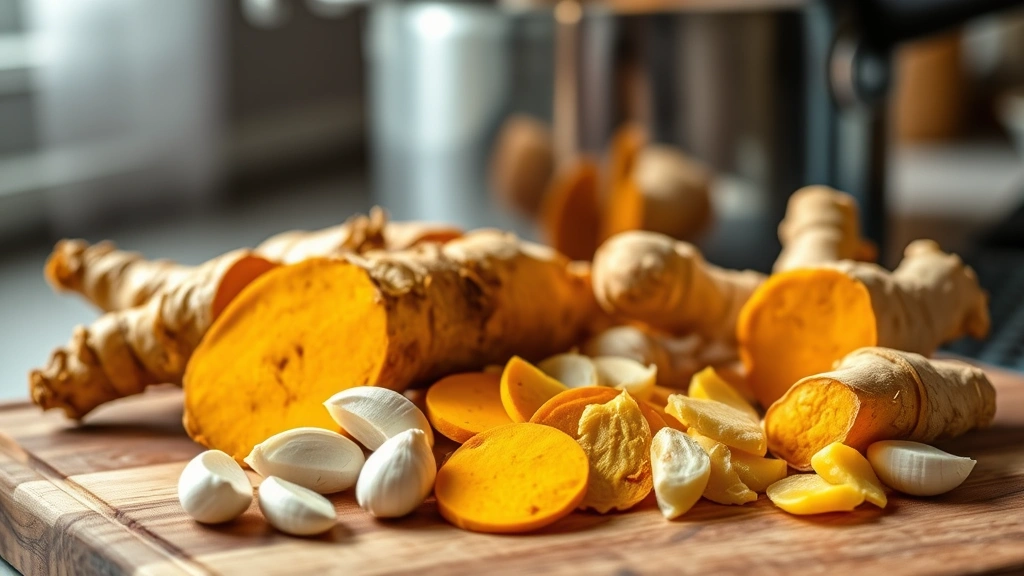
Turmeric and Curcumin: This golden spice contains curcumin, a compound extensively studied for its anti-inflammatory properties. Research shows curcumin reduces airway inflammation and may help clear mucus more effectively. The compound works by blocking inflammatory signaling pathways in lung tissue.
Ginger Root: Fresh ginger contains gingerols and shogaols, which have been shown in clinical studies to reduce respiratory inflammation and support immune function. Ginger also promotes natural mucus clearance and soothes irritated airways.
Garlic: This pungent ingredient contains allicin, a sulfur compound with antimicrobial and anti-inflammatory properties. Garlic has been used in traditional medicine for respiratory support for thousands of years, and modern science validates these traditional uses.
Honey: Raw honey contains enzymes and antimicrobial compounds that soothe throat irritation and support natural immune responses. Unlike processed honey, raw varieties retain beneficial enzymes.
Cayenne Pepper: The capsaicin in cayenne promotes mucus drainage and improves circulation to the lungs. It also has mild antimicrobial properties and stimulates the body’s natural detoxification processes.
Lemon and Citrus: High in vitamin C and bioflavonoids, citrus fruits support immune function and reduce oxidative stress in lung tissue. The acidity also helps break down and mobilize mucus.
Bone Broth or Vegetable Stock: The collagen and amino acids in bone broth reduce intestinal permeability, which indirectly supports respiratory health through improved immune function. This base provides hydration and mineral support.
The 3-Day Clear Lungs Recipe Protocol
This three-day protocol uses a concentrated respiratory-support broth as its foundation. You’ll prepare one large batch on day one, then consume it strategically over three days in specific portions designed to maximize absorption and effectiveness.
The Doctor-Approved Respiratory Support Broth Recipe:
Ingredients (Makes 8-10 servings):
- 2 quarts filtered water or low-sodium bone broth
- 3 tablespoons fresh turmeric root, grated (or 2 tablespoons ground)
- 4 inches fresh ginger root, sliced thin
- 1 whole head of garlic, cloves separated and crushed
- 3 dried chili peppers or 1 teaspoon cayenne powder
- 2 bay leaves
- 1 teaspoon black peppercorns
- 4 fresh lemons, juiced
- 3 tablespoons raw honey (add after cooking)
- 1 teaspoon sea salt
- Fresh thyme and rosemary sprigs (optional, 2-3 sprigs each)
- Turmeric-enhanced bone broth can be combined with protein sources like ground venison recipes for additional nutritional support
This broth serves as the nutritional foundation for your three-day respiratory reset. The combination of warming spices, antimicrobial garlic, and anti-inflammatory turmeric creates a synergistic formula specifically designed to reduce respiratory inflammation and support natural mucus clearance.
Preparation and Cooking Instructions
Step 1: Prepare Your Ingredients
Wash your turmeric and ginger roots thoroughly under cool water. Using a vegetable brush helps remove any dirt while preserving the nutrient-dense skin. Grate or slice the turmeric into thin pieces—thinner pieces extract more of the beneficial curcumin. Slice ginger into quarter-inch pieces to maximize surface area for extraction. Separate your garlic cloves and crush them lightly with the flat of your knife to break the cell walls and release allicin compounds.
Step 2: Heat Your Base
Pour your filtered water or bone broth into a large stainless steel pot. Bring to a gentle simmer over medium heat. Avoid boiling vigorously, as high heat can destroy some heat-sensitive compounds. Once small bubbles form around the pot’s edges, reduce heat to maintain a gentle simmer throughout cooking.
Step 3: Add Spices in Stages
Add your crushed garlic cloves first, allowing them to infuse for 2 minutes. This initial infusion develops the garlic’s flavor profile. Next, add your sliced ginger and grated turmeric, stirring well to distribute evenly. These ingredients should simmer together for 8-10 minutes before adding remaining spices. Add bay leaves, black peppercorns, and dried chili peppers (or cayenne powder). Stir occasionally and allow the mixture to simmer gently for 20-25 minutes total.
Step 4: Strain and Finish
After the simmering period, carefully strain the broth through a fine-mesh strainer or cheesecloth into a clean pot or storage containers. Press gently on the solids to extract maximum beneficial compounds without crushing them into the liquid. Allow the broth to cool for 10-15 minutes until it reaches approximately 120 degrees Fahrenheit. Add your fresh lemon juice and raw honey, stirring gently to incorporate. Never add honey to boiling liquid, as heat destroys its beneficial enzymes.
Step 5: Storage
Pour your finished broth into glass containers with tight-fitting lids. Store in the refrigerator for up to five days. If you prefer, freeze portions in ice cube trays for longer storage. This allows you to thaw exactly what you need for each day.
Daily Implementation Schedule
Day One: Foundation and Preparation
Prepare your full batch of respiratory support broth following the instructions above. On day one, consume one 8-ounce cup in the morning, approximately 30 minutes before breakfast. This allows the beneficial compounds to begin their work on an empty stomach, maximizing absorption. Drink another 8-ounce cup in the early evening, about 2-3 hours after your largest meal. This timing prevents interference with digestion while ensuring consistent compound levels in your bloodstream.
Throughout day one, focus on staying well-hydrated with filtered water and herbal teas. Avoid dairy products, which can increase mucus production in some individuals. Limit processed foods and sugar, as these can increase inflammation and counteract your broth’s benefits.
Day Two: Intensification
On day two, increase your broth consumption to 10 ounces in the morning and 10 ounces in the evening. You may also add a midday serving of 6-8 ounces if desired. This increased frequency ensures sustained anti-inflammatory activity throughout your entire day. Many people notice improved respiratory comfort and easier breathing by this point, as the cumulative effect of the anti-inflammatory compounds begins taking effect.
Add gentle movement to your routine on day two. Light stretching, slow walking, or gentle yoga helps mobilize mucus and improves circulation to lung tissue. Avoid strenuous exercise, which can strain your respiratory system while it’s undergoing this intensive support protocol.
Day Three: Completion and Integration
Continue your day-two schedule on day three, or slightly reduce to 8 ounces morning and evening if you prefer. By day three, many individuals report noticeable improvements in breathing clarity, reduced mucus production, and improved energy levels. The three-day intensive protocol provides your respiratory system with concentrated nutritional support that can yield lasting improvements.
After completing the three-day protocol, you can continue consuming this broth 3-4 times weekly as a maintenance strategy, or incorporate the individual ingredients into regular cooking. Consider preparing carne asada marinade recipe variations that include turmeric and ginger for ongoing respiratory support through your regular meals.
Complementary Wellness Practices
While this targeted nutritional approach provides powerful support, combining it with complementary practices amplifies results significantly.
Breathing Techniques: Practice diaphragmatic breathing throughout your three-day protocol. Breathe slowly through your nose for a count of four, hold for a count of four, then exhale through your mouth for a count of six. This technique activates your parasympathetic nervous system while promoting mucus clearance through natural airflow changes.
Steam Inhalation: Add three drops of eucalyptus essential oil to a bowl of steaming water. Drape a towel over your head and breathe deeply for 10-15 minutes. Steam loosens mucus while eucalyptus provides additional antimicrobial support. Perform this 1-2 times daily during your three-day protocol.
Hydration Strategy: Beyond your broth consumption, drink at least 8-10 glasses of filtered water daily. Proper hydration thins mucus, making it easier for your body to clear naturally. Herbal teas with ginger, turmeric, or thyme provide additional respiratory support.
Sleep Optimization: Ensure you’re getting 7-9 hours of quality sleep nightly. Sleep allows your body to dedicate maximum resources to immune function and tissue repair. Elevate your head with an extra pillow to promote drainage and easier breathing while resting.
Environmental Factors: During your three-day protocol, minimize exposure to air pollutants, smoke, and strong chemical odors. Use an air purifier if available, and maintain adequate humidity levels (40-60%) to prevent airway irritation.
Nutritional Support: Complement your broth with whole foods rich in antioxidants. Include leafy greens, berries, nuts, and fatty fish in your meals. If you enjoy protein-based meals, explore how deer jerky recipe preparations can provide clean protein without inflammatory seed oils.
For additional guidance on optimizing your overall diet, resources like the EatingWell nutrition guidelines provide evidence-based dietary recommendations that support respiratory and overall health.
FAQ
Can this recipe replace medical treatment for respiratory conditions?
No. This recipe is designed to support respiratory health through nutrition and should complement, not replace, medical care. If you have diagnosed respiratory conditions, consult your healthcare provider before implementing any new wellness protocol. Always inform your doctor about dietary changes and supplements.
Is this recipe safe for people with specific dietary restrictions?
This recipe is naturally gluten-free, dairy-free, and vegan-friendly. However, if you have allergies to any ingredients listed, modify accordingly or consult a nutritionist. Some people sensitive to capsaicin in cayenne may experience mild heartburn; reduce or omit this ingredient if needed.
Can I use powdered spices instead of fresh?
Yes, though fresh ingredients provide superior antioxidant levels. If using powdered versions, reduce quantities by approximately one-third, as powders are more concentrated. Add powdered spices during the last 10 minutes of simmering to preserve volatile compounds.
What if I don’t like the taste of the broth?
You can modify the flavor profile by adding a pinch of cinnamon, reducing cayenne, or increasing lemon juice. Some people prefer drinking it warm with a touch of raw honey stirred in, while others drink it at room temperature. Experiment to find your preferred preparation method.
How long will improvement last after the three-day protocol?
Many individuals notice improvements that last 1-2 weeks after completing the protocol. Continuing to consume the broth 2-3 times weekly helps maintain these benefits. Long-term respiratory health requires consistent dietary practices combined with the other wellness recommendations outlined above.
Are there interactions with medications I should know about?
Turmeric and ginger can interact with blood thinners and certain other medications. If you take prescription medications, discuss this recipe with your healthcare provider or pharmacist before beginning the protocol. This is especially important if you take anticoagulants or anti-inflammatory medications.
Can children or pregnant women use this recipe?
Children over age 12 can typically consume this broth in smaller portions (4-6 ounces daily) under parental supervision. Pregnant or nursing women should consult their healthcare provider before consuming concentrated turmeric or ginger preparations, as high doses may not be appropriate during pregnancy. Always prioritize professional medical guidance in these situations.
What makes this different from other respiratory health recipes?
This recipe combines evidence-based anti-inflammatory ingredients in specific proportions designed to maximize bioavailability of beneficial compounds. The three-day intensive protocol allows your body to experience concentrated therapeutic effects, while the complementary practices create a comprehensive wellness approach rather than relying on nutrition alone.
For more information on nutrition science and respiratory health, explore resources from the American Lung Association and evidence-based cooking techniques through culinary nutrition organizations.
Remember that true respiratory wellness develops through consistent practices over time. While this three-day protocol provides powerful nutritional support, maintaining the habits established during these three days—proper hydration, breathing awareness, anti-inflammatory eating patterns, and quality sleep—creates lasting improvements in lung health and overall vitality.


