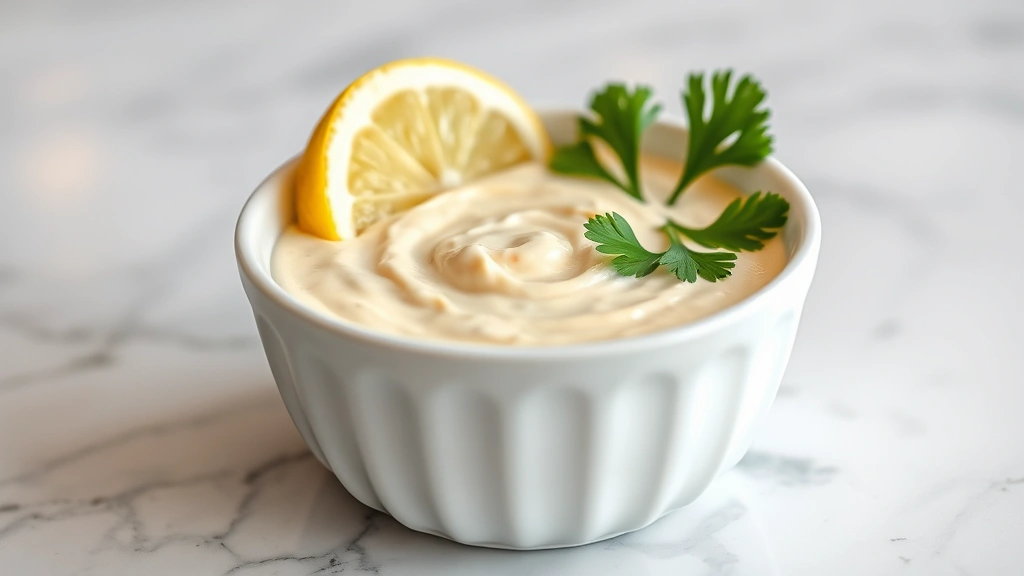
Best Remoulade Sauce? Chef’s Favorite Recipe
Remoulade sauce stands as one of the most versatile and beloved condiments in both classic French and Creole cuisines. This creamy, tangy sauce elevates everything from seafood to vegetables with its complex blend of flavors and textures. Whether you’re preparing a elegant dinner party or simply looking to enhance your weeknight meals, mastering this remoulade recipe will transform your cooking.
The beauty of remoulade lies in its adaptability. While the French version tends toward simplicity with mayo and pickles, the Creole interpretation—particularly from New Orleans—incorporates bold spices and distinctive ingredients that make it unmistakably Southern. This guide will walk you through creating the perfect batch, exploring variations, and understanding the techniques that separate a good remoulade from an exceptional one.
What Is Remoulade Sauce?
Remoulade sauce is a cold condiment traditionally served alongside seafood, particularly shrimp and crab. The name derives from the French word “rémoulade,” though its origins trace back even further to medieval sauces. The classic French version features mayonnaise enriched with mustard, capers, and pickles, creating a sophisticated accompaniment to delicate fish preparations.
The Creole remoulade, however, tells a different story. Born in the melting pot of New Orleans, this version incorporates ingredients like paprika, cayenne pepper, and Creole mustard, delivering a sauce with considerably more punch and personality. The distinction matters because each style serves different culinary purposes. French remoulade works beautifully with refined seafood preparations, while Creole remoulade demands bold, flavorful proteins that can stand up to its assertive character.
Understanding remoulade’s role in your kitchen opens doors to countless applications. It’s not merely a sauce for shrimp—it becomes a flavor bridge between ingredients, a textural contrast against crispy foods, and a vehicle for personal culinary expression. The sauce’s emulsified base provides richness while its acidic components brighten dishes and cut through heavier flavors.
Essential Ingredients Breakdown
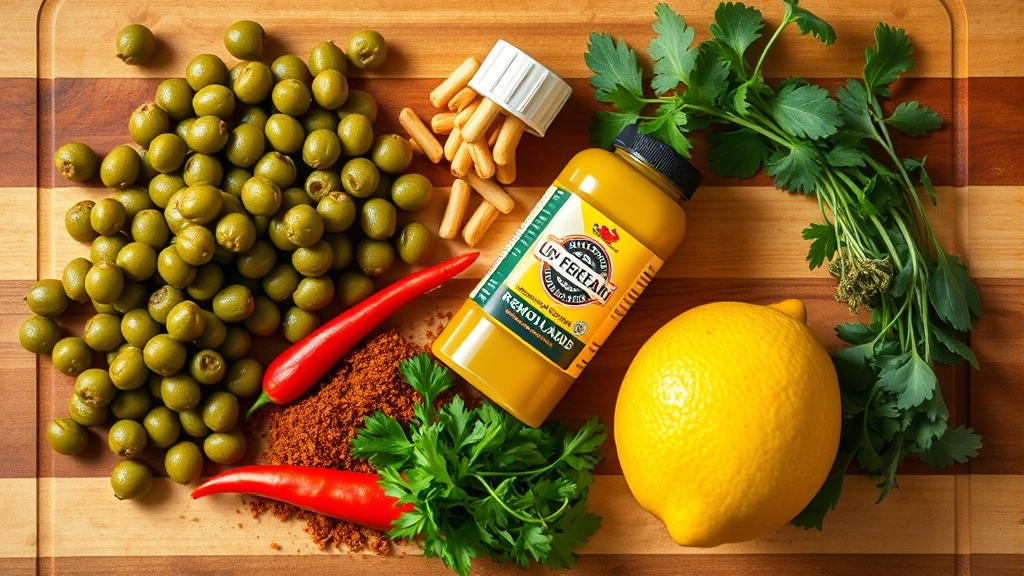
Creating an outstanding remoulade begins with understanding each ingredient’s contribution. The foundation starts with mayonnaise, which provides the creamy base and emulsified structure. Use quality mayonnaise or make your own for superior results—homemade versions offer greater control over flavor and texture.
Core Components:
- Mayonnaise (1 cup): The emulsified foundation that carries flavors and creates the sauce’s signature texture. Choose full-fat versions for richer results.
- Creole or Dijon mustard (2-3 tablespoons): Provides sharp, tangy notes and helps maintain emulsion stability. Creole mustard brings more complexity than standard yellow mustard.
- Capers (2 tablespoons, chopped): These brined flower buds add briny, slightly salty notes with subtle floral undertones. Rinse them to control salt levels.
- Cornichons or dill pickles (2 tablespoons, finely minced): Deliver bright acidity and pickled depth. Finely chopping prevents texture grittiness.
- Paprika (1 teaspoon): Contributes warm, slightly sweet color and flavor. Spanish smoked paprika offers additional complexity.
- Cayenne pepper (¼-½ teaspoon): Builds heat gradually. Start conservatively and adjust to taste preferences.
- Fresh lemon juice (1 tablespoon): Brightens flavors and prevents oxidation. Always use fresh-squeezed juice.
- Worcestershire sauce (½ teaspoon): Adds umami depth and savory complexity.
- Garlic (1 clove, minced): Provides aromatic sharpness. Use fresh, not powdered varieties.
- Fresh herbs (1 tablespoon, chopped): Parsley, tarragon, or chives add freshness. Tarragon offers particular affinity with seafood.
Optional but recommended additions include hot sauce (Tabasco or Louisiana-style), anchovy paste for umami intensity, and finely diced shallots for subtle sweetness and complexity. Each addition should serve a purpose, enhancing rather than muddying the overall flavor profile.
Step-by-Step Recipe Instructions
Classic Creole Remoulade Recipe
Ingredients:
- 1 cup mayonnaise (preferably homemade)
- 3 tablespoons Creole mustard
- 2 tablespoons capers, drained and chopped
- 2 tablespoons cornichons or dill pickles, minced
- 1 tablespoon fresh lemon juice
- 1 teaspoon paprika (smoked preferred)
- ½ teaspoon cayenne pepper
- ½ teaspoon Worcestershire sauce
- 1 clove garlic, minced
- 1 tablespoon fresh parsley, chopped
- Salt and black pepper to taste
- Optional: ¼ teaspoon hot sauce
Instructions:
- Prepare your workspace: Gather all ingredients and prepare them before beginning. Mince garlic, chop capers and pickles finely, and measure spices. This mise en place approach prevents mistakes and ensures consistent results.
- Combine base ingredients: Place mayonnaise in a medium mixing bowl. Add Creole mustard and whisk thoroughly until the mixture becomes uniform. The mustard should fully incorporate, creating a pale yellow base without streaks.
- Add pickled components: Fold in chopped capers and minced cornichons using a rubber spatula. Use gentle folding motions to maintain the emulsion’s integrity. Over-stirring can break the mayonnaise base.
- Incorporate spices: Sprinkle paprika and cayenne pepper over the mixture. Mix gently but thoroughly. The spices should distribute evenly, creating uniform color throughout.
- Add flavor builders: Stir in lemon juice, Worcestershire sauce, minced garlic, and fresh parsley. Mix until fully combined, approximately 30 seconds.
- Taste and adjust: This critical step determines final quality. Taste the sauce and assess flavor balance. Add salt and black pepper gradually, tasting between additions. If the sauce needs more tang, add additional lemon juice in small increments. For increased heat, add hot sauce one drop at a time.
- Chill before serving: Transfer the finished remoulade to a covered container and refrigerate for at least 30 minutes. This resting period allows flavors to meld and develop fuller complexity.
Timing and Temperature Notes: Work with chilled ingredients whenever possible. Cold mayonnaise and cold mixing bowls help maintain emulsion stability. If your kitchen is particularly warm, place the bowl over an ice bath while mixing.
Chef’s Pro Tips for Perfect Results
Professional chefs employ several techniques that elevate remoulade from adequate to exceptional. Understanding these methods transforms your cooking approach.
Emulsion Stability: The mayonnaise base requires respect. Never add ingredients rapidly or stir aggressively. Instead, fold additions in gently using a rubber spatula with downward strokes. If the mixture breaks (becomes grainy), whisk an egg yolk in a separate bowl and slowly incorporate the broken sauce into it, much like repairing a broken hollandaise.
Ingredient Preparation: Texture matters considerably. Mince capers and pickles into pieces no larger than a grain of rice. Oversized pieces create unpleasant textural contrast and prevent even flavor distribution. Use a sharp knife and cutting board, never a food processor, which over-processes and releases excess moisture.
Flavor Development: Allow the finished sauce to rest in the refrigerator for several hours, even overnight. This resting period permits flavors to marry and develop greater complexity. The sauce actually improves over 24 hours as ingredients fully integrate.
Temperature Control: Serve remoulade cold or at room temperature, never warm. Heat damages the emulsion and mutes delicate flavors. Remove from refrigeration 10-15 minutes before serving to allow flavors to brighten as the sauce warms slightly.
Seasoning Strategy: Under-season initially, then adjust. Remember that saltiness intensifies as the sauce sits. It’s easier to add seasoning than remove it. Taste multiple times during preparation and again before serving.
For those interested in understanding broader cooking foundations, explore our guide on how to make homemade bread to appreciate how technique fundamentals apply across different culinary applications.
Flavor Variations to Explore
French-Style Remoulade: Strip away the spices and focus on classic simplicity. Use Dijon mustard instead of Creole varieties, increase capers to 3 tablespoons, and add 1 teaspoon of minced fresh tarragon. This version shines with delicate white fish and scallops.
Spicy Louisiana Version: Increase cayenne to 1 full teaspoon, add ½ teaspoon of smoked paprika, and incorporate 1 tablespoon of hot sauce. This bold interpretation demands equally assertive proteins like fried seafood or grilled sausage.
Herb-Forward Variation: Replace parsley with mixed fresh herbs—combine tarragon, chervil, and chives in equal parts. Add 1 tablespoon of minced fresh dill. This lighter approach works beautifully with poached fish and delicate appetizers.
Anchovy-Enhanced Version: Dissolve 1 teaspoon of anchovy paste into the mustard before adding other ingredients. The umami depth transforms the sauce into something richer and more complex, particularly suited for crab and lobster preparations.
Sweet Pickle Variation: Replace dill pickles with bread-and-butter pickles for subtle sweetness. Reduce paprika to ½ teaspoon and omit cayenne. This gentler version appeals to those preferring milder heat levels.
Each variation maintains the fundamental technique while pivoting flavor profiles. Experiment confidently, keeping detailed notes of successful adjustments. Your personal preference should ultimately guide recipe development.
For those exploring how condiments enhance broader culinary creations, consider our insights on food waste reduction tips to maximize ingredient utilization in your kitchen.
Storage and Shelf Life
Proper storage extends remoulade’s usefulness and ensures food safety. The mayonnaise base provides natural preservation through its emulsified structure, but certain guidelines protect quality and prevent spoilage.
Refrigerator Storage: Transfer finished remoulade to an airtight glass container or jar. Properly stored, it maintains peak quality for 7-10 days. The cold environment slows bacterial growth while the acidic components provide additional preservation.
Ingredient Freshness: Since fresh ingredients like garlic, herbs, and lemon juice degrade over time, the sauce’s flavor profile shifts gradually. Use within one week for best flavor, though it remains safe to consume slightly longer if no off-odors develop.
Freezing Considerations: Freezing remoulade is possible but not ideal. The mayonnaise base separates somewhat during thawing, requiring vigorous re-whisking. If freezing becomes necessary, use ice cube trays to portion into small quantities, then transfer frozen cubes to freezer bags. Use within three months.
Signs of Spoilage: Discard remoulade if it develops an off-odor, shows visible mold, or separates irreparably. Never taste questionable sauce—trust your senses and err toward caution.
Make-Ahead Strategy: Prepare remoulade up to 24 hours before serving. This timeline provides flavor development benefits while maintaining ingredient freshness. Add fresh herbs only 2-3 hours before serving to preserve their vibrant color and delicate flavor.
Serving Suggestions
Remoulade’s versatility extends far beyond traditional shrimp cocktails. Creative chefs employ this sauce across numerous applications, each highlighting different aspects of its complex flavor profile.
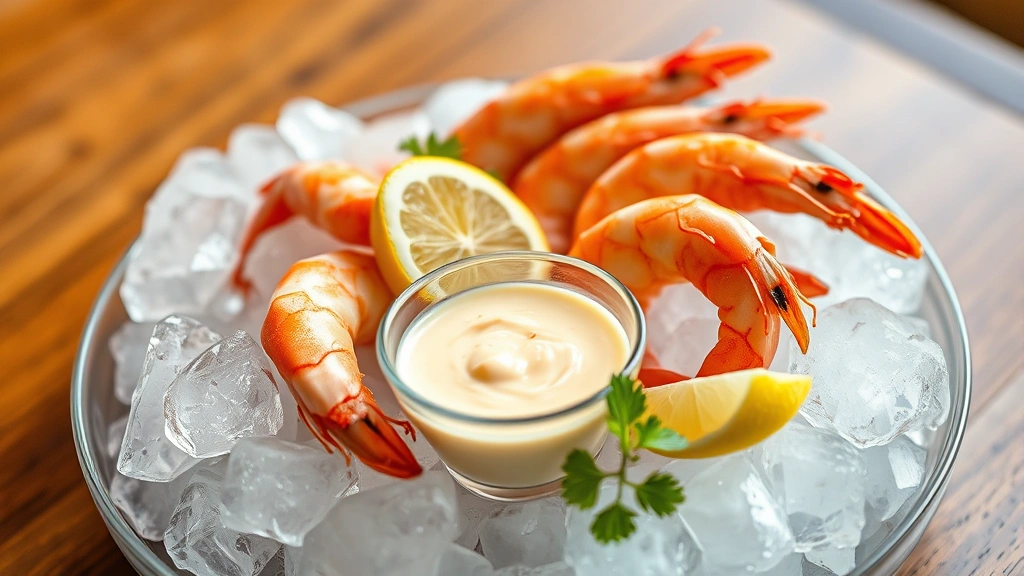
Seafood Applications: Serve alongside chilled shrimp, crab cakes, oysters, or poached fish. The sauce’s bright acidity cuts through rich seafood preparations while its creamy base provides luxurious mouthfeel. Cold boiled crawfish benefit tremendously from remoulade’s bold Creole interpretation.
Vegetable Preparations: Use remoulade as a dip for raw vegetables—artichoke hearts, celery, and bell peppers pair beautifully. Toss with roasted asparagus or Brussels sprouts for unexpected depth. Serve alongside grilled eggplant or zucchini for elegant vegetable platters.
Sandwich and Burger Applications: Spread remoulade on sandwiches featuring cured meats, smoked fish, or roasted vegetables. It elevates simple turkey sandwiches into something memorable. Use as a burger condiment alongside traditional toppings for sophisticated flavor complexity.
Appetizer Pairings: Present remoulade alongside fried calamari, fish and chips, or croquettes. The cool sauce provides textural contrast against crispy preparations while complementing fried flavors. Serve in small bowls at cocktail parties with assorted vegetables and crackers.
Temperature Serving Notes: Serve remoulade cold straight from refrigeration for maximum flavor impact. Allow 10-15 minutes at room temperature if desired for slightly softened texture, but never serve warm.
Those exploring how different sauces enhance dessert applications might consider our fantasy fudge recipe to understand how different sauce techniques apply across culinary categories.
FAQ
Can I make remoulade without mayonnaise?
While traditional remoulade relies on mayonnaise, you can create alternative versions using Greek yogurt or sour cream mixed with a small amount of mayonnaise. These substitutions produce lighter textures but sacrifice the classic richness and emulsion stability that define authentic remoulade. The resulting sauce works adequately but differs noticeably from the traditional preparation.
How spicy should remoulade be?
Spice level is entirely personal preference. The classic Creole version includes ½ teaspoon cayenne per cup of sauce, which most palates perceive as moderate heat. Start conservatively—you can always add more hot sauce or cayenne, but removing heat proves impossible. Build heat gradually while tasting frequently.
What’s the difference between remoulade and tartar sauce?
While similar, these sauces differ significantly. Tartar sauce traditionally contains mayonnaise, minced pickles, and capers with minimal additional seasonings. Remoulade incorporates mustard, spices, and fresh herbs, creating a more complex flavor profile. Remoulade leans toward boldness while tartar sauce remains subtle. They serve different purposes—tartar sauce with delicate fried fish, remoulade with assertive seafood preparations.
Can remoulade be served warm?
Serving remoulade warm damages its emulsion and mutes delicate flavors. Heat breaks the mayonnaise structure and causes separation. Always serve cold or at room temperature. If serving alongside warm foods, present the sauce separately in a chilled bowl.
How do I fix broken remoulade?
If the sauce separates and becomes grainy, create an emulsion rescue. Whisk an egg yolk in a clean bowl, then very slowly incorporate the broken sauce while whisking constantly. This technique, borrowed from hollandaise repair, often restores proper texture. Work patiently—rushing causes failure.
What herbs work best in remoulade?
Parsley provides neutral herbal notes and works universally. Tarragon offers sophisticated flavor particularly suited to seafood preparations. Chives contribute mild onion notes. Dill adds pickle-like freshness. Avoid heavy herbs like rosemary or oregano, which overpower delicate remoulade balance. Fresh herbs always surpass dried varieties in this application.
Can I prepare remoulade in a food processor?
While technically possible, food processors are not recommended. The high-speed blades over-process ingredients, breaking down capers and pickles into unpleasant pastes while potentially breaking the mayonnaise emulsion. Hand-mixing with a spatula provides superior texture and control. This sauce rewards patience and gentle technique.


