How to Roast Red Potatoes: Proven Method for Perfect Results
Red potatoes are a kitchen staple that deserve far more attention than they typically receive. With their thin, delicate skin, creamy interior, and naturally sweet flavor, these small spuds transform into something absolutely spectacular when roasted properly. Unlike their larger russet cousins, red potatoes maintain their shape beautifully during cooking, creating crispy exteriors while keeping their centers tender and buttery. Whether you’re preparing a weeknight dinner or hosting a special gathering, mastering the art of roasting red potatoes will elevate your cooking repertoire and impress everyone at your table.
The beauty of this roasted red potatoes recipe lies in its simplicity and reliability. This proven method combines straightforward techniques with careful attention to detail, ensuring consistent results every single time. You’ll learn the exact temperature needed, the optimal cutting size, and the timing that transforms raw potatoes into golden, crispy delights. This guide walks you through every step, from selection and preparation through plating and serving.
Selecting and Preparing Your Potatoes
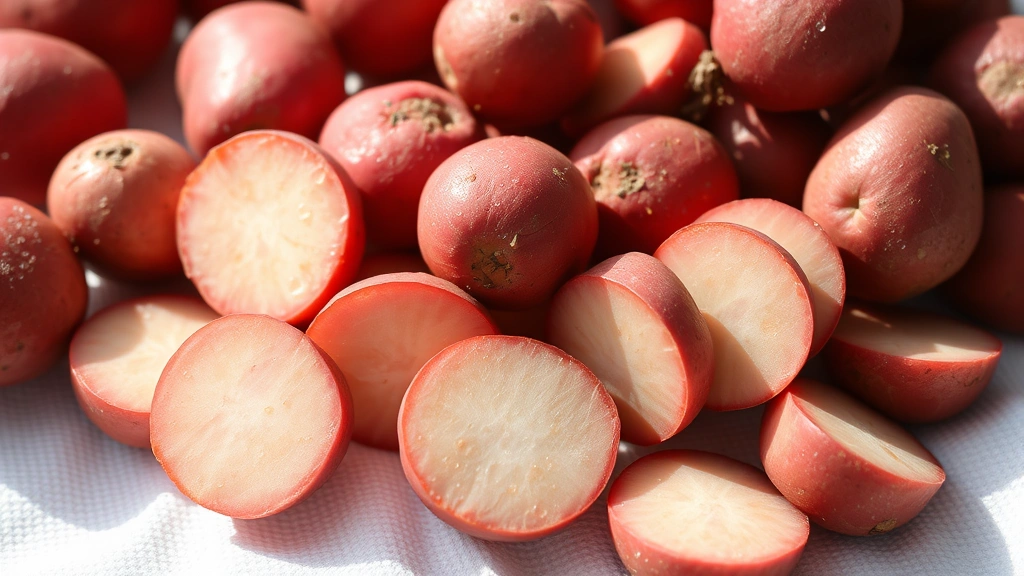
The foundation of excellent roasted red potatoes begins with proper selection. Choose firm, unblemished red potatoes of similar size to ensure even cooking throughout your batch. Look for potatoes that feel heavy for their size, indicating good moisture content and density. Avoid any with soft spots, wrinkled skin, or sprouting eyes, as these indicate age and deterioration.
Once you’ve selected your potatoes, give them a thorough rinse under cold running water, using a soft vegetable brush to remove any clinging soil. The thin red skin is edible and nutritious, so there’s no need to peel these potatoes. Pat them completely dry with clean kitchen towels or paper towels—this step is crucial because moisture on the surface will create steam rather than the crispy, caramelized exterior you’re aiming for.
Cut your cleaned potatoes into uniform pieces, aiming for quarters or halves depending on their original size. Ideally, each piece should be approximately 1.5 to 2 inches across. Uniform sizing is absolutely essential because it ensures every potato piece cooks at the same rate. Smaller pieces will finish before larger ones, leaving you with some that are perfectly done and others that are undercooked or overdone. If you have particularly large red potatoes, cut them into eighths rather than quarters.
Transfer your cut potatoes to a large mixing bowl. This is where your preparation truly begins, and where you set the stage for exceptional results. Don’t skip any steps in this preparation phase, as each one contributes to the final outcome.
Seasoning and Oil Technique
The seasoning and oil ratio makes the difference between mediocre roasted potatoes and extraordinary ones. Pour three to four tablespoons of high-quality olive oil over your cut potatoes. Extra virgin olive oil provides superior flavor, but regular olive oil works well too. The oil serves two critical functions: it conducts heat evenly throughout the potatoes and facilitates the browning process that creates those desirable crispy edges.
Sprinkle generously with kosher salt and freshly cracked black pepper. Don’t be shy with the seasoning at this stage—roasting concentrates flavors, but you need enough seasoning to season the entire potato, not just the surface. Most home cooks under-season their roasted vegetables, resulting in bland final dishes. Use approximately one teaspoon of kosher salt per two pounds of potatoes as your baseline, then adjust to your preference.
Add minced fresh garlic, dried rosemary or thyme, and a pinch of paprika for depth and complexity. Fresh herbs like rosemary work beautifully, but dried herbs are equally effective and more convenient. If using fresh herbs, add them after roasting to preserve their delicate flavor. This is also an excellent opportunity to incorporate other seasonings like garlic powder, onion powder, or cayenne pepper if you prefer more robust flavoring.
Using a large spoon or your hands (clean hands work best), toss the potatoes thoroughly until every piece is evenly coated with oil and seasonings. This step takes just two to three minutes but dramatically impacts the final result. Every surface should glisten with oil, and seasonings should distribute evenly. Unevenly seasoned potatoes will have bland spots and over-seasoned spots, creating an inconsistent eating experience.
For additional flavor inspiration, consider pairing your roasted red potatoes with grandma approved dinner recipes that celebrate simple, honest cooking techniques.
The Roasting Process
Preheat your oven to 425°F (220°C) for at least fifteen minutes before roasting. This high temperature is essential for developing that crispy, caramelized exterior while keeping the interior creamy. Line a large baking sheet with parchment paper or aluminum foil for easy cleanup, though this step is optional.
Spread your seasoned potatoes in a single layer on the baking sheet, cut-side down. Arranging them cut-side down allows the flat surface to make direct contact with the hot baking sheet, creating those beautiful golden-brown, crispy spots through the Maillard reaction. This chemical process occurs when proteins and sugars in the potato react to heat, creating complex flavors and appealing color.
Place the baking sheet in your preheated oven on the middle rack. Set a timer for twenty minutes. At the twenty-minute mark, remove the baking sheet and shake it vigorously or use a spatula to stir the potatoes, turning them over and rearranging them so all sides get exposure to direct heat. This prevents sticking and ensures even browning on all surfaces.
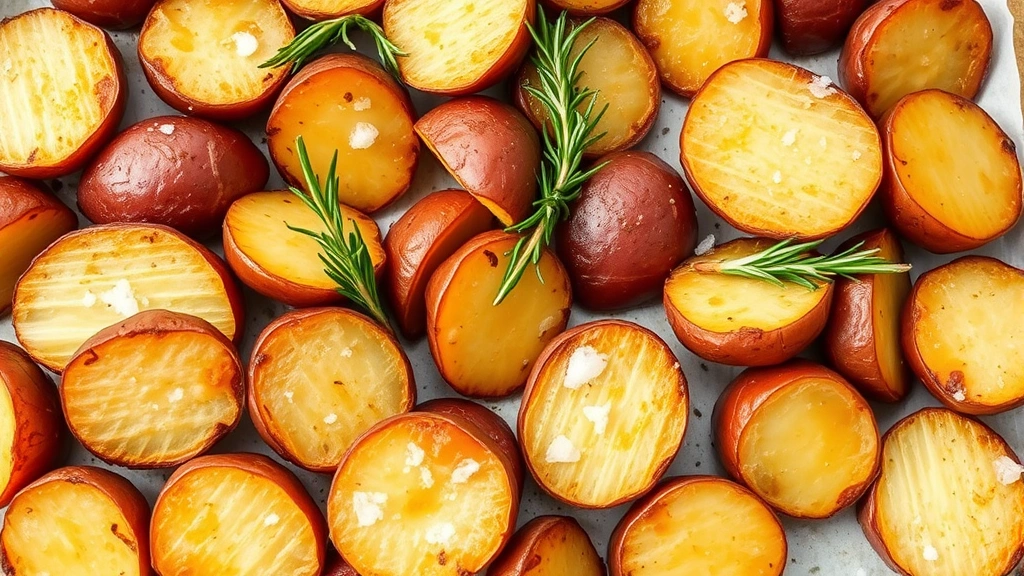
Return the potatoes to the oven for another fifteen to twenty minutes. The total roasting time typically ranges from thirty-five to forty minutes, though this varies based on your oven’s characteristics and the exact size of your potato pieces. The potatoes are finished when they’re deeply golden brown on the outside and easily pierced with a fork.
Throughout the roasting process, resist the urge to open the oven door frequently. Each time you open it, heat escapes and the roasting process is interrupted. Only check on your potatoes at the designated time intervals.
Checking for Perfect Doneness
Determining the exact moment your roasted red potatoes reach perfect doneness requires a simple test. Remove the baking sheet from the oven and select one medium-sized potato piece. Pierce it with a fork or sharp knife. The utensil should slide through with minimal resistance, and the interior should appear creamy and tender, not hard or chalky.
The exterior should be deeply golden brown to dark brown, with some pieces displaying darker, crispy edges. These darker spots indicate caramelization and contribute wonderful flavor complexity. Don’t fear a little char on the edges—this is exactly what you’re aiming for.
If the potatoes feel firm when pierced or the insides appear translucent, they need additional time. Return them to the oven for five minutes and check again. Better to have perfectly cooked potatoes that take a few extra minutes than undercooked ones that disappoint.
Once done, remove the baking sheet from the oven and let the potatoes rest for three to five minutes. This brief resting period allows the heat to distribute evenly throughout each piece and allows the exterior to set properly. Transfer them to a serving dish, taste one to verify seasoning, and adjust salt and pepper if needed.
Serving Suggestions and Variations
Roasted red potatoes shine as a standalone side dish, but they also work beautifully in composed plates and complete meals. Serve them alongside grilled chicken, roasted fish, or prime rib. Their crispy exterior and creamy interior complement rich proteins perfectly, and their relatively neutral flavor profile means they pair with virtually any main course.
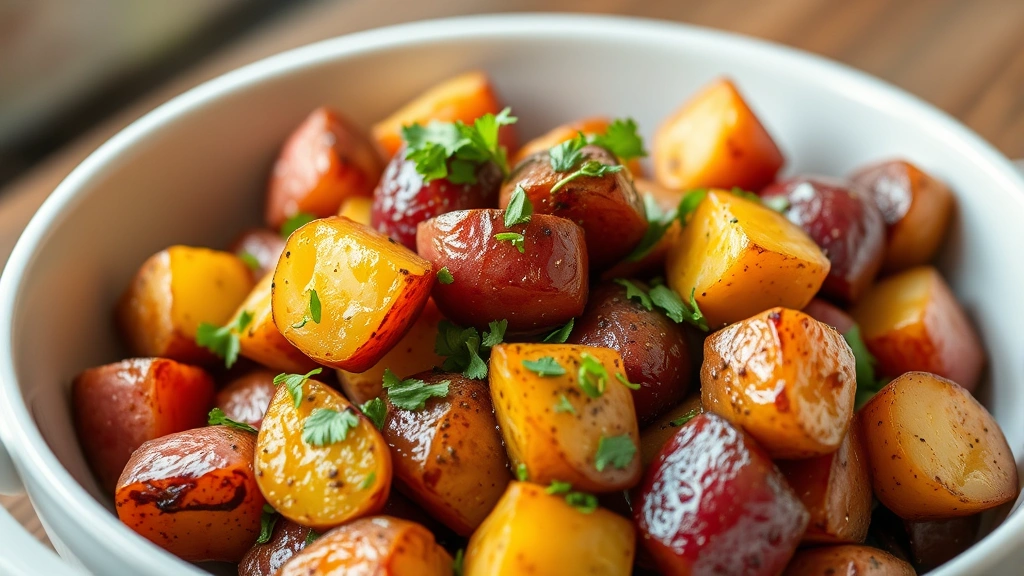
For a more substantial dish, toss your roasted red potatoes with fresh herbs like parsley or chives, a squeeze of fresh lemon juice, and a dollop of sour cream or Greek yogurt. This transforms simple roasted potatoes into a sophisticated side that feels restaurant-quality.
Create a hearty potato salad by combining your roasted red potatoes with crispy bacon, diced celery, thinly sliced red onion, and a light vinaigrette made with olive oil, red wine vinegar, Dijon mustard, and minced garlic. Serve this warm or at room temperature as a picnic-perfect side dish.
Incorporate roasted red potatoes into breakfast scrambles by combining them with eggs, cheese, and vegetables. They add substance and satisfy morning appetites beautifully. You can also incorporate them into protein muffin recipes for savory baked goods that work wonderfully for meal prep.
For a vegetarian main course, combine roasted red potatoes with roasted vegetables like Brussels sprouts, bell peppers, and zucchini, then toss everything with a tahini-based dressing or a simple vinaigrette. Add chickpeas or white beans for protein and complete nutrition.
Experiment with different herb combinations to create varied flavor profiles. Mediterranean-inspired batches use oregano, thyme, and a squeeze of lemon. Asian-influenced versions incorporate ginger, garlic, and a splash of soy sauce. Mexican-style roasted potatoes benefit from cumin, chili powder, and lime juice.
Troubleshooting Common Issues
If your roasted red potatoes consistently turn out soggy rather than crispy, examine your preparation technique. Ensure potatoes are completely dry before roasting and that you’re using sufficient oil. Additionally, verify your oven temperature with an oven thermometer—many ovens run cooler than their dial indicates, preventing proper browning.
When potatoes cook unevenly with some pieces finished while others remain firm, the issue typically stems from uneven sizing. Spend extra time during the cutting phase ensuring all pieces are approximately the same dimensions. Alternatively, you may be crowding the baking sheet. Potatoes need space around them for proper air circulation. If necessary, use two baking sheets rather than cramming everything onto one.
If your potatoes stick to the baking sheet despite using parchment paper or foil, you’re likely not using enough oil or the pan isn’t hot enough when you add the potatoes. Ensure the baking sheet is thoroughly preheated and that every potato piece glistens with oil before roasting begins.
Bland-tasting potatoes indicate insufficient seasoning. Remember that roasting concentrates flavors but doesn’t create flavors that weren’t there initially. Season generously during the preparation phase, and don’t hesitate to taste and adjust seasoning after roasting.
If potatoes brown too quickly on the outside but remain firm inside, lower your oven temperature to 400°F and extend cooking time by five to ten minutes. This prevents the exterior from burning before the interior cooks through.
For additional side dish inspiration and cooking techniques, explore resources like Serious Eats, which offers detailed food science explanations for cooking methods, or MasterClass, featuring professional chef instruction on fundamental cooking techniques.
FAQ
Can I prepare roasted red potatoes ahead of time?
Yes, roasted red potatoes keep well in the refrigerator for up to five days in an airtight container. Reheat them in a 350°F oven for ten to fifteen minutes to restore crispiness, or enjoy them cold in salads. You can also freeze roasted potatoes for up to three months, though they’re best reheated rather than eaten cold after freezing.
What’s the difference between roasted and boiled red potatoes?
Roasting creates crispy, caramelized exteriors and concentrates flavors through the Maillard reaction. Boiling produces softer potatoes with uniform texture throughout but lacks the complexity and textural contrast of roasted potatoes. Roasting is superior for side dishes where you want visual appeal and textural interest.
Can I use other potato varieties for this roasted red potatoes recipe?
Absolutely. Yukon gold potatoes work beautifully and have naturally buttery flavor. Small fingerling potatoes also roast excellently. Avoid large russet potatoes for this method—they’re better suited for baking. Waxy potato varieties work better than starchy ones for roasting because they hold their shape better.
Should I peel red potatoes before roasting?
No, the thin red skin is perfectly edible and nutritious, containing valuable fiber and nutrients. The skin also helps potatoes maintain their shape during roasting. Simply scrub them clean and leave the skin intact.
What oil works best for roasting potatoes?
Extra virgin olive oil provides the best flavor, though regular olive oil, avocado oil, or vegetable oil all work well. Use oils with high smoke points—around 400°F or higher—to prevent smoking in your hot oven. Avoid butter alone as it burns at roasting temperatures, though you can combine a small amount of butter with oil.
How do I make roasted red potatoes crispy?
Ensure potatoes are completely dry before roasting, use adequate oil, cut them to uniform size, spread them in a single layer with cut-side down, and roast at 425°F. The key is high heat, proper spacing, and patience—don’t stir them too frequently or you’ll prevent proper browning on the cut sides.
Can I add cheese or sour cream during roasting?
No, dairy products burn at roasting temperatures. Instead, add them after roasting. Toss finished potatoes with grated Parmesan, crumbled feta, or a dollop of sour cream for delicious variations.
What serving sizes should I plan for?
Plan for approximately one-half to three-quarters pound of potatoes per person as a side dish. If roasted potatoes are the main component of the meal, increase this to one pound per person.


