Best Rockfish Recipe: Tried and True Method for Perfect Results
Rockfish is one of the most versatile and delicious white fish available to home cooks, yet many people overlook it in favor of more familiar options like cod or halibut. This lean, flaky fish has a mild flavor that adapts beautifully to virtually any cooking method—from pan-searing to baking to grilling. Whether you’re looking for an easy dinner recipe for beginners or a more sophisticated preparation, rockfish delivers consistent, restaurant-quality results every single time.
The beauty of rockfish lies in its tender flesh and subtle sweetness. Unlike some fish that can taste fishy or overpowering, rockfish has a clean, delicate flavor that makes it perfect for both simple preparations and complex sauces. In this comprehensive guide, we’ll walk you through the best rockfish recipe method that professionals use in kitchens across the country, along with expert tips for selecting, preparing, and cooking this magnificent fish to absolute perfection.
Why Rockfish is the Perfect Choice
Rockfish, also known as striped bass or ocean perch depending on the species and region, stands out among white fish for several compelling reasons. Its firm yet tender texture holds up beautifully during cooking, making it forgiving for home cooks who are still developing their skills. The flesh maintains its moisture better than many other fish varieties, which means even if you cook it slightly longer than intended, it won’t dry out as quickly as delicate sole or flounder.
The nutritional profile of rockfish makes it an excellent choice for health-conscious diners. It’s rich in high-quality protein while remaining low in calories and saturated fat. Rockfish also contains omega-3 fatty acids, selenium, and B vitamins that support overall wellness. If you’re interested in understanding more about the nutritional advantages of seafood, our guide on foods rich in antioxidants provides deeper insight into fish’s role in a balanced diet.
Beyond nutrition, rockfish is economical. It typically costs less than premium fish like wild-caught salmon or halibut, yet delivers comparable quality and flavor. This makes it perfect for weeknight dinners or when you’re feeding a larger group without breaking your budget.
Selecting and Preparing Your Rockfish
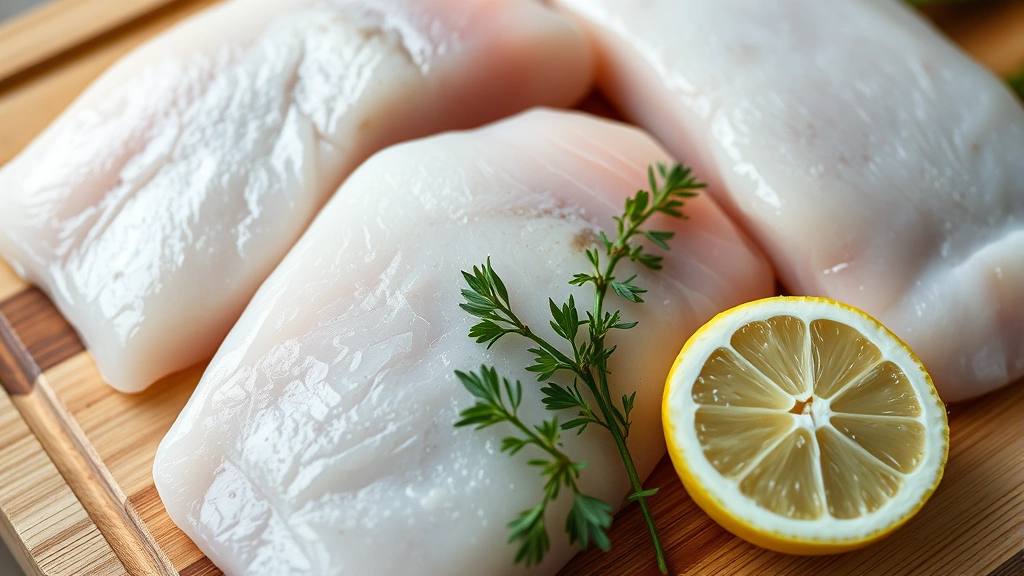
The foundation of any great rockfish recipe begins with selecting the highest quality fish possible. When shopping, look for fillets or whole fish with these characteristics: flesh that’s firm and springs back when gently pressed, a mild ocean smell (not an overpowering fishy odor), and skin that appears moist and vibrant. If buying fillets, ensure they’re uniform in thickness so they cook evenly.
Fresh rockfish is ideal, but frozen rockfish that’s been properly handled is an excellent alternative. If using frozen fish, thaw it slowly in the refrigerator overnight rather than at room temperature. This preserves the texture and prevents bacterial growth.
Preparation Steps:
- Pat the rockfish dry with paper towels. Moisture on the surface prevents proper browning and creates steam that interferes with crust development.
- Season generously with kosher salt and freshly ground black pepper at least 15 minutes before cooking. This allows the salt to penetrate the flesh and enhance flavor throughout.
- Bring the fish to room temperature 10-15 minutes before cooking. Cold fish cooks unevenly, with the outside potentially burning before the inside cooks through.
- If your fillets are particularly thick, consider gently pounding them to uniform thickness using the flat side of a meat mallet.
- Have all your ingredients and equipment ready before you begin cooking—this is called mise en place and is essential for successful fish cookery.
For a collection of tried-and-true techniques, consider downloading our recipe cards for quick reference while cooking.
Pan-Seared Rockfish with Lemon Butter
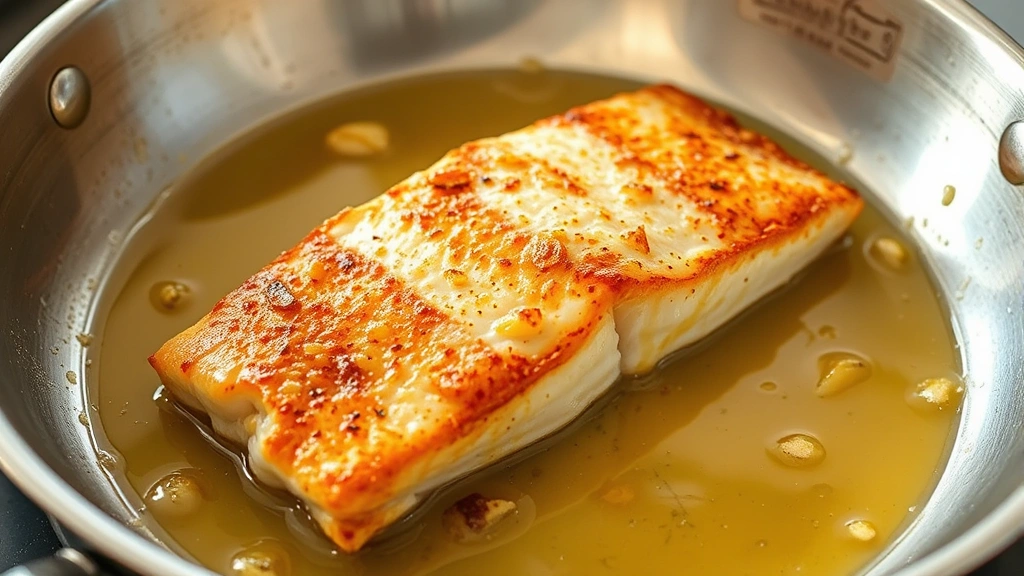
Pan-searing is the gold standard method for cooking rockfish fillets at home. This technique creates a beautiful golden crust while keeping the interior moist and tender. The high heat seals the fish’s exterior, locking in flavor and moisture while developing the Maillard reaction that creates complex, savory notes.
Ingredients (serves 4):
- 4 rockfish fillets (6 ounces each)
- Kosher salt and black pepper to taste
- 2 tablespoons all-purpose flour (optional, for light coating)
- 3 tablespoons olive oil or clarified butter
- 4 tablespoons unsalted butter
- 3 cloves garlic, minced
- Juice of 2 fresh lemons
- 2 tablespoons fresh parsley, chopped
- 1 tablespoon fresh thyme leaves
Step-by-Step Instructions:
- Prepare your pan: Use a heavy-bottomed stainless steel or cast-iron skillet. Preheat it over medium-high heat for 2-3 minutes until it’s hot enough that a drop of water immediately sizzles and evaporates.
- Season the fish: Pat rockfish fillets completely dry. Season both sides generously with kosher salt and freshly ground black pepper. If using flour, dust each fillet lightly on the presentation side (the side that will be plated facing up).
- Add fat to the pan: Once the pan is properly heated, add olive oil or clarified butter. The fat should shimmer and move freely across the pan’s surface. If using regular butter, it will brown quickly; olive oil is more forgiving for beginners.
- Sear the fish: Gently place fillets skin-side up in the hot pan. Resist the urge to move them—let them sit undisturbed for 3-4 minutes until the bottom develops a golden crust. The fish will naturally release from the pan when it’s ready to flip.
- Flip carefully: Using a thin, flexible fish spatula, flip each fillet gently. Cook for another 2-3 minutes on the second side. The fish is done when it flakes easily with a fork and reaches an internal temperature of 145°F (63°C).
- Create the lemon butter sauce: Push the cooked fish to the sides of the pan. Add minced garlic to the center and cook for 30 seconds until fragrant. Add the unsalted butter and allow it to melt and begin to brown slightly. Add fresh lemon juice, stirring to combine.
- Finish and serve: Spoon the aromatic lemon butter sauce over the cooked rockfish fillets. Garnish with fresh parsley and thyme. Serve immediately with your choice of easy dinner accompaniments like roasted vegetables or rice.
Pro Tips for Pan-Searing Success: Don’t overcrowd the pan—cook in batches if necessary so each fillet has adequate space and the pan temperature doesn’t drop. If the pan loses heat, the fish will steam rather than sear. Keep the heat consistent throughout cooking; moderate adjustments are better than dramatic changes. The residual heat in the pan continues cooking the fish after you remove it, so remove it when it’s just barely opaque in the thickest part.
Baked Rockfish with Herbs and Vegetables
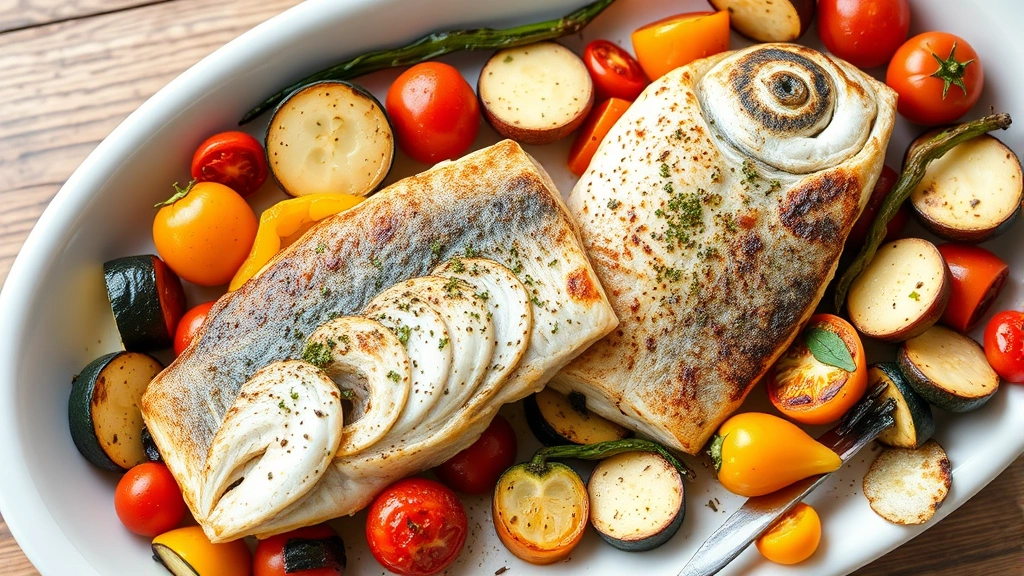
Baking is an excellent method for cooking rockfish when you want a hands-off approach or need to prepare larger quantities. This gentle cooking method produces incredibly moist, tender results and allows you to infuse the fish with complementary flavors from aromatics and vegetables.
Ingredients (serves 4):
- 4 rockfish fillets (6 ounces each)
- 2 cups mixed vegetables (zucchini, bell peppers, cherry tomatoes)
- 1 medium fennel bulb, thinly sliced
- 4 cloves garlic, sliced thin
- 3 tablespoons extra-virgin olive oil
- ½ cup dry white wine
- Kosher salt and black pepper
- 2 teaspoons fresh oregano
- 2 teaspoons fresh basil
- Zest of 1 lemon
- 2 tablespoons capers (optional)
Instructions:
- Preheat your oven to 400°F (200°C). Line a large baking sheet with parchment paper or aluminum foil for easy cleanup.
- Toss your chosen vegetables with 2 tablespoons olive oil, salt, pepper, and half of the fresh oregano. Spread them evenly across the prepared baking sheet.
- Roast vegetables for 8-10 minutes until they begin to soften. This head start ensures they’ll be properly cooked when the fish finishes.
- Remove the baking sheet from the oven and nestle the seasoned rockfish fillets among the vegetables. Drizzle fish with remaining olive oil.
- Scatter garlic slices, lemon zest, and remaining herbs around and over the fish. Pour the white wine into the pan (not over the fish directly, but into the surrounding space).
- Return to the oven and bake for 12-15 minutes until the fish is opaque and flakes easily. The wine will create a light, aromatic liquid that bastes everything.
- Remove from oven and let rest for 2 minutes. Serve the fish with the roasted vegetables and pan juices spooned over the top.
This method is perfect for meal prep and works beautifully when you’re trying to keep your dinner simple yet impressive. The vegetables and fish cook together, creating a complete one-pan meal.
Grilled Rockfish Fillets
Grilling rockfish requires a bit more care than other cooking methods because the delicate flesh can stick to the grates or fall apart. However, when done correctly, grilling imparts a wonderful smoky flavor that complements rockfish’s mild taste beautifully.
Key Grilling Techniques:
- Oil your grill grates thoroughly and preheat to medium-high heat (around 400°F or 200°C).
- Use a grill basket or cedar plank to prevent sticking and make flipping easier.
- Pat the fish completely dry and brush lightly with oil before placing on the grill.
- Cook skin-side down first for 4-5 minutes without moving the fish. The skin will crisp and help hold the fillet together.
- Flip gently using a fish spatula, cooking the second side for 3-4 minutes until done.
- Season just before grilling to prevent the salt from drawing out moisture.
Grilled rockfish pairs wonderfully with bright, acidic accompaniments like salsa verde, chimichurri, or a fresh tomato and basil salad. The smokiness of the grill contrasts beautifully with these fresh, herbaceous flavors.
Sauce Pairings and Flavor Combinations
One of rockfish’s greatest strengths is its versatility with different sauces and flavor profiles. The mild fish acts as a blank canvas for both delicate and bold flavors.
Classic Pairings:
- Lemon Butter: The most traditional pairing, this simple sauce lets the fish’s natural flavor shine. Add fresh herbs like dill, tarragon, or parsley for depth.
- Tomato-Based Sauces: Rockfish works beautifully in Mediterranean preparations with fresh tomatoes, garlic, olives, and capers. These sauces add brightness and complexity without overwhelming the delicate fish.
- Asian-Inspired Flavors: Soy sauce, ginger, and sesame oil create an entirely different profile. Try steaming rockfish with these ingredients and garnish with scallions and cilantro.
- Cream Sauces: While richer, a light cream sauce with fresh herbs or mustard complements rockfish nicely. Use restraint with cream to avoid masking the fish’s delicate flavor.
- Spicy Preparations: Chipotle peppers, jalapeños, or hot sauce add excitement. The heat contrasts beautifully with the fish’s mild sweetness.
When developing your own sauce, remember that rockfish is delicate. Avoid overpowering it with aggressive flavors. Instead, aim for balance and let the fish remain the star of the dish.
Nutritional Benefits and Health Considerations
Beyond its culinary appeal, rockfish deserves recognition for its impressive nutritional profile. A 6-ounce serving of cooked rockfish contains approximately 180 calories, 35 grams of high-quality protein, and less than 2 grams of fat. This makes it an excellent choice for anyone monitoring their calorie intake or building lean muscle.
Rockfish is a source of selenium, a trace mineral that supports thyroid function and provides antioxidant protection. The fish also contains B vitamins, particularly B12 and niacin, which support energy metabolism and nervous system health. The omega-3 content, while not as high as fatty fish like salmon, still contributes to heart health and inflammation management.
For those interested in optimizing their diet with nutrient-dense foods, our article on foods rich in antioxidants explains how fish fits into a comprehensive wellness strategy. Additionally, understanding the differences between sourcing options is important; our piece on organic vs non-organic food discusses seafood sourcing considerations.
When selecting rockfish, consider its origin. Sustainably caught rockfish from well-managed fisheries ensures you’re making an environmentally responsible choice while supporting healthy ocean ecosystems. Check with your fishmonger about sourcing or look for certification from organizations like the Marine Stewardship Council.
FAQ
What’s the difference between rockfish and other white fish?
Rockfish is firmer and less delicate than flounder or sole, making it more forgiving for home cooks. It has a slightly sweeter flavor than cod and holds moisture better during cooking. The texture remains tender while being substantial enough to handle various cooking methods without falling apart.
How can I tell when rockfish is done cooking?
Rockfish is done when it reaches an internal temperature of 145°F (63°C) at the thickest part, when it flakes easily with a fork, and when the flesh turns from translucent to opaque white. Don’t overcook—this is the most common mistake. Remove it from heat when it’s just barely opaque in the center; carryover cooking will finish it perfectly.
Can I substitute rockfish in recipes calling for other white fish?
Yes, absolutely. Rockfish works as a substitute for cod, halibut, or sea bass in virtually any recipe. Adjust cooking times slightly if the fillets are significantly thicker or thinner than what the recipe specifies. The mild flavor profile means rockfish adapts beautifully to any sauce or preparation method.
How should I store fresh rockfish?
Store rockfish on ice in the coldest part of your refrigerator immediately after purchase. Use it within 1-2 days for best quality. If you can’t use it immediately, freeze it in airtight packaging for up to 3 months. Thaw frozen rockfish in the refrigerator overnight before cooking.
Is rockfish sustainable?
Many rockfish species are sustainably managed, but it varies by region and specific species. Check with your fishmonger or look for certification from reputable organizations. Pacific rockfish generally has better sustainability ratings than some Atlantic stocks. Making informed choices supports healthy fisheries for future generations.
What’s the best way to cook rockfish for beginners?
Pan-searing is ideal for beginners because it’s forgiving, requires minimal equipment, and produces impressive results quickly. Start with our easy dinner recipes for beginners approach: season the fish, get your pan hot, cook 3-4 minutes per side, and finish with simple lemon butter. This builds confidence and teaches fundamental fish-cooking skills.
Can I meal prep rockfish?
Yes, baked rockfish stores well in the refrigerator for 3-4 days. Cook it completely, cool it, and store it in an airtight container. Reheat gently in a 300°F (150°C) oven for 5-10 minutes to avoid drying it out. Cooked rockfish also freezes well for up to 3 months, though texture changes slightly. Pan-seared fish is best enjoyed fresh, but baked preparations maintain quality through storage and reheating.


