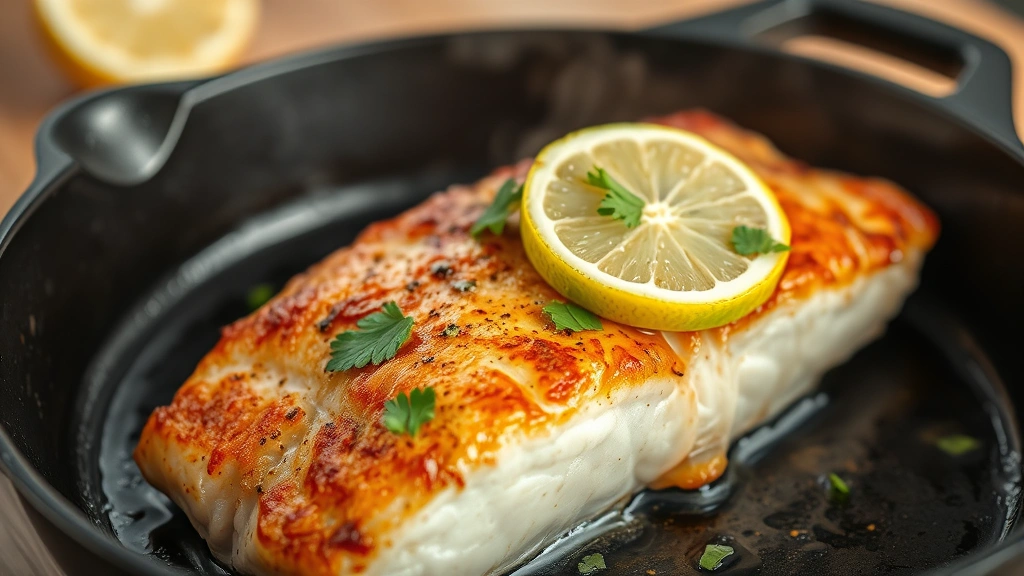
Rockfish Tacos: Chef-Approved Recipe for Restaurant-Quality Meals at Home
Rockfish tacos represent one of the most versatile and impressive dishes you can prepare in your home kitchen. Whether you’re a seasoned cook or just beginning your culinary journey, this chef-approved recipe delivers restaurant-quality results with straightforward techniques and readily available ingredients. Rockfish, a mild white fish with delicate flaking texture, absorbs flavors beautifully while maintaining its structural integrity through cooking—making it ideal for tacos.
What makes rockfish tacos particularly appealing is their adaptability to various flavor profiles and dietary preferences. From crispy beer-battered versions to grilled preparations with citrus marinades, rockfish accommodates both traditional and innovative approaches. This comprehensive guide walks you through every step, from selecting quality fish to assembling your final creation with restaurant-caliber toppings and sauces.
Understanding Rockfish and Its Culinary Applications
Rockfish encompasses over 100 species found primarily along the Pacific and Atlantic coasts. The most commonly available varieties include striped bass, black rockfish, and Pacific rockfish, each offering subtle flavor variations while maintaining that signature mild, slightly sweet profile. Understanding your specific rockfish variety helps you make informed cooking decisions.
The flesh of rockfish is lean, white, and delicate with a fine texture that differs significantly from oily fish like salmon or mackerel. This characteristic makes rockfish an excellent canvas for bold seasonings, bright citrus, and spicy preparations typical of taco cuisine. The fish’s natural moisture content prevents it from drying out during cooking when proper techniques are employed.
Rockfish’s versatility extends beyond tacos, making it suitable for easy dinner recipes for beginners through advanced preparations. Its availability year-round in most coastal regions ensures consistent quality and pricing. When selecting rockfish, look for bright eyes, firm flesh that springs back when pressed, and a clean oceanic aroma without any ammonia scent.
Sustainability considerations matter when purchasing rockfish. Many rockfish populations have experienced overfishing, so sourcing from responsible fisheries or choosing Seafood Watch certified options supports ocean health while ensuring future availability of this excellent cooking fish.
Essential Ingredients and Substitutions
The foundation of exceptional rockfish tacos begins with quality ingredient selection. While the fish itself is the star, complementary components elevate the entire dish from good to unforgettable.
For the Fish:
- 1.5 to 2 pounds fresh rockfish fillets, skin-on or skinless depending on preference
- 2 tablespoons olive oil or vegetable oil for cooking
- 1 teaspoon kosher salt
- ½ teaspoon freshly ground black pepper
- ½ teaspoon smoked paprika
- ¼ teaspoon cayenne pepper
- 1 teaspoon garlic powder
- ½ teaspoon cumin
- Juice of one lime
For Assembly and Toppings:
- 8 to 10 small corn or flour tortillas
- 1 cup shredded purple cabbage
- ½ cup fresh cilantro, chopped
- 1 jalapeño, thinly sliced
- ½ red onion, finely diced
- 2 limes, cut into wedges
- Cotija cheese or queso fresco, crumbled
- Fresh avocado, sliced
Substitution Options:
If rockfish proves unavailable, consider these comparable fish: mahi-mahi offers similar mild flavor with slightly firmer texture; halibut provides delicate sweetness though at higher cost; cod works well though slightly less flavorful; flounder or sole suit thinner fillets requiring shorter cooking times. Each substitution maintains taco integrity while potentially requiring minor cooking time adjustments.
Preparation Techniques for Perfect Results
Proper fish preparation determines cooking success more than any other factor. Begin by patting rockfish fillets completely dry using paper towels. Moisture on the surface inhibits browning and creates steam rather than desirable crust development.
For skin-on fillets, score the skin lightly in a crosshatch pattern using a sharp knife, cutting only through the skin without penetrating the flesh. This prevents curling during cooking and creates textural interest. Some chefs prefer removing skin entirely for taco applications, which is perfectly valid—choose based on personal preference and the cooking method selected.
Season the fish generously on both sides at least 15 minutes before cooking, allowing salt to penetrate the protein structure and enhance flavor throughout. This dry-brining technique, borrowed from professional kitchens, dramatically improves taste and texture. Combine your chosen dry spices in a small bowl before applying to ensure even distribution.
Allow fillets to reach room temperature for 10 minutes before cooking. Cold fish from refrigeration cooks unevenly with a cold center and overcooked exterior. This seemingly minor step significantly impacts final results, particularly for thicker fillets.
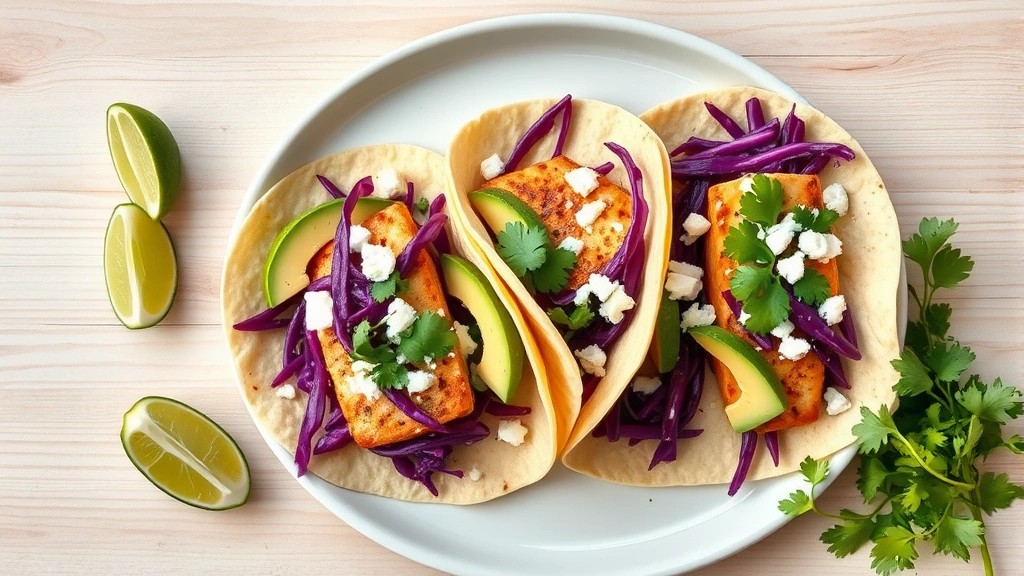
Cooking Methods: Pan-Seared, Grilled, and Fried Options
Pan-Seared Method (Recommended for Beginners):
Heat a large skillet over medium-high heat for 2 minutes. Add oil and swirl to coat evenly, then heat until shimmering but not smoking—approximately 30 seconds more. Gently place fillets skin-side down in the pan, resisting the urge to move them for 4-5 minutes. This undisturbed cooking develops a golden crust while rendering skin fat for textural contrast.
Flip fillets carefully using a thin spatula, cooking the second side for 2-3 minutes until flesh becomes opaque and flakes easily with gentle pressure. Rockfish cooks quickly due to its lean composition—avoid overcooking, which causes dryness. The fish should remain moist and tender internally while developing exterior color.
Grilled Method (For Outdoor Cooking):
Preheat grill to medium-high heat, approximately 400°F. Oil grill grates thoroughly to prevent sticking. Place seasoned fillets skin-side up on grill, cooking 4-5 minutes without moving. Flip carefully and cook 2-3 minutes more until fully cooked through. Grilling imparts subtle smoky flavor and beautiful char marks ideal for taco presentation.
Crispy Pan-Fried Method (For Texture Enthusiasts):
Coat rockfish lightly in cornstarch mixed with your spice blend for extra crispness. Heat oil to 350°F in a skillet, then carefully place fillets skin-side down. Cook 4 minutes until skin achieves deep golden-brown crispness, then flip and cook 2 minutes more. This method delivers exceptional textural contrast—crispy exterior protecting tender, moist interior.
For any cooking method, insert a meat thermometer into the thickest part of the fillet. Rockfish reaches food-safe temperature at 145°F internal heat. Slightly undercooking to 140°F maintains maximum moisture, as residual heat continues cooking during resting.
Building Your Taco Components
Professional taco preparation extends far beyond simply placing fish in tortillas. Each component deserves individual attention and preparation to create balanced, sophisticated flavor profiles.
Tortilla Selection and Preparation:
Corn tortillas offer authentic flavor and structural integrity superior to flour alternatives for rockfish tacos. Warm tortillas directly over a gas flame or in a dry skillet for 20-30 seconds per side, imparting slight char and pliability. This warming technique awakens tortilla flavor and prevents tearing during assembly. If using flour tortillas, steam them wrapped in damp cloth for 5 minutes instead.
Cabbage Slaw with Lime Vinaigrette:
Combine shredded purple cabbage with finely diced red onion, fresh cilantro, jalapeño slices, and a dressing of fresh lime juice, olive oil, salt, and pepper. Massage the slaw gently for one minute to soften cabbage slightly while releasing flavors. This bright, crisp component provides textural contrast and acidic balance to rich fish.
Avocado and Cheese Considerations:
Slice avocados immediately before assembly to prevent browning. Layer thin avocado slices directly into tortillas rather than mixing into slaw. Crumbled cotija cheese adds salty, tangy notes complementing fish without overwhelming delicate flavors. Traditional queso fresco offers similar benefits with slightly milder profile.
Sauce and Topping Strategies
Exceptional sauces elevate rockfish tacos from simple to spectacular. Consider these chef-approved options:
Chipotle Crema:
Blend sour cream or Mexican crema with 1-2 chipotle peppers in adobo, lime juice, garlic, and salt. This creamy, smoky-spicy sauce complements mild rockfish beautifully while adding richness and depth. Prepare ahead for flavor development.
Cilantro-Lime Aioli:
Emulsify mayonnaise with fresh cilantro, lime juice, minced garlic, and a pinch of cumin. This versatile sauce works with nearly any rockfish preparation and adds sophisticated flavor without heaviness.
Pico de Gallo:
Combine diced fresh tomatoes, red onion, jalapeño, cilantro, and lime juice for bright, chunky topping. Prepare 30 minutes before serving to allow flavors to meld. This traditional option adds freshness and authentic character.
Additional Topping Ideas:
- Pickled red onions for tangy crunch
- Mango or pineapple salsa for tropical sweetness
- Crispy fried onions for textural contrast
- Micro cilantro for elegant presentation
- Radish slices for peppery bite
- Corn kernels for sweetness and color
The key to balanced tacos involves layering contrasting textures and flavors—soft and crispy, rich and bright, mild and bold. Avoid over-topping, which compromises structural integrity and creates eating difficulty.
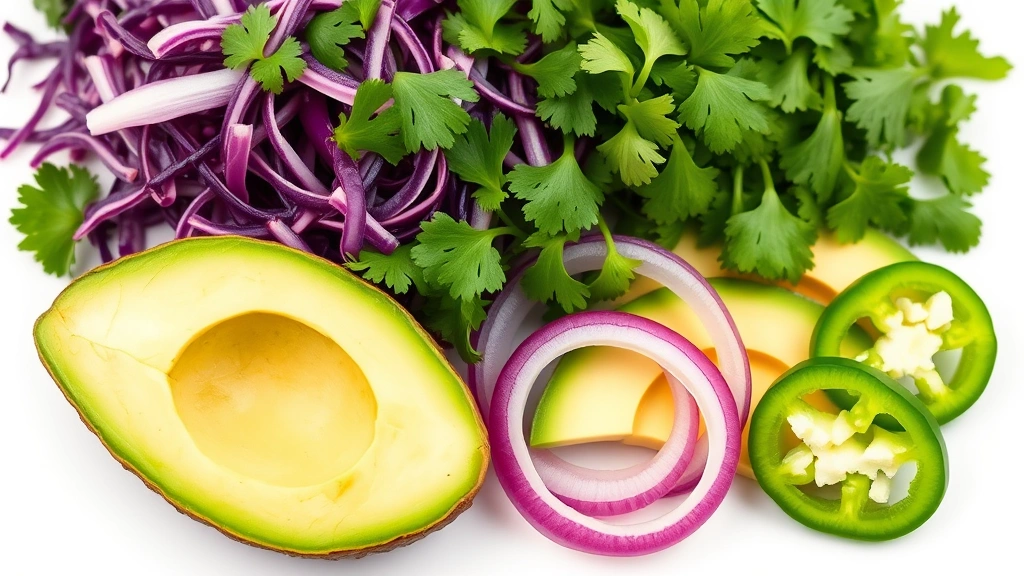
Assembly and Serving Tips
Professional taco assembly follows a logical progression ensuring optimal flavor delivery and structural stability.
Assembly Order:
- Place warm tortilla on clean surface
- Spread thin layer of chosen sauce across tortilla center
- Layer shredded cabbage slaw as base
- Top with 3-4 ounces cooked rockfish, breaking into bite-sized pieces
- Add avocado slices
- Sprinkle cheese crumbles
- Top with fresh cilantro and jalapeño slices
- Fold tortilla in half or create taco shape based on preference
Serving Presentation:
Arrange assembled tacos on warm plates with lime wedges and additional sauce on the side. Consider plating fish components separately, allowing guests to customize their tacos—this approach works beautifully for dinner parties or casual gatherings. Serve immediately while fish remains warm and tortillas maintain pliability.
Pair rockfish tacos with cold Mexican lager, crisp Sauvignon Blanc, or refreshing agua fresca for complete dining experience. These beverages complement the fish’s delicate flavor while cutting through rich sauces and toppings.
For meal planning, consider pairing tacos with summer salad recipes or other fresh sides. Mexican street corn (elote) provides excellent accompaniment, as do simple black beans or cilantro-lime rice. This creates memorable meals suitable for weeknight dinners or weekend entertaining.
Rockfish tacos align with health-conscious cooking—the lean fish provides excellent protein with minimal fat, while fresh vegetable toppings add nutrients and fiber. This makes the dish suitable for various dietary approaches while maintaining exceptional flavor. For those seeking healthy dessert recipes to follow this meal, consider citrus-based or fruit-forward options that echo the tacos’ bright flavors.
FAQ
Can I prepare rockfish tacos in advance?
Prepare components separately up to 4 hours ahead—cook fish, make sauces, slice vegetables. Assemble tacos immediately before serving to maintain tortilla texture and prevent sogginess. Pre-cooked fish keeps refrigerated for 2 days maximum.
What’s the best way to store leftover cooked rockfish?
Transfer cooled fish to airtight container and refrigerate up to 2 days. Reheat gently in 300°F oven for 5-7 minutes until warmed through. Avoid microwave, which dries fish excessively. Use leftovers in grain bowls, salads, or sandwiches rather than re-forming tacos.
How do I know when rockfish is cooked perfectly?
Insert meat thermometer into thickest part—145°F indicates food safety completion. Visually, flesh should appear opaque throughout with no translucent areas. The fish should flake easily with gentle fork pressure. When in doubt, slightly undercook—residual heat continues cooking during resting.
Are frozen rockfish fillets acceptable for this recipe?
Yes, frozen rockfish works well when thawed properly. Thaw in refrigerator overnight or use cold water thawing (30 minutes in sealed bag). Avoid room-temperature thawing, which promotes bacterial growth. Thawed fish cooks identically to fresh with virtually no quality difference.
What wine pairs best with rockfish tacos?
Crisp white wines like Sauvignon Blanc, Pinot Grigio, or Albariño complement delicate rockfish beautifully. Avoid heavy oaked wines that overpower subtle fish flavors. Light Mexican lagers, ceviche-style beverages, or agua fresca also pair excellently.
Can I make this recipe gluten-free?
Absolutely. Use corn tortillas (naturally gluten-free) and ensure all seasonings and sauces contain no gluten additives. Verify store-bought components like Worcestershire sauce or soy-based seasonings. Most taco components are inherently gluten-free.
How many tacos should I prepare per person?
Plan 2-3 tacos per person for main course serving, depending on appetite and accompanying sides. For appetizers or casual gatherings, 1-2 tacos per person suffices. This recipe makes approximately 8-10 tacos from 1.5-2 pounds fish.


