
Classic Salmon Croquettes: Grandma’s Recipe
There’s something magical about the recipes our grandmothers passed down through generations. Salmon croquettes represent a timeless classic that transforms simple ingredients into golden, crispy delights. Whether you’re seeking to recreate cherished childhood memories or discover an elegant appetizer for your next gathering, this traditional salmon croquette recipe delivers authentic flavor with surprising ease.
Grandma’s salmon croquettes have graced family tables for decades, offering a perfect balance of tender salmon, creamy binding, and a satisfying crunch. These versatile patties work equally well as a main course alongside fresh vegetables, a sophisticated appetizer for dinner parties, or even a creative sandwich filling. The beauty of this classic recipe lies in its simplicity—quality ingredients and proper technique create extraordinary results every time.
What Are Salmon Croquettes?
Salmon croquettes are breaded, fried or baked patties made primarily from cooked salmon combined with binding ingredients and seasonings. The term “croquette” comes from the French word “croquer,” meaning to crunch, which perfectly describes the satisfying texture contrast between the crispy exterior and creamy interior. These delightful bites have roots in classical French cuisine but have been embraced and adapted by home cooks worldwide.
The traditional preparation involves flaking cooked salmon, mixing it with mashed potatoes or breadcrumbs, eggs, and seasonings, then shaping the mixture into oval or round patties. After coating with breadcrumbs, they’re either pan-fried until golden brown or baked for a lighter version. What makes grandma’s recipe special is often the addition of subtle flavor enhancers like fresh dill, lemon zest, or a touch of mustard that elevate the dish beyond ordinary.
These croquettes belong to the broader category of best healthy food recipes because salmon provides exceptional nutritional benefits. They’re excellent sources of omega-3 fatty acids, high-quality protein, and essential vitamins. Unlike many fried foods, salmon croquettes can be prepared with health-conscious modifications without sacrificing taste or texture.
Essential Ingredients Guide
Creating authentic salmon croquettes requires understanding each ingredient’s role in the final product. Here’s what you’ll need:
- Canned or Fresh Salmon: Two 14.75-ounce cans of salmon (drained and flaked) or 2 cups of cooked fresh salmon. Canned salmon is economical and convenient, while fresh provides superior texture. Remove any small bones if using fresh salmon, though canned salmon bones are soft and edible, adding calcium.
- Mashed Potatoes: One cup of prepared mashed potatoes serves as the binding agent. Use russet potatoes for their starchy content, which helps hold the mixture together. Instant mashed potatoes work in a pinch but fresh-cooked potatoes deliver better flavor and texture.
- Eggs: Two large eggs act as a binder, helping all ingredients adhere together. They also provide structure during cooking. Some recipes use egg whites only for a lighter version.
- Breadcrumbs: Half cup of panko or traditional breadcrumbs for mixing into the croquette mixture, plus additional for coating. Panko creates a crunchier exterior due to its larger flake size.
- Fresh Herbs: Fresh dill (2 tablespoons), parsley (2 tablespoons), and chives (1 tablespoon) add brightness and authentic flavor. Dried herbs can substitute at one-third the quantity.
- Seasonings: Salt, black pepper, and a quarter teaspoon of cayenne pepper for subtle heat. Some versions include Dijon mustard (1 tablespoon) for depth.
- Aromatics: Half a small onion, finely minced, adds sweetness and complexity. Some cooks include minced garlic (1 clove) for additional flavor.
- Lemon: Zest and juice from half a lemon brightens the salmon and masks any fishiness. Lemon is essential to proper flavor balance.
- Oil for Frying: Vegetable or canola oil for pan-frying, or cooking spray for baking. Choose neutral oils with high smoke points.
Understanding ingredient quality matters significantly. Fresh salmon, when available, provides superior flavor compared to canned varieties, though canned salmon offers convenience and consistent results. The type of potato you choose affects texture—waxy potatoes create denser croquettes, while starchy varieties yield fluffier results.
Step-by-Step Instructions
Preparation Phase:
- Drain the canned salmon thoroughly, pressing gently to remove excess liquid. If using fresh salmon, cook until flaky (approximately 12-15 minutes at 400°F), cool slightly, and flake into bite-sized pieces.
- Prepare mashed potatoes if starting from scratch. Peel and cube 2 medium russet potatoes, boil until tender (about 15 minutes), then mash with a fork or ricer. Avoid over-mixing, which can make potatoes gluey.
- Finely mince the onion and fresh herbs. Zest the lemon before juicing it. Measure all ingredients before combining to ensure smooth preparation.
Mixing Phase:
- In a large mixing bowl, combine flaked salmon and mashed potatoes using a fork. Gently fold rather than stir to maintain salmon’s flaky texture.
- Add the beaten eggs, half cup breadcrumbs, minced onion, fresh herbs, lemon zest, lemon juice, salt, pepper, and cayenne pepper. Mix gently until just combined—overmixing develops gluten in the breadcrumbs, creating tough croquettes.
- Taste the mixture and adjust seasonings. The mixture should taste slightly overseasoned since the potato base is mild.
- Refrigerate the mixture for at least 30 minutes. Chilled mixture is much easier to shape and holds together better during cooking.
Shaping Phase:
- Divide the chilled mixture into 12 equal portions using a quarter-cup measure or ice cream scoop. This ensures uniform cooking.
- Using slightly damp hands, gently shape each portion into an oval or round patty about three-quarters inch thick. Damp hands prevent sticking while maintaining texture.
- Set shaped croquettes on a parchment-lined baking sheet and refrigerate for another 15 minutes if time permits. This additional chilling helps them hold their shape during cooking.
Breading Phase:
- Set up a breading station with three shallow dishes: one with beaten egg (2 eggs beaten with 2 tablespoons water), one with panko breadcrumbs, and one empty for finished croquettes.
- Working with one croquette at a time, dip into egg mixture, allowing excess to drip off, then roll in breadcrumbs, pressing gently so coating adheres. Ensure complete coverage for even browning.
- Place breaded croquettes on a clean parchment-lined baking sheet. They can be frozen at this stage for up to two weeks.

Preparation Tips for Success
Mastering salmon croquettes requires attention to several critical details. First, salmon’s moisture content varies significantly depending on whether you use canned or fresh varieties. Canned salmon tends to release more liquid, so drain it thoroughly and consider pressing it between paper towels. Fresh salmon, conversely, may be drier, requiring slightly more egg or a touch of mayonnaise (1 tablespoon) for binding.
Temperature control throughout preparation ensures optimal results. All ingredients should be at room temperature or slightly cool before mixing—cold potatoes and salmon don’t combine smoothly. However, the final mixture benefits from chilling, which allows flavors to meld and makes shaping significantly easier.
Texture consistency matters tremendously. The mixture should hold together when squeezed but remain light and fluffy. If it’s too wet, add more breadcrumbs one tablespoon at a time. If too dry, add beaten egg one tablespoon at a time. The ideal consistency resembles thick mashed potatoes with visible salmon flakes.
For those following how to preserve herbs, fresh herbs make an enormous difference in flavor. If fresh dill isn’t available, fresh tarragon or chervil work beautifully. In winter months, quality frozen herbs (thawed and well-drained) are preferable to dried varieties.
Consider the binding power of your potatoes. Russet potatoes contain more starch and provide better binding than red or fingerling varieties. If using waxy potatoes, increase the egg by one additional tablespoon to ensure proper cohesion.
Cooking Methods Explained
Pan-Frying Method (Traditional):
Heat half an inch of oil in a large skillet over medium-high heat until it reaches 350°F (use a thermometer for accuracy). Working in batches to avoid crowding, carefully place croquettes in hot oil. Fry for 3-4 minutes per side until golden brown and crispy. The oil should sizzle vigorously upon contact—if it doesn’t, the temperature is too low and croquettes will absorb excess oil.
Transfer finished croquettes to a paper towel-lined plate to drain excess oil. Keep finished batches warm in a 200°F oven while completing remaining croquettes. This method produces the most authentic, crispy exterior but uses more oil.
Baking Method (Lighter Alternative):
Preheat oven to 400°F and line a baking sheet with parchment paper. Lightly spray breaded croquettes with cooking oil on all sides. Arrange on the prepared baking sheet in a single layer without touching. Bake for 15-18 minutes, flipping halfway through, until golden brown and heated through. While this method produces less crispy results than frying, it significantly reduces fat content and is more convenient for larger quantities.
Air Fryer Method (Modern Option):
Preheat air fryer to 375°F. Spray croquettes lightly with cooking oil and arrange in a single layer in the basket. Cook for 10-12 minutes, shaking the basket halfway through, until golden and crispy. This method rivals pan-frying for texture while using minimal oil.
Regardless of cooking method, salmon croquettes are done when they reach an internal temperature of 165°F and the exterior is golden brown. Cooking time varies based on croquette size and thickness, so check for doneness rather than relying solely on time.
Serving Suggestions
Salmon croquettes shine when paired with complementary flavors and textures. Serve as a main course alongside a fresh Mediterranean salad recipe and roasted vegetables for a complete meal. The bright acidity of the salad balances the richness of the croquettes beautifully.
Create elegant appetizers by serving mini croquettes (about 1.5 inches) with aioli, lemon butter sauce, or a dill-yogurt dipping sauce. These sauces complement salmon’s delicate flavor without overwhelming it.
For casual dining, serve croquettes on toasted brioche buns with lettuce, tomato, and tartar sauce for gourmet sandwiches. The crispy exterior provides satisfying textural contrast to soft bread.
Pair with easy homemade bread recipes for elevated presentation. Crusty sourdough or herb-infused focaccia provide excellent supporting players to these star croquettes.
Consider serving with:
- Lemon aioli (mayonnaise mixed with minced garlic and lemon juice)
- Dill-yogurt sauce (Greek yogurt, fresh dill, lemon juice, and salt)
- Classic tartar sauce with capers and pickles
- Spicy remoulade for those preferring heat
- Simple melted butter with fresh parsley
- Cucumber cream sauce for elegant presentations
Incorporate croquettes into healthy chicken recipes inspired menus by serving them alongside whole grains and abundant vegetables, creating nutritionally balanced meals that don’t feel diet-conscious.
Storage and Make-Ahead Options
Refrigerator Storage:
Cooked croquettes keep well in airtight containers for up to three days. Reheat in a 350°F oven for 8-10 minutes until warmed through and the exterior re-crisps. Avoid microwaving, which softens the breading.
Freezer Storage:
Uncooked breaded croquettes freeze beautifully for up to two months. Freeze on a baking sheet until solid, then transfer to freezer bags. Cook directly from frozen, adding 2-3 minutes to cooking time. Alternatively, cook croquettes completely, cool thoroughly, then freeze for up to one month. Reheat from frozen at 375°F for 12-15 minutes.
Make-Ahead Strategy:
Prepare the salmon mixture up to two days ahead, storing it in an airtight container. Shape and bread croquettes the morning of serving, refrigerating until cooking time. This approach delivers fresh-cooked results with minimal last-minute effort.
For entertaining, prepare uncooked croquettes the day before and refrigerate overnight. Cook just before serving for maximum crispiness. The extended refrigeration actually improves texture by allowing ingredients to meld further.
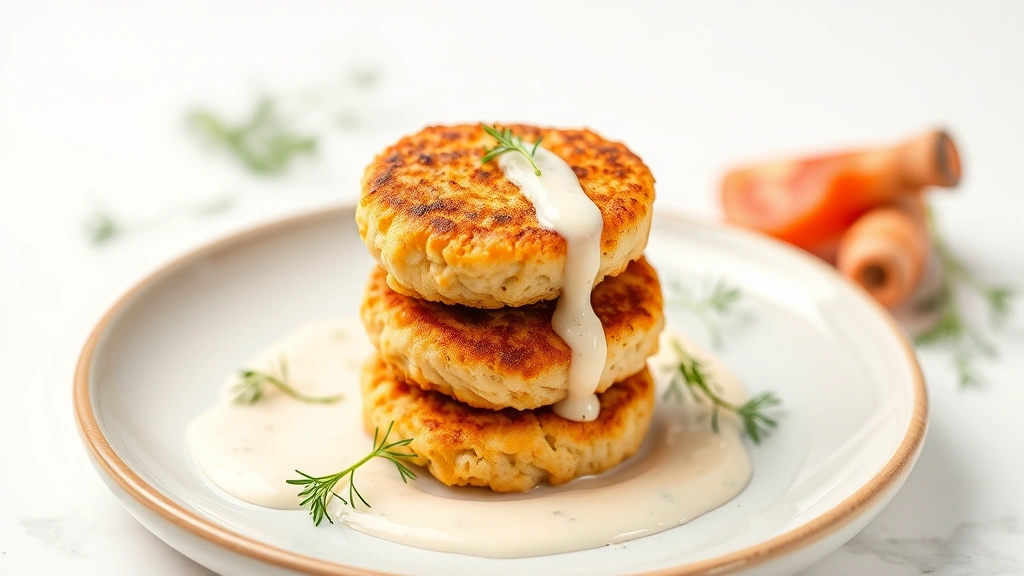
Salmon croquettes exemplify how traditional recipes transcend time by delivering consistent satisfaction across generations. Grandma’s version, whether she made them for weeknight dinners or special occasions, showcased her understanding of flavor balance and cooking technique. By following these detailed instructions and understanding the why behind each step, you’ll create croquettes that honor that culinary legacy while making them your own.
The versatility of this classic recipe allows endless customization. Some cooks add diced bell peppers, others incorporate cheese, and adventurous versions include Asian-inspired seasonings. Once you master the foundational technique, experimentation becomes natural and rewarding.
For additional nutritional insights, explore foods rich in antioxidants, as salmon provides significant antioxidant benefits that support overall health. These croquettes represent food that nourishes both body and soul, connecting us to cherished memories while creating new ones.
FAQ
Can I use fresh salmon instead of canned?
Absolutely. Use 2 cups of cooked, flaked fresh salmon. The flavor is slightly more delicate, and you have control over the salmon’s preparation. Bake fresh salmon at 400°F for 12-15 minutes until flaky, cool, then flake into the mixture.
What if my croquettes fall apart during cooking?
This typically indicates insufficient binding. Ensure you’ve used the correct amount of egg and breadcrumbs. The mixture should hold together when squeezed. If preparing fresh batches, add one additional beaten egg to the mixture. Also verify that you’ve refrigerated the shaped croquettes for at least 15 minutes before cooking.
Can I make these dairy-free?
Yes. Ensure your mashed potatoes contain no butter or milk by preparing them with just potatoes and salt. All other ingredients in the basic recipe are naturally dairy-free. Use additional oil for binding if needed.
How do I prevent the breading from falling off?
Proper breading technique is crucial. Ensure croquettes are well-chilled before breading, dip thoroughly in egg mixture, and press breadcrumbs firmly onto the surface. Double-breading (coating twice with egg and breadcrumbs) provides extra insurance for croquettes that will be frozen or cooked later.
What’s the best dipping sauce for salmon croquettes?
Dill-yogurt sauce is traditional and complements salmon beautifully. Mix Greek yogurt with fresh dill, lemon juice, minced garlic, and salt. Lemon aioli provides richness, while tartar sauce offers classic appeal. For something lighter, simple melted butter with fresh parsley works wonderfully.
Can I bake these instead of frying?
Yes. Baking is a lighter alternative that works well. Spray breaded croquettes with cooking oil and bake at 400°F for 15-18 minutes, flipping halfway through. The exterior won’t be quite as crispy as pan-fried versions, but the texture remains satisfying.
How do I know when salmon croquettes are done?
They’re done when the exterior is golden brown and an instant-read thermometer inserted into the center reads 165°F. The breading should feel crispy when pressed gently, and there should be no cold spots in the interior.
Can I make mini croquettes for appetizers?
Certainly. Shape the mixture into 1.5-inch balls and reduce cooking time by about one minute per side when pan-frying or about 3-4 minutes when baking. Mini croquettes are perfect for parties and easier to serve as finger foods.


