Authentic Salsa Macha: Mexican Abuela’s Recipe
Salsa macha is one of Mexico’s best-kept culinary secrets—a fiery, aromatic condiment that transforms simple dishes into extraordinary meals. Unlike the fresh salsas found at every taco stand, salsa macha is a cooked oil-based sauce infused with dried chilies, garlic, and crispy aromatics. This recipe comes from generations of Mexican cooking wisdom, passed down through family kitchens where every batch was made with intention and respect for authentic flavors.
If you’ve never encountered salsa macha, prepare for a revelation. The first spoonful delivers waves of heat, followed by deep, complex chile flavors and the nutty richness of toasted garlic and onions. It’s the kind of condiment that makes people pause mid-bite and ask, “What is that incredible flavor?” Whether drizzled over eggs, stirred into soups, or used as a dipping sauce for fresh tortillas, salsa macha elevates every dish it touches.
What Is Salsa Macha?
Salsa macha originates from Veracruz, a coastal state in Mexico known for bold, complex flavors. The name “macha” refers to the intense, fiery nature of the sauce—it’s Spanish slang meaning tough or fierce. Unlike vinegar-based condiments, salsa macha relies on infused oil as its base, creating a luxurious texture that clings to food rather than running off the plate.
The beauty of salsa macha lies in its versatility and the way it bridges traditional Mexican cooking with modern culinary applications. Mexican abuelas have made versions of this sauce for decades, each family guarding their own proportions and chile selections like treasured heirlooms. The sauce combines dried chilies—typically guajillo, ancho, or árbol—with garlic, onions, and sometimes nuts or seeds, all slowly toasted in oil until the aromatics turn golden and fragrant.
What makes authentic salsa macha different from commercial versions is the slow infusion process. Rather than simply mixing ingredients, you’re creating a deeply flavored oil where every component contributes its essence. The result is a sauce that’s simultaneously spicy, savory, slightly sweet, and utterly addictive.
Ingredients You’ll Need
The ingredient list for authentic salsa macha is deliberately simple, allowing each component to shine. Here’s what you’ll gather:
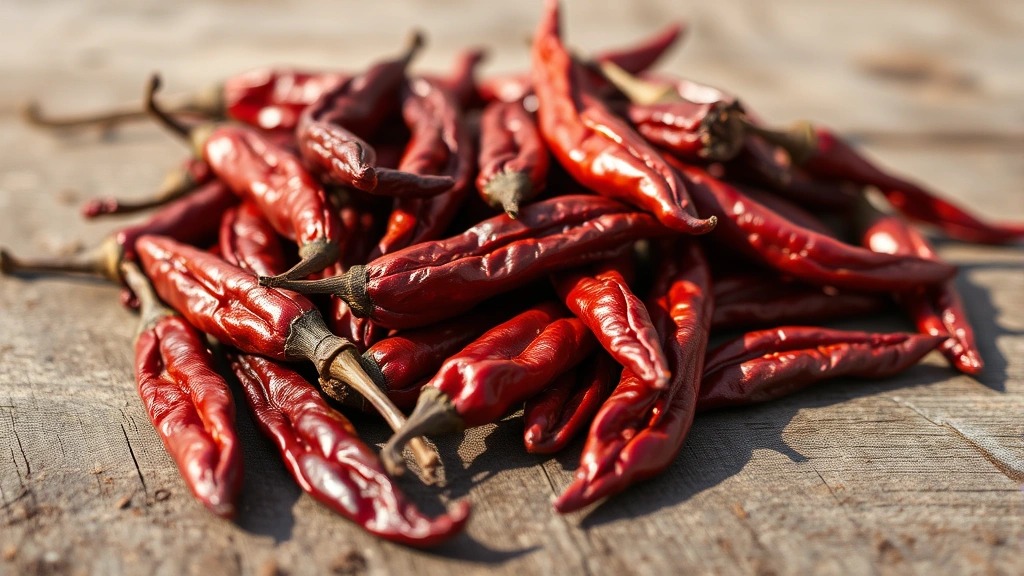
- Dried chilies: 6-8 guajillo or ancho chilies (or a combination). These provide the foundation flavor—earthy, slightly sweet, with moderate heat.
- Vegetable or neutral oil: 1 cup (240ml). This becomes the delivery system for all the flavors. Avoid extra virgin olive oil, which can overpower the delicate chile notes.
- Garlic cloves: 8-10 whole cloves, peeled. These transform from pungent to sweet and nutty as they toast.
- White onion: ½ medium onion, cut into thick slices. The onion adds body and sweetness to the infusion.
- Sea salt: 1 teaspoon, adjusted to taste. This enhances all the other flavors without competing with them.
- Optional additions: Sesame seeds (1-2 tablespoons), peanuts (¼ cup), or pine nuts for texture and depth.
The quality of your dried chilies matters tremendously. Purchase them from specialty spice retailers or Mexican markets where they’re fresher and more aromatic. Avoid pre-ground chili powder, which lacks the complexity you need. When you open a package of quality dried chilies, you should smell deep, fruity, slightly smoky notes—that’s how you know they’re good.
Step-by-Step Instructions
Preparation (5 minutes): Start by cleaning your dried chilies. Remove the stems and shake out most of the seeds (keep a few for heat). Rinse them under cool water to remove any dust, then pat dry with paper towels. This step is crucial—it removes debris while preserving the chile’s natural oils.
Cut your onion into 4-5 thick slices, keeping the natural layers intact. This shape allows the onion to infuse the oil efficiently without breaking apart. Peel your garlic cloves and leave them whole—they’ll cook more evenly this way.
Toasting the Chilies (3-4 minutes): Heat a large, heavy-bottomed skillet or Dutch oven over medium heat. Once hot, place your cleaned chilies directly on the dry pan. Toast them for about 30-45 seconds per side, pressing gently with a spatula. You’ll know they’re ready when they become fragrant and slightly darker—don’t let them burn, or the sauce will taste bitter.
Transfer the toasted chilies to a bowl and set aside. This toasting step is non-negotiable in authentic salsa macha recipes. It awakens the chilies’ dormant flavors and adds a subtle smokiness that fresh or untoasted chilies simply cannot provide.
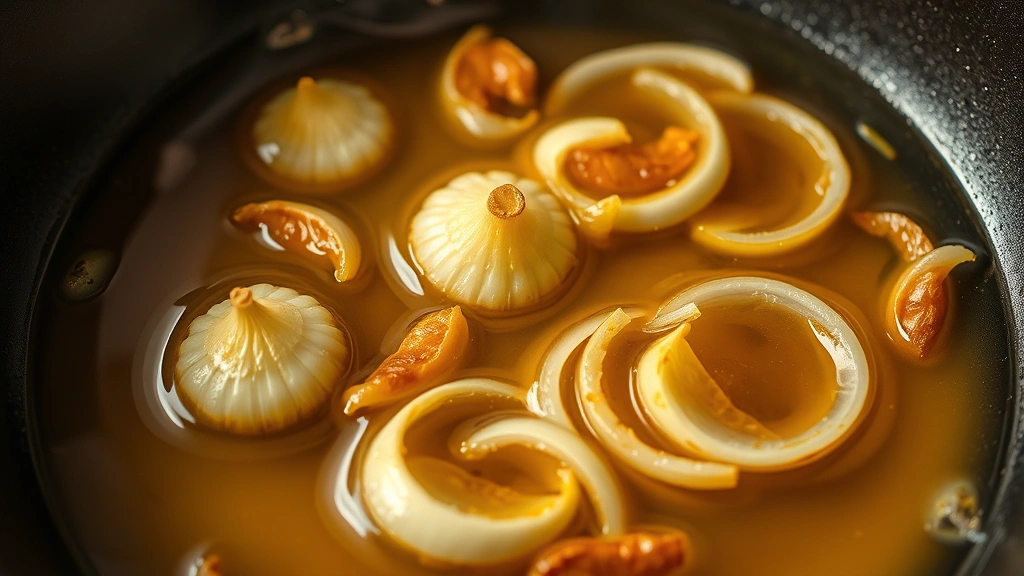
Infusing the Oil (12-15 minutes): Return your skillet to medium-low heat and add your neutral oil. Once the oil is warm (not smoking), add the garlic cloves. This is where patience becomes your greatest ingredient. Let the garlic cook slowly, stirring occasionally, until it turns pale golden—about 4-5 minutes. You’re looking for a gentle, even color, not dark brown spots.
Add the onion slices next. Stir gently and continue cooking for another 3-4 minutes until the onion becomes translucent and soft. The oil should be fragrant with garlic and onion—this is your sign that the infusion is working. If you’re using optional nuts or seeds, add them now and toast for 1-2 minutes, stirring constantly.
Now add your toasted chilies to the hot oil. Stir well and cook for 2-3 minutes, allowing the chilies to infuse their deep flavors into the oil. The kitchen should smell absolutely incredible at this point—warm, spicy, and inviting.
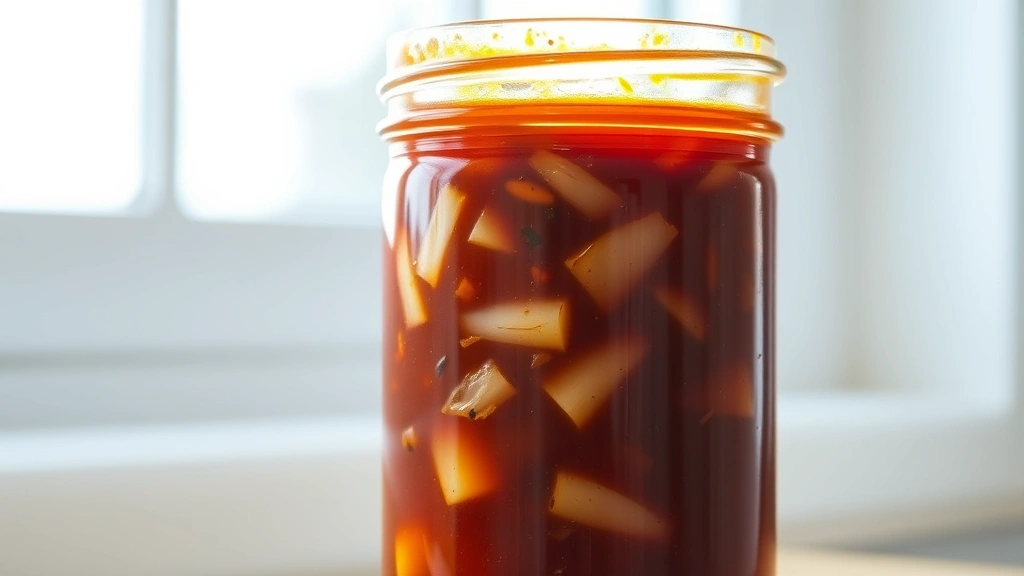
Finishing Touches (2-3 minutes): Remove the skillet from heat and stir in your salt. Let the mixture cool slightly, then carefully pour the entire contents (oil and solids) into a clean glass jar. Some cooks prefer to strain out the solids, but authentic versions keep everything suspended in the oil for maximum flavor and texture.
Allow the salsa macha to cool completely before sealing. As it cools, the oil will continue to extract flavors from the chilies and aromatics, deepening the overall taste profile. This cooling period is when the magic truly happens.
Storage and Shelf Life
Properly made salsa macha keeps beautifully in the refrigerator for 3-4 weeks, though it rarely lasts that long. Store it in an airtight glass jar—never plastic, which can absorb oils and flavors. The oil may solidify slightly when cold; this is completely normal and doesn’t affect quality. Simply let it sit at room temperature for a few minutes before using, or warm the jar in hot water.
For longer storage, you can keep salsa macha in the freezer for up to 3 months. Freeze it in small glass jars or ice cube trays for easy portioning. When you need it, thaw at room temperature and give it a good stir before serving. Many Mexican home cooks make large batches during the chile season and freeze portions to enjoy year-round.
Never store salsa macha in the pantry at room temperature. The combination of oil and moisture from the cooked ingredients creates an environment where botulism could theoretically develop. Always refrigerate or freeze this condiment.
Serving Suggestions
Authentic salsa macha deserves to be showcased, not hidden away. Here are the traditional Mexican ways to serve it:
- With eggs: A spoonful of salsa macha transforms scrambled eggs, fried eggs, or chilaquiles into breakfast magic. The heat complements the richness of the yolks perfectly.
- On soups: Drizzle over tortilla soup, black bean soup, or consomé. The oil floats beautifully on top while the chiles sink to the bottom, creating visual appeal and layered flavors.
- With fresh tortillas: Serve alongside warm corn tortillas and let guests add their own amount. This is how it’s traditionally enjoyed in Veracruz.
- On grilled proteins: A spoonful over grilled fish, chicken, or carne asada brings restaurant-quality depth to simple grilled dishes.
- With fresh cheese: Serve alongside queso fresco or panela cheese with warm tortillas for an authentic appetizer.
- As a dipping sauce: Pair with glazed vegetables or crusty bread for an unexpected appetizer.
- In modern applications: Top avocado toast, pizza, roasted vegetables, or pasta for a Mexican-inspired twist on international dishes.
Recipe Variations
Smoky Salsa Macha: Add 1-2 chipotles in adobo sauce (finely chopped) to the oil after removing from heat. This creates a deeper, smokier version perfect for grilled meats and hearty dishes.
Nutty Version: Toast ¼ cup raw peanuts or sesame seeds separately, then add them to the oil during the final minute of cooking. This adds textural contrast and additional depth—some regional versions include both nuts and seeds.
Garlic-Forward Macha: Increase garlic to 12-15 cloves for a version that emphasizes garlic’s sweet, caramelized notes. This variation works beautifully with seafood and delicate white fish.
Herb-Infused Version: Add 2-3 fresh epazote leaves or Mexican oregano to the oil during infusion. This brings herbal notes that complement lighter dishes and fresh vegetables.
Spicy Adaptation: Include 2-3 dried árbol chilies (much hotter than guajillos) mixed with your milder chilies for increased heat without losing complexity. Compare this approach to how Asian condiments balance heat and flavor.
Each variation still maintains the essential character of salsa macha while allowing you to customize it for specific dishes or personal heat preferences. Mexican cooking is fundamentally about adaptation and family tradition—your version should reflect your taste and your abuela’s preferences.
FAQ
Can I make salsa macha without dried chilies?
Technically, you could substitute fresh chilies, but it won’t be authentic salsa macha. The magic comes from dried chilies’ concentrated, complex flavors. Fresh chilies produce a different sauce entirely—more like a chile oil than traditional macha. For authentic results, invest in quality dried chilies from a Mexican market or specialty retailer.
Why does my salsa macha taste bitter?
Bitterness usually indicates over-toasted chilies or garlic. Toast your chilies for only 30-45 seconds per side—any longer and they’ll develop harsh, burnt flavors. Similarly, watch your garlic carefully; it should turn pale golden, never dark brown. If your batch tastes bitter, strain it and use the oil in soups or for cooking; don’t serve it as a condiment.
Is salsa macha the same as chile oil?
Not quite. While both are oil-based, chile oil typically emphasizes the oil itself with minimal solids, while salsa macha is intentionally loaded with toasted garlic, onions, and sometimes nuts or seeds. Salsa macha is thicker, more textured, and more complex. Think of salsa macha as a complete condiment; chile oil as a flavoring oil.
How spicy is salsa macha?
Authentic salsa macha has moderate heat—usually around 5-7 on a 10-point scale. The spice builds gradually rather than hitting you immediately. If you’re heat-sensitive, use mostly ancho or guajillo chilies and remove more seeds. For a spicier version, add árbol chilies or habaneros.
Can I use store-bought chili powder instead of dried whole chilies?
This won’t produce authentic salsa macha. Ground chili powder is pre-processed, oxidized, and lacks the fresh, fruity notes of whole dried chilies. The toasting process is crucial—you’re rehydrating and awakening the chilies’ flavors. Use whole dried chilies for genuine results, or consider making a different condiment if whole chilies aren’t available.
What’s the best oil for salsa macha?
Neutral oils like vegetable, canola, or light olive oil work best. Extra virgin olive oil’s strong flavor competes with the delicate chile notes. Avocado oil is acceptable but tends to be expensive for this use. Some traditional cooks use lard for richness, though neutral vegetable oil is most common in modern kitchens.
How do I know when my salsa macha is done?
Your salsa macha is finished when the oil is fragrant, the garlic is pale golden, the onions are translucent, and the dried chilies have infused their color into the oil (it should look reddish-brown). The entire process takes about 15-20 minutes. Don’t rush it—this is slow cooking at its finest.
Can I make salsa macha in a slow cooker or instant pot?
While possible, these methods don’t produce authentic results. The direct heat and controlled toasting process are essential to developing proper flavor. Slow cookers don’t reach high enough temperatures to toast the chilies, and pressure cookers can’t replicate the gentle infusion. Stick with a traditional skillet for best results.
What dishes pair best with salsa macha?
Traditionally, salsa macha accompanies simple Mexican dishes that let it shine: eggs, soups, fresh tortillas, grilled fish, and fresh cheese. Modernly, it works on rich, savory dishes needing brightness, roasted vegetables, avocado toast, and even pizza. The key is letting salsa macha be a supporting player that elevates rather than overwhelms.
Is homemade salsa macha better than store-bought?
Absolutely. Commercial versions often use inferior chilies, excessive salt, and preservatives. Homemade salsa macha tastes fresher, more complex, and more authentic. Plus, you control the heat level, ingredients, and overall flavor profile. Once you’ve made it at home, you’ll understand why Mexican families guard their recipes so carefully.


