
Easy Schedule 1 Meal? Quick & Legal Recipe!
Planning meals around a structured schedule doesn’t have to be complicated or time-consuming. Whether you’re managing a busy lifestyle, coordinating family dinners, or simply want to streamline your cooking routine, Schedule 1 meals offer a practical framework for preparing delicious food efficiently. These are straightforward, quick recipes that fit seamlessly into a regimented eating plan without sacrificing flavor or nutrition.
In this comprehensive guide, we’ll explore everything you need to know about preparing Schedule 1 meals legally and easily. From understanding what makes a recipe Schedule 1-friendly to mastering quick cooking techniques, you’ll discover how to create satisfying dishes that work perfectly with your structured meal timing. Let’s dive into practical strategies, proven recipes, and expert tips that will transform your meal planning experience.

What Are Schedule 1 Meals?
Schedule 1 meals represent a category of recipes designed for individuals who follow structured eating patterns. These meals are characterized by their simplicity, quick preparation time, and ability to align with specific timing requirements. The beauty of Schedule 1 cooking lies in its flexibility—you can adapt virtually any recipe to fit this framework by focusing on speed, efficiency, and straightforward ingredients.
The core principle behind Schedule 1 meals is accessibility and ease. These aren’t complex culinary creations requiring specialized training or exotic ingredients. Instead, they emphasize using common pantry staples, minimal prep work, and cooking methods that deliver results in under thirty minutes. This approach makes meal planning stress-free while ensuring you always have nutritious options available.
Legal Schedule 1 recipes comply with standard food safety guidelines and nutritional standards. They avoid potentially problematic ingredients and focus on whole foods that support consistent, healthy eating patterns. Whether you’re preparing meals for yourself or your family, understanding these fundamentals helps you create a sustainable cooking routine.
Planning Principles for Schedule 1 Recipes
Successful Schedule 1 meal planning starts with understanding your timing constraints. Identify your meal windows—when you need breakfast, lunch, dinner, and snacks to be ready. This clarity allows you to select recipes that fit naturally into your schedule without requiring last-minute scrambling.
Ingredient consistency is another crucial planning principle. By choosing recipes that share common ingredients, you reduce shopping complexity and waste. For example, if multiple recipes use chicken breast, olive oil, and seasonal vegetables, you can buy in bulk and use these components across several meals.
Consider incorporating easy Instant Pot recipes into your Schedule 1 rotation. Pressure cooking dramatically reduces preparation time while maintaining nutritional value and flavor. These appliances are perfect for busy schedules because they handle the cooking while you attend to other tasks.
Temperature control and proper storage matter significantly. Plan recipes that can be prepared in advance and safely stored, or those that come together quickly during your meal window. Understanding food safety temperatures and storage times ensures your meals remain safe and delicious throughout your scheduled eating period.
Quick Cooking Techniques That Work
Mastering efficient cooking methods transforms your ability to deliver Schedule 1 meals consistently. High-heat sautéing is perhaps the quickest technique for proteins and vegetables. By using a properly heated pan with adequate oil or fat, you can achieve beautiful caramelization and full flavor development in minutes rather than hours.
Steaming and blanching are underrated speed techniques that preserve nutrients while cooking rapidly. These methods work exceptionally well for vegetables that need to be tender but retain their texture and color. A simple bamboo steamer or microwave steaming bag can have vegetables ready in five to eight minutes.
Roasting at high temperatures accelerates cooking compared to low-and-slow methods. By setting your oven to 425-450°F, you can roast chicken pieces, vegetables, and even fish in 15-20 minutes. This hands-off method frees you to prepare accompanying dishes while everything cooks.
No-cook assembly meals deserve special attention for Schedule 1 planning. By preparing components ahead—cooked grains, proteins, and fresh vegetables—you can assemble complete meals in minutes. Think grain bowls, salad platforms, and sandwich combinations that come together faster than any cooking method.
Batch cooking and component preparation are game-changers for scheduled eating. Cook proteins in large quantities, prepare grain bases, and chop vegetables during your meal prep sessions. During your actual meal windows, you simply combine these pre-prepared elements with fresh seasonings and sauce components.
Fast & Filling Breakfast Options
Starting your day with a quick, nutritious breakfast sets the tone for successful Schedule 1 eating. Egg-based breakfasts are nutritionally dense and prepared in minutes. Scrambled eggs, omelets, and frittatas provide protein and healthy fats that sustain energy throughout your morning. Pair them with whole grain toast and fresh fruit for a complete meal ready in ten minutes.
Overnight oats represent the ultimate Schedule 1 breakfast strategy. Prepare jars the evening before by combining oats, milk, yogurt, and your choice of toppings. By morning, everything is ready to eat straight from the refrigerator or after a brief microwave warming. No cooking required—just grab and go.
Smoothie bowls offer customizable nutrition and visual appeal. Blend frozen fruits, yogurt, and milk into a thick base, then top with granola, nuts, and fresh fruit. These bowls take five minutes to prepare and provide sustained energy through complex carbohydrates and protein.
Greek yogurt parfaits layer yogurt with granola, fresh berries, and honey for a breakfast that feels indulgent while delivering serious nutritional value. Prepare multiple portions in advance and grab them as needed during your breakfast window.
Breakfast burritos prepared in advance solve the problem of quick, portable breakfast. Wrap scrambled eggs, cheese, and vegetables in tortillas, then refrigerate or freeze. Microwave them for thirty seconds when you’re ready to eat, and you have a complete meal.
Lunch & Dinner Solutions
Creating satisfying lunch and dinner options within Schedule 1 parameters requires strategic ingredient selection and cooking method choice. Sheet pan meals revolutionize dinner preparation by allowing you to cook protein and vegetables simultaneously on a single pan. Season everything with olive oil, herbs, and spices, then roast at high temperature until everything is golden and cooked through.
Stir-fries embody Schedule 1 cooking efficiency. With all ingredients prepped (which you can do earlier in the day), the actual cooking takes eight to ten minutes. The high heat, constant motion, and quick cooking time preserve vegetable texture while developing complex flavors through the Maillard reaction.
Grain bowls have become the ultimate Schedule 1 lunch solution. Start with a cooked grain base—rice, quinoa, farro, or barley—then add protein, vegetables, and a simple dressing. You can prepare these components individually and assemble bowls throughout your lunch window, or prepare complete bowls in advance.
Explore best seafood recipes for quick protein options. Fish and shellfish cook rapidly, making them perfect for Schedule 1 meals. Salmon filets can be ready in 12-15 minutes, while shrimp takes only 3-4 minutes of actual cooking time.
Slow cooker meals offer hands-off cooking convenience. While these require longer cooking times, you can prep ingredients in the morning and have dinner ready exactly when your Schedule 1 window arrives. This works beautifully for scheduled eating because meals are ready at precise times without requiring your attention.
Soup and broth-based dishes provide comfort and nutrition while offering flexibility in timing. Vegetable soups, chicken broths, and legume-based options can be prepared in advance and reheated, or prepared fresh during your meal window depending on your schedule.
Smart Snacking Between Meals
Schedule 1 eating often requires strategic snacking to maintain energy between structured meals. Protein-focused snacks prevent energy crashes and keep you satisfied until your next meal window. Hard-boiled eggs, string cheese, nuts, and yogurt provide sustained energy from protein and healthy fats.
Fresh fruit combinations offer quick carbohydrate energy with vitamins and fiber. Pair fruit with nut butter or cheese to create balanced snacks that prevent blood sugar spikes and crashes. Apple slices with almond butter, berries with yogurt, or banana with peanut butter require zero cooking.
Consider cream cheese dip recipes for versatile snacking options. These dips pair beautifully with fresh vegetables, whole grain crackers, and fruit. Prepare them in advance and portion into small containers for grab-and-go convenience.
Nuts and seeds are nutritionally dense snacking solutions requiring no preparation. Almonds, walnuts, pumpkin seeds, and sunflower seeds provide protein, healthy fats, and minerals that support sustained energy throughout your day.
Vegetable platters with hummus or yogurt-based dips offer volume with minimal calories. Prepare these during your meal prep sessions and portion into containers so you have convenient options during snack windows. Carrots, celery, bell peppers, and cucumbers all store well and require no cooking.
Meal Prep Strategies for Success
Successful Schedule 1 meal execution depends heavily on strategic preparation during your meal prep sessions. Batch cooking proteins is the foundation of this approach. Cook large quantities of chicken breast, ground turkey, or fish at the beginning of your prep week. Season simply or prepare multiple versions with different flavor profiles.
Grain preparation in bulk saves tremendous time during meal windows. Cook large batches of rice, quinoa, or pasta, then portion and refrigerate. These components become the base for multiple meals throughout your week, dramatically reducing daily cooking demands.
Vegetable preparation deserves dedicated time during prep sessions. Wash, peel, and chop vegetables, storing them in breathable containers that maintain freshness. Pre-cut vegetables are ready for quick cooking or assembly into no-cook meals without delay.
Try 3 ingredient ground beef recipes for simplified prep and cooking. These minimal-ingredient options reduce shopping complexity while delivering satisfying meals. Ground beef cooks quickly and pairs beautifully with simple seasonings and basic sides.
Create seasoning blends in advance by combining dried herbs, spices, and salt. Store these in small containers so you can grab them during cooking. This eliminates the time spent measuring individual spices and ensures consistent flavor profiles across multiple meals.
Prepare dressing and sauce components ahead of time. Vinaigrettes, yogurt-based sauces, and simple pan sauces can be made in larger quantities and refrigerated. These components elevate simple prepared meals into exciting dishes without requiring cooking during your meal window.
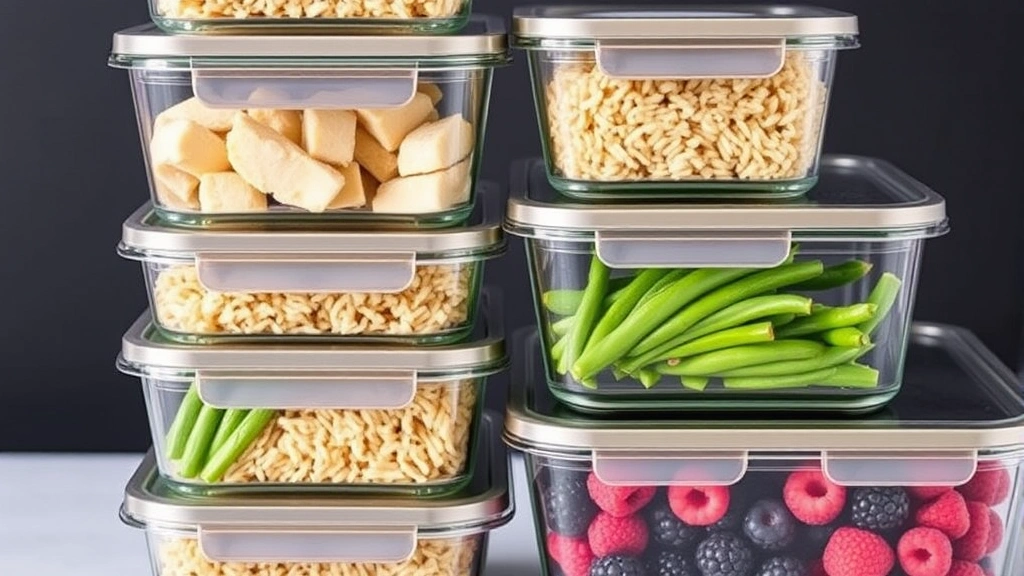
Invest in quality storage containers that stack efficiently and maintain food freshness. Glass containers with locking lids preserve flavor and allow you to see contents without opening. This organization system makes grabbing meals during your Schedule 1 windows effortless.
FAQ
What makes a recipe Schedule 1 compliant?
Schedule 1 recipes must be quick to prepare, use legal ingredients, follow food safety guidelines, and align with structured eating timing. They typically require minimal ingredients, straightforward cooking techniques, and preparation times under thirty minutes.
Can I prepare Schedule 1 meals in advance?
Absolutely. Many Schedule 1 meals benefit from advance preparation. Proteins, grains, and vegetables can be cooked ahead and stored safely. Assemble complete meals during your prep sessions, or prepare components and assemble meals during your eating windows.
What are the best proteins for quick Schedule 1 cooking?
Fish and shellfish cook fastest, requiring 3-15 minutes depending on thickness and type. Chicken breast, ground poultry, and eggs are also excellent quick-cooking options. Lean ground beef works well for recipes where browning develops flavor quickly.
How do I prevent meal boredom with Schedule 1 eating?
Rotate proteins, vary your grains, and experiment with different seasonings and sauces. The same chicken and rice base becomes completely different meals with Asian, Mediterranean, or Mexican-inspired seasonings. Explore punch recipes and beverage options to add variety to your meal experience.
Can Schedule 1 meals be healthy?
Completely. Focus on whole foods, lean proteins, abundant vegetables, and healthy fats. Avoid processed ingredients and excess sodium. Schedule 1 meals can easily meet all nutritional requirements while supporting consistent, sustainable eating patterns.
What equipment helps with Schedule 1 cooking?
An Instant Pot or pressure cooker dramatically reduces cooking time. A quality chef’s knife speeds vegetable prep. Sheet pans enable efficient roasting. A microwave handles quick reheating. These tools aren’t essential, but they significantly enhance your ability to prepare meals quickly.
How should I store Schedule 1 prepared meals?
Refrigerate cooked meals in airtight containers and consume within 3-4 days. Freeze portions you won’t eat within that timeframe, clearly labeled with contents and date. Most prepared meals reheat well in the microwave, oven, or stovetop depending on the dish type.


