
Delicious Seitan Dishes: Vegan Chef Picks
Seitan has revolutionized plant-based cooking, offering a protein-packed alternative that rivals traditional meat in texture and versatility. This wheat-based powerhouse delivers impressive nutritional benefits while absorbing flavors beautifully, making it a favorite among vegan chefs worldwide. Whether you’re transitioning to plant-based eating or exploring creative vegan cuisine, seitan opens doors to incredible dishes that satisfy even the most discerning palates.
The beauty of seitan lies in its neutral taste and chewy, meat-like texture. Unlike tofu or tempeh, seitan becomes whatever you season it to be—a savory steak, crispy chicken substitute, or tender pulled meat for sandwiches. In this guide, we’ll explore the best seitan recipes, cooking techniques, and professional tips from vegan chefs who have mastered this ingredient.
What is Seitan and Why Vegan Chefs Love It
Seitan is made from vital wheat gluten—the protein-rich component of wheat flour. When mixed with water and seasonings, it transforms into a dough that becomes remarkably meat-like when steamed or simmered. A single serving contains approximately 25 grams of protein, making it one of the most protein-dense plant-based options available.
Professional vegan chefs appreciate seitan for several compelling reasons. First, its texture mimics chicken, beef, or pork more closely than any other plant-based ingredient. Second, it’s incredibly versatile—you can slice it, cube it, shred it, or form it into steaks. Third, it absorbs marinades and seasonings exceptionally well, allowing chefs to create deeply flavored dishes. Unlike tofu, which requires careful handling, seitan is sturdy and forgiving during cooking.
The ingredient also boasts a long history in Asian cuisine, particularly in Buddhist vegetarian cooking traditions. Modern vegan chefs have elevated seitan preparation into an art form, creating dishes that stand proudly alongside conventional meat-based fare. When properly prepared, seitan becomes the star ingredient rather than a mere meat substitute.
Essential Techniques for Perfect Seitan
Mastering seitan begins with understanding the kneading and cooking processes. The dough development is crucial—you need to knead the seitan mixture until gluten strands fully develop, creating that characteristic chewy texture. Most recipes require 8-10 minutes of vigorous kneading.
The cooking method dramatically affects the final product. Steaming produces tender, slightly softer seitan ideal for shredding or cubing. Simmering in broth creates firmer seitan perfect for slicing or grilling. Some advanced chefs use a combination approach: steaming first, then pan-searing to develop a golden crust.
Temperature control matters significantly. If your broth is too hot, the exterior hardens while the interior remains undercooked. Maintain a gentle simmer—you should see occasional bubbles, not a rolling boil. Most seitan requires 45-60 minutes of simmering to fully cook through.
Professional vegan chefs often emphasize the importance of the cooking liquid. Rather than plain water, use vegetable broth infused with garlic, soy sauce, nutritional yeast, and herbs. This flavors the seitan from the inside, creating depth that’s difficult to achieve through external seasoning alone. The broth becomes a foundational element of the dish’s final flavor profile.
Best Seitan Recipes from Professional Vegan Chefs
Crispy Seitan Chicken Cutlets
This beloved recipe transforms seitan into golden, crispy cutlets that fool even dedicated meat eaters. The key is slicing pre-cooked seitan into thin cutlets, marinating them briefly in a flavorful mixture, then breading and pan-frying until the exterior crisps beautifully.
Process: After cooking and cooling your seitan, slice it into quarter-inch thick pieces. Create a marinade using soy sauce, apple cider vinegar, maple syrup, and garlic. Soak cutlets for 15-30 minutes. Prepare a breading station with flour mixed with nutritional yeast, paprika, garlic powder, and black pepper. Dredge each cutlet, pressing gently so breading adheres. Pan-fry in vegetable oil at medium-high heat for 3-4 minutes per side until golden brown.
Serve these cutlets with your choice of sauces—from classic lemon herb to spicy sriracha mayo. They’re perfect alongside roasted vegetables or as the centerpiece of easy dinner recipes for beginners that impress guests.
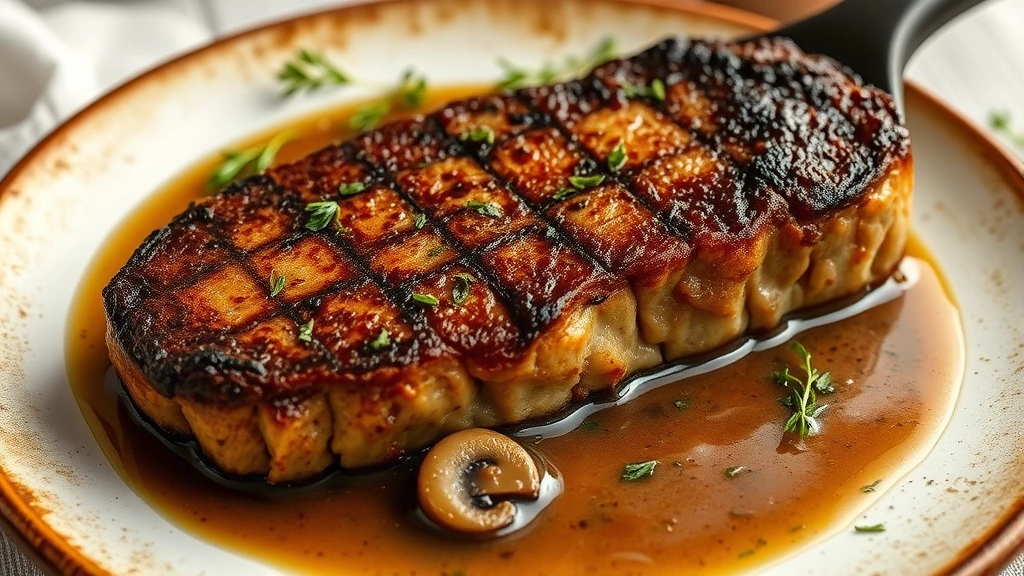
Seitan Steak with Mushroom Reduction
For an elegant vegan entrée, thick-cut seitan steaks with mushroom reduction delivers restaurant-quality results. This dish showcases seitan’s ability to command the plate like traditional beef steaks.
Slice cooled seitan into one-inch thick steaks. Marinate in balsamic vinegar, olive oil, thyme, and rosemary for at least one hour. Heat a cast-iron skillet until smoking hot, then sear steaks for 4-5 minutes per side, developing a dark crust. Remove steaks and set aside. In the same skillet, sauté sliced mushrooms (cremini, shiitake, and oyster varieties work beautifully) with garlic and shallots. Deglaze with vegetable broth and red wine, reducing until sauce becomes rich and glossy. Finish with fresh thyme and a touch of balsamic vinegar.
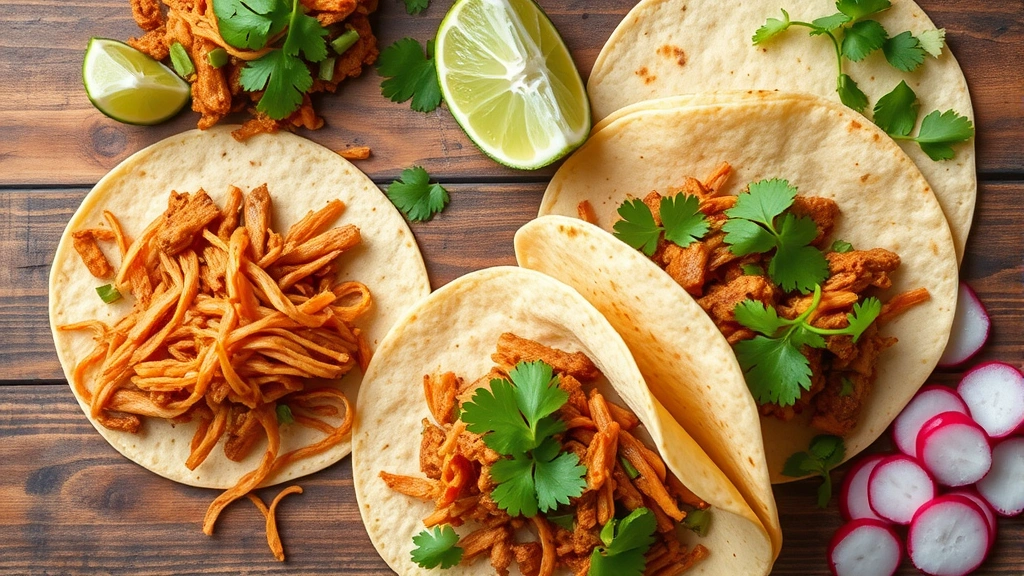
Shredded Seitan Tacos
Shredded seitan becomes incredibly versatile in taco form. Steam seitan rather than simmering it to achieve a more tender texture suitable for shredding. Once cooled, use two forks to pull the seitan into thin, fibrous strands.
Toss shredded seitan with a mixture of cumin, chili powder, smoked paprika, garlic powder, and lime juice. Warm in a skillet with a bit of vegetable broth until the flavors meld. Serve in warm tortillas with fresh cilantro, diced onions, sliced radishes, and lime wedges. The texture closely mimics pulled chicken, making these tacos surprisingly satisfying.
Seitan Fillet with Herb Crust
This sophisticated preparation works beautifully for special occasions. Form seitan into thick logs before cooking, then coat with an herb-breadcrumb crust before final cooking.
Prepare your seitan mixture, then shape it into firm logs before steaming. Once cooked and cooled, coat in a mixture of panko breadcrumbs, fresh parsley, dill, tarragon, and garlic. Pan-fry briefly to set the crust, then finish in the oven at 400°F for 10 minutes. Serve with roasted potatoes and seasonal vegetables for an impressive presentation.
Seitan Breakfast and Quick Meals
Seitan isn’t limited to dinner—creative vegan chefs incorporate it into quick breakfast recipes and weekday meals. Diced seitan becomes a protein-rich addition to breakfast scrambles, hash browns, or grain bowls.
For breakfast applications, cube cooked seitan into half-inch pieces. Pan-fry with bell peppers, onions, and mushrooms, then add to scrambled tofu or serve over hash browns. The savory, meat-like quality makes breakfast feel hearty and satisfying. Some chefs even prepare seitan bacon by slicing it thin, marinating in soy sauce and maple syrup, then pan-frying until crispy.
Quick lunch bowls benefit tremendously from seitan. Layer grains (quinoa, farro, or rice), roasted vegetables, shredded seitan, and a tahini-based dressing for a complete meal ready in minutes. Seitan’s sturdiness means it won’t fall apart when mixed with other ingredients.
For meal prep enthusiasts, cooking a large batch of seitan on Sunday provides ready-to-use protein throughout the week. Store in airtight containers with a bit of the cooking broth to maintain moisture. Use it in stir-fries, pasta dishes, or grain bowls without additional cooking.
Explore best breakfast food recipes to discover more ways to incorporate plant-based proteins into your morning routine.
Flavor Profiles and Seasoning Strategies
Professional vegan chefs understand that seitan’s neutral flavor is actually its greatest strength. This blank canvas accepts any flavor profile you introduce. The seasoning strategy involves three layers: the cooking broth, the marinade, and the final cooking preparation.
Building Umami Depth
Umami—the savory fifth taste—makes seitan dishes feel deeply satisfying. Achieve this through soy sauce, miso paste, nutritional yeast, mushroom powder, and tomato paste. When building your cooking broth, combine these umami-rich ingredients with vegetable stock and aromatics. This foundational layer carries through the finished dish.
Asian-Inspired Flavors
Seitan excels in Asian applications. Create a ginger-garlic marinade with fresh ginger, garlic, soy sauce, rice vinegar, and sesame oil. Cook seitan in a broth infused with star anise, Sichuan peppercorns, and dried chilies. Stir-fry finished seitan with bok choy, broccoli, and cashews in a sauce combining soy sauce, rice vinegar, and maple syrup.
Mediterranean Approaches
For Mediterranean flavors, marinate seitan in olive oil, lemon juice, oregano, thyme, and garlic. Cook in vegetable broth with tomatoes, olives, and capers. Pan-sear and serve with a fresh herb salad and roasted vegetables for a light, bright dish.
Bold, Smoky Profiles
Smoked paprika, liquid smoke, and chipotle peppers transform seitan into deeply flavored, smoky preparations. Create a barbecue sauce with tomato paste, maple syrup, apple cider vinegar, and smoked paprika. Use this both as a cooking liquid and finishing sauce for seitan that tastes like it spent hours in a smoker.
Storage and Make-Ahead Tips
One of seitan’s practical advantages is its excellent storage capacity. Properly stored seitan keeps for up to five days in the refrigerator, making it ideal for meal planning and batch cooking.
Refrigerator Storage
Store cooled seitan in airtight containers with enough cooking broth to keep it moist. The broth prevents drying and maintains flavor. Keep containers on a shelf rather than in the coldest part of your refrigerator, as extreme cold can make seitan slightly rubbery.
Freezing Seitan
Seitan freezes beautifully for up to three months. Slice or portion it before freezing for easier use. Freeze in shallow containers rather than large blocks—thinner pieces thaw faster and more evenly. Include some cooking broth in freezer containers. Thaw overnight in the refrigerator rather than at room temperature.
Advanced Preparation
For ultimate convenience, prepare seitan in various forms simultaneously. Cook one batch as whole logs, another as steaks, and a third for shredding. This variety allows different meal options throughout the week without additional cooking. Season each batch differently during cooking to expand your flavor options.
Professional vegan chefs often prepare seitan on a specific day each week, treating it like a mise en place component. Having multiple seitan preparations ready transforms weeknight cooking from challenging to effortless. You’re essentially creating your own protein delivery system for quick, nutritious meals.
For inspiration on making grandma approved dinner recipes with a modern vegan twist, seitan provides the perfect foundation for familiar comfort foods that everyone will enjoy.
FAQ
Is seitan gluten-free?
No. Seitan is made from vital wheat gluten, so it’s unsuitable for those with celiac disease or gluten sensitivity. However, those avoiding gluten can explore easy dinner recipes for beginners using alternative proteins like tempeh or chickpea flour.
Can I make seitan without vital wheat gluten?
It’s challenging but possible using high-protein flour or chickpea flour, though the texture differs significantly. Vital wheat gluten provides the specific protein structure that creates seitan’s characteristic chewiness.
Why is my seitan rubbery?
Overworking the dough or cooking at too-high temperatures can create rubbery seitan. Knead just until gluten develops (8-10 minutes), then maintain a gentle simmer rather than a rolling boil. Also ensure adequate cooking liquid—seitan needs enough broth to cook through without drying.
How do I get crispy seitan?
After cooking, slice seitan into desired shapes and pan-fry in oil over medium-high heat. Don’t overcrowd the pan—you need space for steam to escape and browning to develop. Cook 3-4 minutes per side for golden, crispy exteriors.
What’s the difference between steamed and simmered seitan?
Steamed seitan is more tender and easier to shred, ideal for pulled meat applications. Simmered seitan is firmer with more defined edges, better for slicing and grilling. Many chefs use both methods depending on the final application.
Can I use seitan in traditional meat recipes?
Absolutely. Seitan works beautifully in recipes calling for chicken, beef, or pork. Adjust cooking times as needed—seitan is already cooked, so brief heating (2-3 minutes) is usually sufficient. For slow-cooked dishes like stews, add seitan near the end to prevent it from becoming mushy.
Where can I find vital wheat gluten?
Most grocery stores stock vital wheat gluten in the baking or specialty foods section. It’s widely available online through major retailers. Store in a cool, dry place—it keeps for several months.
Is homemade seitan better than store-bought?
Homemade seitan offers superior flavor control and customization. Store-bought options are convenient but often contain additives. Making seitan at home is straightforward and significantly more economical, especially if you cook in batches.
For more cooking inspiration, check out Fresh Plated Daily Blog for additional vegan and vegetarian recipes that celebrate plant-based ingredients.


