
Craft Smooth Stone: Minecraft Pro Guide
Smooth stone is one of the most essential building materials in Minecraft, prized by builders for its clean, polished aesthetic and practical applications in construction. Whether you’re creating a modern mansion, a sleek underground base, or decorative architectural features, mastering the smooth stone recipe will elevate your building game significantly. This comprehensive guide walks you through everything you need to know about crafting, obtaining, and utilizing smooth stone effectively in your Minecraft world.
Unlike some crafting recipes that require complex ingredient combinations, smooth stone has a straightforward path to creation. However, understanding the full process—from raw material gathering to the final product—ensures you can produce smooth stone efficiently and in bulk whenever your building projects demand it. Let’s explore the mechanics, techniques, and pro tips that will make you a smooth stone master.
What Is Smooth Stone in Minecraft
Smooth stone is a decorative block that appears as a refined, polished version of regular stone. It features a lighter gray coloration with subtle texture details that make it visually distinct from its rougher counterpart. In Minecraft’s building community, smooth stone has become the go-to material for contemporary architecture, minimalist designs, and sophisticated construction projects because of its clean appearance and neutral color palette.
Beyond aesthetics, smooth stone serves practical purposes in your Minecraft world. It’s particularly useful for creating blast furnaces when combined with iron ingots and furnaces, making it essential for advanced smelting operations. Many experienced builders incorporate smooth stone into their base designs not just for appearance but also for functional infrastructure that supports their survival or creative endeavors.
The block was introduced to provide builders with more refined building options, and it has become increasingly popular as players develop more sophisticated architectural styles. Understanding how to produce smooth stone efficiently means you’ll never be limited by material availability when working on large-scale building projects.
The Complete Smooth Stone Recipe
The smooth stone recipe is elegantly simple: you need one stone block and fuel to smelt it in a furnace. This two-step process is the foundation of smooth stone production, and mastering it is crucial for any serious builder.
Basic Recipe Breakdown:
- Input: 1 Stone Block
- Fuel: Any fuel source (wood, coal, charcoal, etc.)
- Output: 1 Smooth Stone Block
- Smelting Time: 10 seconds per block
The recipe’s simplicity belies its importance in Minecraft’s crafting ecosystem. Since stone is abundantly available through mining or by smelting cobblestone, the limiting factor in smooth stone production typically comes down to furnace capacity and fuel availability rather than raw material scarcity.
For advanced players looking to scale up production, understanding furnace mechanics and fuel efficiency becomes paramount. Just like mastering cooking techniques with proper equipment, mastering furnace setups will dramatically increase your smooth stone output.
Step-by-Step Crafting Process
Step 1: Obtain Stone Blocks
Your first task is gathering stone. Mine stone blocks using a pickaxe (stone or better) from any underground or surface location. You can also smelt cobblestone in a furnace to produce stone blocks. This preliminary step is straightforward but time-consuming for large projects, so plan accordingly.
Step 2: Prepare Your Furnace
Place a furnace in your work area. You can craft a furnace using eight cobblestone blocks arranged in a square pattern, leaving the center empty. Position your furnace somewhere convenient to your main building area, and consider building multiple furnaces for parallel processing.
Step 3: Load the Furnace
Open your furnace interface. Place stone blocks in the top input slot and fuel in the bottom fuel slot. A single coal block will smelt eight items, so plan your fuel allocation based on your production goals. This efficiency calculation is important when scaling up.
Step 4: Wait for Smelting
Each stone block takes 10 seconds to smelt into smooth stone. With a single furnace, this means you’ll produce six smooth stone blocks per minute. For large building projects requiring thousands of blocks, this rate necessitates either patience or multiple furnaces working simultaneously.
Step 5: Collect Your Smooth Stone
Once smelting completes, smooth stone blocks appear in the furnace’s output slot. Collect them and transport them to your building site. Organizing your inventory efficiently prevents unnecessary trips back and forth.

Gathering Raw Materials Efficiently
The efficiency of your smooth stone production hinges directly on how well you gather and manage raw materials. Stone acquisition should be your first priority, and there are several proven strategies for doing this at scale.
Mining Stone Underground
Create branch mines or strip mines to expose large quantities of stone. Use a stone pickaxe or better to mine blocks efficiently. Underground stone mining is time-consuming but yields large quantities without requiring additional smelting steps. Many experienced players dedicate specific mining sessions exclusively to stone gathering before beginning major building projects.
Converting Cobblestone to Stone
If you have access to abundant cobblestone from mining or mob grinders, convert it to stone first by smelting. While this requires an extra furnace step, it’s often faster than mining raw stone, especially if you have an established cobblestone farm or grinder system. Consider setting up dedicated furnaces for the cobblestone-to-stone conversion process.
Fuel Source Planning
Identify your fuel source before beginning production. Coal is readily available from mining and offers excellent fuel efficiency. Charcoal, produced by smelting wood logs, provides an renewable fuel source if you have wood farms. Lava buckets are the most efficient fuel source but require more effort to obtain and manage. Planning your resources carefully ensures uninterrupted production.
Setting Up Collection Systems
For truly massive smooth stone production, implement hoppers and storage systems connected to your furnace array. This automation allows you to load furnaces continuously without manual intervention, dramatically increasing your production capacity over time. Redstone engineering becomes valuable at this stage of the game.
Advanced Smelting Techniques
Once you understand the basic smooth stone recipe, advancing your techniques allows for exponentially greater output and efficiency. Professional builders employ several strategies to maximize their smooth stone production.
Multi-Furnace Arrays
Build furnace arrays containing 10, 20, or even 50+ furnaces arranged in organized patterns. Load all furnaces simultaneously with stone and fuel, then collect the output in batches. This parallel processing dramatically reduces the time required to produce large quantities. A 20-furnace array produces 120 smooth stone blocks per minute—enough for most building projects.
Hopper-Based Automation
Connect hoppers to furnace tops to automatically feed stone blocks into furnaces. Additional hoppers at furnace fronts collect finished smooth stone into storage chests. This setup requires minimal player interaction while producing steady output. Just as following proper cooking procedures ensures consistent results, proper furnace automation ensures consistent smooth stone production.
Fuel Management Optimization
Research which fuel sources provide the best efficiency for your situation. Coal blocks (nine coal pieces crafted together) smelt 80 items each, making them ideal for large-scale operations. Lava buckets smelt 100 items but require more complex setup to utilize in automated systems. Charcoal offers renewable production but requires wood farm infrastructure.
Timing and Batch Processing
Load furnaces in batches rather than continuously for better resource management. If you’re gathering stone simultaneously, batch processing ensures you always have fuel and input materials available when furnaces complete their cycles. This rhythm prevents bottlenecks in your production pipeline.
Building with Smooth Stone
Understanding the smooth stone recipe is only half the battle; knowing how to incorporate it into your builds showcases its true value. Smooth stone’s versatility makes it suitable for numerous architectural styles and applications.
Modern Architecture
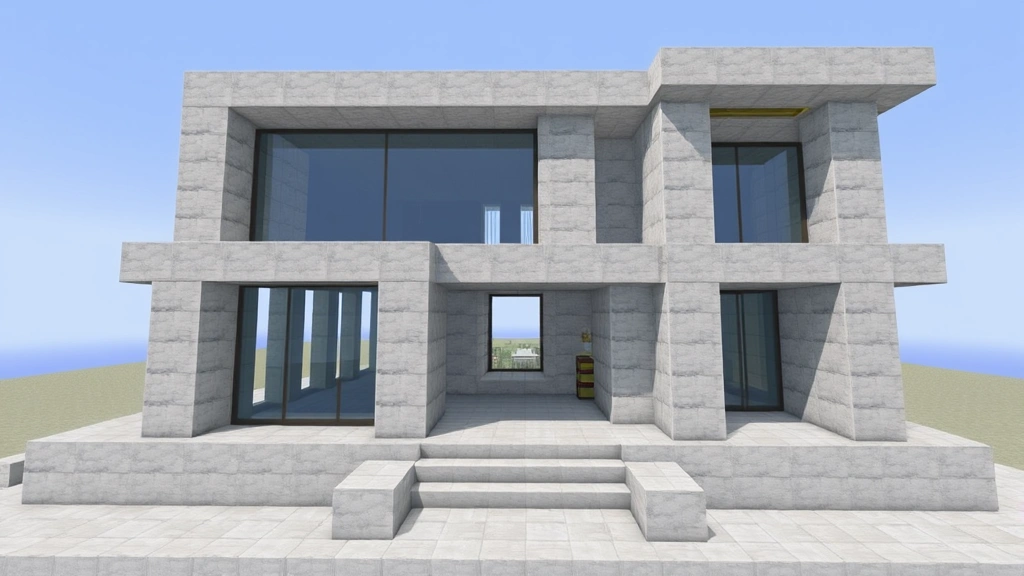
Smooth stone is the primary material for contemporary Minecraft builds. Its clean texture and neutral gray color pair beautifully with dark oak wood, white concrete, and glass. Create sleek walls, minimalist facades, and geometric patterns using smooth stone as your foundation material. The block’s simplicity allows other design elements to shine.
Blast Furnace Crafting
Combine smooth stone with iron ingots and a regular furnace to craft blast furnaces—essential for smelting ore at double speed. Each blast furnace requires five smooth stone blocks, so large-scale ore processing operations demand significant smooth stone quantities. Planning your furnace farm size determines how much smooth stone you’ll need for this purpose.
Decorative Applications
Use smooth stone for stairs, slabs, and walls in decorative contexts. The block’s uniform appearance works well for creating clean lines and sophisticated details. Combine it with complementary materials like carefully selected supporting elements to create visually compelling structures.
Underground Base Construction
Smooth stone’s appearance makes it ideal for underground bases, creating the illusion of finished, constructed spaces rather than raw caves. Build smooth stone walls, floors, and ceilings to transform natural caverns into polished facilities.
Common Mistakes and Solutions
Mistake: Using a Wooden Pickaxe to Mine Stone
Solution: Always use at least a stone pickaxe to mine stone blocks. Wooden pickaxes won’t yield blocks, wasting your mining effort. Upgrade to stone, iron, or diamond pickaxes as soon as possible in your progression.
Mistake: Running Out of Fuel Mid-Project
Solution: Calculate your fuel needs before starting production. If you need 1,000 smooth stone blocks, that requires 10 coal blocks or equivalent fuel. Stock up before beginning smelting operations. Proper preparation and planning prevent resource shortages, whether in cooking or Minecraft.
Mistake: Confusing Smooth Stone with Stone Blocks
Solution: Remember that regular stone blocks appear rougher and darker than smooth stone. If your furnace output looks wrong, verify you’re using the correct fuel source and that smelting actually completed. Don’t build with unfinished products.
Mistake: Building Single Furnaces for Large Projects
Solution: Invest time in creating multi-furnace arrays early. A single furnace is adequate for small projects but becomes a serious bottleneck for larger builds. Building a 10-furnace array takes roughly 30 minutes but saves countless hours over your gameplay.
Mistake: Not Organizing Storage Systems
Solution: Implement organized chest systems near your furnace arrays. Label chests clearly for stone input, fuel, and smooth stone output. This organization prevents inventory confusion and allows for more efficient production workflows.
FAQ
How many smooth stone blocks can one furnace produce per hour?
A single furnace produces 360 smooth stone blocks per hour (six blocks per minute at 10 seconds per block). For large building projects, this rate necessitates multiple furnaces working simultaneously.
Can smooth stone be mined and collected like regular stone?
No, smooth stone only appears as a finished product from smelting. You cannot find it naturally in the world or mine it from existing blocks. It must be crafted through the smelting process.
What’s the most efficient fuel source for smooth stone production?
Lava buckets are technically most efficient (100 items per bucket), but coal blocks (80 items per block) are more practical for most players. Charcoal offers renewable production if you have wood farms established.
Do I need smooth stone for survival mode progression?
Smooth stone isn’t strictly necessary for survival progression, but it becomes important once you want to craft blast furnaces for efficient ore smelting. It’s primarily a building material for aesthetic purposes in survival mode.
How much smooth stone do I need for a typical house?
A medium-sized house (approximately 20×20 blocks) might use 400-800 smooth stone blocks depending on design. Larger structures can require thousands. Always estimate generously and produce extra for flexibility.
Can I automate smooth stone production completely?
Yes, with hoppers, redstone, and storage systems, you can create fully automated smooth stone farms. However, you still need to supply initial stone blocks and fuel unless you have connected farms for those materials.
Is smooth stone the same as polished stone?
No, polished stone is a different block created by smelting smooth stone a second time. Polished stone appears even more refined but is less commonly used in building projects.
What Java Edition version introduced smooth stone?
Smooth stone has been available in Minecraft Java Edition for many years and is present in all modern versions. It’s also available in Bedrock Edition and other game versions.


