
Sour Cream Pound Cake: Grandma’s Secret Recipe
There’s something magical about a sour cream pound cake that takes you straight back to grandmother’s kitchen. The tender crumb, the subtle tang, and that golden exterior create a dessert that’s both elegant and comforting. This isn’t just any pound cake—it’s a treasured recipe passed down through generations, perfected through years of baking expertise and kitchen intuition.
The secret to an exceptional sour cream pound cake lies in understanding how this simple ingredient transforms the entire baking equation. Sour cream adds moisture, creates a finer texture, and introduces a sophisticated flavor depth that elevates this classic dessert far beyond standard butter cakes. When you master this grandmother’s recipe, you’ll understand why it has remained a family favorite for decades.
Why Sour Cream Makes All the Difference
The foundation of any exceptional sour cream pound cake recipe begins with understanding sour cream’s unique properties. Unlike regular milk or buttermilk, sour cream contains lactic acid and fat that interact with baking soda and flour in specific ways, creating chemistry that produces superior results.
Sour cream’s fat content—typically around 20%—creates a tender, moist crumb that stays fresh longer than traditional pound cakes. The lactic acid reacts with baking soda to create lift and structure, while also tenderizing gluten strands in the flour. This dual action means your cake will be both sturdy enough to slice cleanly and delicate enough to melt on the tongue.
The tangy flavor profile sour cream provides is subtle but sophisticated. It doesn’t make the cake taste sour; instead, it adds complexity and depth that makes people pause and ask what makes your cake taste so good. This is the grandmother’s secret—understanding that sometimes the smallest ingredient makes the biggest impact.
When comparing pound cakes, those made with sour cream consistently outperform versions made with water, milk, or cream. The texture remains tender even days after baking, and the flavor becomes more developed as the cake sits. This is why grandma could bake on Friday and serve on Sunday with perfect results.
Essential Ingredients for Perfect Results
Creating an authentic sour cream pound cake requires quality ingredients measured with precision. Pound cake traditionally uses equal weights of butter, sugar, eggs, and flour—typically one pound of each ingredient. The sour cream addition modifies this ratio slightly, but maintains the cake’s signature density and richness.
- Butter: Use unsalted, room-temperature butter for optimal creaming. Cold butter won’t incorporate enough air, resulting in a dense cake. Salted butter can throw off the flavor balance.
- Sugar: Granulated white sugar works best for the classic version. The crystals help incorporate air during creaming, creating the fine crumb structure that defines pound cake.
- Eggs: Large eggs at room temperature are essential. Cold eggs won’t blend smoothly, creating lumps and uneven texture throughout the cake.
- All-Purpose Flour: Measure by spooning flour into your measuring cup and leveling off—don’t scoop directly from the bag, which compacts the flour and throws off ratios.
- Sour Cream: Full-fat sour cream delivers the best flavor and texture. Don’t substitute Greek yogurt or other dairy products, as they have different fat and acid ratios.
- Vanilla Extract: Pure vanilla extract provides superior flavor compared to imitation versions.
- Baking Soda: This reacts with sour cream’s acid to create lift and structure.
- Salt: Enhances all flavors and balances sweetness.
Many bakers make the mistake of using cold ingredients straight from the refrigerator. This is the moment where grandmother’s wisdom matters most—taking time to bring ingredients to room temperature ensures they blend smoothly, creating the finest possible crumb.
Step-by-Step Baking Instructions
The process of making a sour cream pound cake demands attention and patience. Unlike quick breads or sheet cakes, pound cake requires proper technique at each stage to achieve its characteristic texture.
- Prepare Your Pan: Preheat your oven to 325°F (163°C). Butter and flour a 10-inch bundt pan thoroughly, ensuring every crevice is covered. Tap out excess flour. For a loaf cake, use a standard loaf pan prepared the same way.
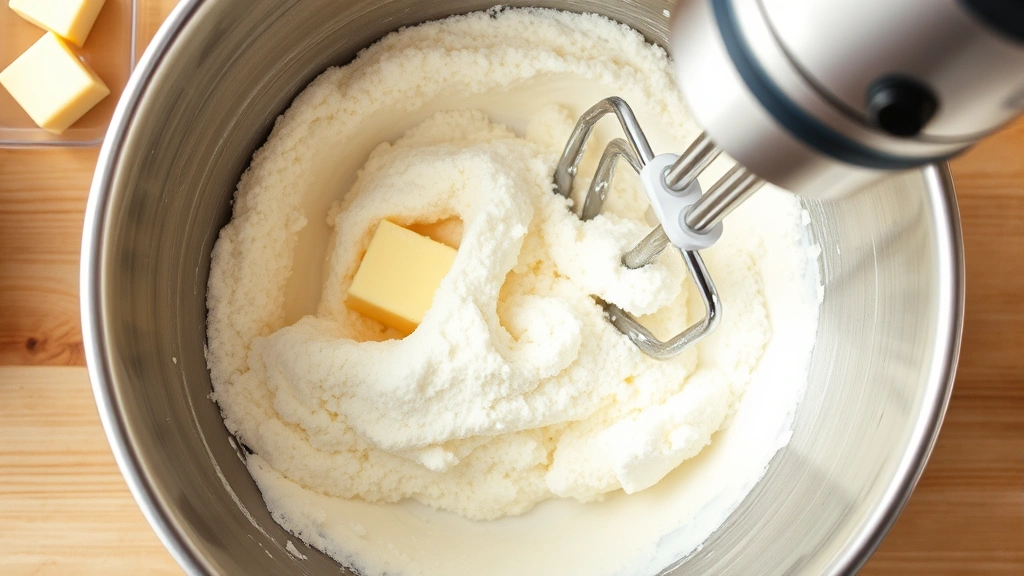
- Cream Butter and Sugar: In a large mixing bowl, beat 1 cup (2 sticks) softened butter with 2 cups granulated sugar for 3-4 minutes until light, fluffy, and pale yellow. This creaming process incorporates tiny air bubbles that create lift in the finished cake. Scrape down the bowl frequently to ensure even mixing.
- Add Eggs Gradually: Add 4 large room-temperature eggs one at a time, beating well after each addition. This prevents the mixture from breaking and ensures even distribution. The mixture should appear smooth and creamy, not separated or curdled.
- Combine Dry Ingredients: In a separate bowl, whisk together 3 cups all-purpose flour, 1 teaspoon baking soda, and 1 teaspoon salt. Whisking distributes the baking soda evenly, preventing dark spots or uneven rise.
- Alternate Wet and Dry: Beginning and ending with flour, alternate adding dry ingredients and 1 cup sour cream to the butter mixture. Add flour, then sour cream, then flour, then sour cream, then final flour. Mix on low speed just until combined after each addition.
- Add Vanilla: Stir in 2 teaspoons vanilla extract, mixing just until combined. Overmixing at this stage develops too much gluten, making the cake tough.
- Fill the Pan: Pour batter into your prepared pan, smoothing the top. Tap the pan gently on the counter a few times to release air bubbles.
- Bake: Bake for 60-75 minutes (bundt pans) or 50-60 minutes (loaf pans) until a toothpick inserted into the center comes out clean or with just a few moist crumbs. The cake should be golden brown and pull slightly away from the pan edges.
- Cool Properly: Let the cake cool in the pan for 15 minutes, then invert onto a wire rack. Cool completely before slicing or frosting.
This methodical approach is what grandmothers understood intuitively—each step builds on the previous one, creating a foundation for success. Rushing or skipping steps compromises the final result.
Perfecting Your Technique
Creating a perfect sour cream pound cake involves understanding the science behind each decision. Temperature control is paramount—room temperature ingredients blend smoothly, creating a homogeneous batter that bakes evenly.
The creaming stage cannot be rushed. When you beat butter and sugar together for a full 3-4 minutes, you’re incorporating hundreds of tiny air bubbles. These bubbles expand during baking, creating the fine, tender crumb that distinguishes excellent pound cake from mediocre versions. You’ll see the mixture transform from yellow and dense to pale and fluffy.
The alternating method of adding dry and wet ingredients prevents overmixing. Each time you add flour, you risk developing gluten, which toughens the cake. By alternating with sour cream, you minimize mixing strokes while ensuring even distribution. The sour cream’s acid and fat help relax the gluten, keeping the cake tender.
Oven temperature accuracy matters tremendously. Pound cakes bake at lower temperatures (325°F) than most cakes (350°F) because they’re denser and need gentle, even heat to bake through without browning too quickly. An oven thermometer ensures your temperature is accurate—many home ovens run hot or cold, affecting baking time and browning.
Understanding doneness is crucial. A toothpick test should show the cake is set but still slightly moist—not completely dry. If you overbake, the cake becomes dense and crumbly. If you underbake, the center remains gummy. This sweet spot develops with experience and careful observation.
Like mastering easy homemade bread recipes, pound cake success comes from respecting the process and understanding why each step matters.
Flavor Variations and Customizations
While the classic sour cream pound cake is magnificent on its own, grandmother’s recipe can be adapted in countless ways without losing its essential character.
Lemon Sour Cream Pound Cake: Add 2 tablespoons fresh lemon juice to the sour cream and 1 tablespoon lemon zest to the batter. The citrus brightens the flavor while the sour cream balances the acidity. This version is stunning with a simple lemon glaze.
Almond Pound Cake: Replace 1/2 teaspoon of vanilla with 1/2 teaspoon almond extract, adding subtle complexity. Toast some sliced almonds to sprinkle on top before baking for added texture.
Coconut Sour Cream Pound Cake: Add 1 cup shredded coconut to the batter and replace half the vanilla with coconut extract. This tropical variation pairs beautifully with cream cheese frosting.
Chocolate Swirl Version: Prepare the basic batter, then divide it in half. Mix 2 tablespoons cocoa powder and 2 tablespoons melted chocolate into one half. Alternate spoonfuls of vanilla and chocolate batter in the pan, then swirl with a knife.
Spiced Pound Cake: Add 1 teaspoon cinnamon, 1/4 teaspoon nutmeg, and 1/4 teaspoon ginger to the dry ingredients. This warming variation is perfect for fall gatherings.
The beauty of understanding your base recipe is that you can experiment confidently. The sour cream’s properties remain constant regardless of flavor additions, so your technique stays the same while you explore creative variations.

Storage and Serving Suggestions
One of the greatest advantages of sour cream pound cake is its excellent keeping qualities. The sour cream’s moisture content and fat create a cake that stays fresh and tender for days.
Room Temperature Storage: Wrap cooled cake tightly in plastic wrap or store in an airtight container at room temperature for up to 4 days. The flavor actually improves as it sits, with flavors melding and deepening.
Refrigerator Storage: Wrapped tightly, pound cake keeps in the refrigerator for up to a week. Some bakers prefer serving it slightly chilled, as it slices more cleanly and the flavors feel more pronounced.
Freezer Storage: Wrap cooled, unglazed cake tightly in plastic wrap, then aluminum foil. Freeze for up to 3 months. Thaw at room temperature for 2-3 hours before serving. Glazed cakes should be frozen without the glaze, which you can add after thawing.
Serving Suggestions: Serve slices plain to appreciate the cake’s tender crumb and subtle flavor. Add a dollop of whipped cream and fresh berries for elegance. Dust with powdered sugar for simplicity. Pair with tea, coffee, or dessert wine. Like pairing with cream cheese dip recipes, consider what complements the cake’s subtle richness.
Frosting Pairings: Simple glaze (powdered sugar, butter, and vanilla) lets the cake shine. Cream cheese frosting adds richness and tang. Lemon buttercream brightens lemon variations. Chocolate ganache creates elegance.
Grandma understood that a properly stored cake becomes better as it ages slightly. The crumb sets more firmly, making it easier to slice, and flavors develop complexity that improves the eating experience.
FAQ
Why did my pound cake sink in the middle?
A sunken center typically indicates underbaking or oven temperature issues. Ensure your oven temperature is accurate with a thermometer. Also, avoid opening the oven door before the 60-minute mark, as temperature fluctuations can cause sinking. If the edges are done but the center is still soft, tent with foil and continue baking.
Can I use Greek yogurt instead of sour cream?
Not recommended. Greek yogurt has different fat and acid ratios that will alter the cake’s texture and flavor. The sour cream’s specific properties are what make this recipe work. Stick with full-fat regular sour cream for best results.
My cake is too dense. What went wrong?
Dense cake usually results from undercreaming the butter and sugar, using cold ingredients, or overmixing the batter. Ensure you cream butter and sugar for the full 3-4 minutes until pale and fluffy. Bring all ingredients to room temperature. Mix on low speed when adding dry ingredients.
How do I know when the cake is perfectly done?
A toothpick inserted into the center should come out clean or with just a few moist crumbs. The cake should pull slightly away from the pan edges and be golden brown on top. If you overbake, it becomes dry and crumbly.
Can I make this cake in a loaf pan instead of a bundt pan?
Yes. Use a standard loaf pan and reduce baking time to 50-60 minutes. Check for doneness starting at 45 minutes. Loaf pans conduct heat differently than bundt pans, so watch carefully to avoid overbaking.
What’s the difference between pound cake and butter cake?
Pound cake traditionally uses equal weights of butter, sugar, eggs, and flour, creating a denser, richer cake. Butter cakes use less butter and more liquid, resulting in a lighter, more tender crumb. The sour cream in this recipe adds moisture while maintaining pound cake’s characteristic density.


