Street Tacos Recipe: Chef’s Authentic Guide to Making Tacos Like a Mexican Street Vendor
Street tacos represent the soul of Mexican street food culture—simple, flavorful, and absolutely irresistible. Whether you’re standing at a taco cart in Mexico City or recreating that authentic experience in your own kitchen, mastering the art of street tacos requires understanding the fundamentals that make them special. These aren’t complicated gourmet creations; they’re the result of quality ingredients, proper technique, and respect for tradition. From selecting the right meat to perfecting your tortillas, every element matters when you’re aiming for that genuine street vendor authenticity.
What makes street tacos different from their restaurant cousins is their minimalist approach combined with maximum flavor. A true street taco needs nothing more than perfectly cooked meat, warm tortillas, and fresh toppings that let each ingredient shine. In this comprehensive guide, we’ll walk you through every step of creating authentic street tacos at home, including insider tips from traditional Mexican cuisine that will elevate your taco game.
Understanding Authentic Street Tacos
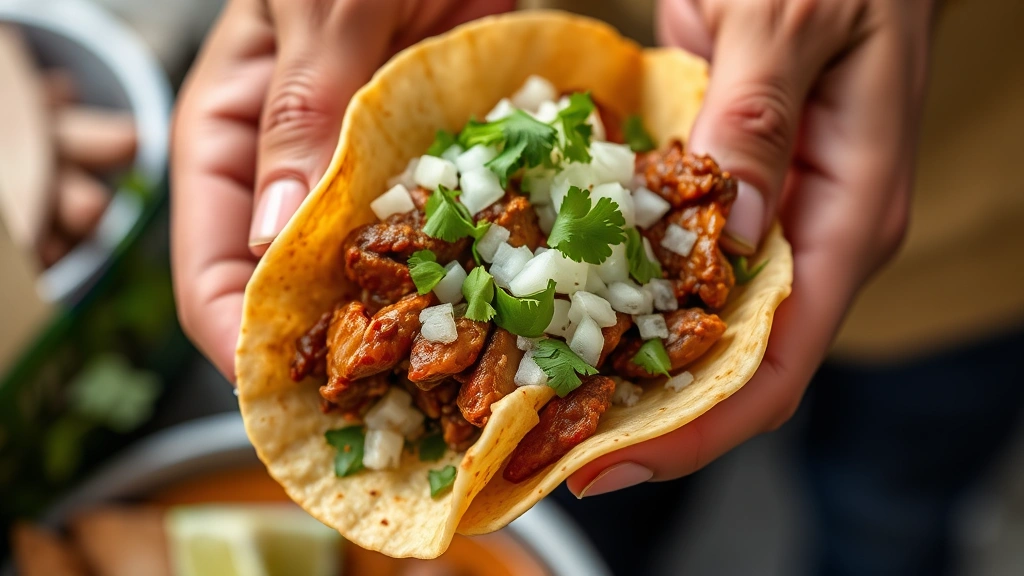
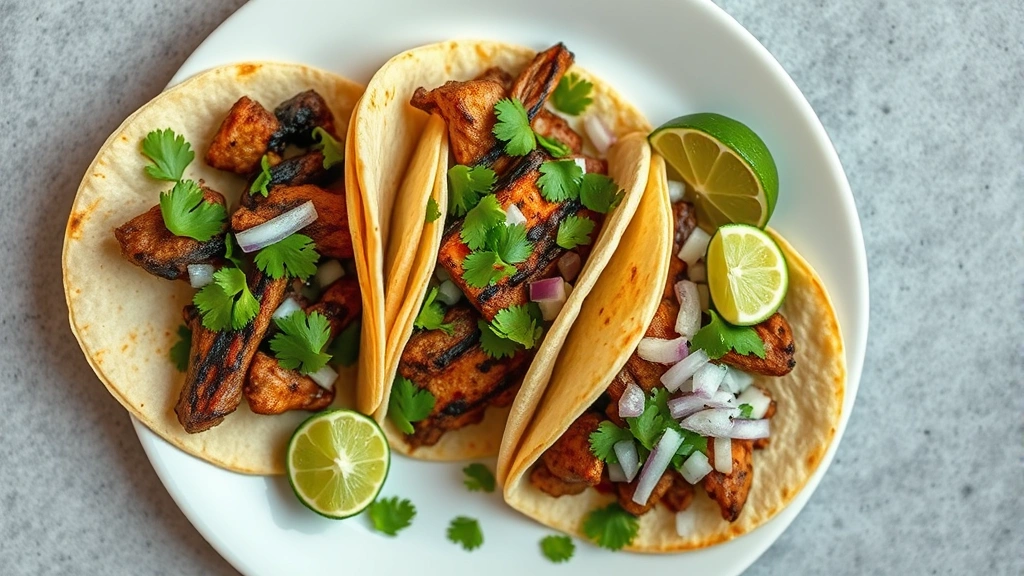
Street tacos are a celebration of simplicity and quality. Unlike elaborate sit-down restaurant tacos that might feature multiple components and complex sauces, street tacos focus on the purity of their ingredients. The typical street taco consists of a small corn tortilla, seasoned meat (traditionally beef, but also pork or chicken), and minimal toppings—usually just onion and cilantro, with lime on the side.
The beauty of this approach lies in how it allows each component to showcase its own flavor. When you’re using quality meat and fresh tortillas, you don’t need elaborate garnishes or heavy sauces to create something memorable. This philosophy has made street tacos one of Mexico’s most beloved and portable meals, served from countless carts and small establishments throughout the country.
Understanding the cultural context helps you appreciate why street tacos are prepared the way they are. These tacos emerged from the need for affordable, quick, and satisfying meals that could be eaten on the go. Street vendors perfected their craft through years of repetition, learning exactly how to season meat, manage heat, and assemble tacos with speed and consistency. When you recreate street tacos at home, you’re tapping into this rich culinary tradition.
Essential Ingredients for Street Tacos
Creating authentic street tacos starts with understanding your ingredient list. You won’t need an overwhelming number of items, but the ones you choose should be of excellent quality.
For the Meat:
- 2 pounds beef chuck or brisket (for traditional carne asada style), or pork shoulder for carnitas variation
- 2 tablespoons dried guajillo or ancho chiles (optional but recommended)
- 1 teaspoon ground cumin
- 1 teaspoon dried oregano
- ½ teaspoon smoked paprika
- 3 cloves garlic, minced
- Juice of 2 limes
- Salt and black pepper to taste
- 2 tablespoons vegetable oil
For Assembly:
- 16-20 small corn tortillas (5-6 inches diameter)
- 1 white onion, finely diced
- Fresh cilantro, chopped
- 2-3 limes, cut into wedges
- Optional: diced jalapeños, radish slices, or pickled onions for extra flavor
The quality of your tortillas cannot be overstated. Fresh corn tortillas made from masa (corn dough) are essential to authentic street tacos. Store-bought options are acceptable, but seek out tortillas made from simple ingredients—just corn, water, and salt. Flour tortillas are not traditional for street tacos, though some regional variations exist.
Preparing the Meat
The meat preparation is where street tacos truly come alive. Traditional street tacos often feature meat that’s been marinated and then cooked on a flat griddle or plancha, creating a beautifully caramelized exterior while maintaining tenderness inside.
Step 1: Create Your Marinade
Start by creating a flavor base that will transform your meat. Toast your dried chiles in a dry skillet over medium heat for about 30 seconds per side—this activates their oils and deepens their flavor. Remove stems and seeds, then soak the chiles in hot water for 10 minutes until softened. Blend the softened chiles with lime juice, minced garlic, cumin, oregano, and paprika to create a smooth paste. This chile-based marinade is far superior to simple seasoning alone.
Step 2: Marinate Your Meat
Cut your beef chuck or brisket into thin strips, about ¼ inch thick. This thickness is crucial—it allows the meat to cook quickly while developing a flavorful crust. Coat all the meat thoroughly with your chile marinade and let it sit for at least 30 minutes, though 2-4 hours is ideal. The longer marination time allows the flavors to penetrate deeper into the meat.
Step 3: Cook the Meat
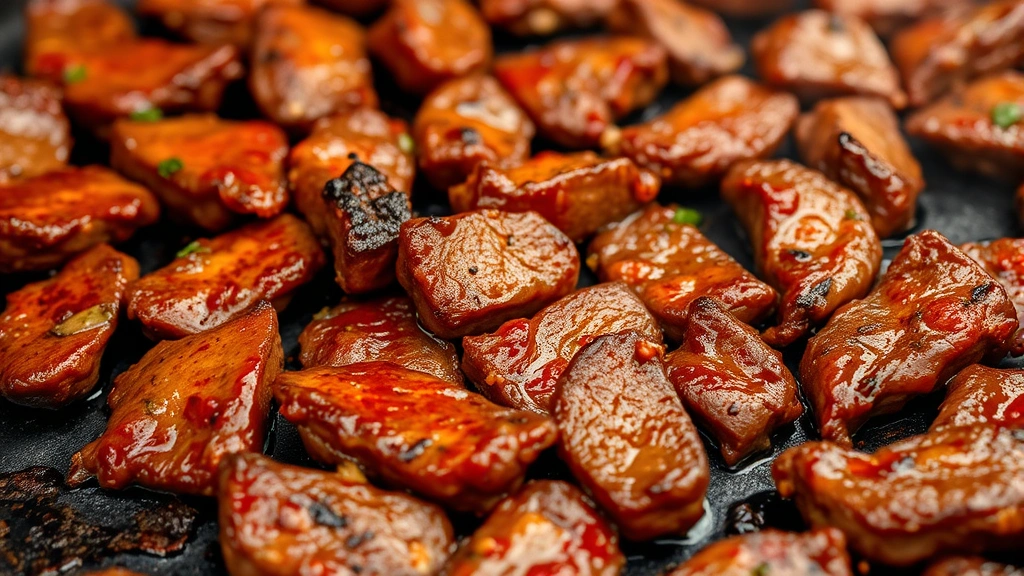
Heat a cast iron skillet or griddle over medium-high heat until it’s very hot. Add vegetable oil and allow it to shimmer. Working in batches to avoid crowding the pan, add your marinated meat in a single layer. Don’t stir immediately—let it sit for 2-3 minutes to develop a beautiful caramelized crust. This is where the magic happens, creating that signature charred exterior that street taco vendors are known for.
Once the first side is caramelized, stir the meat and continue cooking for another 3-4 minutes until it’s cooked through. The meat should have browned, crispy edges with tender, juicy interior. Taste and adjust seasoning with salt and pepper as needed. Street vendors often add a pinch of extra salt at the end of cooking to enhance the flavors.
Tortilla Selection and Warming
Your tortillas deserve as much attention as your meat. Fresh, warm tortillas make an enormous difference in the final taco experience. If you have access to a Mexican market, purchase tortillas that were made that day. These will have superior flavor and texture compared to packaged options that have been sitting on shelves.
Warming Your Tortillas Properly
Never serve cold tortillas with street tacos. The warmth is essential for bringing out their corn flavor and making them pliable. You have several options for warming:
- Direct Flame Method: Hold a tortilla with tongs directly over a gas flame for 10-15 seconds per side. This creates light char marks and incredible flavor.
- Skillet Method: Heat an ungreased cast iron skillet or griddle over medium-high heat and warm each tortilla for about 20 seconds per side.
- Comal (Traditional Method): If you have a Mexican comal (a flat griddle), this is the traditional approach used by street vendors.
- Towel Wrap Method: Wrap warm tortillas in a clean kitchen towel to keep them warm and pliable while you finish cooking.
Keep your tortillas wrapped in a clean cloth or tortilla warmer to maintain warmth while you assemble your tacos. Cold tortillas will ruin even perfectly cooked meat.
Building Your Taco
Now comes the assembly—the moment where all your preparation comes together. There’s an art to building a proper street taco, though it’s deceptively simple.
The Assembly Process:
- Take a warm tortilla and hold it in your hand or on a small plate
- Add a small portion of your cooked, seasoned meat to the center—about 2-3 tablespoons is ideal
- Top with a small amount of diced white onion
- Sprinkle fresh cilantro over the meat and onion
- Serve immediately with lime wedges on the side
The key is restraint. Street tacos are meant to be held in one hand and eaten in a few bites. Overstuffing them makes them difficult to eat and actually dilutes the flavors. Each component should be distinct and identifiable when you take a bite.
The order of layering matters slightly. Placing the meat directly on the tortilla creates a barrier that prevents the tortilla from becoming too soggy. The onion and cilantro on top add freshness and textural contrast. When your guest squeezes lime juice over the taco just before eating, it ties everything together with bright acidity.
Toppings and Condiments
While traditional street tacos keep toppings minimal, understanding the options allows you to customize while maintaining authenticity. The traditional trio of onion, cilantro, and lime is non-negotiable, but you can expand from there thoughtfully.
Traditional Toppings:
- White Onion: Finely diced, this provides sharp bite and crunch. Some vendors use thinly sliced red onion as well.
- Fresh Cilantro: Essential for authentic flavor—use generously but not excessively
- Lime: Customers squeeze this over their tacos immediately before eating
Optional Additions:
- Jalapeños: Thinly sliced fresh jalapeños add heat and brightness
- Radishes: Thin slices add crunch and peppery flavor
- Pickled onions: These add tangy complexity and are common in certain regions
- Diced Tomato: Some vendors include this, though it’s not universally traditional
- Avocado or Guacamole: More common in modern street taco variations
Sauce Options:
Authentic street tacos typically don’t come with heavy sauces, but many vendors offer simple accompaniments. A white sauce recipe made from Mexican crema or sour cream mixed with lime and cilantro is popular. Salsa verde or simple pico de gallo can also be offered on the side, though they’re not applied directly to the taco.
Variations and Protein Options
While beef is the traditional choice for street tacos, authentic variations exist throughout Mexico. Understanding these options helps you create a more complete street taco experience.
Carne Asada
This is the most common street taco filling. Thin-sliced beef is marinated in citrus and spices, then griddled until caramelized. This is what we’ve covered in detail throughout this guide.
Carnitas
Pork shoulder is slow-cooked in its own fat until incredibly tender, then shredded and crisped on a griddle. Carnitas tacos are rich and deeply flavorful. Cook pork shoulder in a low oven (300°F) with orange juice, lime juice, garlic, and bay leaves for 3-4 hours until falling apart.
Al Pastor
This style features pork marinated in dried chiles and spices, traditionally cooked on a vertical spit. For home preparation, you can marinate pork strips in al pastor spices and cook them on a skillet or grill for a similar result.
Pollo Asado
Grilled chicken marinated in citrus and spices makes for lighter tacos. Check out our guide on recipes with shredded chicken for additional preparation methods. Chicken breast or thighs work well, though thighs remain more tender and forgiving.
Pescado (Fish)
Coastal regions feature fresh fish tacos. Explore our best seafood recipes for inspiration on preparing fish for tacos. Grilled or fried white fish works beautifully with the same simple toppings.
Pro Tips from Street Vendors
Street taco vendors have refined their craft through years of repetition. Here are insider secrets that will elevate your home preparation:
Temperature Control
Maintain consistent, medium-high heat throughout cooking. Too hot and your meat burns before cooking through; too cool and it steams instead of caramelizing. Cast iron is your best friend because it maintains consistent heat.
The Importance of Resting
After cooking your meat, let it rest for 2-3 minutes before serving. This allows juices to redistribute, resulting in more tender meat rather than dry strips.
Seasoning in Layers
Don’t add all your seasoning at once. Use the marinade, taste the cooked meat, then adjust with additional salt and lime juice if needed. This layered approach creates more complex flavor.
Quality Over Quantity
One perfectly prepared street taco beats three mediocre ones. Use excellent ingredients, cook with attention, and assemble with care. This philosophy is what makes street tacos special.
The Charred Edge is Key
That slightly charred, caramelized exterior on your meat is crucial. Don’t stir constantly—let the meat sit and develop color. This creates depth of flavor that separates authentic street tacos from boiled or steamed versions.
Serve Immediately
Street tacos are meant to be eaten fresh off the griddle. Prepare your meat just before serving, warm your tortillas moments before assembly, and get them to your guests while everything is at peak temperature and freshness.
Create a Taco Station
When serving multiple people, set up a build-your-own taco station. Provide warm tortillas, hot meat, and small bowls of toppings. This allows guests to customize while you maintain control over quality. Consider offering chicken wings recipe options as a complementary appetizer if you’re serving a crowd.
Regional Variations Matter
Different regions of Mexico have distinct street taco traditions. Sonoran tacos are wrapped in flour tortillas and topped with cheese and mayo. Yucatecan tacos feature different spice profiles. Learning about regional styles helps you understand the broader street taco culture beyond one specific preparation method.
FAQ
Can I prepare street tacos ahead of time?
It’s best to cook the meat fresh, but you can marinate it the night before and cook it just before serving. Cooked meat can be refrigerated for up to 3 days and reheated gently on a skillet. However, the best street tacos are assembled and eaten immediately.
What’s the difference between street tacos and regular tacos?
Street tacos emphasize simplicity, minimal toppings, and fresh ingredients. They’re typically smaller and eaten by hand. Regular restaurant tacos might feature larger portions, heavier sauces, and more elaborate toppings. Street tacos celebrate the quality of their core components.
Can I use flour tortillas for street tacos?
Traditional street tacos use corn tortillas, which have authentic flavor and texture. Flour tortillas are softer and more delicate but lack the corn flavor. If you must use flour, choose quality ones, but corn is strongly preferred for authentic results.
How do I keep tortillas warm while cooking?
Wrap them in a clean kitchen towel or place them in a tortilla warmer. Keep them away from direct air exposure, which causes them to dry out. You can also place them in a covered pot or insulated container.
What’s the best cut of beef for street tacos?
Chuck and brisket are excellent choices because they develop flavor when marinated and cooked on high heat. Skirt steak and flank steak also work beautifully. Avoid lean cuts like sirloin, which can become tough when cooked quickly over high heat.
Do I need special equipment to make street tacos?
A cast iron skillet or griddle is ideal but not absolutely necessary. Any heavy-bottomed pan works. A comal is traditional but optional. The most important thing is maintaining consistent heat and having quality ingredients.
How spicy should street tacos be?
Traditional street tacos aren’t intensely spicy—they’re flavorful but balanced. Add heat gradually through jalapeños or hot sauce on the side rather than in the meat itself. This allows guests to control their own spice level.
Can I make street tacos vegetarian?
Absolutely. Grilled vegetables like zucchini, mushrooms, or poblano peppers can replace meat. Season them with the same spices and cooking method. Beans are another excellent vegetarian protein option for street tacos.


