Fresh Summer Salad Ideas: Nutritionist-Approved Recipes for Healthy Eating
Summer is the perfect season to embrace fresh, vibrant salads that celebrate seasonal produce at its peak. Whether you’re planning weeknight dinners, meal prep for the week ahead, or impressive dishes for entertaining, nutritionist-approved summer salad recipes offer endless possibilities for delicious and nourishing meals. These salads go far beyond basic greens—they combine crisp vegetables, quality proteins, and thoughtfully crafted dressings to create satisfying dishes that keep you cool during hot months.
The beauty of summer salads lies in their versatility and simplicity. When you work with fresh, seasonal ingredients at their nutritional peak, you need minimal preparation to create restaurant-quality dishes at home. This guide explores creative summer salad ideas that balance nutrition, flavor, and visual appeal, helping you discover new favorites while maintaining a healthy lifestyle throughout the warmest months of the year.
Why Summer Salads Are Nutritionally Superior
Summer produce reaches peak ripeness during warm months, delivering maximum nutritional density and flavor. Tomatoes, cucumbers, bell peppers, and leafy greens contain higher concentrations of vitamins, minerals, and antioxidants when harvested at their prime. This seasonal advantage means you’re consuming more nutrient-dense food with every bite, supporting your body’s hydration needs during hot weather while providing essential micronutrients.
The variety of summer produce encourages dietary diversity, which is fundamental to optimal nutrition. Different colored vegetables provide different phytonutrients—red tomatoes contain lycopene, orange peppers provide beta-carotene, and dark leafy greens deliver lutein and zeaxanthin. By incorporating multiple vegetables into your summer salad recipes, you’re naturally creating nutritionally complete meals that support eye health, immune function, and cellular protection.
Summer salads also naturally align with lighter eating patterns that support digestive health and sustained energy levels. The high water content in seasonal vegetables aids hydration and satiety, while fiber promotes healthy digestion. When you combine these vegetables with quality proteins and healthy fats, you create balanced meals that stabilize blood sugar and provide sustained energy without the heaviness of cooked dishes during warm months.
Essential Components of a Balanced Summer Salad
Creating nutritionist-approved summer salads requires understanding the fundamental components that make them nutritionally complete and satisfying. A well-constructed salad contains five essential elements that work together to provide balanced nutrition and maximum flavor.
Leafy Greens Base: Start with nutrient-dense greens like spinach, arugula, or mixed lettuces. These provide fiber, folate, and phytonutrients while keeping calories low. Darker greens offer more nutritional density than iceberg lettuce, so prioritize varieties with deeper colors for maximum health benefits.
Colorful Vegetables: Layer in multiple vegetables—tomatoes, cucumbers, bell peppers, radishes, carrots, and zucchini. Each color represents different nutrients, so variety ensures comprehensive micronutrient intake. Aim for at least three different vegetables per salad to maximize nutritional benefits.
Quality Protein: Include grilled chicken, fish, legumes, nuts, seeds, or cheese to create satiety and support muscle maintenance. Protein transforms salads from side dishes into complete meals suitable for lunch or dinner.
Healthy Fats: Add avocado, nuts, seeds, or olive oil-based dressings. Healthy fats enhance nutrient absorption—fat-soluble vitamins like A, D, E, and K require dietary fat for proper absorption. They also increase satiety and add delicious flavor complexity.
Flavorful Dressing: Instead of bottled dressings laden with added sugars and preservatives, create homemade sauces and dressings that control ingredients while maximizing flavor. A quality vinaigrette or creamy dressing brings all components together.
Classic Summer Salad Recipes
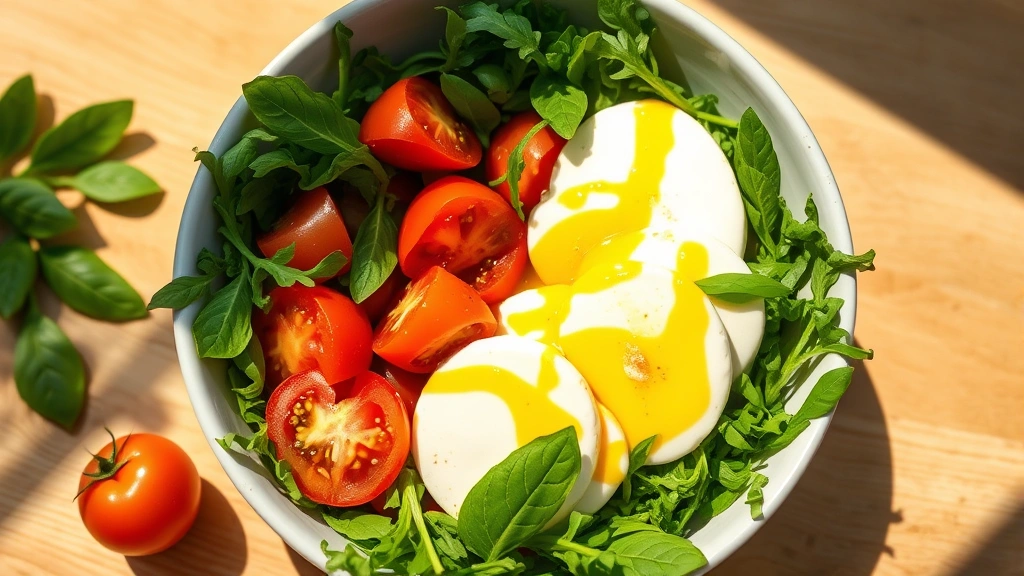
Caprese Salad with Fresh Basil: This Italian classic celebrates summer’s best flavors with minimal preparation. Layer ripe tomatoes, fresh mozzarella, and basil, then drizzle with quality extra virgin olive oil and balsamic vinegar. The simplicity allows premium ingredients to shine while providing lycopene from tomatoes and calcium from cheese. This salad works beautifully as an appetizer or light meal.
Cucumber and Dill Salad: Combine crisp cucumbers with fresh dill, red onion, and a light vinegar dressing. This refreshing option provides excellent hydration due to cucumbers’ high water content—nearly 96 percent water by weight. Add feta cheese for protein and creaminess, creating a more substantial meal option.
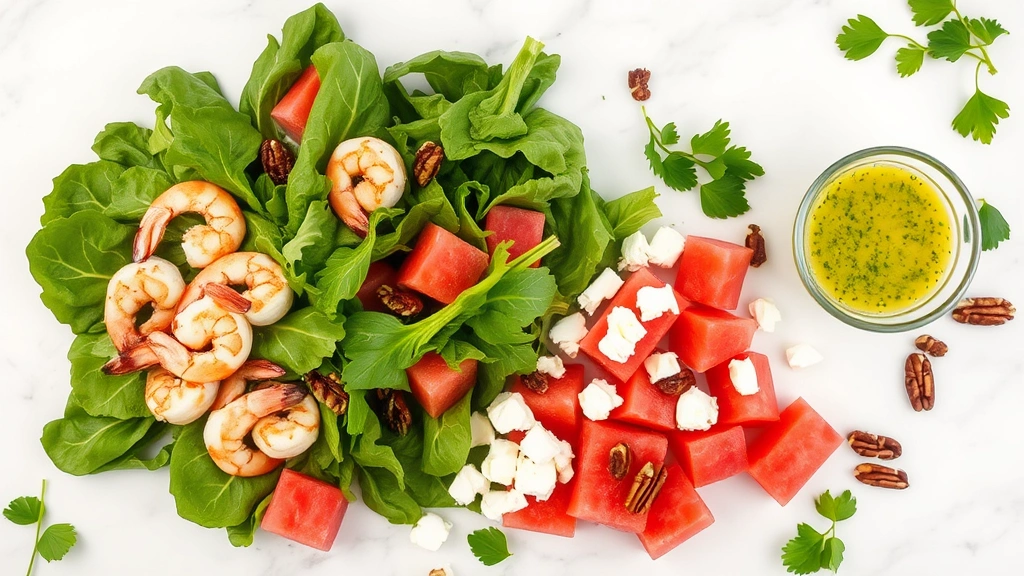
Watermelon and Feta Salad: This unexpected combination balances sweet watermelon with salty feta, peppery arugula, and fresh mint. Watermelon provides lycopene and citrulline, which supports cardiovascular health. The contrast of flavors and textures creates interest while keeping preparation simple.
Heirloom Tomato Salad: When heirloom tomatoes peak in summer, create a simple salad featuring their diverse colors and flavors. Mix varieties—Cherokee Purple, Brandywine, Yellow Pear—with fresh basil, garlic, and a light olive oil and vinegar dressing. This celebrates tomato diversity while providing maximum nutrition.
Corn and Black Bean Salad: Fresh corn combines with black beans, bell peppers, cilantro, and lime juice for a vibrant, protein-rich option. This salad provides complete protein when beans and corn combine, plus fiber, antioxidants, and satisfying texture. Prepare ahead and refrigerate for convenient meal components.
Protein-Packed Summer Salad Ideas
Grilled Chicken Caesar Salad: Elevate the classic by using grilled chicken breast instead of fried croutons, maintaining nutritional integrity while adding satisfying protein. Create a lighter Caesar dressing using Greek yogurt instead of mayonnaise, reducing calories while maintaining creaminess. Add whole grain croutons for fiber and texture without excess fat.
Tuna Salad with Fresh Vegetables: Combine canned or fresh tuna with crisp vegetables, creating a nutrient-dense meal. Tuna provides omega-3 fatty acids, which support heart and brain health. Mix with avocado for healthy fats and creamy texture, then serve over mixed greens or with whole grain crackers.
Chickpea and Quinoa Salad: For vegetarian protein options, combine chickpeas and quinoa—both complete proteins containing all essential amino acids. Add cherry tomatoes, cucumber, bell pepper, and a lemon-tahini dressing. This salad provides sustained energy from complex carbohydrates and protein, making it ideal for active individuals.
Grilled Shrimp Salad: Quick-cooking shrimp offers lean protein perfect for summer entertaining. Toss with mixed greens, avocado, mango, and a cilantro-lime dressing for tropical flavors. Shrimp provides selenium and B vitamins while remaining low in calories, making this option nutritionally superior for weight management.
Egg Salad with Garden Vegetables: Hard-boiled eggs provide complete protein and choline for brain health. Mix with Greek yogurt instead of mayonnaise, then add fresh dill, crisp celery, and cucumber. Serve on whole grain bread or over greens for a satisfying summer meal.
Turkey and Dried Fruit Salad: Combine sliced turkey breast with spinach, dried cranberries, candied pecans, and goat cheese. This sweet-savory combination provides lean protein, fiber, and antioxidants. The contrast of flavors keeps meals interesting while maintaining nutritional balance.
Dressing Your Summer Salads
Dressings transform salads from adequate to exceptional, but many commercial options contain hidden sugars, unhealthy oils, and preservatives. Creating homemade salad dressings and sauces provides complete control over ingredients while developing culinary skills.
Classic Vinaigrette: Combine three parts quality olive oil with one part vinegar—balsamic, red wine, or apple cider. Add Dijon mustard, minced garlic, and herbs. This simple formula creates versatile dressing suitable for any salad. The acidity in vinegar aids nutrient absorption and supports digestive health.
Lemon-Tahini Dressing: Whisk tahini with lemon juice, garlic, water, and herbs for creamy dressing without dairy. This option provides sesame’s nutritional benefits—calcium, magnesium, and healthy fats. Adjust water content to reach desired consistency.
Greek Yogurt Ranch: Replace mayonnaise with plain Greek yogurt in ranch dressing recipes. This substitution reduces calories and fat while increasing protein content. Add fresh herbs, garlic, and a squeeze of lemon for bright flavors. This dressing works wonderfully on salads or as a vegetable dip.
Balsamic Glaze: Reduce balsamic vinegar with a touch of honey until syrupy, creating a sophisticated dressing. This concentrated flavor means you use less overall, reducing calorie intake while maximizing taste. Drizzle over salads with quality olive oil.
Herb-Infused Oil: Create custom dressings by infusing olive oil with fresh herbs—basil, dill, oregano, or tarragon. Combine with vinegar and mustard for personalized dressings that reflect your flavor preferences. This technique develops culinary confidence while ensuring fresh ingredients.
When making dressings, remember that fat-soluble vitamins in salad vegetables require dietary fat for absorption. Olive oil-based dressings enhance your body’s ability to absorb vitamins A, D, E, and K from colorful vegetables, making them nutritionally essential rather than optional indulgences.
Meal Prep Strategies for Summer Salads
Summer salads excel for meal preparation, allowing you to create multiple servings efficiently. Proper preparation techniques maintain freshness and nutritional quality throughout the week.
Component Preparation: Rather than tossing complete salads, prepare components separately. Wash and dry greens, chop vegetables, cook proteins, and prepare dressing independently. Store each component in separate containers, allowing you to assemble fresh salads daily. This method prevents soggy greens and maintains optimal texture and flavor.
Proper Storage: Store greens in breathable containers with paper towels to absorb excess moisture. Keep dressing separate until serving time. Hardy vegetables like cucumbers, bell peppers, and carrots store well for several days, while delicate herbs and tomatoes last 2-3 days maximum. Cooked proteins maintain quality for 3-4 days when properly stored.
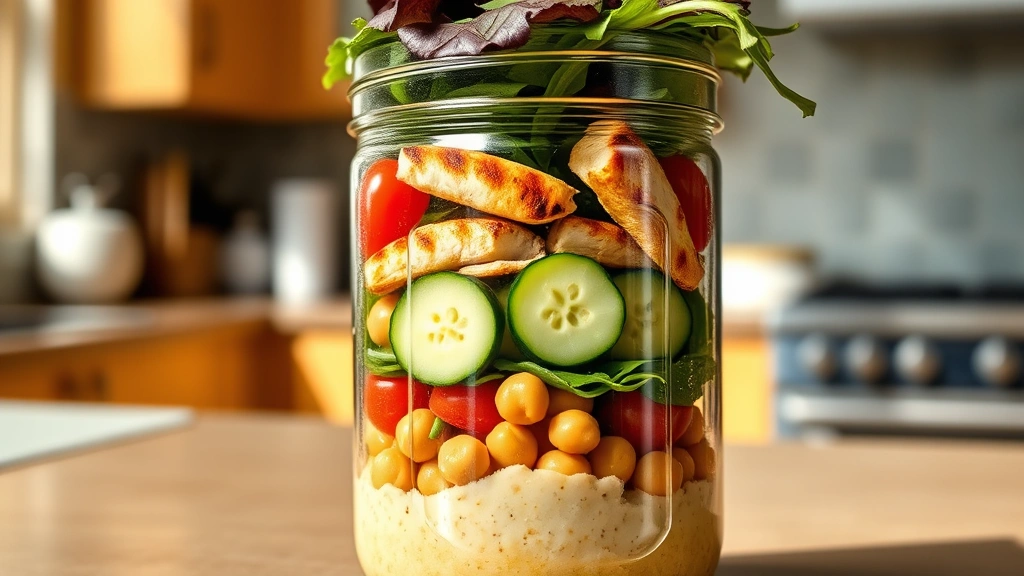
Pre-Portioned Jars: Layer ingredients in mason jars strategically—dressing on bottom, hardy vegetables next, then proteins, greens on top. When ready to eat, shake vigorously to distribute dressing, then transfer to a bowl. This method maintains freshness while creating convenient grab-and-go meals.
Freezer-Friendly Components: Prepare grilled chicken, hard-boiled eggs, and legumes in batches, freezing portions for convenient protein additions throughout the week. These components thaw quickly and maintain quality, supporting consistent meal preparation without daily cooking.
Seasonal Rotation: As summer progresses, adjust salad components to reflect changing produce availability. Early summer highlights asparagus and peas, mid-summer celebrates tomatoes and corn, while late summer features stone fruits and eggplant. This seasonal rotation ensures maximum freshness and supports local agriculture.
Effective meal prep transforms summer salads from occasional treats into consistent nutritional habits. By dedicating 1-2 hours weekly to component preparation, you create a framework for healthy eating that requires minimal daily effort.
FAQ
How do I keep salad greens fresh throughout the week?
After washing greens, ensure they’re completely dry—moisture promotes spoilage. Store in breathable containers with paper towels that absorb excess moisture. Change towels daily if they become damp. Hardy greens like spinach and kale last longer than delicate varieties like butter lettuce. Keep greens separate from dressing and wet vegetables until serving time.
Can I prepare salads the night before?
Prepare components separately but don’t assemble complete salads in advance. Greens become soggy when exposed to dressing overnight. Instead, store components separately and assemble fresh salads each morning. This takes only minutes but dramatically improves texture and flavor quality.
What proteins work best in summer salads?
Grilled chicken breast, shrimp, tuna, hard-boiled eggs, and legumes all work excellently. Choose lean proteins that don’t overpower delicate vegetables. Cold proteins work best—allow hot proteins to cool before adding to salads. Vegetarian options like chickpeas, tofu, and nuts provide complete nutrition for plant-based eating.
How much dressing should I use?
Start with two tablespoons per serving, then adjust to preference. Many people use excessive dressing, adding unnecessary calories. Quality homemade dressings require less volume because they concentrate flavor without fillers. Toss salads gently to distribute dressing evenly rather than drowning vegetables.
Are store-bought salad kits nutritious?
Pre-packaged salad kits offer convenience but often contain added dressings, croutons, and toppings high in sodium and sugar. The greens may have reduced nutrient density due to processing and storage time. Creating salads from fresh components takes minimally longer while providing superior nutrition, better flavor, and cost savings.
Can I make warm summer salads?
Absolutely. Warm salads featuring grilled vegetables, warm proteins, and tender greens create interesting contrasts. Wilting delicate greens slightly with warm dressing develops deeper flavors while maintaining nutritional benefits. Warm salads work particularly well for entertaining, as they feel more substantial than cold options.
How do I incorporate more vegetables into salads?
Aim for at least three different vegetables per salad, using multiple colors to ensure nutritional variety. Include both raw and lightly cooked vegetables for textural interest. Add vegetable-forward components like roasted beets, grilled zucchini, or steamed broccoli to increase volume without adding heavy ingredients.
What summer salad recipes work for entertaining?
Caprese salads, grain-based salads, and composed salads with multiple components impress guests while remaining simple to prepare. Create attractive presentations by arranging components thoughtfully rather than tossing everything together. Allow guests to customize dressing amounts, accommodating various preferences.


