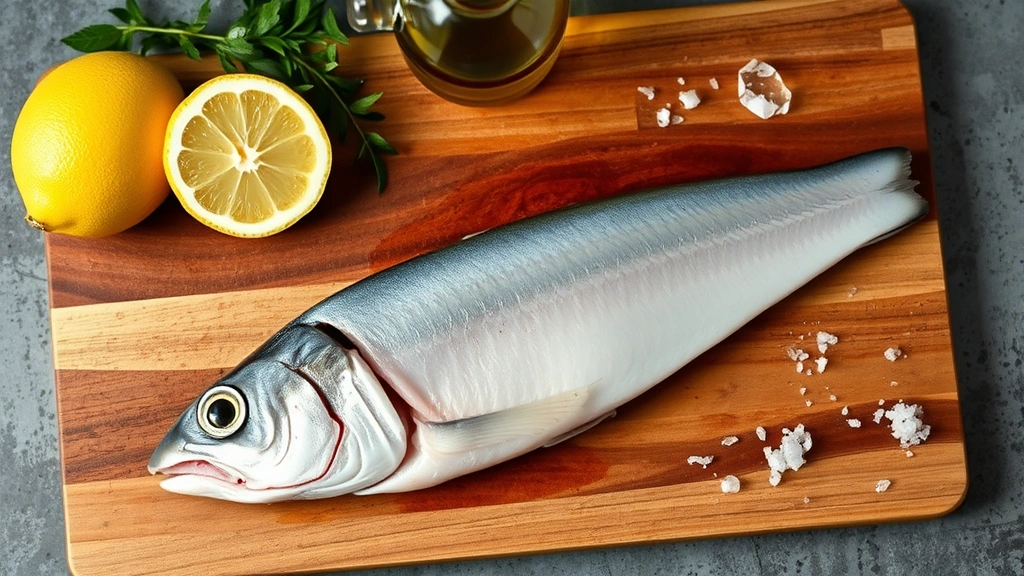
Grilled Swordfish Steaks: Chef’s Favorite Method
Swordfish steaks represent one of the most versatile and impressive proteins you can master on the grill. With their firm, meaty texture and mild, slightly sweet flavor, these magnificent fish steaks deliver restaurant-quality results when prepared with the right technique. Whether you’re hosting a dinner party or preparing a weeknight meal, learning the chef’s favorite method for grilling swordfish will transform your cooking repertoire and elevate your seafood game to professional levels.
The beauty of swordfish lies in its structural integrity—unlike delicate white fish that flakes apart, swordfish maintains its shape during cooking, making it forgiving for both beginners and experienced cooks. When you understand the fundamentals of temperature control, seasoning, and timing, you’ll create perfectly cooked swordfish steaks with a beautiful crust and moist, tender interior every single time.
Why Swordfish Is Perfect for Grilling
Professional chefs consistently choose swordfish for grilling because of its exceptional characteristics that make it nearly impossible to overcook. The dense, meaty flesh contains natural oils that keep the fish moist even at higher temperatures. Unlike chicken breasts or lean fish fillets, swordfish steaks won’t dry out as quickly, giving you a wider window for achieving perfect doneness.
The structural integrity of swordfish steaks means they won’t flake apart or stick to the grill grates. This makes handling easier and creates those beautiful, coveted grill marks that make your dish look professionally prepared. Additionally, swordfish’s mild flavor profile pairs beautifully with bold seasonings and marinades, allowing you to experiment with Mediterranean herbs, citrus, garlic, and spices without overwhelming the delicate taste of the fish itself.
Another reason chefs favor swordfish is its sustainability and availability. Most quality fishmongers carry swordfish year-round, and it’s a reliable choice that doesn’t require special ordering. The consistent quality means you can confidently serve it to guests knowing it will perform well every time.
Selecting and Preparing Your Swordfish Steaks
The foundation of any great dish begins with quality ingredients. When selecting swordfish steaks, visit a reputable fishmonger and look for flesh that’s firm, moist, and translucent. The color should be pinkish or beige—avoid any steaks with browning or a dull appearance. Fresh swordfish should smell like the ocean, never fishy or ammonia-like, which would indicate spoilage.
Ask your fishmonger to cut steaks between one and one-and-a-half inches thick. This thickness is ideal for grilling because it allows the exterior to develop a beautiful crust while the interior remains tender and juicy. Thinner steaks risk becoming dry, while thicker ones may not cook through before the outside burns.
Once you bring your swordfish home, remove it from the refrigerator 20-30 minutes before grilling. This allows the fish to reach room temperature, ensuring even cooking throughout. Pat the steaks dry with paper towels—moisture is the enemy of a good crust. Place the dried steaks on a clean plate and let them sit at room temperature while you prepare your grill and seasonings.
Inspect each steak for any remaining bones. While the center bone is typically removed during cutting, occasionally small pin bones remain along the edges. Use tweezers or needle-nose pliers to remove any you find, pulling in the direction of the bone. This simple step prevents unpleasant surprises when eating and demonstrates attention to detail that separates amateur cooking from professional preparation.
The Chef’s Essential Seasoning Method
Professional chefs understand that proper seasoning is about balance and timing. The simplest approach—and often the most effective—is a combination of kosher salt, freshly ground black pepper, and quality olive oil. This classic trio allows the natural flavor of the swordfish to shine while enhancing its taste.
For every pound of swordfish, use approximately one teaspoon of kosher salt and one-half teaspoon of freshly ground black pepper. Apply the seasoning just before the steaks hit the grill, never hours in advance. Salt draws out moisture if applied too early, which would prevent proper browning and crust formation.
Consider preparing a simple herb oil to brush on the steaks. Combine extra virgin olive oil with minced fresh garlic, lemon zest, and fresh herbs like dill, tarragon, or parsley. This adds depth of flavor without overwhelming the delicate fish. You can also create a Mediterranean-inspired seasoning blend with dried oregano, thyme, and a pinch of red pepper flakes mixed into your salt and pepper.
For those who enjoy more complex flavors, create a wet rub using olive oil, Dijon mustard, minced garlic, fresh lemon juice, and your choice of herbs. Apply this mixture generously to both sides of the steaks 5-10 minutes before grilling. This timing allows flavors to penetrate slightly while still maintaining the ability to develop a proper crust on the grill.
Grill Setup and Temperature Control
Temperature control separates successful grilling from mediocre results. Preheat your grill to medium-high heat, which should register between 400-450 degrees Fahrenheit. If using a gas grill, light all burners and allow them to heat for 10-15 minutes. For charcoal grills, light the charcoal and wait until it’s covered with white ash and glowing red underneath—typically 20-30 minutes.
Create a two-zone cooking area on your grill. One side should be the direct heat zone at full temperature, and the other side should be medium or medium-low heat. This setup allows you to sear the swordfish over high heat initially, then move it to the cooler zone if needed to finish cooking without charring the exterior.
Clean your grill grates thoroughly with a grill brush. Food residue prevents steaks from developing proper contact with the heat source, resulting in uneven cooking and poor crust formation. After brushing, lightly oil the grates using a paper towel dipped in high-heat oil like vegetable or canola oil. This prevents sticking and helps create beautiful grill marks.
For gas grill users, ensure all burners are functioning properly and producing even heat. For charcoal users, arrange coals in an even layer across half the grill, leaving the other half empty for the cooler zone. This arrangement gives you maximum flexibility during cooking.
Step-by-Step Grilling Technique
Step One: Final Preparation Place your seasoned swordfish steaks on a clean plate near the grill. Have all your tools ready—long-handled tongs, a fish spatula, and a meat thermometer. Never leave the grill unattended once you begin cooking.
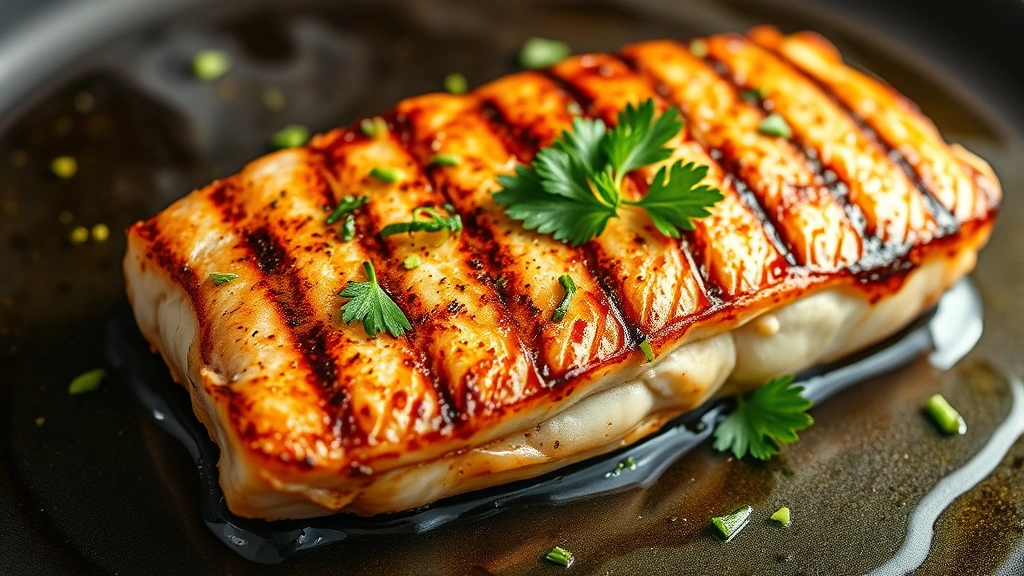
Step Two: The Initial Sear Place the swordfish steaks directly over the high-heat zone. You should hear an immediate sizzle—this indicates proper temperature. Resist the urge to move the steaks; let them sit undisturbed for 3-4 minutes. This allows a flavorful crust to develop through the Maillard reaction, where proteins and sugars interact at high temperatures to create complex flavors and appealing browning.
Step Three: The Flip Using a long-handled spatula or tongs, flip the steaks carefully. If they resist movement, wait 30 seconds more—they’re not ready to release from the grates yet. Once flipped, cook the second side for another 3-4 minutes. Look for similar browning and crust development on this side.
Step Four: Checking for Doneness Insert a meat thermometer into the thickest part of the steak, avoiding the bone. Swordfish is best served at 145 degrees Fahrenheit, which provides a moist interior while ensuring food safety. If your steaks haven’t reached this temperature, move them to the cooler zone of your grill and continue cooking, checking temperature every minute.
Step Five: The Rest Remove the swordfish from the grill and place it on a clean plate. Allow the steaks to rest for 3-5 minutes before serving. During this rest period, residual heat continues cooking the center slightly, and juices redistribute throughout the meat, ensuring maximum tenderness and moisture.
Timing and Doneness
Timing for swordfish steaks depends on thickness and your grill’s temperature. One-inch-thick steaks typically require 6-8 minutes total cooking time (3-4 minutes per side), while one-and-a-half-inch steaks need 8-12 minutes total. These are guidelines only—always verify doneness with a meat thermometer rather than relying solely on time.
The USDA recommends cooking fish to an internal temperature of 145 degrees Fahrenheit. At this temperature, the flesh becomes opaque and flakes easily when tested with a fork, but remains moist and tender. Overcooked swordfish becomes dry and loses its appealing texture, so using a thermometer is absolutely essential for consistent results.
Understanding the visual cues of doneness helps when you don’t have a thermometer. Properly cooked swordfish flesh transitions from translucent to opaque. When you press the steak gently with your finger, it should feel firm but still slightly give when pressed, similar to the fleshy area below your thumb when making a “C” shape with your hand.
Weather conditions affect cooking time significantly. On cooler days or windy evenings, your grill may not maintain temperature as effectively, requiring longer cooking times. Conversely, extremely hot days might cook steaks faster. Always be flexible and use visual cues combined with thermometer readings for best results.
Finishing Touches and Serving Ideas
The final moments before serving are where chefs add those special touches that elevate a good dish to memorable. As soon as the swordfish comes off the grill, brush it lightly with quality extra virgin olive oil and a squeeze of fresh lemon juice. The heat of the fish will release the lemon’s aromatic oils, creating an inviting fragrance and bright flavor.
Fresh herbs scattered over the top add color, aroma, and taste. Finely chopped parsley, dill, or basil work beautifully. For a Mediterranean approach, try a combination of fresh herbs with toasted breadcrumbs mixed with lemon zest and garlic. This creates textural contrast and visual appeal.
Swordfish pairs wonderfully with numerous accompaniments. Serve alongside quick and easy pasta recipes like a light lemon butter pasta or fresh tomato-based dishes. Alternatively, create a complete meal with grilled vegetables like zucchini, bell peppers, and asparagus cooked alongside the fish. A crisp salad dressed with homemade salad dressings provides a refreshing counterpoint to the rich fish.
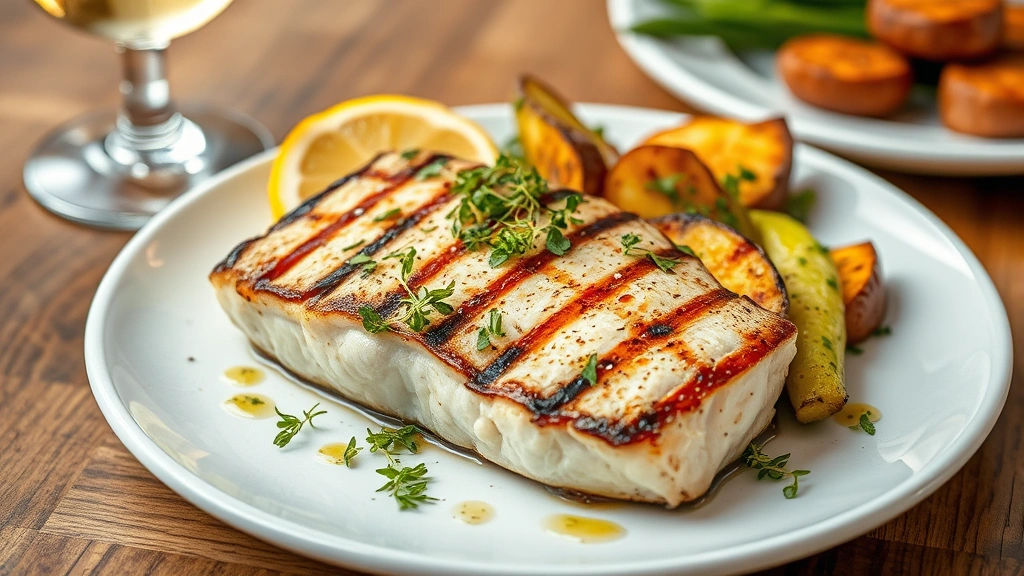
Consider finishing the plated dish with a drizzle of herb oil, a sprinkle of fleur de sel, and a wedge of lemon for both aesthetics and additional flavor. The presentation should celebrate the beautiful grill marks and golden-brown crust you’ve worked to achieve.
Common Mistakes to Avoid
Mistake One: Cooking from Cold Never place swordfish directly from the refrigerator onto the grill. Cold fish won’t develop a proper crust and will cook unevenly. Always allow 20-30 minutes for the steaks to reach room temperature before grilling.
Mistake Two: Insufficient Heat Grill temperature that’s too low prevents crust formation and results in steamed rather than grilled fish. Maintain medium-high heat and verify temperature with a grill thermometer before starting.
Mistake Three: Moving the Fish Too Much Constantly flipping or moving the steaks prevents proper browning and can cause sticking. Resist the urge to fidget; let the fish sit undisturbed for the first 3-4 minutes to develop a crust.
Mistake Four: Overseasoning Swordfish’s delicate flavor is easily overwhelmed. Stick to simple seasonings that complement rather than mask the natural taste. Remember that you can always add more seasoning, but you cannot remove it.
Mistake Five: Overcooking This is the most common mistake with fish. Use a meat thermometer and remove the fish at 145 degrees Fahrenheit. Even a few degrees of overcooking noticeably dries out the delicate flesh.
Mistake Six: Skipping the Rest Period Allowing the grilled steaks to rest for 3-5 minutes redistributes juices and ensures maximum tenderness. Cutting into the fish immediately causes valuable moisture to escape onto the plate.
Mistake Seven: Dirty Grill Grates Food residue on the grates prevents even heat contact and causes uneven cooking. Always clean grates thoroughly before heating the grill and oil them lightly before cooking.
FAQ
How can I tell if my swordfish is fresh at the market?
Fresh swordfish should have firm, moist flesh with a pinkish or beige color. The smell should be clean and ocean-like, never fishy or ammonia-like. Ask your fishmonger when the fish arrived and request steaks cut to order if possible. Avoid any steaks with browning, dull appearance, or liquid pooling beneath them.
Can I marinate swordfish before grilling?
Yes, but keep marinating time brief—no more than 30-45 minutes. Extended marinating can make the delicate flesh mushy. Oil-based marinades work best, as acidic marinades (with vinegar or citrus) can overly soften the exterior. Always pat the steaks dry before grilling, regardless of marinating time.
What temperature should swordfish reach?
The USDA recommends cooking fish to 145 degrees Fahrenheit. At this temperature, the flesh is opaque and flakes easily, but remains moist and tender. Use a meat thermometer inserted into the thickest part of the steak for accuracy.
How do I prevent swordfish from sticking to the grill?
Ensure your grill grates are clean and lightly oiled before cooking. Allow the steaks to develop a crust before attempting to move them—this typically takes 3-4 minutes. Don’t flip them prematurely, and use a fish spatula rather than tongs for easier handling.
Can I cook swordfish indoors if I don’t have an outdoor grill?
Absolutely. A cast-iron skillet preheated to medium-high heat works beautifully. Heat the skillet until it’s smoking, then add a small amount of high-heat oil. Sear the steaks 3-4 minutes per side, then finish in a 400-degree oven if needed. You won’t achieve grill marks, but the result will be equally delicious.
How should I store leftover grilled swordfish?
Refrigerate leftovers in an airtight container for up to two days. Reheat gently in a 275-degree oven with a little olive oil to prevent drying. Leftover swordfish also works wonderfully in pasta dishes or salads for a quick meal the next day.
What wine pairs well with grilled swordfish?
Crisp white wines like Sauvignon Blanc, Pinot Grigio, or Albariño pair beautifully with grilled swordfish. For richer preparations with butter or cream sauces, try Chardonnay. Rosé is also an excellent choice for Mediterranean-seasoned preparations.
Can I use frozen swordfish steaks?
Yes, but thaw them properly first. Place frozen steaks in the refrigerator overnight to thaw slowly. Never use the defrost setting on your microwave, as this creates uneven thawing and can cook portions of the fish. Once thawed, follow the same preparation and cooking instructions as fresh steaks.


