
Grill Swordfish Steaks? Chef’s Secret Recipe
Grilling swordfish steaks is one of the most rewarding techniques in seafood cookery, transforming firm, meaty fish into restaurant-quality dishes right in your backyard. Unlike delicate white fish that crumbles under high heat, swordfish’s dense texture makes it perfectly suited for direct flame cooking. This ancient fish has graced Mediterranean tables for centuries, and today’s modern grilling methods honor that tradition while delivering impressive results that will impress your dinner guests.
What makes swordfish truly special is its ability to develop a beautiful caramelized crust while maintaining a moist, tender interior. The key lies in understanding the fish’s structure, mastering temperature control, and applying the right techniques. In this comprehensive guide, I’ll share the chef’s secrets that transform ordinary swordfish steaks into extraordinary meals, complete with timing strategies, flavor combinations, and troubleshooting tips you won’t find in typical cookbooks.
Why Swordfish is the Perfect Grilling Fish
Swordfish belongs to an exclusive category of fish that thrive on the grill. Its flesh contains higher fat content than most white fish, with a meaty structure similar to tuna or mahi-mahi. This composition prevents the fish from drying out during high-heat cooking, a common problem with leaner varieties. The protein structure in swordfish is dense enough to hold together without flaking apart, meaning you won’t have pieces falling through your grill grates.
The flavor profile is another compelling reason to choose swordfish for grilling. It has a mild, slightly sweet taste that doesn’t overpower delicate seasoning combinations. When cooked properly, swordfish develops a subtle umami quality that pairs beautifully with Mediterranean herbs, citrus, and light olive oil-based sauces. The firm texture also makes swordfish ideal for bold seasoning approaches that might overwhelm more delicate fish.
From a nutritional standpoint, swordfish offers impressive benefits. It’s rich in selenium, niacin, and vitamin B12, while providing lean protein with moderate fat content. The omega-3 fatty acids present in swordfish support cardiovascular health, making this recipe choice both delicious and nutritious. Understanding these characteristics helps explain why professional chefs consistently choose swordfish for high-volume grilling operations.
Selecting and Preparing Your Swordfish Steaks
The foundation of an exceptional grilled swordfish dish begins at the fish counter. Look for steaks that are at least 1 to 1.5 inches thick, cut perpendicular to the backbone. Thinner cuts cook too quickly and tend to dry out, while thicker steaks provide better heat distribution. The flesh should appear firm and translucent, with a subtle pink or beige hue depending on the fish’s diet and origin.
Quality indicators matter significantly. Fresh swordfish should smell like the ocean—briny and clean—never fishy or ammonia-like. The flesh should spring back when gently pressed with your finger. If your fishmonger can’t provide steaks cut to order, ask about previously frozen options, as many high-quality swordfish are frozen immediately after catch to preserve freshness. Thawed frozen fish often performs better on the grill than aged fresh fish.
Preparation is minimal but crucial. Remove swordfish steaks from refrigeration 20-30 minutes before grilling to allow even cooking. Pat them completely dry with paper towels—moisture is the enemy of proper browning. Some chefs prefer to lightly brush steaks with neutral oil before seasoning, which helps seasonings adhere and promotes browning. Check for any remaining skin or pin bones by running your fingers across the surface, removing them with tweezers if present.
Essential Equipment and Setup
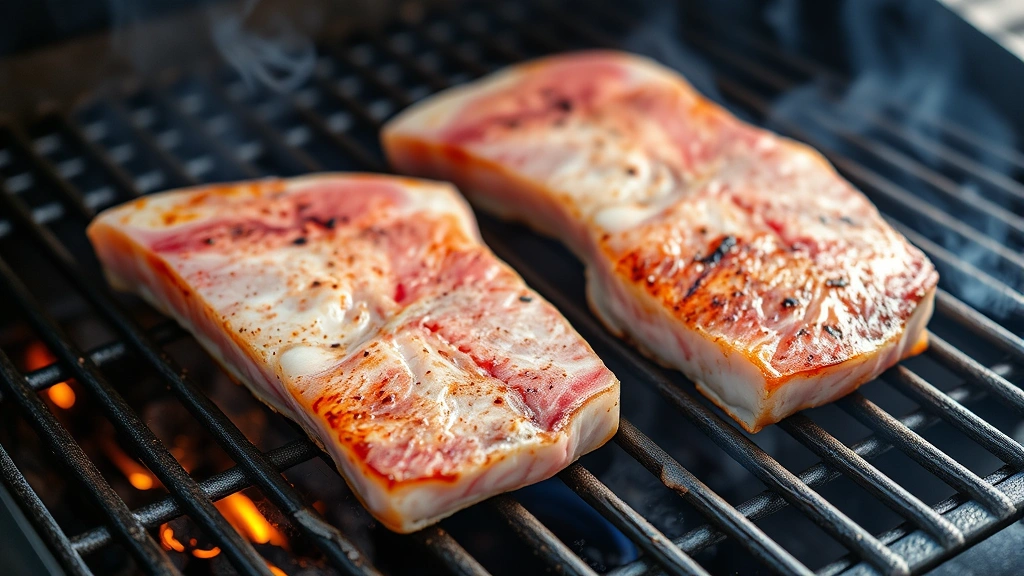
Successful swordfish grilling requires proper equipment and meticulous setup. A two-zone fire is essential—one side at high heat (around 450-500°F) for searing, and one side at medium heat (300-350°F) for gentler cooking. If using a charcoal grill, arrange coals on one half of the grill, leaving the other side empty. For gas grills, preheat all burners, then turn off one side before cooking begins.
A fish basket or grill mat prevents sticking and makes flipping easier, though experienced grillers often work directly on oiled grates. If using grates, ensure they’re absolutely clean and well-oiled. Heat your grill for at least 15 minutes before cooking to establish stable temperatures and allow grates to reach proper temperature.
Additional tools that elevate your grilling game include a meat thermometer (essential for determining doneness without cutting into the fish), a long-handled fish spatula (wider and more flexible than standard spatulas), and long tongs for safe handling. Keep a spray bottle of water nearby to manage flare-ups, and have your sauces and finishing ingredients prepared before you begin cooking.
The Chef’s Secret Seasoning Method
This is where the magic happens. Professional chefs understand that seasoning timing dramatically affects flavor development. The secret involves a three-stage seasoning approach that builds complexity without overwhelming the fish’s delicate flavor.
Stage One: The Base Layer occurs 30 minutes before grilling. Apply kosher salt and freshly ground black pepper directly to the steaks. This allows the salt to penetrate the protein structure, enhancing moisture retention and flavor distribution. Some chefs add a pinch of smoked paprika at this stage for subtle depth.
Stage Two: Aromatics and Herbs are applied just before grilling. Fresh herbs like thyme, oregano, or rosemary release their volatile oils when warmed by the grill. Minced garlic or shallots add complexity without overpowering. A light brush of high-quality olive oil helps these aromatics adhere and promotes browning. This stage happens while your grill reaches temperature.
Stage Three: Finishing Seasoning occurs immediately after removing steaks from the grill. A squeeze of fresh lemon or lime juice brightens flavors, while a sprinkle of fleur de sel provides textural contrast and emphasizes the swordfish’s natural brininess. Some chefs add a small knob of compound butter (herb-infused butter prepared ahead) that melts over the hot fish.
For a Mediterranean approach, create a paste of minced garlic, fresh parsley, lemon zest, and quality olive oil. Apply this 10 minutes before grilling for maximum flavor penetration. Alternatively, try an Asian-inspired approach using soy sauce, ginger, sesame oil, and scallions, which complements swordfish’s meaty texture beautifully.
Grilling Techniques for Perfect Results
The actual grilling process requires attention and proper technique. Begin by placing your prepared steaks on the high-heat zone of your grill. You want immediate, aggressive browning—don’t move them. Resist the urge to flip or adjust; let the Maillard reaction work its magic for 3-4 minutes. This chemical process creates the flavorful, caramelized crust that distinguishes restaurant-quality grilled fish from mediocre attempts.
After the initial sear, flip the steaks using a single confident motion with your fish spatula. Never flip multiple times—one flip is ideal, creating a beautiful crosshatch pattern if you rotate 45 degrees before flipping. The second side needs less time due to carryover heat from the first side. Sear for 2-3 minutes on the second side, then move the steaks to the medium-heat zone to finish cooking gently.
This two-temperature approach prevents the outside from overcooking while the inside remains undercooked. The medium-heat zone allows residual heat to penetrate the thickest parts of the steak without additional browning. This technique, used in professional kitchens worldwide, is the key to achieving perfect results consistently.
Monitor internal temperature using your thermometer, inserting it horizontally into the thickest part of the steak. Swordfish is best served medium to medium-well, with an internal temperature of 140-145°F. At this temperature, the flesh remains moist and tender while being fully cooked. Some chefs prefer pulling swordfish at 135°F and allowing carryover cooking to reach the target temperature off the grill.
Cooking Times and Temperature Guidelines
Timing depends on several variables: steak thickness, grill temperature, and your target doneness. For 1.25-inch steaks on a properly preheated grill with a two-zone fire setup, expect approximately 8-10 minutes total cooking time. The first side requires 3-4 minutes on high heat, the second side 2-3 minutes on high heat, then 3-4 minutes on medium heat until reaching target temperature.
Thicker steaks (1.5 inches) need slightly longer: 4-5 minutes on the first side, 3-4 minutes on the second side, then 4-5 minutes on medium heat. Always use a thermometer rather than relying on timing alone, as grill variations significantly affect cooking speed. A calibrated instant-read thermometer is non-negotiable for consistent results.
The carryover cooking principle is crucial. Swordfish continues cooking after leaving the grill due to residual heat. Pull steaks at 135-140°F if you prefer them slightly less cooked, allowing carryover to carry them to 140-145°F as they rest. This prevents overcooking and maintains maximum moisture content.
Never cook swordfish beyond 150°F, as higher temperatures cause significant moisture loss, resulting in dry, tough flesh. The window between perfectly cooked and overdone is narrow—this is why temperature monitoring matters more than timing.
Finishing Touches and Serving Suggestions
The final minutes determine whether your dish tastes good or exceptional. Let grilled steaks rest for 3-5 minutes after removing from heat. This allows juices to redistribute throughout the flesh, ensuring maximum tenderness. Tent loosely with foil to retain warmth without trapping steam.
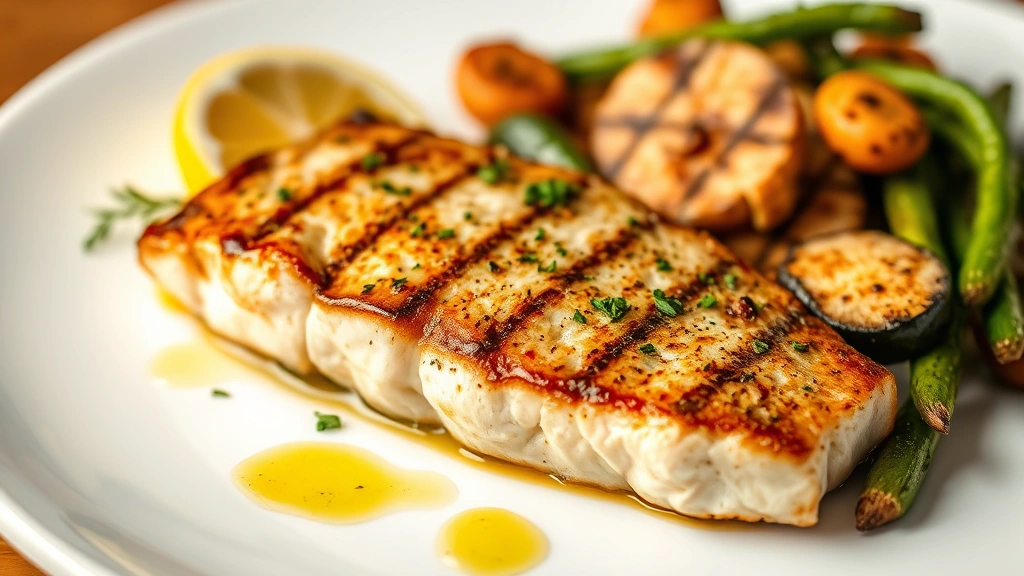
Apply finishing touches during the rest period. A drizzle of premium extra-virgin olive oil adds richness and enhances flavor perception. Fresh herbs—basil, parsley, or dill—scattered across the steaks introduce brightness and visual appeal. A squeeze of fresh citrus (lemon, lime, or blood orange) provides acidity that balances the fish’s richness.
Consider pairing your swordfish with complementary sides. Grilled vegetables like zucchini, bell peppers, and asparagus share the grill and pick up similar char flavors. Light grain sides such as quinoa pilaf or couscous provide texture contrast. A simple arugula salad dressed with lemon vinaigrette balances the grilled richness.
For sauce options, try a beurre blanc infused with dill and capers, a tomato-based salsa verde, or a simple compound butter. You can also prepare rich pan sauces using the grill drippings as a base. Mediterranean flavors work particularly well—think olive tapenade, anchovy butter, or romesco sauce.
Common Mistakes and How to Avoid Them
Mistake One: Insufficient Drying – Moisture on the fish surface prevents proper browning. Always pat steaks completely dry before seasoning. This single step dramatically improves crust development.
Mistake Two: Unstable Grill Temperature – Fluctuating temperatures result in uneven cooking. Preheat your grill for at least 15 minutes and maintain consistent temperatures throughout cooking. Use a grill thermometer to verify actual temperatures.
Mistake Three: Overcrowding – Grilling multiple steaks simultaneously reduces grill temperature and prevents proper browning. Leave adequate space between steaks for heat circulation. Cook in batches if necessary.
Mistake Four: Excessive Flipping – Each time you flip, you interrupt the browning process and can damage the delicate flesh. Flip once, moving to cooler zones as needed. Resist the urge to constantly adjust.
Mistake Five: Cooking from Cold – Cold fish cooks unevenly, with the outside overdone before the inside reaches proper temperature. Always bring steaks to room temperature before grilling (20-30 minutes out of refrigeration).
Mistake Six: Overcooking – This is the most common error. Swordfish dries quickly beyond 145°F. Use a thermometer religiously and pull steaks slightly early to account for carryover cooking.
Mistake Seven: Neglecting Grate Preparation – Dirty grates cause sticking and uneven cooking. Clean grates thoroughly and oil them immediately before adding fish. A well-oiled grate is essential for achieving a proper crust.
Mistake Eight: Skipping the Rest Period – Cutting into swordfish immediately releases juices, resulting in dry flesh. Always rest grilled steaks for 3-5 minutes before serving, allowing juices to redistribute.
FAQ
What’s the difference between swordfish steaks and fillets?
Swordfish steaks are cross-sections cut perpendicular to the backbone, including the central bone structure. Fillets are boneless cuts from along the sides. Steaks are superior for grilling because their structure holds together better over direct heat. The central bone also conducts heat evenly, promoting uniform cooking.
Can I grill frozen swordfish steaks?
Yes, but proper thawing first yields better results. Thaw steaks in the refrigerator overnight rather than at room temperature to prevent bacterial growth. If you must grill from frozen, increase cooking time by 50% and monitor internal temperature carefully. Thawed fish browns better and develops superior crust.
How do I know if my swordfish is fresh?
Fresh swordfish should smell like clean ocean air, never fishy. The flesh should be firm, moist, and translucent, with no discoloration or dull appearance. Ask your fishmonger when the fish arrived—ideally within 24 hours. If uncertain, frozen swordfish from reputable sources often surpasses aged fresh fish in quality.
What’s the best wood for smoking swordfish?
If adding smoke, use mild woods like apple, cherry, or alder that won’t overpower delicate fish flavors. Avoid heavy woods like hickory or oak. Add smoke chips for the first 2-3 minutes of cooking only, as extended smoking can make swordfish taste overly smoky. Many chefs skip smoking entirely to preserve the fish’s natural flavor.
Can I prepare swordfish steaks indoors?
Absolutely. A cast-iron skillet or grill pan over high heat replicates outdoor grilling results. Preheat the pan until smoking, then sear steaks 3-4 minutes per side, finishing in a 400°F oven if needed. The technique differs slightly, but the same principles apply—proper drying, high initial heat, and monitoring internal temperature ensure success.
What wine pairs with grilled swordfish?
Crisp white wines like Sauvignon Blanc, Pinot Grigio, or Vermentino complement grilled swordfish beautifully. If serving with Mediterranean herbs and olive oil, consider Italian whites like Verdicchio. Rosé wines work well if your sauce includes tomato elements. Avoid heavy reds, which overpower the fish’s delicate flavor.
How far in advance can I season swordfish?
Salt and pepper can be applied up to 30 minutes ahead. Wet ingredients like marinades should be applied no more than 15-20 minutes before grilling to prevent the surface from becoming too wet, which inhibits browning. Fresh herbs and aromatics are best applied just before cooking when their oils are most potent.
Is swordfish sustainable?
Swordfish populations have recovered significantly thanks to international fishing regulations. Look for swordfish caught in the Atlantic or Pacific using harpoon or pole-and-line methods, which minimize bycatch. Avoid swordfish from unregulated sources. Sustainable seafood certifications from organizations like the Marine Stewardship Council indicate responsible sourcing.


