How to Cook Tauhu? Authentic Malaysian Guide
Tauhu, the Malaysian word for tofu, represents one of Southeast Asia’s most versatile and beloved ingredients. This silky, protein-rich staple has graced Malaysian tables for centuries, transforming simple soy beans into countless culinary masterpieces. Whether you’re a seasoned cook or a curious beginner, mastering tauhu preparation opens doors to authentic flavors and healthier eating habits. The beauty of tauhu lies not just in its nutritional benefits, but in its remarkable ability to absorb flavors and adapt to any cooking technique you employ.
Malaysian cuisine celebrates tauhu in diverse ways—from golden fried blocks served with spicy dipping sauces to silky preparations in rich curries and comforting soups. Understanding the fundamentals of tauhu selection, preparation, and cooking methods ensures restaurant-quality results every time you step into the kitchen. This comprehensive guide walks you through everything you need to know about cooking authentic Malaysian tauhu, complete with practical tips from traditional kitchens and modern cooking science.
Understanding Tauhu: Types and Selection
The foundation of excellent tauhu cooking begins with understanding the different varieties available in Malaysian markets. Fresh tauhu comes in three primary textures: firm (keras), medium (sederhana), and silken (lembut). Each type serves specific culinary purposes and requires different handling approaches.
Firm tauhu maintains its structure during high-heat cooking and works beautifully for frying, grilling, and stir-frying. This dense variety absorbs marinades effectively while resisting breakage. Medium tauhu offers a balance between texture and absorbency, making it ideal for everyday dishes and mixed preparations. Silken tauhu requires gentle handling but delivers unparalleled creaminess in soups, desserts, and delicate braised dishes.
When selecting fresh tauhu at markets, look for pristine white color, firm texture when gently pressed, and absence of sour odors. Purchase from vendors with high turnover to ensure maximum freshness. Many Malaysian cooks prefer buying tauhu from morning markets when blocks arrive fresh from overnight production. Store-bought packaged tauhu works adequately but lacks the tender quality of freshly made varieties.
The coagulation method also affects tauhu’s properties. Traditional gypsum-set tauhu (石膏豆腐) yields firmer structure ideal for frying, while nigari-set varieties (卤水豆腐) offer silkier texture perfect for gentle preparations. Understanding these distinctions helps you choose the right product for your intended dish.
Preparation Techniques for Perfect Results
Proper preparation fundamentally transforms tauhu’s performance in any recipe. Begin by removing tauhu from its packaging and gently draining excess liquid. Pat the surface dry using paper towels—this crucial step prevents oil splattering during frying and ensures better browning.
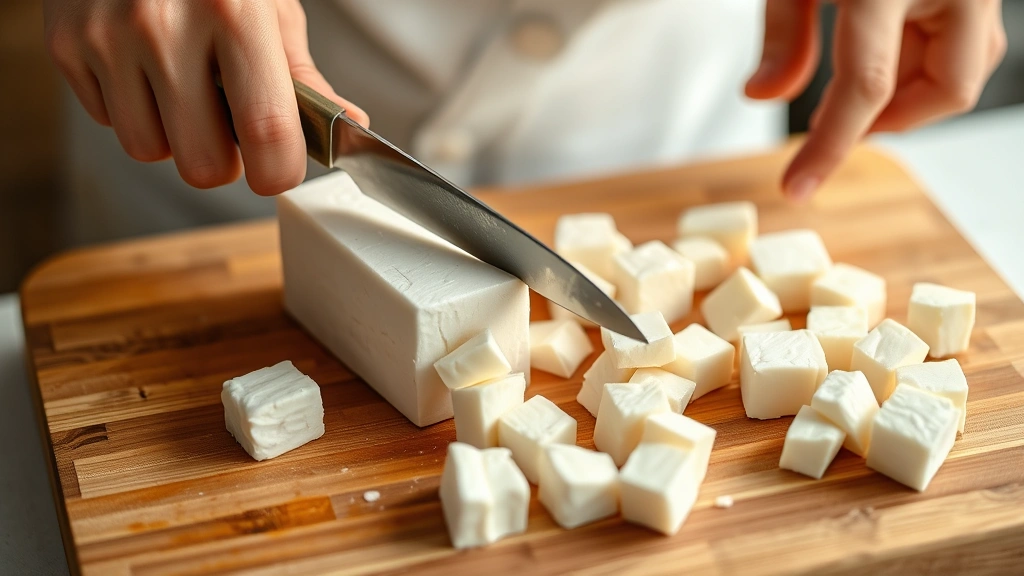
For cubing tauhu, use a sharp knife and gentle sawing motions rather than pressing downward, which causes crumbling. A helpful technique involves sliding a thin knife horizontally through the block first, creating manageable halves, then cutting into desired sizes. Many Malaysian cooks prefer 2-inch cubes for curry dishes and slightly smaller pieces for stir-fries.
When pressing tauhu to remove excess moisture, wrap blocks in clean cloth and place under a light weight for 15-30 minutes. Avoid excessive pressure that damages the delicate structure. This step becomes particularly important when preparing tauhu for deep frying, as moisture content directly affects oil absorption and final texture.
Marinating tauhu develops flavor complexity that elevates simple preparations into memorable dishes. Mix soy sauce, sesame oil, garlic, and ginger, then submerge tauhu pieces for at least 30 minutes. The porous structure absorbs these aromatics, creating layers of taste throughout the finished dish. Consider making homemade sauces for superior flavor compared to commercial versions.
For blanching tauhu before incorporating into soups or curries, briefly submerge pieces in boiling water for 2-3 minutes. This technique removes raw taste and firms the exterior slightly, preventing excessive absorption of liquid during extended cooking.
Classic Tauhu Goreng (Fried Tofu)
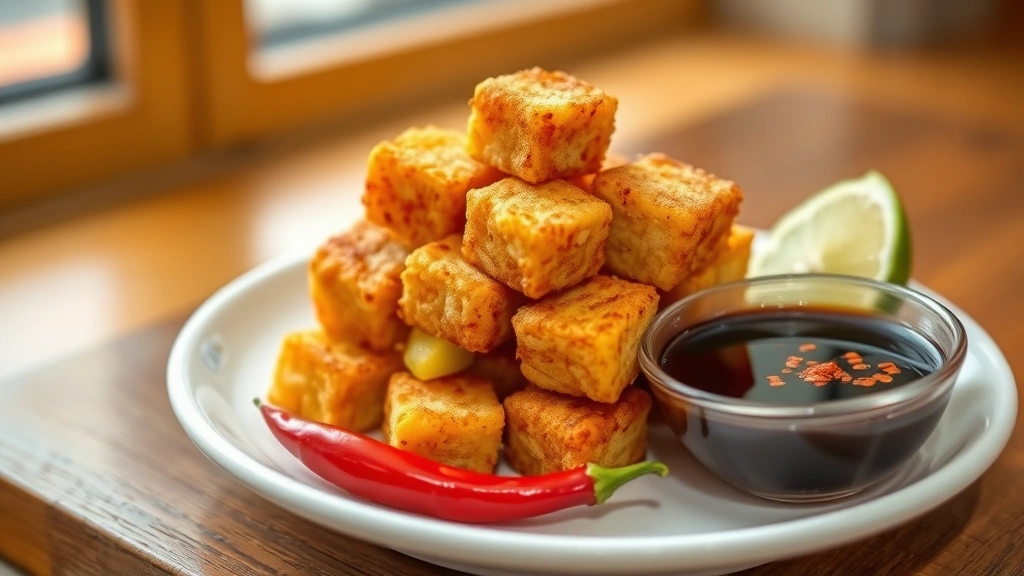
Tauhu goreng represents perhaps Malaysia’s most iconic tauhu preparation—golden-brown exterior contrasting with creamy interior. This beloved street food and home-cooked staple requires understanding oil temperature and timing precision.
Selecting the right oil matters considerably. Malaysian cooks traditionally use palm oil for its high smoke point and distinctive flavor, though vegetable oil works acceptably for home cooking. Heat oil to 350°F (175°C)—test readiness by dropping a small tauhu cube; it should sizzle immediately and brown within 2-3 minutes without burning.
The frying process unfolds in stages. Place 4-5 tauhu pieces in hot oil, resisting the urge to move them immediately. Allow the first side to develop golden-brown color (approximately 3-4 minutes) before carefully flipping. Continue cooking the second side until similarly colored. Remove with slotted spoon and drain on paper towels.
For achieving optimal crispness, employ the double-fry technique favored by professional Malaysian cooks. After initial frying and cooling for 5 minutes, return tauhu pieces to oil heated to 375°F (190°C) for a final 1-2 minute fry. This method creates exceptionally crispy exteriors while maintaining tender interiors.
Serve fried tauhu immediately with dipping sauces that complement its neutral flavor. Prepare a simple chili-soy sauce by combining fresh red chilies, garlic, lime juice, and soy sauce. Alternatively, create a peanut-based dipping sauce using ground peanuts, tamarind paste, and palm sugar—a combination that perfectly balances heat, sour, and sweetness.
Tauhu in Curries and Gravies
Malaysian curry traditions showcase tauhu’s remarkable ability to absorb complex spice profiles and rich flavors. From coconut-based curries to tamarind-infused gravies, tauhu serves as the perfect vehicle for these aromatic preparations.
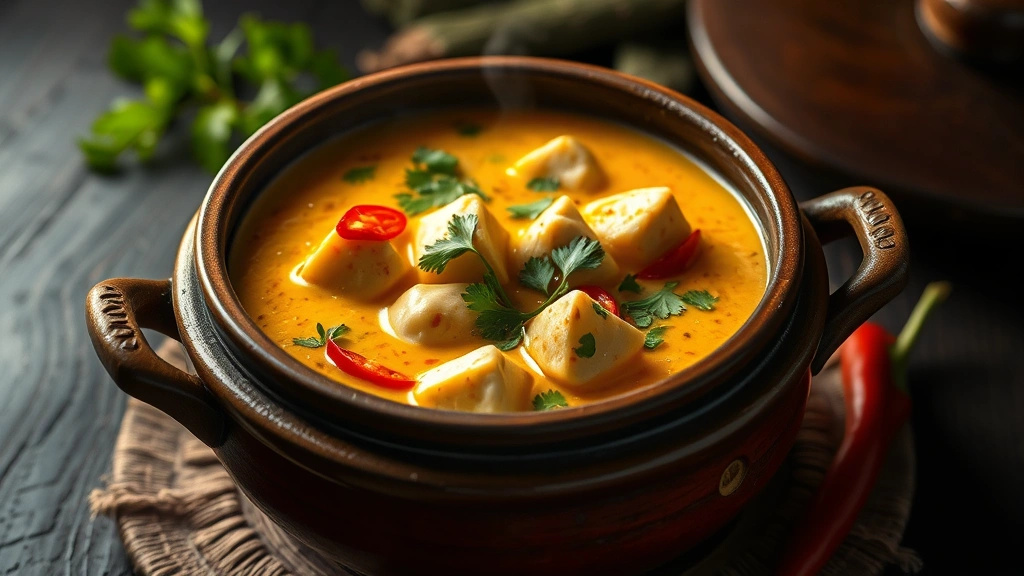
Tauhu Masak Lemak represents one of Malaysia’s most beloved tauhu preparations, combining silken tofu with rich coconut milk and aromatic spices. Begin by frying shallots and garlic until fragrant, then add curry paste (homemade or store-bought) and cook briefly. Pour in coconut milk and bring to gentle simmer. Gently add tauhu pieces and cook for 10-15 minutes, allowing the gravy to infuse the tofu. The key involves maintaining low heat to prevent tauhu from breaking apart.
For Tauhu Masak Assam, a tangy preparation beloved in Penang and Kedah, combine tamarind paste with shallots, garlic, and dried chilies. Sauté aromatics until golden, add tamarind liquid, and bring to boil. Introduce tauhu pieces and simmer gently for 15-20 minutes. The acidic tamarind creates a beautifully balanced dish that works wonderfully with steamed rice or flatbread.
Curry preparation fundamentals apply universally across Malaysian tauhu dishes. Always fry aromatics—shallots, garlic, and ginger—before adding curry paste or spice powders. This crucial step develops deeper flavors through the Maillard reaction. Toast spices briefly after adding to the pan, releasing essential oils and intensifying their character.
When incorporating tauhu into curry, add it during the final cooking stages to prevent over-softening. Firm tauhu can withstand 20-30 minutes of simmering, while silken varieties need only 10-15 minutes. Always maintain gentle heat and avoid vigorous stirring, which fragments delicate tauhu pieces.
Consider preparing complex flavor bases by grinding fresh spices—coriander seeds, cumin seeds, and turmeric root—rather than relying solely on pre-made curry pastes. This approach yields restaurant-quality depth impossible to achieve otherwise.
Tauhu Soup Variations
Malaysian soup traditions celebrate tauhu’s delicate nature and ability to enhance broths without overwhelming subtle flavors. These preparations range from simple comfort soups to elaborate medicinal broths incorporating traditional herbs and ingredients.
Tauhu Goreng Soup combines fried tauhu with savory broth enriched by dried anchovies, mushrooms, and aromatics. Prepare broth by simmering dried anchovies with water for 20 minutes, then strain. In a separate pot, sauté garlic and shallots, add vegetables like leafy greens and tomatoes, pour in prepared broth, and bring to boil. Add pre-fried tauhu pieces and simmer gently for 5-10 minutes. Season with soy sauce and white pepper to taste.
Tauhu Lembut Soup showcases silken tauhu’s delicate texture in clear broths. Prepare a light chicken or vegetable broth infused with ginger slices and dried scallops for umami depth. Just before serving, gently add silken tauhu and fresh herbs like cilantro and spring onions. The key involves minimal cooking—silken tauhu requires only warming through, typically 2-3 minutes maximum.
Medicinal Tauhu Soups represent traditional Malaysian wellness cooking, combining tauhu with ginseng, goji berries, and other tonifying herbs. These preparations simmer for extended periods (45-60 minutes), allowing tauhu to absorb medicinal qualities while contributing creamy texture to the broth. Many Malaysian families prepare these soups during seasonal transitions or when family members need health support.
For achieving clear, flavorful broths, resist the urge to boil vigorously. Gentle simmering extracts flavors without creating cloudy, unappetizing liquid. Skim foam and impurities that rise during the first 10 minutes of cooking, resulting in pristine broths that showcase tauhu’s subtle qualities.
Storage and Food Safety
Proper storage ensures tauhu maintains quality and safety for consumption. Fresh tauhu from markets typically lasts 3-5 days when stored correctly. Keep tauhu submerged in water within an airtight container, changing water daily to prevent bacterial growth. Store in the coldest part of your refrigerator, typically the back of lower shelves where temperature remains consistently cold.
Packaged tauhu with preservatives lasts considerably longer—typically until the printed expiration date. Once opened, transfer to water-filled containers and follow the same daily water-changing protocol. Never leave tauhu at room temperature for extended periods; bacteria multiply rapidly in warm conditions.
Freezing tauhu is possible but affects texture significantly. Frozen tauhu develops a spongy, porous structure that absorbs liquids differently than fresh varieties. This characteristic makes frozen tauhu suitable for curries and soups where texture matters less, but unsuitable for preparations emphasizing tauhu’s natural silkiness.
Signs of spoiled tauhu include sour smell, discoloration, slime formation, or unusual texture changes. Discard immediately if any of these indicators appear. When in doubt, err on the side of caution—foodborne illness risks from spoiled tauhu aren’t worth the minimal cost savings.
For transporting tauhu to cooking locations or markets, place blocks in sealed containers with adequate water, preventing spillage and contamination. Never leave tauhu in hot vehicles or direct sunlight.
FAQ
What’s the difference between tauhu and tempeh?
While both derive from soybeans, tauhu (tofu) and tempeh represent distinct products. Tauhu involves coagulating soy milk into soft curds, resulting in smooth, creamy texture. Tempeh uses whole soybeans bound with mold culture, creating firmer, nuttier product. Tauhu absorbs flavors readily, while tempeh maintains distinct soybean taste. Both serve beautifully in Malaysian cuisine but require different cooking approaches.
Can I make tauhu at home?
Yes, homemade tauhu production is entirely feasible with proper equipment and knowledge. The process involves soaking and grinding soybeans, boiling soy milk, adding coagulant (typically gypsum or nigari), and pressing resulting curds. However, commercial production requires specialized equipment for consistent results. Most home cooks find purchasing fresh tauhu more practical than making it from scratch.
How do I know which tauhu type to use?
Consider your cooking method when selecting tauhu. Firm tauhu suits frying, grilling, and stir-frying due to its structure retention. Medium tauhu works for most everyday dishes. Silken tauhu excels in soups, desserts, and gentle braised preparations. When uncertain, ask vendors for recommendations based on your intended dish—they possess invaluable practical knowledge.
Why does my fried tauhu absorb too much oil?
Excess oil absorption typically results from insufficient pre-frying drying or excessively hot oil. Pat tauhu thoroughly dry before frying, and maintain oil temperature between 350-375°F (175-190°C). Oil that’s too hot creates dark exterior before interior cooks, causing excessive absorption. Conversely, insufficiently hot oil creates greasy, soggy results. Practice temperature control for consistent outcomes.
Can I cook tauhu without frying?
Absolutely. Steaming, baking, grilling, and simmering all produce delicious tauhu preparations. Steamed tauhu develops delicate texture perfect for serving with simple sauces. Baked tauhu at 400°F (200°C) for 25-30 minutes creates firmer texture suitable for subsequent stir-frying. Grilled tauhu develops appealing char marks and smoky flavor. Simmered tauhu in curries and soups absorbs surrounding flavors beautifully. Experiment with various techniques to discover your preferences.
What sauces pair best with tauhu?
Tauhu’s neutral flavor complements virtually any sauce. Traditional Malaysian options include chili-soy, peanut-based, tamarind, and coconut milk preparations. Consider making chili seasonings from scratch for superior flavor. Experiment with homemade pasta sauce techniques—the principles of building layered flavors apply equally to Asian preparations. Balance heat, sour, salty, and sweet elements for well-rounded sauces.


