Easy Thin Sliced Chicken Breast Recipes: Tried & True Methods
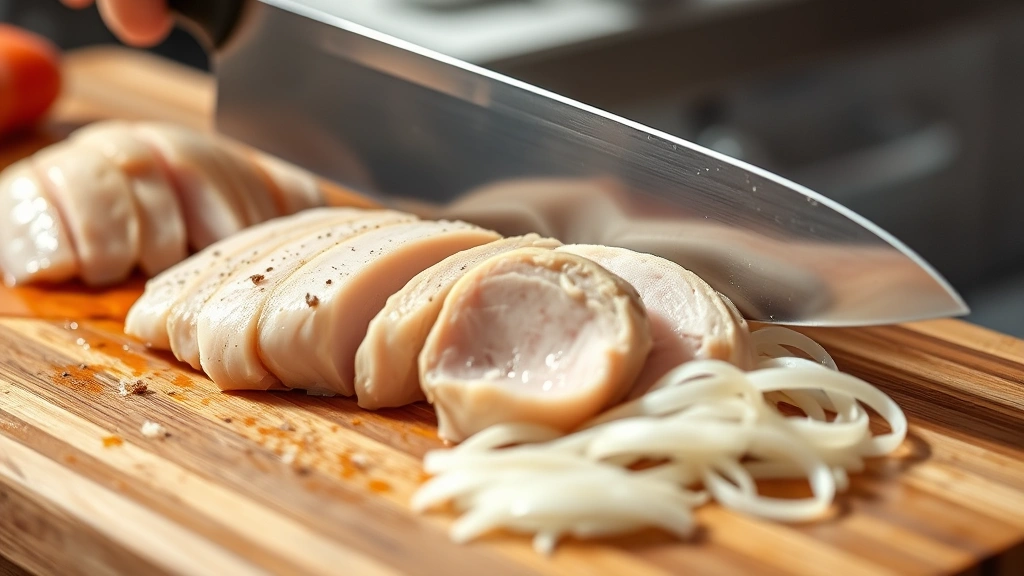
Thin sliced chicken breast is a game-changer in the kitchen. Whether you’re preparing a quick weeknight dinner, assembling a sandwich, or creating an elegant Asian-inspired dish, mastering the art of slicing chicken thin opens up endless culinary possibilities. The beauty of thin sliced chicken lies in its versatility—it cooks faster, absorbs marinades more effectively, and creates a tender texture that’s hard to achieve with thicker cuts.
Many home cooks struggle with achieving consistent, paper-thin slices without specialized equipment or professional training. The good news? With the right techniques and a bit of practice, you can create restaurant-quality thin sliced chicken at home. This comprehensive guide walks you through proven methods, essential tools, and delicious recipes that showcase why thin sliced chicken has become a staple in kitchens worldwide.
Why Thin Sliced Chicken Matters in Modern Cooking
Thin sliced chicken breast represents more than just a cutting technique—it’s a foundational skill that transforms how you approach protein preparation. When chicken is sliced thin, the surface area increases dramatically, allowing heat to penetrate quickly and evenly. This means faster cooking times, which translates to juicier, more tender results compared to thick-cut chicken breasts that often dry out during cooking.
The science behind this is straightforward: thinner pieces reach their ideal internal temperature faster, reducing the time muscle fibers spend contracting and squeezing out moisture. Additionally, thin sliced chicken absorbs marinades and sauces more effectively, creating more flavorful dishes with less preparation time. This technique is foundational in Asian cuisines, particularly in professional culinary training, where precision cutting is considered essential.
From stir-fries to chicken piccata, from Vietnamese pho to Thai larb, thin sliced chicken appears across global cuisines. Learning this skill elevates your cooking repertoire and gives you confidence in the kitchen. It also helps with meal planning—you can prepare thin sliced chicken in batches and use it throughout the week in different dishes.
Essential Tools for Achieving Perfect Thin Slices
While you can slice chicken with a standard kitchen knife, having the right tools makes the process significantly easier and produces more consistent results. Here’s what works best:
- Sharp 8-inch chef’s knife: A well-maintained chef’s knife with a sharp blade is your most important tool. The length allows you to make long, smooth cuts in one motion rather than sawing back and forth, which creates ragged edges.
- Meat slicer: An electric or manual meat slicer gives you the most consistent thickness. Home-grade slicers cost between $30-150 and are worth the investment if you frequently prepare thin sliced chicken.
- Mandoline slicer: This adjustable slicer allows precise thickness control. Use the hand guard religiously—mandolines are notorious for creating kitchen injuries.
- Knife sharpener or honing steel: A dull knife creates ragged slices and requires more pressure, increasing injury risk. Keep your knife sharp using a professional sharpening guide or regular honing.
- Cutting board: Use a dedicated plastic or wooden board for raw chicken to prevent cross-contamination. A board with a groove catches juices.
Investing in quality tools isn’t just about convenience—it’s about safety, consistency, and developing proper technique that will serve you for years.
Step-by-Step Slicing Techniques That Work Every Time
The foundation of thin sliced chicken begins with proper preparation. Start with boneless, skinless chicken breasts at room temperature for about 15 minutes—this makes them slightly easier to cut while maintaining food safety. Cold chicken straight from the refrigerator is brittle and prone to shattering; room temperature chicken slices more cleanly.
The Freezing Method (Recommended for Beginners):
- Pat chicken breasts completely dry with paper towels
- Place on a plate and freeze for 45-60 minutes until firm but not rock-solid
- The chicken should be hard enough to slice cleanly but not so frozen that it shatters
- Using a sharp chef’s knife, hold the knife at a 45-degree angle to the cutting board
- Make smooth, deliberate cuts using the full length of the blade in one motion
- For uniform thickness, use your other hand to guide the knife—keep your fingertips curled under to protect them
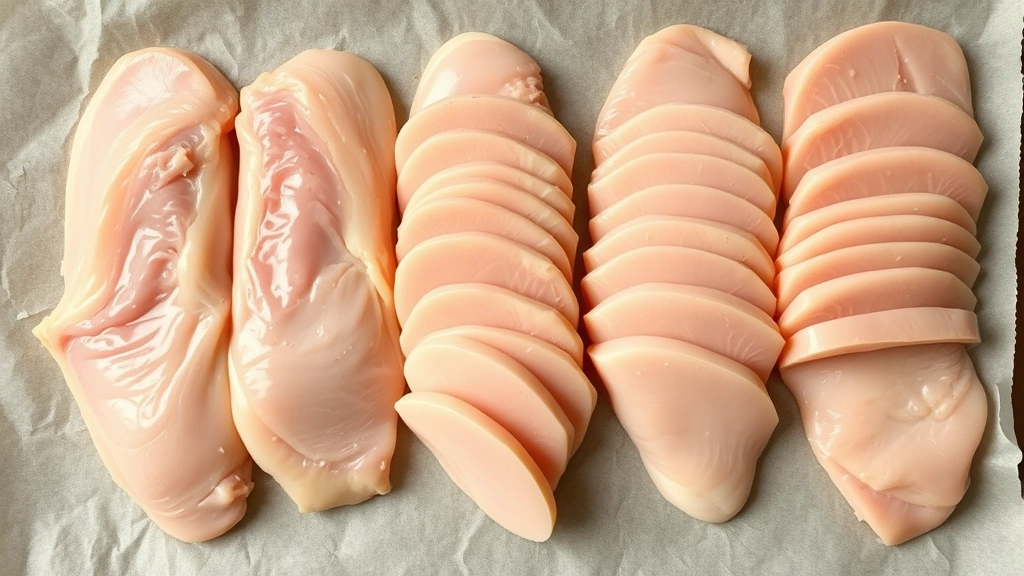
- Aim for slices between 1/8 and 1/4 inch thick, depending on your recipe
The Butterfly Method:
This technique is particularly useful when you want larger, thinner pieces. Place your hand flat on top of the chicken breast and carefully cut horizontally through the thickest part, creating two thinner pieces. This requires practice and a very sharp knife, but it’s efficient for larger cuts.
The Angle-Cut Method:
For decorative presentations or Asian-style dishes, angle your knife at 45 degrees and cut diagonally across the grain. This creates larger surface area and more visually interesting pieces. The angle cut is also excellent for reducing cooking time through increased surface exposure.
Key Principle: Cut Against the Grain
Always identify the grain direction—the muscle fibers run in a particular direction. Cutting perpendicular to these fibers (against the grain) creates more tender pieces by severing the fibers rather than creating long strands. This is one of the most important factors in achieving tender, pleasant-textured thin sliced chicken.
Freezing and Preparation Tips for Best Results
Proper preparation and storage strategies ensure your thin sliced chicken stays fresh and maintains quality. Understanding how to prepare chicken in advance transforms busy weeknights into manageable cooking experiences.
Fresh Chicken Preparation:
- Use chicken within 2 days of purchase for best quality
- Pat completely dry before slicing—moisture promotes bacterial growth and creates steam during cooking
- Never let raw chicken sit at room temperature for more than 2 hours
- Slice immediately before cooking when possible, or store slices in airtight containers for maximum 2 days
Freezing Thin Sliced Chicken:
Freezing is your secret weapon for meal prep. Thin sliced chicken actually freezes beautifully and thaws quickly. Layer slices between parchment paper to prevent sticking, then place in freezer bags, removing as much air as possible. Properly frozen thin sliced chicken keeps for 3-4 months. Thaw in the refrigerator overnight or use the quick-thaw method: seal in a bag and submerge in cold water for 30-60 minutes, changing water every 15 minutes.
Marinating Thin Sliced Chicken:
The increased surface area of thin sliced chicken means it absorbs marinades much faster than thick cuts. A 30-minute marinade achieves results comparable to a 2-hour marinade with regular chicken breasts. For delicate marinades, 15-20 minutes suffices. This speed factor makes thin sliced chicken ideal for spontaneous cooking.
Quick Cooking Methods Perfect for Thin Sliced Chicken
The primary advantage of thin sliced chicken is reduced cooking time. These methods maximize texture and flavor:
Stir-Frying:
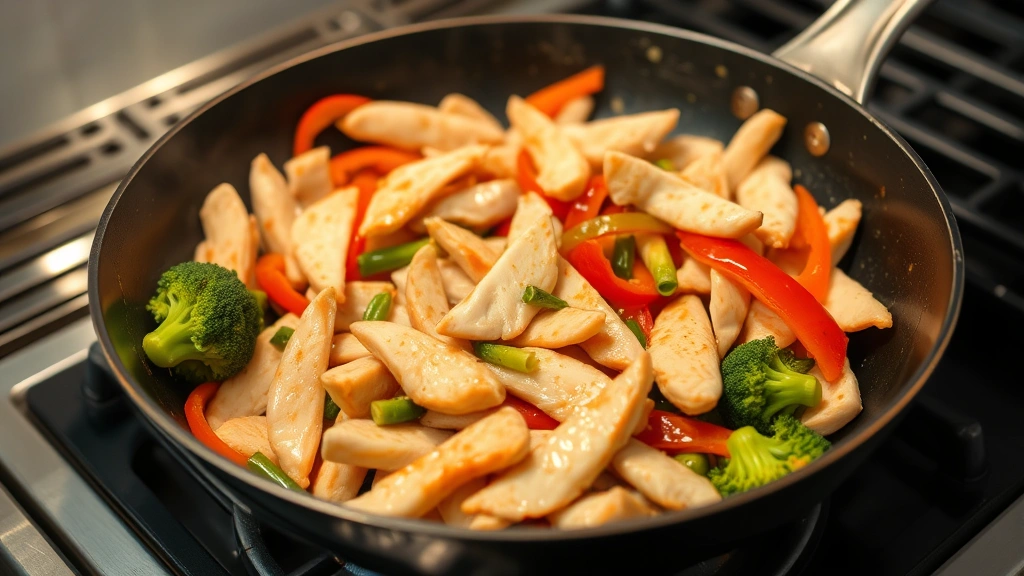
Heat your wok or large skillet to smoking hot before adding oil. Working in batches to avoid overcrowding, cook thin sliced chicken for just 2-3 minutes per side. The high heat creates a golden exterior while the interior remains juicy. This method is foundational in Asian cooking and works beautifully with healthy ingredient choices when paired with vegetables.
Pan-Searing:
Heat a skillet over medium-high heat with a touch of oil or butter. Sear thin sliced chicken for 2-4 minutes per side depending on thickness. The Maillard reaction creates a flavorful crust while the thin interior cooks through perfectly. This method is ideal for pan sauces—deglaze the pan with wine or broth immediately after removing chicken.
Grilling:
Thin sliced chicken cooks on the grill in just 2-3 minutes per side. Use medium-high heat and oil the grates well to prevent sticking. The quick cooking time means you’re less likely to overcook. Thread slices onto skewers for easier handling and more even cooking.
Poaching:
For the most tender results, poach thin sliced chicken in simmering broth for 3-5 minutes. This gentle method prevents drying and is excellent for shredded chicken applications or cold salads.
Broiling:
Place thin sliced chicken on a foil-lined broiler pan 4-6 inches from the heat source. Broil for 3-5 minutes per side. This method works particularly well for breaded or heavily sauced chicken.
Popular Thin Sliced Chicken Recipes Worth Making
Thai Green Curry with Thin Sliced Chicken:
This aromatic dish combines coconut milk, green curry paste, and thin sliced chicken for a restaurant-quality meal in under 30 minutes. The thin slices absorb the creamy, spicy sauce beautifully. Serve over jasmine rice with fresh basil and lime wedges. The quick-cooking nature of thin sliced chicken makes this dish perfect for weeknight entertaining.
Chicken Piccata:
An Italian classic that showcases thin sliced chicken perfectly. Pound chicken thin (or use pre-sliced), dust lightly with flour, and sauté until golden. Finish with a bright lemon-caper sauce. The thin slices cook in minutes, creating a delicate, elegant dish that impresses without requiring hours of prep work.
Vietnamese Pho:
Authentic pho relies on thin sliced chicken (or beef) that cooks directly in the hot broth at the table or just before serving. The thin slices cook in seconds, remaining tender and absorbing the aromatic broth’s flavors. This is a masterclass in how thin slicing transforms cooking technique.
Chicken Shabu-Shabu:
This Japanese hot pot dish features paper-thin chicken slices that cook in seconds in bubbling broth. Guests cook their own portions at the table, creating an interactive dining experience. The extreme thinness required for this dish demonstrates the upper limit of chicken slicing technique.
Lemon Garlic Chicken Piccata Variation:
Modify the classic piccata by adding roasted garlic, fresh thyme, and a splash of white wine. The thin slices cook in 3-4 minutes total, making this an ideal quick dinner solution when you need something impressive but straightforward.
Asian Chicken Lettuce Wraps:
Thin sliced chicken cooks quickly in a hot wok with ginger, garlic, and soy sauce. Serve in butter lettuce cups with crispy noodles and fresh herbs. The quick cooking preserves the chicken’s moisture while the thin slices absorb maximum flavor.
Flavor Combinations and Marinades That Elevate Thin Sliced Chicken
Marinades work faster on thin sliced chicken, allowing you to build flavor quickly. Here are combinations worth exploring:
Asian-Inspired Marinade:
- 3 tablespoons soy sauce
- 1 tablespoon sesame oil
- 2 cloves garlic, minced
- 1 tablespoon rice vinegar
- 1 teaspoon ginger, grated
- 1 teaspoon honey
- Red pepper flakes to taste
This marinade works in just 20-30 minutes and pairs beautifully with stir-fried vegetables. The sesame oil adds richness while the vinegar provides brightness.
Mediterranean Marinade:
- 1/4 cup olive oil
- 3 tablespoons lemon juice
- 3 cloves garlic, minced
- 1 tablespoon dried oregano
- 1 teaspoon Dijon mustard
- Salt and pepper to taste
This classic combination works with grilling, pan-searing, or broiling. The acid from lemon brightens the chicken while oregano provides Mediterranean herbaceousness.
Spicy Cilantro-Lime Marinade:
- 1/4 cup lime juice
- 2 tablespoons olive oil
- 1/4 cup fresh cilantro, chopped
- 2 jalapeños, minced
- 3 cloves garlic, minced
- 1/2 teaspoon cumin
Perfect for tacos, grain bowls, or served over rice, this bright marinade takes thin sliced chicken in a fresh, vibrant direction. The cilantro adds herbaceous notes while jalapeños provide heat.
Teriyaki-Ginger Marinade:
- 1/3 cup soy sauce
- 2 tablespoons mirin
- 1 tablespoon brown sugar
- 1 tablespoon grated ginger
- 2 cloves garlic, minced
- 1 teaspoon sesame oil
- 1/2 teaspoon red pepper flakes
This Japanese-inspired marinade creates glossy, flavorful chicken perfect for serving over rice or noodles. The mirin adds subtle sweetness and shine.
Herb-Forward Marinade:
- 1/4 cup olive oil
- 2 tablespoons white wine vinegar
- 1 tablespoon fresh rosemary, chopped
- 1 tablespoon fresh thyme, chopped
- 1 tablespoon fresh basil, chopped
- 4 cloves garlic, minced
This versatile marinade highlights fresh herbs and works with virtually any cooking method. The combination of rosemary, thyme, and basil creates complexity that belies its simplicity.
Pro tip: Reserve a portion of marinade before adding raw chicken, then use it as a finishing sauce. This prevents any food safety concerns while allowing you to add fresh, vibrant flavor at the end of cooking.
Understanding how thin sliced chicken interacts with different flavor profiles helps you build your culinary confidence. The quick absorption rate means you can be bold with seasonings—the thin slices will carry flavor throughout rather than just on the surface.
Frequently Asked Questions About Thin Sliced Chicken
How thin should chicken slices be?
For most applications, aim for 1/8 to 1/4 inch thickness. Thinner slices (1/8 inch) cook in 2-3 minutes and are ideal for stir-fries and Asian dishes. Thicker slices (1/4 inch) work better for breading and frying. Ultra-thin slices (paper-thin) are reserved for hot pot dishes and require special technique or a meat slicer.
Can I slice chicken while it’s completely frozen?
Frozen solid chicken becomes brittle and shatters rather than slices cleanly. The optimal approach is partial freezing—freeze for 45-60 minutes until firm but not rock-solid. This firmness makes slicing easier while avoiding the brittleness of completely frozen chicken.
What’s the best knife technique for slicing chicken?
Use a sharp chef’s knife with smooth, deliberate cuts using the full blade length in one motion. Avoid sawing back and forth, which creates ragged edges. Hold the knife at a 45-degree angle for thinner slices and 90 degrees for perpendicular cuts. Always cut against the grain for maximum tenderness.
How long can I store thin sliced chicken in the refrigerator?
Raw thin sliced chicken keeps for maximum 2 days in an airtight container. Cooked thin sliced chicken lasts 3-4 days when properly stored. Always keep raw and cooked chicken separate to prevent cross-contamination.
Is it better to slice chicken fresh or after freezing?
Freezing for 45-60 minutes makes slicing easier by firming the meat. However, slicing completely fresh chicken immediately after purchase is acceptable if your knife is very sharp and you work quickly. The freezing method produces more consistent results and is recommended for beginners.
Can thin sliced chicken be breaded and fried?
Absolutely! Thin sliced chicken works beautifully for breading. Pat dry, season, coat in flour, then egg wash, then breadcrumbs. The thin profile means less frying time while still achieving a golden, crispy exterior. This method is perfect for incorporating into creative applications beyond traditional chicken dishes.
What’s the fastest way to cook thin sliced chicken?
Stir-frying in a very hot wok or skillet cooks thin sliced chicken in 2-3 minutes total. Broiling is equally fast, taking 3-5 minutes per side. Poaching is slightly slower at 3-5 minutes but produces the most tender results.
Should I marinate thin sliced chicken before cooking?
Marinating is optional but recommended. Due to increased surface area, thin sliced chicken absorbs marinades quickly—15-30 minutes is sufficient compared to 2-4 hours for thick chicken breasts. Even a quick 15-minute marinade significantly improves flavor.
Can I use thin sliced chicken in soups and broths?
Yes, this is traditional in Asian cuisines. Add thin sliced chicken directly to simmering broth just before serving. The slices cook in seconds, remaining tender and absorbing broth flavors. This technique is central to authentic professional cooking techniques across Asian culinary traditions.
What’s the difference between slicing against the grain versus with the grain?
Cutting against the grain (perpendicular to muscle fibers) severs the fibers, creating more tender pieces. Cutting with the grain (parallel to fibers) leaves longer fibers intact, resulting in a chewier, stringier texture. Always slice against the grain unless you specifically want a different texture.


