Tuna Poke Perfection? Chef’s Guide to Mastering This Hawaiian Favorite
Tuna poke has transcended its humble Hawaiian origins to become a global culinary sensation. This vibrant, protein-packed dish combines sushi-grade tuna with bold Asian flavors, creating a meal that’s simultaneously elegant and effortless. Whether you’re crafting this at home for a weeknight dinner or impressing guests at a summer gathering, understanding the fundamentals of tuna poke will elevate your cooking game significantly.
The beauty of poke lies in its simplicity and versatility. With just a few quality ingredients and proper technique, you can create restaurant-worthy bowls that rival any high-end establishment. This comprehensive guide walks you through everything from selecting the finest tuna to mastering marinades, plating strategies, and creative variations that will transform your kitchen into a poke paradise.
Selecting Premium Sushi-Grade Tuna
The foundation of exceptional tuna poke begins with sourcing the highest quality fish available. Unlike cooked applications, poke consumes raw tuna, making ingredient selection absolutely critical. You cannot simply grab any tuna from the supermarket seafood counter—proper poke demands fish specifically designated as sushi-grade or sashimi-grade.
Sushi-grade tuna has undergone rigorous handling and testing protocols to ensure safety for raw consumption. These fish are flash-frozen at extremely low temperatures immediately after catching, eliminating parasitic concerns. When shopping, communicate directly with your fishmonger about your intended use. Tell them you’re making poke, and they’ll guide you toward the finest specimens available.
Look for tuna with deep, vibrant red coloring and a firm texture that springs back when gently pressed. The flesh should smell clean and oceanic—never fishy or ammonia-like. Yellowfin (ahi) tuna is the traditional choice, offering a mild flavor and buttery texture. Bigeye tuna provides richer, more robust flavors, while bluefin is premium but considerably more expensive. For beginners, yellowfin offers the perfect balance of quality and value.
Purchase your tuna the day you plan to prepare poke. If advance shopping is necessary, ask your fishmonger to vacuum-seal the fish and keep it on ice. Never thaw frozen tuna at room temperature—always thaw slowly in the refrigerator overnight. Proper temperature maintenance throughout handling ensures both safety and optimal texture.
Building relationships with your local fishmonger cannot be overstated. They understand seasonal availability, can source specialty varieties, and often provide insider tips on preparation methods. Many fishmongers will cut poke-sized cubes for you, though cutting it yourself allows better control over size consistency.
Preparation and Food Safety
Before diving into flavor development, master the fundamental preparation techniques that ensure your poke is both delicious and safe. Start with impeccably clean equipment—a sharp sushi knife, cutting board dedicated to raw fish, and spotless work surfaces prevent cross-contamination and ensure clean cuts that preserve the tuna’s delicate texture.
Pat your tuna dry with paper towels before cutting. Excess moisture interferes with marinade absorption and can create a slimy texture. Using a very sharp knife is non-negotiable; dull blades crush the fish rather than slicing cleanly, damaging cell structure and compromising texture. Wet your knife between cuts, wiping with a clean cloth to maintain sharpness and prevent sticking.
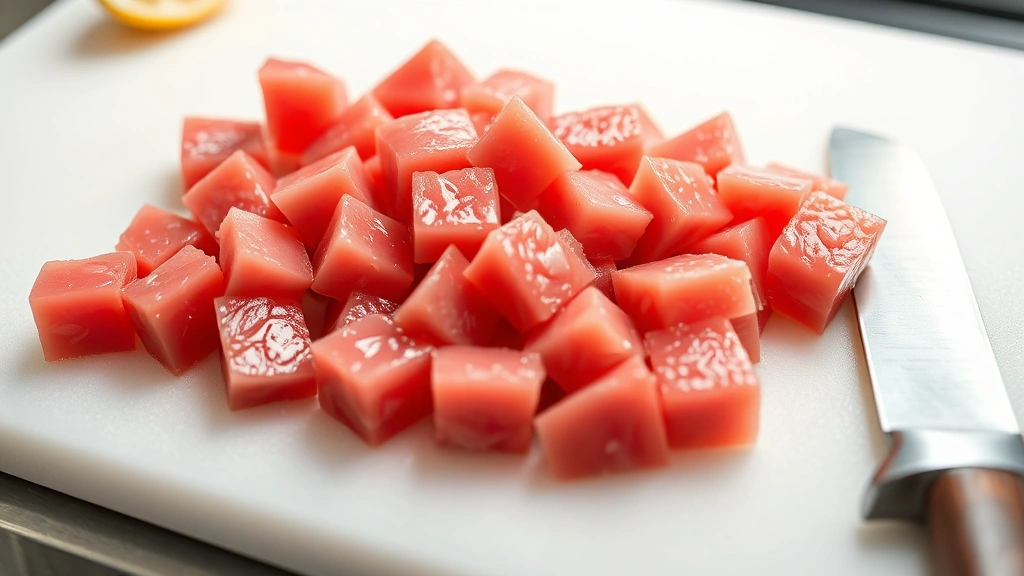
Cut tuna into half-inch to three-quarter-inch cubes, maintaining consistent sizing for even marinade absorption and professional presentation. If your tuna is frozen, allow it to thaw completely in the refrigerator—never at room temperature. Cold fish is easier to cut and maintains better texture throughout the marinating process.
Food safety with raw fish requires vigilance. Only use fish explicitly labeled sushi-grade or sashimi-grade from reputable suppliers. Verify your fishmonger’s sourcing practices and freezing protocols. Keep all equipment sanitized, and avoid cross-contamination with cooked foods or other ingredients. Consume poke within 24 hours of preparation, and maintain temperatures below 40°F at all times.
For those uncomfortable with raw fish, you can briefly blanch cubed tuna in boiling water for 30-45 seconds, immediately chilling in ice water. This creates a seared exterior while maintaining a raw interior, reducing parasitic risk while preserving the signature poke experience. Alternatively, visit a reputable poke restaurant to taste authentic preparations before attempting homemade versions.
Marinade Mastery and Flavor Profiles
The marinade transforms simple raw tuna into an umami-rich delicacy. Traditional Hawaiian poke relies on soy sauce, sesame oil, and fresh ginger—a trinity of flavors that have endured for generations. Understanding these foundational flavors allows you to build variations that suit your preferences while respecting poke’s heritage.
The classic marinade combines three parts soy sauce with one part sesame oil, supplemented with minced fresh ginger, sliced scallions, and a touch of rice vinegar. This ratio balances saltiness with richness while allowing ginger’s warmth to shine. Adjust proportions based on your tuna quantity—approximately two tablespoons of marinade per pound of fish creates optimal flavor saturation without overwhelming delicate fish.
Fresh ginger is essential; powdered ginger lacks the vibrant, peppery notes that make authentic poke sing. Mince ginger finely to maximize flavor distribution. Sesame oil, though potent, should never be omitted—it contributes distinctive nuttiness and richness that defines the dish. Use quality toasted sesame oil from reputable Asian markets, as inferior versions taste rancid or chemical.
Marinating time significantly impacts flavor development. Fifteen to thirty minutes allows adequate flavor absorption without over-curing the fish. Longer marination times can break down the tuna’s delicate proteins, creating mushy texture. If preparing poke more than two hours in advance, keep tuna and marinade separate, combining them shortly before serving to maintain optimal texture.
Beyond traditional marinades, explore regional variations. Spicy Korean-inspired versions incorporate gochugaru (red chili flakes), garlic, and a touch of honey. Ponzu-based marinades add citrus brightness through yuzu or lime. Wasabi-infused versions create heat that builds gradually. Each variation maintains the umami foundation while introducing new dimensions. Document your favorite ratios in a cooking notebook for consistency and refinement over time.
Temperature affects flavor perception significantly. Remove poke from refrigeration five minutes before serving, allowing subtle flavors to emerge. Cold temperatures numb taste buds, so slightly warmer fish (still cold, but not ice-cold) reveals the complexity of your marinade work.
Assembly and Plating Techniques
Poke presentation matters as much as flavor. The visual appeal invites diners to engage with your creation, setting expectations for the delicious experience ahead. Professional poke bowls combine architectural thoughtfulness with color harmony and texture contrast.
Start with a sturdy base—sushi rice is traditional, though sushi-grade cooked rice works equally well. Warm rice slightly absorbs marinade flavors and creates pleasant temperature contrast with cold tuna. Spread rice evenly across your bowl, leaving space for toppings. If you prefer lighter options, consider mixed greens, cauliflower rice, or quinoa as nutritious alternatives that complement poke’s richness.
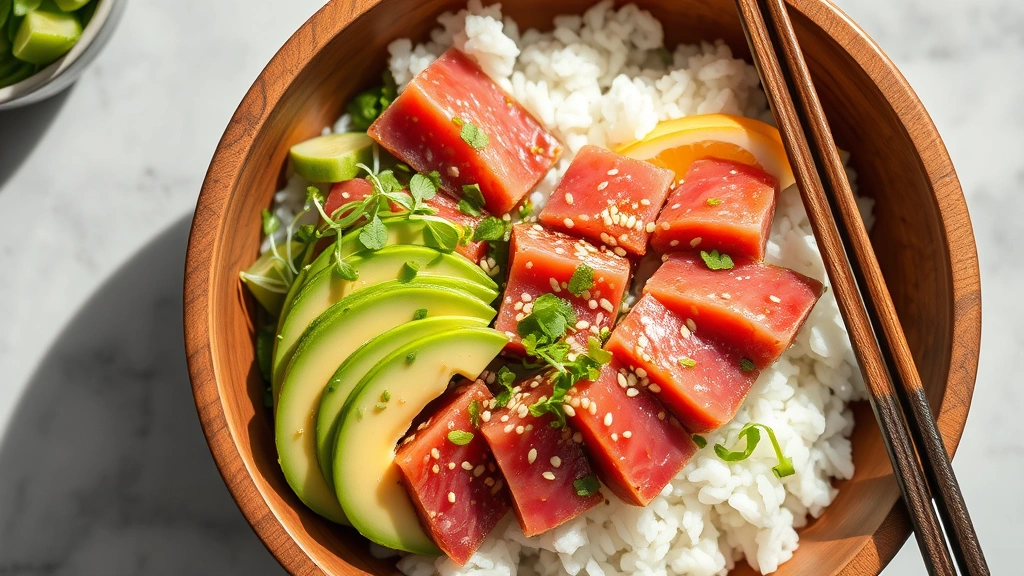
Arrange marinated tuna in a mound atop your rice base, creating height and visual interest. Drizzle remaining marinade over the tuna and rice, ensuring flavor distribution. Scatter toppings strategically—sliced avocado adds creaminess, pickled ginger provides palate-cleansing acidity, and sesame seeds contribute visual appeal and nutty texture.
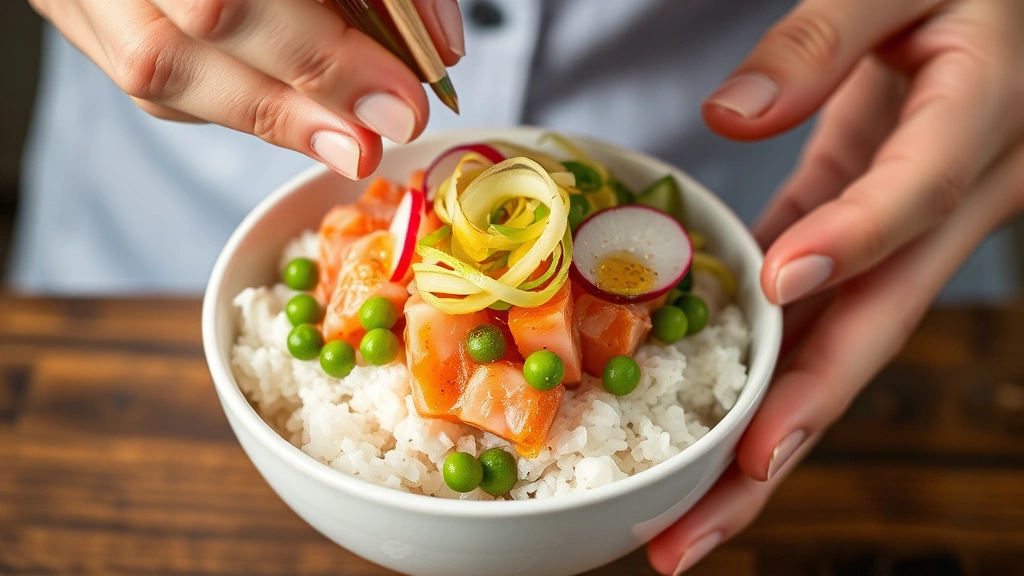
Edible garnishes transform basic bowls into Instagram-worthy creations. Microgreens add delicate elegance, sliced radishes introduce peppery crunch, and nori strips create striking visual contrast against the tuna’s deep red. Consider temperature and texture when selecting garnishes—avoid elements that become soggy when exposed to warm rice or marinade for extended periods.
Presentation extends beyond the bowl itself. Serve poke with small bowls of soy sauce, extra sesame seeds, and sriracha on the side, allowing diners to customize their experience. Provide small spoons alongside chopsticks, acknowledging that poke occupies a comfortable middle ground between salad and rice bowl in terms of eating implements.
Creative Variations and Toppings
Once you master the traditional recipe, experimentation opens endless possibilities. Creative variations allow you to adapt poke to seasonal ingredients, dietary preferences, and personal taste preferences while maintaining the dish’s essential character.
Spicy tuna poke incorporates sriracha or Thai chili paste into the marinade, creating heat that builds gradually. Complement this with cooling elements like cucumber and creamy avocado. Mango poke introduces tropical sweetness through fresh mango cubes and a hint of lime in the marinade—perfect for summer entertaining. Wasabi poke delivers intense nasal heat balanced by cooling cucumber and silky avocado.
Protein variations expand poke beyond tuna. Salmon poke offers richer, more assertive flavors and beautiful coral coloring. Octopus poke, popular in Japan, provides chewy texture and delicate sweetness. Mixed seafood poke combines tuna, salmon, and scallops for variety in a single bowl. Tofu poke accommodates vegetarian diners while maintaining poke’s essence through identical marinades and toppings.
Topping combinations create textural and flavor complexity. Crispy wonton strips add crunch against soft tuna. Roasted macadamia nuts contribute Hawaiian authenticity and buttery richness. Edamame provides protein and slightly sweet earthiness. Corn kernels introduce unexpected sweetness and visual brightness. Cucumber ribbons add refreshing crispness that balances rich marinade.
Consider pairing poke with complementary sides. Serving alongside 3 ingredient biscuits creates an unconventional but satisfying meal. Those seeking lighter options might explore healthy crockpot recipes for side dishes that don’t compete with poke’s delicate flavors. For bread-based pairings, sourdough English muffin recipe options provide artisanal accompaniments.
Seasonal variations embrace ingredient availability. Spring poke incorporates fresh peas and asparagus. Summer versions showcase stone fruits and fresh herbs. Fall brings roasted root vegetables and warming spices. Winter poke features citrus elements and root vegetables that provide grounding earthiness.
Storage and Make-Ahead Tips
Proper storage extends poke’s freshness and allows advance preparation for entertaining. Understanding optimal storage techniques ensures your carefully crafted dish maintains quality from preparation through service.
Store marinated tuna separately from rice and toppings when preparing more than two hours in advance. This prevents the tuna from becoming overly cured while keeping rice from absorbing excess moisture and becoming soggy. Keep tuna in an airtight container at 40°F or below, covered with plastic wrap to prevent oxidation that creates dark, discolored surfaces.
Prepare rice and toppings several hours ahead without concern. Cooked sushi rice stays fresh for 24 hours when stored in an airtight container at room temperature. Vegetable toppings (except avocado, which browns quickly) keep refrigerated for 24 hours. Assemble bowls immediately before serving, combining components to maximize freshness and visual appeal.
Avoid preparing poke more than 24 hours in advance. While the tuna itself remains safe for several days when properly stored, flavor and texture gradually deteriorate. The marinade becomes overly concentrated, the tuna develops a cured quality that borders on unpleasant, and the overall dish loses its bright, fresh character.
For entertaining, consider assembling individual bowls during the final hour before service. This approach allows guests to witness the assembly process, adding theater to your presentation. Alternatively, set up a poke bar where guests customize their bowls, choosing from prepared components and marinades. This interactive approach suits casual gatherings and reduces your plating burden.
If you’re interested in reducing food waste throughout your cooking endeavors, explore food waste reduction tips that apply to seafood preparation and ingredient management.
FAQ
Can I use regular grocery store tuna for poke?
No. Regular grocery store tuna, even if labeled “sushi-grade,” may not meet the rigorous freezing standards required for safe raw consumption. Always source poke tuna from reputable fishmongers who can verify their freezing protocols and sourcing practices. This ensures both safety and optimal quality.
How long does poke last in the refrigerator?
Properly stored poke (tuna separate from other components) remains fresh for 24 hours maximum. Consume it within 12 hours for optimal flavor and texture. After 24 hours, discard any remaining poke, as raw fish safety standards require conservative timelines. When in doubt, throw it out.
What’s the difference between poke and ceviche?
Poke features raw fish marinated in soy-based preparations, while ceviche uses citrus juice to chemically “cook” raw fish. Poke maintains raw texture throughout, whereas ceviche firms the protein through acid exposure. Both are delicious and require identical food safety precautions regarding fish sourcing.
Can I make poke with frozen tuna?
Yes, provided it’s sushi-grade frozen tuna from a reputable supplier. Thaw it slowly in the refrigerator overnight before using. Never thaw at room temperature, as this creates conditions for bacterial growth. Quality frozen sushi-grade tuna often rivals fresh options, particularly during off-seasons.
What rice works best for poke bowls?
Traditional sushi rice, seasoned with rice vinegar and a touch of sugar, is classic. However, any cooked grain works—try brown rice for nuttiness, cauliflower rice for lower carbs, or quinoa for complete protein. Some prefer no grain base, opting instead for mixed greens or straight vegetable combinations.
How can I adapt poke for dietary restrictions?
Vegetarian poke uses tofu or mushrooms with identical marinades. Gluten-free versions substitute tamari for soy sauce. Low-sodium preparations reduce soy sauce quantities and rely more on ginger and sesame oil for flavor. Dairy-free poke is naturally accommodating since no dairy typically appears in traditional preparations.


