Healthy Turkey Sausage Recipe: Dietitian Approved
Turkey sausage has become a go-to protein choice for health-conscious cooks looking to reduce saturated fat while maintaining incredible flavor and satisfying texture. Unlike traditional pork sausage, this leaner alternative delivers essential nutrients without the guilt, making it perfect for breakfast, lunch, or dinner applications. Whether you’re meal prepping for the week or cooking a quick weeknight dinner, homemade turkey sausage offers superior quality compared to store-bought versions, giving you complete control over ingredients and sodium levels.
Creating your own turkey sausage recipe at home is surprisingly simple and requires just a few quality ingredients plus basic kitchen equipment. The beauty of making sausage from scratch lies in customization—you can adjust spice levels, add fresh herbs, incorporate vegetable fillers, or experiment with different flavor profiles to match your preferences. This guide walks you through everything from ingredient selection to cooking techniques, ensuring restaurant-quality results every single time.
Why Choose Turkey Sausage Over Traditional Pork
Turkey sausage stands out nutritionally because it contains significantly less fat and cholesterol than conventional pork sausage, while delivering comparable protein content. A typical three-ounce serving of turkey sausage provides approximately 12-15 grams of protein with only 5-8 grams of fat, compared to pork sausage which often exceeds 20 grams of fat per serving. This makes turkey sausage an excellent choice for those managing heart health, following breakfast food recipes on a calorie budget, or simply seeking cleaner eating options.
The flavor profile of turkey sausage differs subtly from pork, presenting a milder, slightly poultry-forward taste that pairs beautifully with bright seasonings, fresh herbs, and aromatic vegetables. Many dietitians recommend turkey sausage as a superior alternative for regular consumption, particularly for individuals concerned about processed meat intake or those following Mediterranean or heart-healthy diet patterns. Beyond health metrics, turkey sausage proves incredibly versatile—it crumbles perfectly for pasta sauces, forms into patties for breakfast plates, or links elegantly for charcuterie boards.
Essential Ingredients and Substitutions
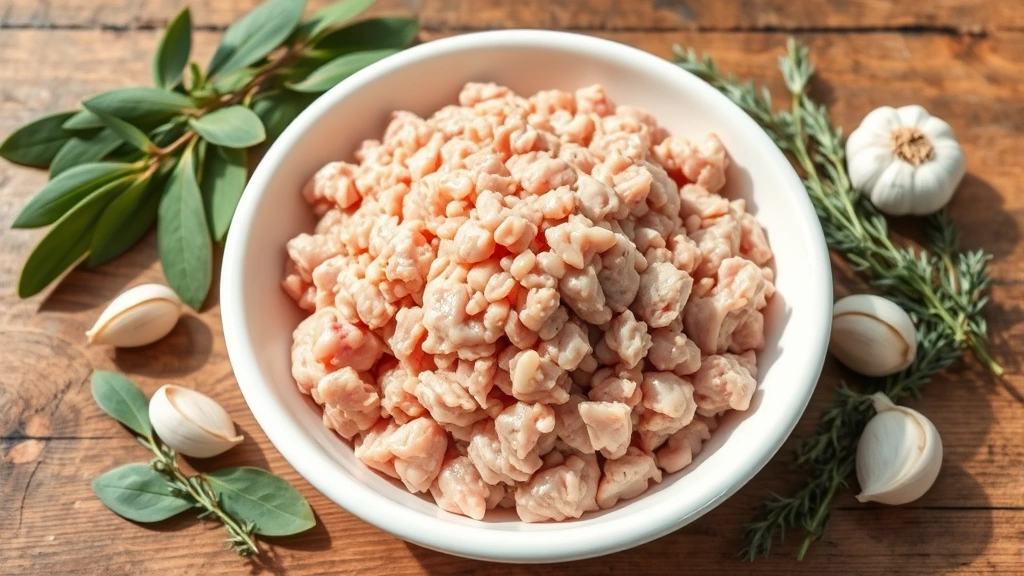
The foundation of exceptional turkey sausage begins with sourcing quality ground turkey. Aim for ground turkey that contains a mix of dark and white meat (roughly 85/15 lean-to-fat ratio) rather than pure breast meat, which tends toward dryness. If your market only stocks 99% lean turkey breast, compensate by adding a tablespoon of olive oil per pound of meat to maintain moisture and texture.
Core Ingredients:
- 2 pounds ground turkey (preferably a blend of dark and white meat)
- 2 teaspoons kosher salt
- 1 teaspoon black pepper
- 1 teaspoon garlic powder
- 1 teaspoon onion powder
- ½ teaspoon dried sage
- ½ teaspoon dried thyme
- ¼ teaspoon cayenne pepper (optional, for heat)
- 1 tablespoon fresh ginger, minced (optional)
- 2 tablespoons ice water or protein-enriched broth
Optional Additions for Enhanced Nutrition: Consider incorporating finely minced vegetables like bell peppers, mushrooms, or spinach (about ¼ cup per pound of meat) to increase fiber and micronutrient content. Foods rich in antioxidants such as fresh herbs and spices not only boost flavor but also contribute valuable phytonutrients to your sausage mixture.
Substitution Guide: If fresh sage proves unavailable, substitute with Italian seasoning or poultry seasoning at equal ratios. For those avoiding nightshades, replace cayenne with white pepper or additional black pepper. Organic vs non-organic ingredients both work effectively here, though organic turkey and herbs may offer pesticide-free benefits. If binding concerns arise, add one beaten egg white per pound of meat to improve cohesion, particularly important when forming patties or links.
Step-by-Step Preparation Method
Mise en Place: Before beginning, gather all ingredients and chill your mixing bowl and utensils in the freezer for 15 minutes. Cold equipment prevents the meat from warming excessively during mixing, which can compromise texture and create a pasty consistency. This professional technique ensures your sausage maintains a tender, loosely-bound structure rather than becoming dense and tough.
Step 1: Combine Dry Seasonings In a small bowl, whisk together salt, black pepper, garlic powder, onion powder, sage, thyme, and cayenne. This preliminary mixing distributes spices evenly throughout the final mixture, preventing hot spots of concentrated seasoning. Taste a tiny pinch of your spice blend to ensure proper balance before combining with meat.
Step 2: Prepare Ground Turkey Place ground turkey in your pre-chilled mixing bowl. If using 99% lean turkey breast, drizzle with one tablespoon of olive oil per pound. Break the meat apart gently with your fingers, avoiding aggressive mixing that compacts the meat. You’re aiming for a loose, crumbly texture at this stage.
Step 3: Incorporate Seasonings and Binder Sprinkle your spice mixture evenly over the turkey. Pour ice water or chilled broth around the mixture. Using your hands (clean hands work best), gently fold and combine ingredients using a scooping motion, rotating the bowl as you work. Mix for approximately 1-2 minutes until seasonings distribute evenly and the mixture just begins to hold together. Stop immediately when ingredients combine—overmixing develops gluten in the meat proteins, resulting in a sausage texture that’s unpleasantly firm and bouncy rather than tender and crumbly.
Step 4: Test for Flavor Before cooking the entire batch, form a small test patty (about the size of a golf ball) and pan-fry it until cooked through. Taste and adjust seasonings as needed. This critical step prevents disappointing results when cooking your full batch. Remember that seasonings intensify slightly as sausage cooks, so slightly underseasoning at this stage often yields better results.
Cooking Techniques and Temperature Guidelines
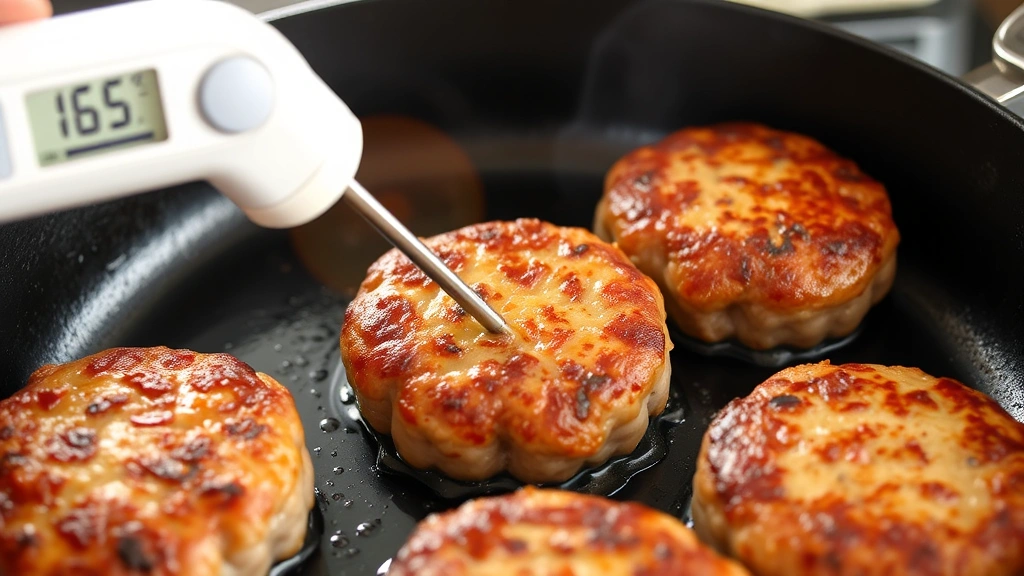
Turkey sausage reaches safe internal temperature at 165°F (74°C), lower than many assume. Use an instant-read meat thermometer for accuracy—inserting it into the thickest part of a patty or link without touching the cooking surface.
Pan-Frying Method (Quickest): Heat a large skillet over medium-high heat and lightly coat with cooking spray or a teaspoon of oil. Form sausage into patties approximately ½-inch thick or links using a sausage stuffer. Cook patties 4-5 minutes per side, or links 10-12 minutes total, turning occasionally for even browning. The exterior should develop a golden-brown crust while the interior remains moist. This method works perfectly for breakfast applications or quick weeknight dinners.
Baking Method (Batch-Friendly): Shape sausage into patties or links and arrange on a parchment-lined baking sheet without overlapping. Bake at 400°F (204°C) for 15-18 minutes for patties or 20-22 minutes for links. This hands-off method suits meal-prep scenarios where you’re cooking larger quantities. The even, dry heat creates excellent browning without requiring flipping or monitoring.
Crumbled Sausage for Sauces: For applications like pasta sauces or grain bowls, skip the shaping step entirely. Break sausage into small pieces directly into a preheated skillet over medium-high heat. Cook for 8-10 minutes, stirring frequently, until the meat browns completely and no pink remains. This application maximizes surface area for browning and reduces cooking time significantly.
Slow Cooker Application: Shape sausage into meatballs and add to your slow cooker with sauce ingredients. Cook on low for 4-6 hours or high for 2-3 hours. This method produces incredibly tender, flavorful sausage perfect for serving at gatherings or batch cooking for the week.
Flavor Variations and Creative Additions
The beauty of homemade turkey sausage lies in its flexibility. Once you master the basic recipe, experiment with these variations to keep meals exciting and accommodate different cuisine preferences.
Italian-Style Turkey Sausage: Add 1 teaspoon fennel seeds, ½ teaspoon red pepper flakes, 2 minced garlic cloves, and 1 tablespoon fresh basil. This variation pairs beautifully with fresh vegetable preparations and creates an authentic flavor profile reminiscent of traditional Italian markets.
Maple-Sage Turkey Sausage: Include 1 tablespoon pure maple syrup, 1 additional teaspoon dried sage, and ¼ teaspoon nutmeg. This slightly sweet variation suits breakfast applications perfectly, particularly when served alongside roasted vegetables or whole grain toast.
Mediterranean Turkey Sausage: Mix in 1 teaspoon dried oregano, ½ teaspoon dried rosemary, 2 tablespoons minced sun-dried tomatoes, and ¼ cup finely diced zucchini. This variation incorporates additional vegetables while maintaining authentic Mediterranean flavor notes.
Spicy Cilantro-Lime Turkey Sausage: Combine 1 teaspoon cumin, 1 teaspoon chili powder, 1 minced jalapeño, ¼ cup fresh cilantro, and zest of one lime. This variation brings vibrant, fresh flavors perfect for taco applications or grain bowls.
Apple-Fennel Turkey Sausage: Add 1 teaspoon fennel seeds, ½ cup finely grated apple, 1 teaspoon Dijon mustard, and ¼ teaspoon ground cloves. The apple provides natural sweetness while maintaining moisture—an excellent pairing with roasted root vegetables.
Storage and Make-Ahead Tips
Properly stored turkey sausage maintains quality for several days when refrigerated and considerably longer when frozen, making it an excellent meal-prep ingredient.
Refrigerator Storage: Place cooked sausage in airtight containers and refrigerate for up to 4 days. Raw sausage mixture keeps refrigerated for 1-2 days maximum. Always store raw and cooked sausage separately on different shelves, with raw meat on the lowest shelf to prevent cross-contamination.
Freezer Storage: Cooked sausage freezes beautifully for up to 3 months when stored in freezer-safe containers or vacuum-sealed bags. Raw sausage mixture freezes for up to 2 months. Portion into meal-sized quantities before freezing for convenient thawing. Thaw overnight in the refrigerator rather than at room temperature to maintain food safety.
Make-Ahead Strategy: Prepare your sausage mixture at the beginning of the week, then cook portions as needed throughout the week. Alternatively, cook entire batches and portion into containers for grab-and-go breakfasts or quick lunch additions. Pre-cooked sausage reheats beautifully in a skillet over medium heat for just 2-3 minutes, maintaining moisture and texture.
Batch Cooking for Efficiency: Double or triple this recipe when time permits. Freeze portions in ice cube trays for smaller servings, or form patties, freeze on a baking sheet, then transfer to freezer bags for convenient cooking anytime. This approach transforms your turkey sausage into an always-available protein component for countless meals.
Nutritional Benefits and Health Considerations
Beyond the basic nutritional profile, turkey sausage offers specific health advantages worth understanding. A three-ounce serving of homemade turkey sausage (prepared without added oils) typically contains approximately 140-160 calories, 15 grams of protein, 7 grams of fat, and minimal carbohydrates. This macronutrient distribution makes turkey sausage compatible with various dietary approaches, from low-carb to Mediterranean eating patterns.
The protein content supports muscle maintenance and repair, particularly important for active individuals or those in strength-training phases. The B vitamins present in turkey—especially niacin and B6—support energy metabolism and nervous system function. When prepared with fresh herbs and spices rather than salt-heavy seasonings, homemade turkey sausage allows you to control sodium intake, a key concern with commercial sausage products that often exceed 400mg sodium per serving.
Incorporating vegetables into your sausage mixture (like the optional additions mentioned earlier) boosts fiber, vitamins, and minerals without significantly impacting taste or texture. This approach particularly benefits those seeking to increase vegetable consumption or improve digestive health through additional fiber intake.
For individuals with specific health concerns, turkey sausage adapts easily. Those managing cholesterol can emphasize white meat turkey and minimize added fats. Those concerned about sodium can reduce salt to ½ teaspoon and rely on herbs and spices for flavor. Those tracking macronutrients can adjust oil content based on their specific carbohydrate and fat targets. Consult with a registered dietitian for personalized recommendations aligned with your individual health goals.
FAQ
Can I make turkey sausage without a sausage stuffer?
Absolutely. Shape the mixture into patties by hand, using a ¼-cup measure or small ice cream scoop for uniform sizing. Pat gently into flat discs approximately ½-inch thick. For links without a stuffer, hand-roll portions into cylindrical shapes and pan-fry carefully, turning gently to prevent breaking. Alternatively, cook as crumbled sausage—no shaping required.
Why does my turkey sausage fall apart during cooking?
Under-binding typically causes this issue. Add one beaten egg white per pound of meat to improve cohesion, or increase ice water to 3 tablespoons. Additionally, ensure you’re not overmixing—the mixture should be just combined, not worked into a paste. Cook over medium rather than high heat, which allows the exterior to set before the interior fully cooks, preventing structural collapse.
How can I make turkey sausage less dry?
Use ground turkey containing both dark and white meat rather than pure breast meat. Add one tablespoon of olive oil per pound of meat. Include finely minced vegetables or grated apple for moisture. Cook to exactly 165°F internal temperature—higher temperatures dry out the meat. Don’t skip the ice water in the mixture, which helps retain moisture during cooking.
Is homemade turkey sausage safe for freezing?
Yes, both raw and cooked turkey sausage freeze safely. Raw sausage keeps for up to 2 months; cooked sausage for up to 3 months when stored properly in airtight containers or vacuum-sealed bags. Thaw overnight in the refrigerator before cooking raw sausage. Cooked sausage can reheat from frozen over medium heat, though thawing first reduces cooking time.
Can I use this recipe to make traditional sausage links?
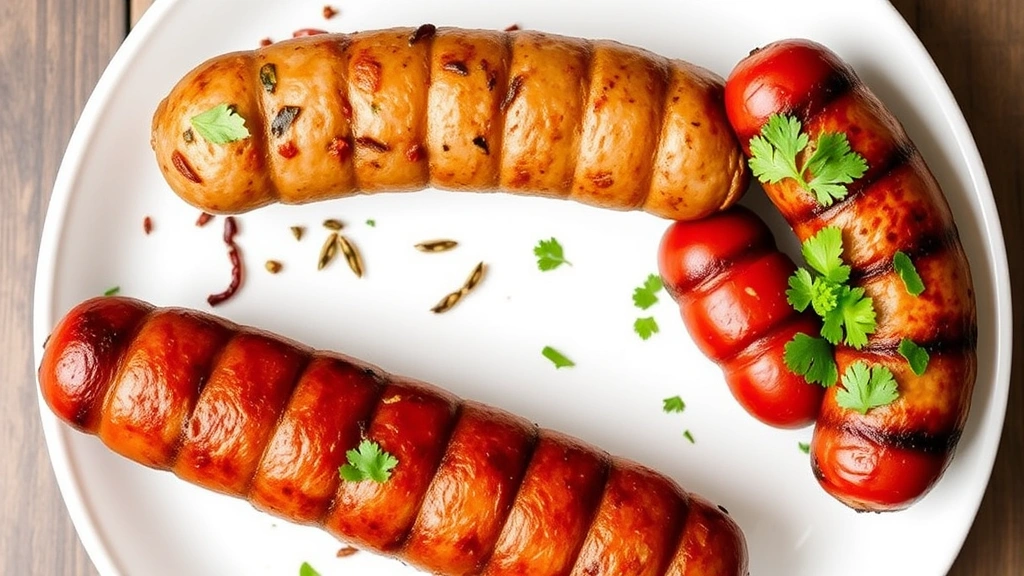
Yes, if you have a sausage stuffer and natural hog casings (available from butcher shops or online). Prepare the mixture exactly as described, then stuff into casings following your stuffer’s instructions. Tie off links at desired lengths and refrigerate for 2 hours before cooking, which helps them hold together better. Cook as you would patties, allowing slightly longer for the thicker links.
What’s the best way to incorporate complementary ingredients into turkey sausage?
Finely mince or grate any additions to ensure even distribution and proper binding. Add vegetables after the initial spice incorporation, folding gently. Avoid adding too much moisture—if your mixture becomes wet, the sausage may not brown properly. Generally, keep vegetable additions to ¼ cup per pound of meat to maintain proper texture and cooking characteristics.
Can I adjust the spice level for sensitive palates?
Certainly. Reduce cayenne pepper or omit entirely for mild sausage. Increase black pepper gradually for more bite without heat. Fresh herbs like parsley or chives can replace some spices for those preferring milder flavor profiles. The test patty method becomes especially valuable when cooking for varied preferences—taste and adjust before preparing the full batch.


