Tuna Salad with Egg: Chef’s Favorite Recipe
Tuna salad with egg is a timeless classic that combines protein-rich ingredients into a satisfying, versatile dish. This chef-approved recipe elevates the humble tuna salad by incorporating hard-boiled eggs, creating layers of flavor and texture that make it perfect for lunch, dinner, or entertaining. Whether you’re preparing a quick weekday meal or impressing guests at a gathering, this tuna salad delivers restaurant-quality results in your own kitchen.
The beauty of this recipe lies in its simplicity and adaptability. With just a handful of quality ingredients and proper technique, you can create a dish that rivals any deli or upscale bistro. The addition of eggs not only boosts the nutritional profile but also adds a creamy richness that transforms ordinary tuna into something extraordinary. Let’s explore how professional chefs approach this beloved recipe and uncover the secrets to making it absolutely delicious.
Why Eggs Elevate Your Tuna Salad
Hard-boiled eggs serve multiple purposes in this tuna salad recipe. First, they contribute substantial protein content, making the dish more filling and nutritionally complete. A single large egg contains approximately 6 grams of high-quality protein, plus essential amino acids that your body needs. When combined with tuna, which provides another 20+ grams of protein per can, you’re creating a powerhouse meal that keeps you satisfied for hours.
Beyond nutrition, eggs add textural complexity. The firm whites contrast beautifully with the creamy yolk, while the tuna provides a flaky, delicate element. This interplay of textures is what separates an ordinary tuna salad from a memorable one. Professional chefs understand that texture variation is crucial to creating dishes that feel substantial and interesting on the palate.
The yolk also contributes natural richness and acts as a binder, helping to hold the salad together without requiring excessive mayonnaise. This creates a more balanced, less heavy final product. Additionally, the pale yellow color of the yolks adds visual appeal, making your tuna salad more appetizing and restaurant-worthy.
Selecting Quality Ingredients
The foundation of an exceptional tuna salad begins with ingredient selection. Don’t skimp here—quality ingredients yield quality results. For the tuna, choose either solid white albacore or chunk light tuna, depending on your preference. Solid white offers a firmer texture and milder flavor, while chunk light provides a more robust tuna taste. Always opt for tuna packed in water rather than oil for better control over the final dish’s richness.
When selecting eggs, choose fresh, large ones from pasture-raised or free-range hens if possible. These eggs have richer, more flavorful yolks and stronger shells that are less prone to cracking during cooking. The quality difference is noticeable in both taste and appearance.
For mayonnaise, consider using a premium brand or making your own. Homemade mayo gives you complete control over ingredients and flavor profiles. The acid component—whether lemon juice or vinegar—should be fresh and high-quality. Fresh lemon juice tastes dramatically different from bottled versions and makes a measurable difference in the final product.
Additional ingredients that matter include fresh herbs (dill, parsley, or tarragon), quality salt (sea salt or kosher salt), freshly ground black pepper, and optional additions like homemade pickles for briny complexity. Each ingredient should be something you’d be comfortable eating on its own.
Step-by-Step Preparation Guide
Ingredients (serves 4):
- 2 cans (5 oz each) high-quality tuna in water, drained
- 4 large eggs
- ½ cup mayonnaise (preferably quality brand)
- 2 tablespoons fresh lemon juice
- 2 tablespoons fresh dill, finely chopped
- 1 tablespoon fresh parsley, chopped
- ½ small red onion, finely diced
- 2 celery stalks, finely diced
- 1 tablespoon capers, chopped (optional)
- Salt and freshly ground black pepper to taste
- ¼ teaspoon paprika (optional, for garnish)
Step 1: Cook the Eggs Perfectly
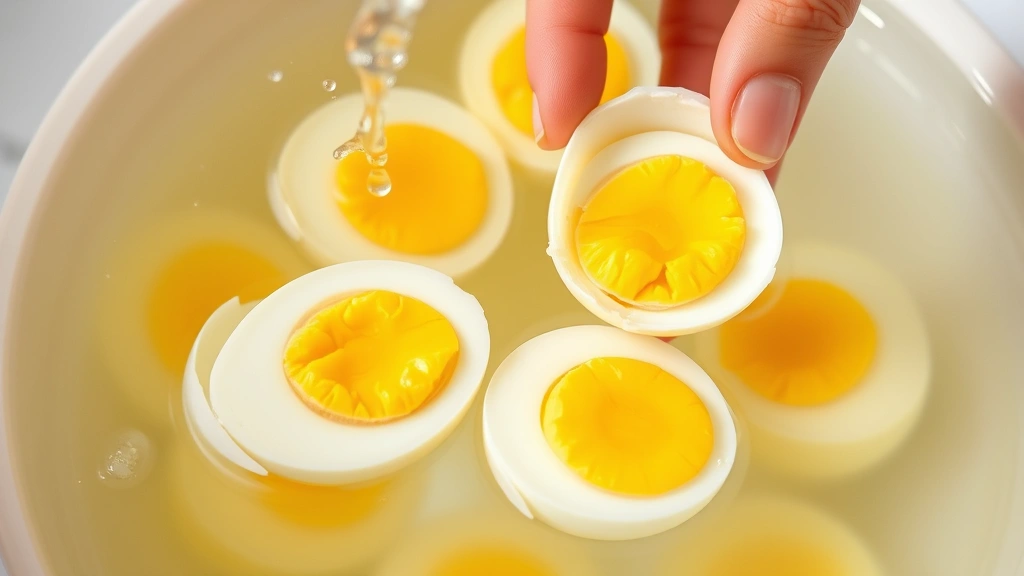
Bring a pot of water to a rolling boil. Gently lower room-temperature eggs into the water using a spoon. This prevents cracking. Set a timer for exactly 12 minutes for large eggs. While waiting, prepare an ice bath by filling a bowl with ice and cold water.
When the timer sounds, immediately transfer the eggs to the ice bath. This halts the cooking process and prevents the gray-green ring that forms around overcooked yolks. Let them cool for at least 5 minutes. This technique, favored by professional chefs, ensures perfectly cooked eggs with creamy, bright yellow yolks every single time.
Step 2: Prepare the Tuna Base
Drain the tuna thoroughly, pressing gently with a spoon to remove excess liquid without breaking apart the chunks. Transfer to a medium bowl. Add the mayonnaise and fresh lemon juice. Mix gently with a fork, breaking up the tuna slightly but preserving some texture. Overmixing creates a paste-like consistency, which we want to avoid.
Step 3: Prep the Vegetables
While the tuna sits, finely dice the red onion and celery. Uniformly sized pieces ensure even distribution and consistent flavor in each bite. Chop the fresh herbs—dill and parsley work beautifully together, offering both aromatic and subtle flavor notes.
Step 4: Dice the Cooled Eggs
Once the eggs have cooled completely, gently tap and roll them on the counter to crack the shell. Peel under cool running water, starting from the wider end where the air pocket is located. This makes peeling easier. Carefully dice the eggs into roughly ½-inch pieces. Some people prefer leaving some larger chunks for visual interest.
Cooking and Assembly Techniques
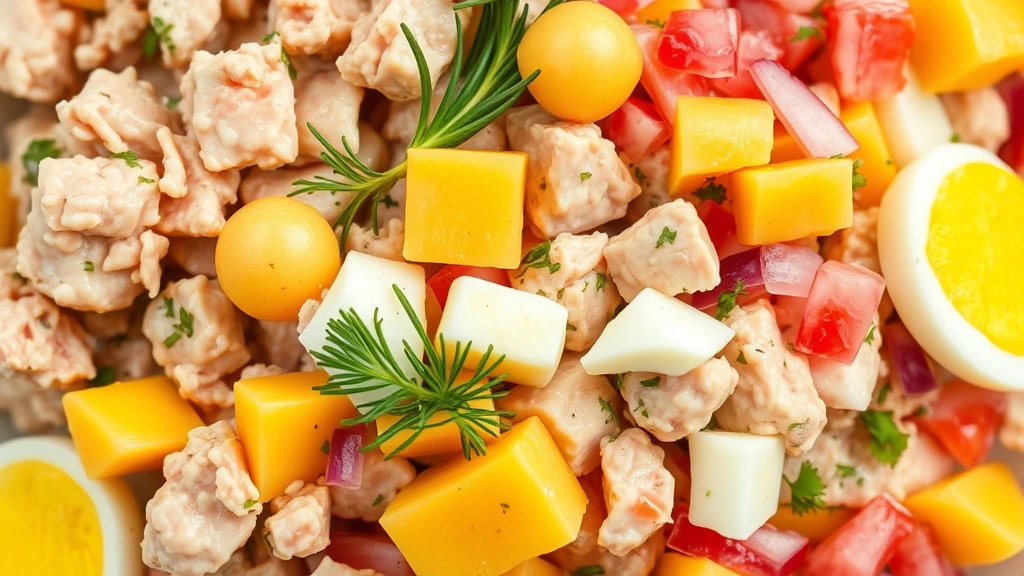
Now comes the assembly—this is where technique matters. Add the diced vegetables and herbs to the tuna mixture. Gently fold everything together using a rubber spatula or wooden spoon. The goal is to combine ingredients thoroughly while maintaining the texture of the tuna and egg pieces.
Add the diced eggs last, folding them in with extra care. Eggs break apart easily, and you want to preserve their structural integrity for visual appeal and pleasant texture. Season with salt and freshly ground black pepper to taste. Remember that capers and other ingredients may contribute saltiness, so taste before adding excessive salt.
If you prefer a creamier consistency, add more mayonnaise one tablespoon at a time. If it seems too rich, a squeeze of fresh lemon juice or a splash of white wine vinegar helps balance the flavors. The seasoning should taste bright and assertive—this salad will be served cold, and cold foods require bolder seasoning than hot dishes.
Let the assembled salad rest in the refrigerator for at least 30 minutes before serving. This allows flavors to meld and develop. Many chefs actually prefer making tuna salad a few hours ahead, finding that flavors improve with time.
Flavor Variations and Customizations
Mediterranean Version
Add Kalamata olives, sun-dried tomatoes, and fresh oregano instead of dill. Substitute lemon juice with red wine vinegar for deeper flavor. This variation pairs beautifully with easy homemade bread recipes for an authentic Mediterranean experience.
Asian-Inspired Variation
Replace mayonnaise with a mixture of half mayo and half sriracha-infused mayo. Add sesame seeds, diced cucumber, and fresh ginger. Use rice vinegar instead of lemon juice. Garnish with scallions and cilantro for an entirely different flavor profile that’s equally delicious.
Classic with a Twist
Incorporate pickles for briny complexity and crunch. Add a tablespoon of Dijon mustard for subtle depth. Fresh tarragon offers a sophisticated anise-like note that elevates the entire dish.
Creamy Upgrade
Mix in a tablespoon of creme fraiche recipe or Greek yogurt for added richness and tang. This creates a more luxurious texture while maintaining brightness through the yogurt’s natural acidity.
Serving Suggestions and Pairings
Tuna salad with egg is incredibly versatile. Serve it on crisp lettuce leaves for a low-carb option, or pile it generously onto toasted bread for a classic sandwich. Whole grain bread adds nutty flavor and nutritional value, while sourdough provides tangy complexity.
For a more elegant presentation, serve the salad in hollowed-out tomato halves or avocado boats. Garnish with microgreens, additional fresh herbs, and a light dusting of paprika. This transforms a simple salad into an impressive plated dish suitable for entertaining.
Pair your tuna salad with quick and easy pasta recipes for a complete meal. A crisp white wine like Sauvignon Blanc or Pinot Grigio complements the flavors beautifully. For non-alcoholic options, sparkling lemon water or iced herbal tea work wonderfully.
Consider serving alongside fresh vegetables—cucumber slices, radishes, cherry tomatoes, or carrot sticks add color, texture, and nutritional balance. A simple green salad with vinaigrette provides freshness that contrasts nicely with the rich, creamy tuna mixture.
This salad also works beautifully as part of a vintage grandma recipes collection, bringing nostalgic comfort food into modern times with refined technique and quality ingredients.
FAQ
Can I make tuna salad with egg ahead of time?
Absolutely! In fact, many chefs recommend preparing it 2-4 hours ahead. This allows flavors to develop and meld beautifully. Store it in an airtight container in the refrigerator. It keeps well for up to 3 days, though the bread or greens you serve it on should be added fresh right before eating.
What’s the best type of tuna to use?
Solid white albacore tuna offers a firmer texture and milder flavor, making it ideal for those who prefer delicate taste. Chunk light tuna provides more robust tuna flavor and works well for those who love a stronger fish taste. Always choose tuna packed in water for better control over the final dish’s richness and calorie content.
Can I substitute mayonnaise with something lighter?
Yes! Greek yogurt, sour cream, or a mixture of these with mayo creates a lighter version while maintaining creaminess. You can also use avocado as a mayonnaise substitute for a completely different flavor profile. Adjust the lemon juice and seasoning to taste, as these substitutes have different flavor intensities.
How do I prevent my eggs from having that gray-green ring?
That ring forms from overcooking. The key is timing (exactly 12 minutes for large eggs) and immediately transferring cooked eggs to an ice bath. This halts the cooking process instantly, preserving the bright yellow yolk and preventing the chemical reaction that creates the gray-green discoloration.
Is this recipe suitable for meal prep?
Definitely! This tuna salad is perfect for meal prep. Prepare it in batches and store in airtight containers for up to 3 days. Keep bread or lettuce separate until you’re ready to eat. Portion it into individual containers for grab-and-go lunches throughout the week. The flavors actually improve slightly as they sit.
Can I use fresh tuna instead of canned?
Absolutely! Sear fresh tuna steaks until just cooked through, then flake into bite-sized pieces. This creates a more luxurious version perfect for special occasions. Fresh tuna requires less mayo since it’s naturally moister than canned varieties. Adjust the recipe accordingly, starting with less mayo and adding more if needed.
What external resources can help me master this recipe?
For deeper understanding of egg cooking techniques, consult Serious Eats, which offers scientific explanations of cooking methods. The International Association of Culinary Professionals provides resources on technique mastery. For ingredient sourcing, The Kitchn offers excellent guides on selecting quality ingredients. The Culinary Institute provides professional technique videos, and Fine Cooking magazine offers chef-tested recipes and method explanations.


