
Best Vegetable Dip Recipe: Chef-Approved Guide
A truly exceptional vegetable dip recipe is the foundation of any impressive appetizer spread. Whether you’re hosting a dinner party, attending a potluck, or simply craving a healthy snack, mastering the art of dip-making elevates your culinary repertoire instantly. Professional chefs understand that the best dips balance creamy textures with bright, complementary flavors—and we’re here to break down exactly how to achieve that magic in your own kitchen.
The beauty of vegetable dips lies in their versatility. Unlike many appetizers that demand precision and timing, dips reward experimentation and personal taste preferences. From classic sour cream-based foundations to innovative Greek yogurt variations, there’s a dip style for every occasion and dietary need. This guide walks you through time-tested techniques, ingredient selection, and pro tips that professional chefs use to create dips that disappear from serving platters within minutes.
Classic Ranch Vegetable Dip
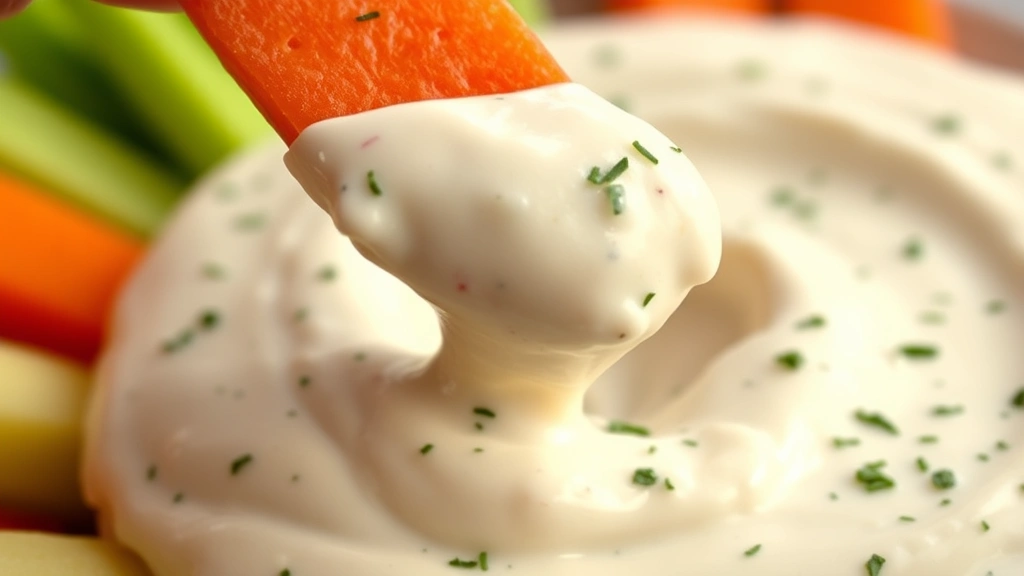
The quintessential ranch dip remains a crowd-favorite for excellent reason. This vegetable dip recipe combines sour cream, mayonnaise, and aromatic seasonings into an irresistibly creamy base that complements virtually any fresh vegetable. Professional caterers rely on this formula because it’s foolproof, scalable, and consistently delivers satisfying results.
Essential Ingredients:
- 1 cup sour cream (full-fat for richness)
- ½ cup mayonnaise (quality matters here)
- 2 tablespoons fresh parsley, finely chopped
- 1 tablespoon fresh chives, minced
- 1 teaspoon dried dill (or 1 tablespoon fresh)
- ½ teaspoon garlic powder
- ½ teaspoon onion powder
- ¼ teaspoon black pepper
- ½ teaspoon sea salt
- 1 teaspoon fresh lemon juice
Step-by-Step Instructions:
- Combine sour cream and mayonnaise in a medium mixing bowl, whisking until completely smooth and homogeneous. This creates your creamy foundation.
- Add fresh parsley and chives, stirring gently to distribute evenly throughout the mixture.
- Sprinkle dried dill, garlic powder, onion powder, and black pepper into the bowl. Mix thoroughly with a wooden spoon.
- Taste the mixture and adjust seasonings as needed. Remember that flavors intensify after refrigeration, so err slightly toward underseasoning initially.
- Squeeze fresh lemon juice into the dip and fold gently to combine. The acidity brightens the overall flavor profile.
- Transfer to a serving bowl and refrigerate for at least 2 hours before serving. This resting period allows flavors to meld beautifully.
- Before serving, give the dip a gentle stir and taste again. Add additional salt, pepper, or lemon juice if desired.
This classic approach works beautifully with creamy sauce techniques that professional chefs employ across various appetizer preparations.
Greek Yogurt Herb Dip
For health-conscious entertaining, Greek yogurt transforms into an exceptional dip base that rivals traditional sour cream versions. This lighter alternative maintains creaminess while reducing fat content and increasing protein—a win for modern cooking. Greek yogurt’s tanginess actually enhances herb flavors, creating a more sophisticated taste profile.
Ingredients for Greek Yogurt Version:
- 1 cup plain Greek yogurt (0% or 2% fat)
- ¼ cup mayonnaise (or omit for lighter version)
- 2 tablespoons fresh basil, finely chopped
- 2 tablespoons fresh dill, minced
- 1 tablespoon fresh tarragon (optional but recommended)
- 3 cloves garlic, minced very fine
- 1 tablespoon white wine vinegar
- ½ teaspoon Dijon mustard
- Salt and white pepper to taste
- ½ teaspoon honey (balances acidity)
Preparation Method:
- Spoon Greek yogurt into a fine-mesh strainer lined with cheesecloth. Let drain for 30 minutes to remove excess whey. This concentrates flavor and improves texture.
- Transfer drained yogurt to a mixing bowl and whisk until smooth.
- Fold in mayonnaise if using, combining thoroughly until no streaks remain.
- Add fresh basil, dill, and tarragon, stirring gently to preserve the herbs’ delicate texture.
- Stir in minced garlic, white wine vinegar, and Dijon mustard. The mustard adds subtle depth without overpowering.
- Taste and adjust seasoning with salt, white pepper, and a touch of honey to balance acidity.
- Refrigerate for at least 3 hours. Greek yogurt dips benefit from extended resting time for optimal flavor development.
This variation pairs exceptionally well with crudités and works as a vegetable chip dip for innovative entertaining.
Selecting Premium Ingredients
The difference between mediocre and extraordinary dips often comes down to ingredient quality. Professional chefs understand that using fresh, high-quality components transforms simple recipes into restaurant-worthy creations.
Sour Cream Selection: Choose full-fat sour cream from reputable dairy producers. The fat content carries flavor and creates superior mouthfeel. Check expiration dates and select products with minimal additives. Store-brand options work, but premium brands like Cabot or Nancy’s deliver noticeably better results.
Fresh Herbs Matter: Never substitute dried herbs one-to-one with fresh. Fresh herbs contain more moisture and provide brighter flavors. When selecting fresh parsley, dill, chives, and basil, look for vibrant color and pliable stems. Avoid wilted or browning leaves. For best results, purchase herbs 1-2 days before preparation and store in water-filled jars covered with plastic bags.
Garlic and Onion: Fresh garlic delivers incomparably better flavor than powdered versions. Mince garlic very fine to distribute flavor evenly. For raw garlic applications, consider blanching for 30 seconds to reduce harshness while maintaining flavor complexity. Onion powder works adequately when fresh onions aren’t practical, but freshly minced red onion adds textural interest and visual appeal.
Mayonnaise Quality: Duke’s, Hellmann’s, and Kewpie represent superior options compared to generic brands. The egg yolk ratio and vinegar balance significantly impact final dip taste. Avoid “light” mayonnaise, which contains additives affecting texture and flavor.
Acid Components: Fresh lemon juice trumps bottled alternatives every time. The live acidity brightens flavors and prevents the dip from becoming heavy. White wine vinegar, rice vinegar, and champagne vinegar each offer distinct flavor profiles—experiment to discover your preference. Store vinegars in cool, dark locations to preserve quality.
Flavor Building Techniques
Creating depth in vegetable dips requires understanding flavor layering—a technique professional chefs master through experience and training. Rather than throwing ingredients together, intentional flavor building creates complexity that keeps people coming back for more bites.
Umami Development: Umami, the fifth taste, adds savory satisfaction to dips. Incorporate umami through Dijon mustard, a touch of soy sauce, miso paste, or finely minced anchovies (used sparingly). These ingredients don’t announce their presence but rather deepen overall flavor perception. Start with ¼ teaspoon and adjust upward.
Acid Balance: Acidity prevents dips from tasting flat or overly rich. Beyond lemon juice and vinegar, consider white miso paste dissolved in a small amount of water, or fresh lime juice for variation. The goal is brightening flavor without making the dip noticeably sour. Taste frequently as you adjust acid content.
Heat and Spice: A pinch of cayenne pepper, smoked paprika, or fresh jalapeño adds complexity. Start conservatively—you can always add more, but you cannot remove heat. Smoked paprika, in particular, adds sophistication without spiciness, appealing to broader audiences.
Texture Considerations: While creamy dips dominate, adding texture through minced vegetables, seeds, or nuts creates interest. Finely diced roasted red peppers, toasted pine nuts, or crispy bacon bits provide contrast against the smooth base. Add textural components just before serving to prevent them from becoming soggy.
Sweetness Modulation: A tiny amount of honey, maple syrup, or agave nectar balances savory elements and rounds out sharp flavors. Use sparingly—less than ½ teaspoon per cup of dip typically suffices. The sweetness should be imperceptible, functioning only to balance other flavors.
Preparation and Storage
Proper preparation and storage techniques ensure your vegetable dip recipe maintains quality and food safety throughout serving time.
Make-Ahead Strategy: Vegetable dips actually improve with time as flavors meld. Prepare dips 24 hours in advance when possible. This timing allows you to taste and adjust seasonings before guests arrive. Store in airtight containers on the coldest shelf of your refrigerator, typically the back of the middle shelf.
Temperature Management: Keep dips at 40°F or below until serving. Remove from refrigeration no more than 2 hours before guests arrive. If serving at a party lasting several hours, place the dip bowl in a larger bowl filled with ice, replacing ice as it melts. This maintains food safety while keeping the dip at optimal temperature.
Shelf Life: Sour cream and mayonnaise-based dips remain fresh for 5-7 days when stored properly. Greek yogurt dips last 4-5 days. Always check for off smells or unusual discoloration before serving. When in doubt, discard—dips are inexpensive compared to potential food safety risks.
Freezing Considerations: Most dairy-based dips don’t freeze well, as freezing causes separation and texture changes. However, you can freeze herb portions in ice cube trays, then combine with fresh dairy components when serving. This preserves herb flavors for future use.
Serving and Pairing Ideas
The presentation and pairing of your dip significantly impacts the eating experience. Professional chefs understand that visual appeal and thoughtful accompaniment choices elevate simple appetizers into memorable experiences.
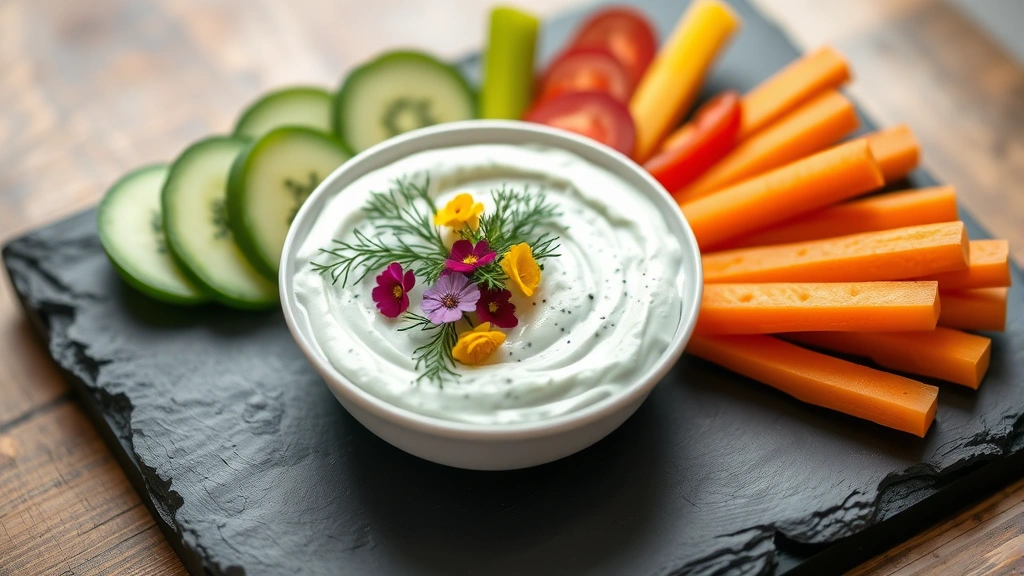
Vegetable Selection: Choose a diverse array of vegetables offering different textures, colors, and flavors. Include sweet vegetables (carrots, bell peppers), crisp options (celery, radishes, snap peas), and earthy choices (mushrooms, cauliflower). Cut vegetables into uniform sizes for visual consistency. Arrange vegetables in circular patterns radiating from a central dip bowl, or create height variation with a tiered presentation.
Beyond Vegetables: While vegetable dips traditionally pair with vegetables, consider expanding your serving options. Pita chips, crackers, toasted bread rounds, and homemade snack mixes provide textural contrast. Toasted baguette slices work beautifully for more formal occasions.
Presentation Techniques: Transfer dip to attractive serving vessels—shallow bowls work better than deep ones, allowing easy scooping. Garnish with fresh herbs, a drizzle of quality olive oil, paprika, or toasted seeds. These finishing touches signal care and attention to detail, encouraging guests to try the dip.
Beverage Pairing: Vegetable dips pair well with crisp white wines like Sauvignon Blanc or Pinot Grigio. For non-alcoholic options, sparkling water with lemon or herbal iced tea complement herb-forward dips beautifully. The acidity in beverages refreshes the palate between dip tastes.
Occasion Adaptation: Casual gatherings welcome bold, garlicky dips, while formal events benefit from more subtle, refined flavor profiles. Holiday parties call for festive garnishes like pomegranate seeds or fresh cranberries. Adjust seasoning intensity and presentation formality based on your specific occasion.
FAQ
Can I make vegetable dip without mayonnaise?
Absolutely. Replace mayonnaise with additional sour cream or Greek yogurt, though this increases tanginess. Alternatively, use ricotta cheese or cream cheese for different flavor profiles. The dip will be thinner without mayonnaise, so adjust consistency by reducing dairy slightly or adding a touch of cornstarch mixed with water.
How far in advance can I prepare vegetable dip?
Prepare dips up to 24 hours ahead. The flavors actually improve as ingredients meld overnight. Store in airtight containers on the coldest shelf of your refrigerator. Taste and adjust seasonings just before serving, as some flavors may intensify during storage.
What’s the best way to prevent my dip from becoming watery?
Use full-fat dairy products, avoid adding watery vegetables like tomatoes directly to the dip, and drain Greek yogurt before using. If the dip becomes watery during serving, stir in a small amount of cream cheese or transfer to a fresh bowl, leaving excess liquid behind.
Can I customize the herbs in my dip?
Herb customization is encouraged. Tarragon, cilantro, mint, and oregano all work beautifully. Use roughly 2-3 tablespoons fresh herbs per cup of dip base. Avoid mixing more than three herb varieties, as this can create muddy flavors. Taste as you add to ensure balance.
How do I make my dip less garlicky if I used too much?
Add more sour cream or Greek yogurt to dilute the garlic flavor. Alternatively, stir in a small amount of honey or sugar to balance the pungency. Cooking garlic briefly in butter before adding can reduce harsh flavors, though this requires starting over.
Is this dip suitable for dairy-free diets?
Traditional sour cream and mayonnaise contain dairy. For dairy-free versions, use coconut cream or cashew cream as your base. Dairy-free mayonnaise works, though quality varies significantly by brand. The flavor profile will differ from traditional versions, but delicious dairy-free dips are absolutely achievable with quality ingredients.
What vegetables work best with herb dips?
Mild vegetables like celery, cucumber, and bell peppers allow herb flavors to shine. Strong-flavored vegetables like raw onion or radish can overpower delicate herb profiles. Blanch vegetables like broccoli and cauliflower briefly to soften them slightly while preserving their structure, making them easier to dip.
Can I add protein to my vegetable dip?
Yes. Finely minced smoked salmon, crispy bacon bits, or minced cooked shrimp add protein and flavor. Ensure any additions are finely chopped so they distribute evenly. Add protein-containing ingredients just before serving to prevent texture degradation.


