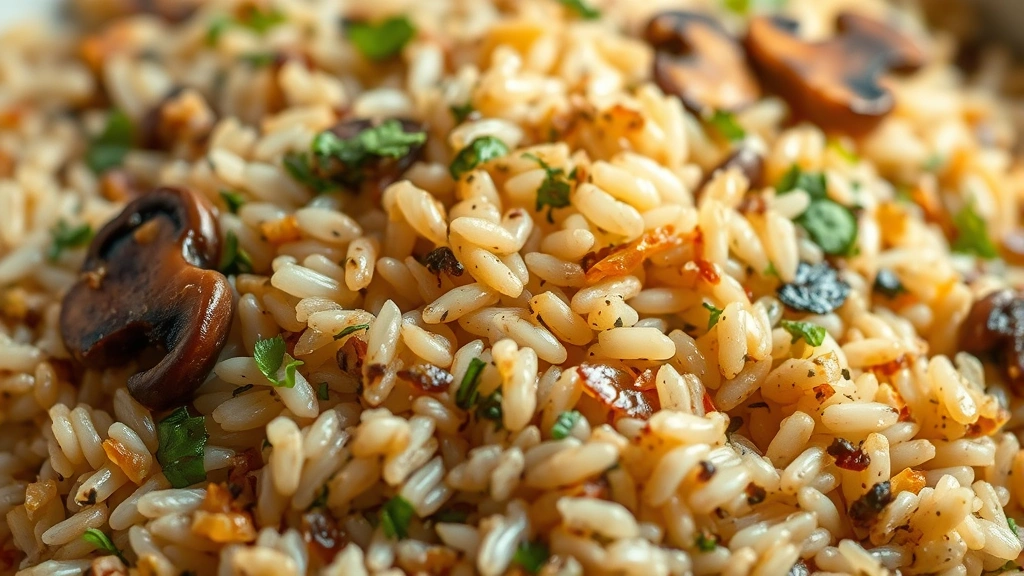
Wild Rice Pilaf: Chef’s Favorite Recipe for Perfectly Fluffy Grains
Wild rice pilaf represents one of those elegant yet approachable dishes that transforms simple ingredients into restaurant-quality sophistication. Unlike its milder cousin white rice, wild rice brings a distinctive nutty flavor, chewy texture, and striking dark appearance that elevates any dinner table. This chef-favorite recipe combines the earthiness of wild rice with aromatic vegetables, savory broth, and complementary seasonings to create a side dish that rivals any main course in complexity and satisfaction.
Whether you’re preparing a holiday feast, hosting an intimate dinner party, or simply seeking to expand your weeknight cooking repertoire, mastering wild rice pilaf opens doors to countless variations and applications. The beauty of this dish lies in its versatility—serve it alongside roasted poultry, pair it with grilled salmon, or enjoy it as a vegetarian-forward main course topped with roasted vegetables and legumes. Understanding the fundamentals of cooking wild rice properly ensures you’ll achieve that perfect balance of tender yet slightly firm grains every single time.
What Is Wild Rice?
Wild rice isn’t actually rice at all—it’s the seed of an aquatic grass native to North America, primarily harvested in the Great Lakes region and Canada. This distinction matters because it explains why wild rice behaves differently during cooking compared to conventional rice varieties. The grain features a dark brown to almost black exterior with a distinctive seam running along its length, and inside lies a creamy, lighter-colored kernel that becomes tender when properly cooked.
The nutritional profile of wild rice significantly outperforms white and brown rice varieties. It contains approximately twice the protein of white rice, along with higher quantities of fiber, minerals like manganese and magnesium, and B vitamins. These nutritional benefits, combined with its sophisticated appearance and complex flavor, explain why chefs consistently feature wild rice in upscale restaurant menus. The grain’s slightly chewy texture and nutty, earthy taste provide depth that elevates simple pilaf preparations into memorable dishes.
Understanding wild rice’s unique characteristics helps explain cooking techniques. The tough outer hull requires longer cooking times than conventional rice—typically 45 to 60 minutes—and the grains don’t soften into mushiness even with extended cooking. Instead, they develop a tender interior while maintaining structural integrity. Some grains may split slightly at the seam during cooking, which is completely normal and actually indicates proper doneness.
Essential Ingredients Guide
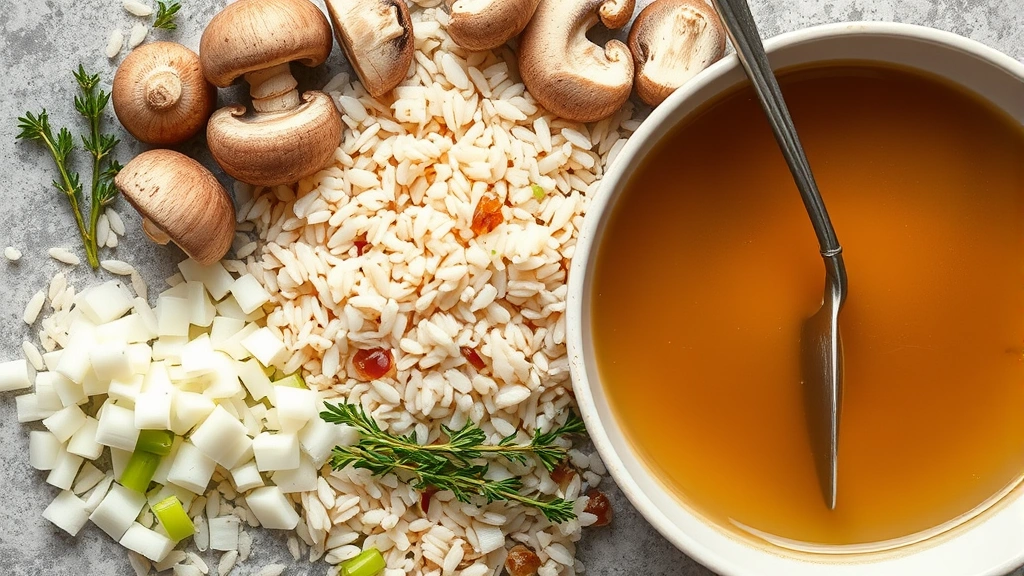
Wild Rice (1 cup uncooked): This forms your pilaf’s foundation. Look for clean, debris-free grains at specialty markets or the natural foods section of supermarkets. Quality matters—premium wild rice yields better texture and more pronounced nutty flavor.
Vegetable or Chicken Broth (3 cups): Broth replaces water to infuse every grain with savory depth. Homemade broth produces superior results, though quality store-bought versions work perfectly. Avoid overly salty broths that concentrate during cooking.
Butter (3 tablespoons): This enriches the pilaf while helping the rice grains separate and preventing clumping. Unsalted butter gives you better seasoning control.
Diced Aromatics: One cup of diced onion and half a cup of diced celery form the classic mirepoix base that builds flavor foundation. Some chefs add diced carrots for sweetness and color contrast.
Fresh Mushrooms (8 ounces, sliced): Cremini, baby bella, or shiitake mushrooms complement wild rice’s earthiness beautifully. Sauté them separately to achieve golden color and concentrated umami flavor before folding into the finished pilaf.
Seasonings: Kosher salt, freshly ground black pepper, fresh thyme, and bay leaves build a sophisticated flavor profile. Many chefs add a pinch of cayenne for subtle heat and a tablespoon of sherry vinegar for brightness.
Step-by-Step Preparation
Rinse Your Wild Rice: Place wild rice in a fine-mesh strainer and rinse under cool running water for 30 seconds, stirring gently with your fingers. This removes dust and debris while slightly softening the outer hull. Don’t over-rinse—you want to maintain the grain’s integrity.
Prepare Your Aromatics: Dice one large yellow onion into quarter-inch pieces and slice celery into similar-sized pieces. If including carrots, dice them to match. Have these prepped before you begin cooking, as the timing becomes critical once the pan heats.
Prepare Your Mushrooms: Clean mushrooms with a damp paper towel rather than washing them, which causes them to absorb excess moisture. Slice them into quarter-inch thick slices, keeping pieces relatively uniform for even cooking.
Measure Your Broth: Pour your chosen broth into a separate pot and bring it to a simmer on a back burner. Having warm broth ready prevents temperature drop when you add it to the rice, ensuring consistent cooking throughout.
The Perfect Cooking Technique
Toast the Wild Rice: Heat a large, heavy-bottomed saucepan or Dutch oven over medium heat. Add 1 tablespoon of butter and allow it to foam gently. Add your rinsed wild rice and stir constantly for 3 to 4 minutes. This toasting step develops deeper, more complex nutty flavors by gently drying the exterior and beginning the Maillard reaction. You’ll notice a subtle popcorn-like aroma emerging—this indicates proper toasting.
Sauté the Aromatics: Add the remaining 2 tablespoons of butter to the toasted rice, then add your diced onion and celery. Stir frequently for 4 to 5 minutes until the vegetables begin softening and becoming translucent at the edges. This aromatics-building phase creates a flavor foundation that permeates every grain of finished pilaf.
Add the Warm Broth: Carefully pour your simmering broth into the rice mixture, stirring once to combine. Add two bay leaves, one teaspoon of fresh thyme leaves (or half a teaspoon dried), half a teaspoon of kosher salt, and quarter teaspoon of black pepper. Increase heat to bring the liquid to a rolling boil, then reduce to low heat, cover with a lid, and simmer undisturbed for 45 to 50 minutes.
Check for Doneness: After 45 minutes, carefully remove the lid and test a few grains by biting them. Properly cooked wild rice grains should be tender throughout with a slight firmness—never mushy. The liquid should be nearly completely absorbed. If grains remain too firm and liquid remains, cover and continue cooking for 5 to 10 additional minutes.
Prepare the Mushrooms: While the rice cooks, heat 1 tablespoon of butter in a large skillet over medium-high heat. When foaming, add your sliced mushrooms in a single layer and resist the urge to stir for 3 to 4 minutes. This allows them to develop golden-brown color through the Maillard reaction. Then stir and continue cooking until all moisture evaporates and mushrooms are deeply golden, approximately 8 to 10 minutes total.
Final Assembly: When the rice finishes cooking, remove from heat and let rest, covered, for 5 minutes. Remove the bay leaves, then fluff the rice gently with a fork. Fold in the sautéed mushrooms along with any accumulated pan juices. Taste and adjust seasonings—add more salt, pepper, or a splash of sherry vinegar as needed. The finished pilaf should glisten slightly from the butter and mushroom juices, with distinct grains visible throughout.
Chef-Approved Flavor Variations
Autumn Harvest Version: Add one diced Granny Smith apple and half a cup of dried cranberries along with the mushrooms. The apple’s tartness and cranberries’ sweetness balance wild rice’s earthiness beautifully. Toast half a cup of chopped pecans separately and fold in just before serving for textural contrast and additional nutty depth.
Herbed Garden Variation: Increase fresh herbs significantly—use fresh parsley, chives, and tarragon instead of just thyme. Add these delicate herbs after cooking to preserve their bright flavor. This lighter version pairs exceptionally well with fish dishes and works beautifully for spring and summer entertaining.
Wild Rice Pilaf with Dried Fruits: Combine dried apricots, dried cherries, and golden raisins for a sweet-savory profile. Plump the dried fruits in warm broth for 10 minutes before using that same broth to cook the rice, infusing subtle fruity notes throughout. This variation complements pork and game beautifully.
Luxe Truffle Version: After the rice finishes cooking and mushrooms are folded in, drizzle with high-quality truffle oil and finish with shaved Parmesan cheese. This elegant variation transforms the dish into a sophisticated side worthy of your finest dinners. Use truffle oil sparingly—its flavor intensifies during cooking.
Wild Rice with Shellfish: Fold in cooked bay shrimp or diced scallops just before serving, along with fresh lemon zest and a splash of white wine. This creates an impressive seafood-inflected pilaf that works as either a substantial side or light main course.
Serving Suggestions and Pairings
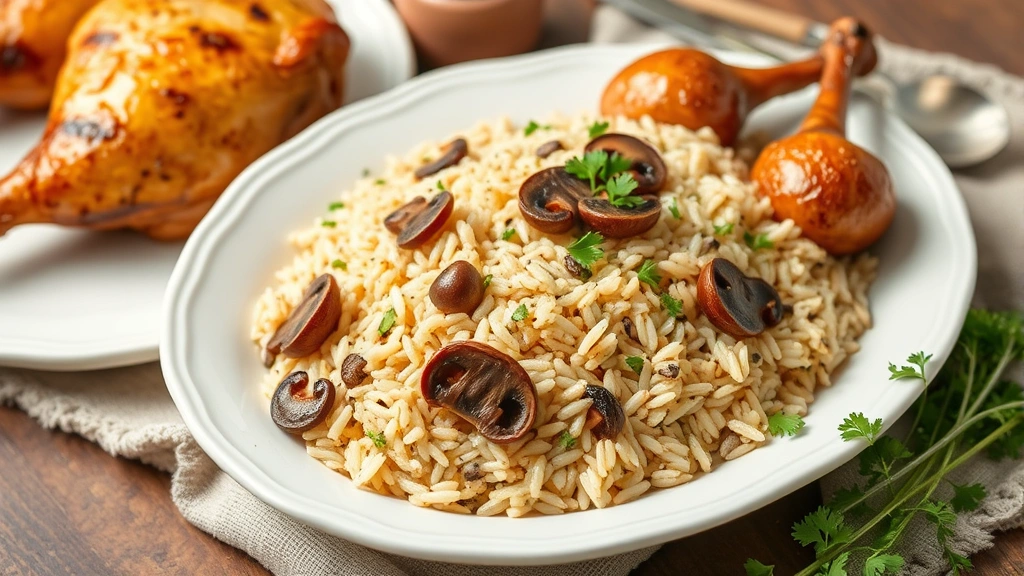
Wild rice pilaf’s sophisticated earthiness pairs beautifully with rich poultry. Serve alongside holiday roasted turkey or chicken, where the pilaf’s nutty depth complements poultry’s natural flavors. The grain’s chewy texture provides pleasant contrast to tender, juicy meat.
Game meats—including venison, duck, and pheasant—find their perfect complement in wild rice pilaf. The grain’s robust flavor stands up to game’s intensity without being overwhelmed, creating balanced plates that showcase both components. Chefs frequently feature this pairing in upscale restaurants during autumn and winter seasons.
Salmon and other fatty fish benefit from wild rice pilaf’s earthiness and slight acidity. The mushrooms and herbs cut through richness while the grain provides textural contrast to the fish’s delicate flake. A squeeze of fresh lemon over the finished plate brightens all components.
For vegetarian presentations, top wild rice pilaf with roasted vegetables—Brussels sprouts, root vegetables, or seasonal squash—and finish with a fried egg or dollop of Greek yogurt for protein. This transforms the pilaf into a satisfying vegetarian main course rather than merely a side dish.
Consider pairing wild rice pilaf with rich, earthy wines. Pinot Noir, Côtes du Rhône, and other medium-bodied reds complement the dish’s flavors without overwhelming the palate. For white wine preferences, Chardonnay or Viognier work beautifully, particularly with herb-forward variations.
Storage and Make-Ahead Tips
Refrigerator Storage: Properly cooled wild rice pilaf keeps refrigerated in an airtight container for up to four days. Allow the dish to cool completely before covering—warm pilaf creates condensation that causes mushiness. To reheat, add a splash of broth and warm gently in a covered skillet over medium-low heat, stirring occasionally until heated through.
Freezer Storage: Cooked wild rice pilaf freezes beautifully for up to three months. Portion into freezer-safe containers, leaving slight headspace for expansion. Thaw overnight in the refrigerator before reheating using the method described above. Avoid freezing if your variation includes seafood or dairy toppings—add these after reheating.
Make-Ahead Strategy: You can prepare wild rice pilaf up to two days in advance, storing it covered in the refrigerator. This makes it ideal for entertaining when oven and stovetop space becomes premium. Simply reheat gently before serving. For variations including delicate herbs or fresh garnishes, add these immediately before serving to preserve their bright flavor and appearance.
Component Preparation: Toast and store the wild rice separately from aromatics if you’re working several hours ahead. Prepare mushrooms up to four hours in advance and store in the refrigerator in a covered container. This approach allows you to assemble the final dish quickly while maintaining optimal flavor and texture.
Batch Cooking: Wild rice pilaf doubles and triples beautifully. If you’re already cooking one batch, consider making extra for freezing. You’ll have a sophisticated side dish ready whenever needed, making entertaining less stressful and weeknight cooking more manageable.
FAQ
Why does my wild rice come out mushy?
Mushiness typically results from overcooking or using too much liquid. Follow the 3:1 liquid-to-rice ratio precisely, and begin checking for doneness at 45 minutes rather than automatically cooking the full 60. Wild rice should have a slight firmness—it won’t become completely soft like white rice. Also ensure your lid fits properly to prevent excessive steam escape, which affects cooking time.
Can I substitute wild rice with other grains?
While you can use farro, barley, or forbidden black rice, the results differ significantly. Each grain has different cooking times and liquid absorption rates. Wild rice’s distinctive nutty flavor and chewy texture are irreplaceable. If budget concerns exist, consider mixing wild rice with brown rice in a 1:1 ratio, which stretches the wild rice while maintaining its character.
How do I prevent wild rice from sticking to the pan?
The toasting step and proper butter incorporation are crucial. Don’t skip toasting—it helps prevent sticking by slightly drying the grain exterior. Additionally, resist the urge to stir during cooking. The covered pan creates a steam environment that prevents sticking. One gentle stir after adding broth is sufficient.
What’s the difference between wild rice and wild rice blends?
Pure wild rice contains only the aquatic grass seed, while blends combine wild rice with white rice, brown rice, or other grains. Blends cook faster (usually 20-30 minutes) and are less expensive, but they lack wild rice’s distinctive flavor and texture. For this recipe, use 100% wild rice for authentic results.
Can I make wild rice pilaf in a rice cooker?
Most standard rice cookers aren’t ideal for wild rice because the grains require longer cooking and specific heat management. However, some larger rice cookers with extended cooking cycles work adequately. Use the 3:1 liquid ratio and monitor doneness carefully, as rice cooker settings vary. Stovetop cooking provides superior control and better texture results.
How far in advance can I prepare wild rice pilaf for entertaining?
You can prepare the complete pilaf up to two days in advance, storing it covered in the refrigerator. Reheat gently before serving. If your recipe includes fresh herbs or delicate garnishes, prepare the base pilaf ahead but add these finishing touches just before serving. This timing works perfectly for dinner parties and holiday meals.
What cooking vessel works best for wild rice pilaf?
A heavy-bottomed saucepan or Dutch oven with a tight-fitting lid produces the best results. Cast iron, enameled cast iron, or heavy stainless steel distribute heat evenly and maintain consistent temperature. Avoid thin pans that create hot spots, which cause uneven cooking. A 3 to 4-quart capacity accommodates the recipe comfortably.
Why should I toast wild rice before cooking?
Toasting develops complex nutty flavors through the Maillard reaction, creating deeper taste complexity than simply boiling the grains. This step takes only a few minutes but significantly improves the finished dish’s flavor profile. It’s the technique that separates restaurant-quality pilaf from basic preparations.
For additional inspiration on creating memorable side dishes, explore creative recipe options and culinary techniques that elevate your cooking. Understanding foundational cooking methods opens doors to countless variations and applications in your kitchen repertoire.
Mastering wild rice pilaf demonstrates fundamental cooking principles applicable across numerous dishes. The toasting technique works for other grains, the aromatic base appears in countless cuisines, and the mushroom-cooking method applies to any sautéed vegetable preparation. These transferable skills build confidence and expand your culinary capabilities significantly.


