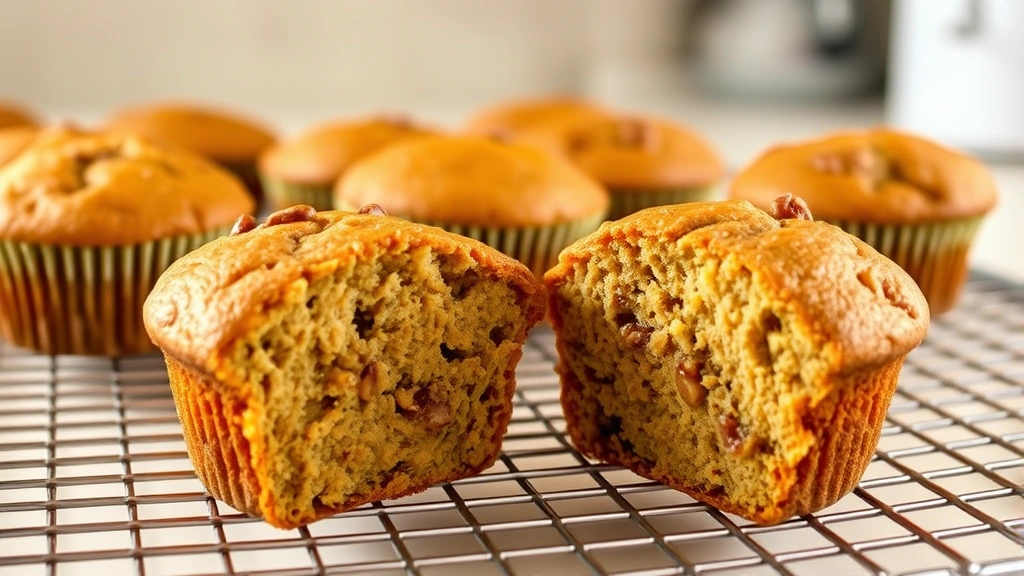
Moist Banana Nut Muffins: Grandma’s Secret Recipe
There’s something magical about biting into a warm banana nut muffin that melts on your tongue with just the right amount of moisture and flavor. This isn’t just any muffin recipe—it’s the closely guarded secret that my grandmother perfected over decades of baking for her large family. The key to achieving that coveted tender crumb and exceptional moistness lies in understanding the science behind ingredient ratios and proper mixing techniques that many home bakers overlook.
What makes these banana nut muffins truly special is the combination of ripe bananas, quality nuts, and a few unexpected ingredients that work together to keep these treats fresh and delicious for days. Whether you’re baking for a weekend breakfast, packing them into lunchboxes, or bringing them to a gathering, this recipe delivers consistent, professional-quality results every single time. Let me share the techniques and secrets that have made these muffins a family favorite for generations.
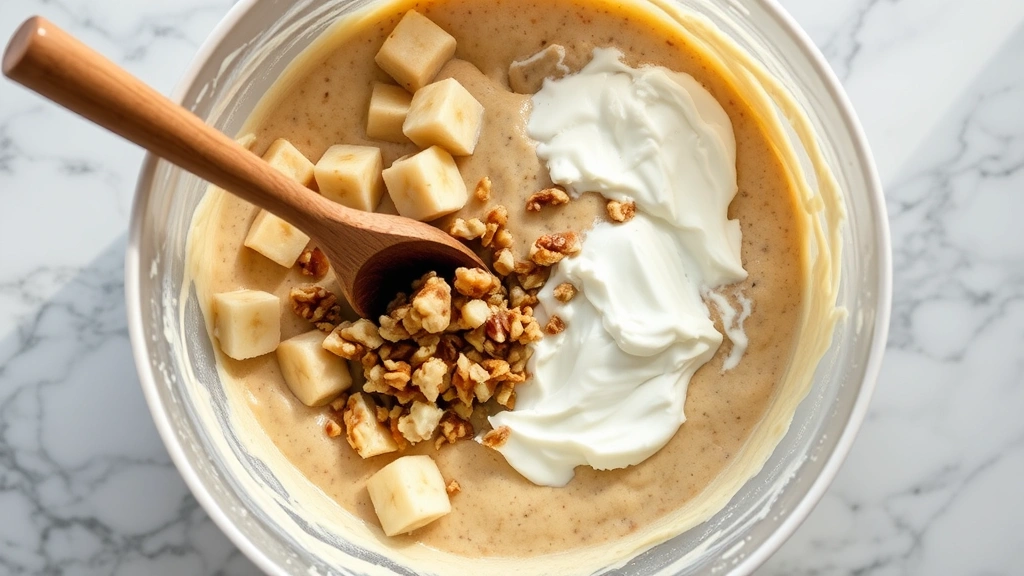
Ingredients You’ll Need
The foundation of any great banana nut muffin recipe starts with quality ingredients. Here’s exactly what you’ll need to recreate grandma’s masterpiece:
- 3 to 4 ripe bananas (about 1½ cups mashed)—the key is using bananas with brown spots, as they contain more natural sugars and moisture
- ½ cup unsalted butter, softened to room temperature for proper creaming
- ¾ cup granulated sugar for sweetness and structure
- 2 large eggs at room temperature to incorporate air and bind ingredients
- 1 teaspoon vanilla extract for depth of flavor
- ½ cup sour cream or Greek yogurt—this is grandma’s secret ingredient for moisture
- 2 cups all-purpose flour, spooned and leveled for accuracy
- 1 teaspoon baking soda for lift and tenderness
- ¼ teaspoon salt to enhance all flavors
- 1 cup chopped walnuts or pecans, toasted for enhanced flavor
- ¼ teaspoon nutmeg for subtle warmth and complexity
The sour cream or Greek yogurt is absolutely crucial—it adds moisture, creates a tender crumb, and extends the shelf life of your muffins. This ingredient is what separates ordinary muffins from these exceptional ones.
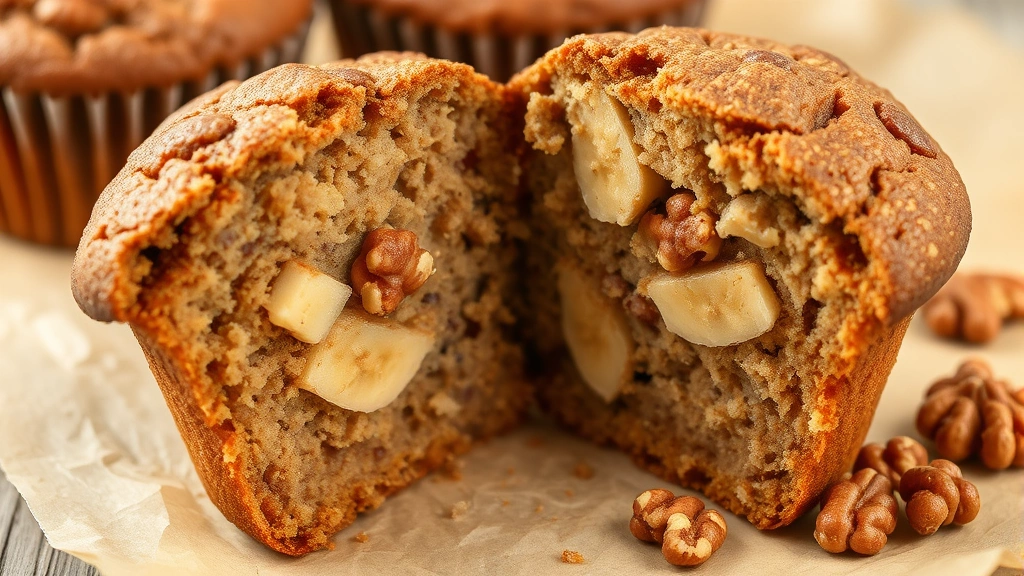
Why Moisture Matters in Muffins
Understanding the science behind moist muffins will help you master this recipe and troubleshoot any issues. Moisture in baking comes from several sources: the bananas themselves, the eggs, the sour cream, and even the oil content in nuts. Each ingredient plays a vital role in creating that desirable tender texture that keeps people coming back for more.
When bananas break down during mixing, they release their natural pectin and moisture, which gets distributed throughout the batter. This is why using very ripe bananas matters so much. The starch in underripe bananas hasn’t fully converted to sugar, and they contain less moisture overall. Overripe bananas are actually your friend here—their higher moisture content and sweeter flavor create superior muffins.
The sour cream contributes not just moisture but also acidity, which reacts with baking soda to create lift and tenderness. This is a technique used by professional bakers at culinary institutes worldwide. The acid in sour cream breaks down gluten strands more effectively than other liquids, resulting in a more tender crumb that feels moist on the palate even if the overall moisture content is moderate.
Eggs serve multiple purposes: they bind ingredients, add moisture, and create structure. Room temperature eggs incorporate more efficiently into the batter, creating a smoother, more homogeneous mixture. Cold eggs can cause the batter to seize and separate, leading to dense, dry muffins.
Step-by-Step Instructions
Preparation Phase: Begin by preheating your oven to 350°F (175°C). Line a standard 12-cup muffin tin with paper liners or grease it thoroughly with cooking spray. This prevents sticking and ensures even browning on the bottom of your muffins. Gather all ingredients and allow butter and eggs to reach room temperature—this typically takes about 30 minutes on your counter.
Creating the Base: Peel and mash your bananas in a medium bowl until mostly smooth, leaving a few small chunks for texture. You should have approximately 1½ cups. In a large mixing bowl, cream together the softened butter and granulated sugar using an electric mixer on medium speed for 3 to 4 minutes. The mixture should become pale, fluffy, and noticeably lighter in color. This creaming process incorporates air into the butter, which creates lift in your muffins.
Add eggs one at a time, beating well after each addition to ensure complete incorporation. Then add vanilla extract and mix until combined. Stir in the mashed bananas and sour cream until just combined. The batter will look slightly curdled at this point—this is completely normal and expected.
Dry Ingredient Integration: In a separate bowl, whisk together flour, baking soda, salt, and nutmeg. This step is critical because it distributes the leavening agent evenly throughout the flour, preventing pockets of dense batter. Gently fold the dry ingredients into the wet mixture using a spatula, stirring just until combined. Overmixing develops gluten, which creates tough, dense muffins. The batter should look slightly lumpy—this is exactly what you want.
Fold in the chopped nuts with a few gentle strokes. If using toasted nuts, they’ll have enhanced flavor and aroma. To toast nuts, spread them on a baking sheet and bake at 350°F for 5 to 7 minutes until fragrant, stirring halfway through.
Filling and Baking: Divide the batter evenly among the 12 muffin cups, filling each about two-thirds full. Using an ice cream scoop ensures consistent sizing and even baking. If desired, top each muffin with a few extra nut pieces or a light sprinkle of cinnamon sugar for visual appeal.
Bake for 22 to 26 minutes, until a toothpick inserted into the center comes out with just a few moist crumbs attached. This is crucial—overbaking is the primary reason home bakers end up with dry muffins. The muffins will continue cooking slightly as they cool. Allow them to cool in the pan for 10 minutes, then transfer to a wire rack to cool completely.
Baking Tips and Tricks
Achieving consistently perfect results requires understanding several professional techniques. First, always measure flour by spooning it into your measuring cup and leveling with a knife, rather than scooping directly from the bag. Scooping compacts the flour and can add up to 25% more flour than intended, resulting in dry muffins.
Room temperature ingredients are non-negotiable. Cold ingredients don’t incorporate smoothly, leading to uneven batter and inconsistent results. Set eggs and butter out 30 minutes before baking, or place eggs in a bowl of warm water for 5 minutes.
Use an oven thermometer to verify your oven temperature. Many home ovens run hot or cold, which dramatically affects baking time and results. A muffin that bakes at 350°F for 24 minutes might only need 20 minutes in a hot oven, and those 4 minutes make a significant difference in moisture content.
Invest in quality muffin tins. Darker, thinner pans bake faster and can over-brown the bottoms. Professional-grade aluminum pans with a light finish distribute heat more evenly. Paper liners are helpful because they insulate the sides of muffins, creating a more tender crust.
The King Arthur Baking Company offers excellent resources on muffin science and technique. Their research demonstrates that the order of ingredient incorporation significantly impacts final texture and moisture retention.
Storage and Longevity
One of the greatest advantages of this recipe is its exceptional shelf life, thanks to the sour cream and proper moisture balance. Store completely cooled muffins in an airtight container at room temperature for up to 4 days. The muffins will actually become slightly more moist as they sit, with flavors deepening and blending together beautifully.
For longer storage, freeze baked muffins in a freezer-safe container or zip-top bag for up to 3 months. Thaw at room temperature for about 1 hour before serving, or microwave individual muffins for 20 to 30 seconds. Remarkably, frozen and thawed muffins often taste fresher than those stored in the refrigerator, which can dry them out.
You can also freeze the unbaked batter in muffin liners up to 2 months ahead. Bake from frozen, adding 3 to 5 extra minutes to the baking time. This makes these muffins perfect for busy mornings when you want fresh-baked treats without the preparation time.
To reduce food waste, consider the food waste reduction tips for overripe bananas. You can freeze bananas in their peels for up to 3 months, then thaw and use them in baking. This prevents waste while ensuring you always have ripe bananas available for muffin making.
Variations and Customizations
While the classic recipe is perfection itself, creative variations allow you to adapt this banana nut muffin recipe to different preferences and dietary needs. The fundamental technique of balancing moisture remains constant across all variations.
Add Chocolate: Fold in ½ cup chocolate chips or chopped dark chocolate along with the nuts. Chocolate pairs beautifully with banana and adds richness. Use quality chocolate, as it makes a noticeable difference in flavor.
Spice Variations: Increase nutmeg to ½ teaspoon and add ¼ teaspoon cinnamon and a pinch of cloves for warm fall spices. Some bakers add ⅛ teaspoon cayenne pepper for subtle heat that enhances chocolate notes.
Nut Alternatives: Substitute walnuts with pecans, macadamia nuts, or even toasted coconut flakes. Almond flour can replace up to ¼ cup of the all-purpose flour for a more delicate crumb, though this requires slightly more moisture.
Healthier Versions: Replace up to half the all-purpose flour with whole wheat pastry flour. Use honey or maple syrup instead of granulated sugar, though you may need to reduce other liquids slightly. Greek yogurt works beautifully as a sour cream substitute and adds protein.
Dairy-Free Adaptation: Use dairy-free yogurt and vegan butter, or replace sour cream with aquafaba (chickpea liquid) mixed with lemon juice for acidity. The moisture balance remains crucial for success.
These variations maintain the essential moisture and tenderness that make the original recipe special, while allowing creative expression and dietary accommodations.
For inspiration on building flavor layers, explore how homemade salad dressings balance multiple flavor components—the same principles apply to baking, where balancing sweet, tangy, and aromatic elements creates complexity.
Baking Science Explained
Understanding the chemistry behind this recipe helps you troubleshoot problems and adapt it confidently. Baking soda is an alkaline leavening agent that requires an acid to activate. The sour cream provides this acid, creating carbon dioxide bubbles that make muffins rise. Without sufficient acid, baking soda won’t activate properly, resulting in dense muffins.
The Maillard reaction—the browning that occurs during baking—develops complex flavors and creates the golden-brown exterior we desire. This reaction requires heat above 300°F and occurs more readily in the presence of proteins (from eggs) and natural sugars (from bananas). This is why ripe bananas create more flavorful muffins than underripe ones.
Gluten development is minimized in muffin making because we want a tender crumb, not chewy bread. This is why we fold rather than mix vigorously. Overmixing activates gluten proteins, which cross-link and create toughness. The slight lumpiness in the batter is intentional and desirable.
Moisture retention depends on several factors: the hygroscopic properties of sugar (which attracts and holds water), the emulsifying action of eggs (which keep fats and water from separating), and the protective barrier created by fat in the batter. The sour cream provides all three benefits, which is why it’s so valuable.
For deeper understanding of baking science, Serious Eats provides excellent explanations of how ingredients interact and why specific techniques matter in achieving desired results.
Troubleshooting Guide
Dry Muffins: The most common issue stems from overbaking or insufficient sour cream. Reduce baking time by 2 minutes, verify your oven temperature with a thermometer, and ensure you’re not skipping the sour cream. Using underripe bananas also contributes to dryness.
Dense Texture: Overmixing the batter develops gluten and creates density. Mix only until dry ingredients are barely incorporated. Additionally, ensure baking soda hasn’t expired—it loses potency after about 6 months. Room temperature ingredients also prevent density issues.
Sunken Centers: This indicates underbaking or oven temperature that’s too low. Use an oven thermometer and bake until a toothpick comes out with just moist crumbs. Sunken centers also occur when muffins cool too quickly—allow them to sit in the pan for the full 10 minutes.
Uneven Baking: Rotate your muffin tin halfway through baking. Ovens have hot spots, and rotation ensures even results. Using a muffin tin with a light finish also helps prevent over-browning on the bottom.
Overflow: Fill muffin cups only two-thirds full, not to the top. Overfilled cups will overflow during baking. If you have extra batter, use a second tin or save it for another batch.
FAQ
Can I use frozen bananas for this banana nut muffin recipe?
Absolutely! Thaw frozen bananas completely and drain excess liquid before mashing. They work beautifully in baked goods. Many bakers intentionally freeze overripe bananas for future use, making this a smart strategy for reducing food waste. The texture will be slightly softer, but the flavor is actually more concentrated.
What’s the difference between baking soda and baking powder?
Baking soda is a pure alkaline leavener requiring an acid to activate, while baking powder contains baking soda plus acid already built in. This recipe uses baking soda specifically because the sour cream provides the necessary acid. Using baking powder would change the chemistry and potentially create a metallic aftertaste.
Can I make these muffins without nuts?
Yes, simply omit the nuts or replace them with the same volume of chocolate chips, dried cranberries, or additional banana. The moisture and texture remain excellent without nuts. Some people also add an extra ¼ teaspoon vanilla extract to compensate for the nutty flavor.
How do I know when muffins are perfectly done?
The toothpick test is most reliable. Insert a toothpick into the center of a muffin—it should come out with just a few moist crumbs, not wet batter. The tops should be golden brown and spring back slightly when touched. Remember that muffins continue baking after removal from the oven due to carryover cooking.
Why are my muffins sticking to the liners?
This typically happens when muffins are underbaked. Fully baked muffins release naturally from liners. If using ungreased liners, ensure they’re high-quality parchment paper rather than cheap paper that absorbs moisture. Alternatively, grease liners lightly with cooking spray.
Can I double this recipe?
Yes, doubling works perfectly. You’ll need two muffin tins. Prepare the batter exactly as directed and divide among 24 cups. Baking time remains approximately the same since each muffin receives the same heat exposure. Ensure both tins are in the oven simultaneously for consistency.
What’s the best way to reheat muffins?
For best results, wrap muffins in a damp paper towel and microwave for 15 to 20 seconds. This restores moisture that may have been lost during storage. Alternatively, warm muffins in a 300°F oven for 5 minutes wrapped in foil. Avoid reheating too long, which will dry them out.
Can I use oil instead of butter?
While you can substitute vegetable oil at a 1:1 ratio, the muffins will be slightly different. Butter adds flavor and creates a more tender crumb due to its water content. Oil creates a more moist muffin but less complex flavor. For best results, use butter as specified, but oil will work in a pinch.
Whether you’re baking these banana nut muffins for the first time or recreating a childhood favorite, this grandmother’s recipe delivers consistent, delicious results. The combination of ripe bananas, quality nuts, and the secret sour cream ingredient creates muffins that stay moist and fresh for days. Master the techniques outlined here, and you’ll have a foolproof recipe that impresses everyone who tastes it. Happy baking!


