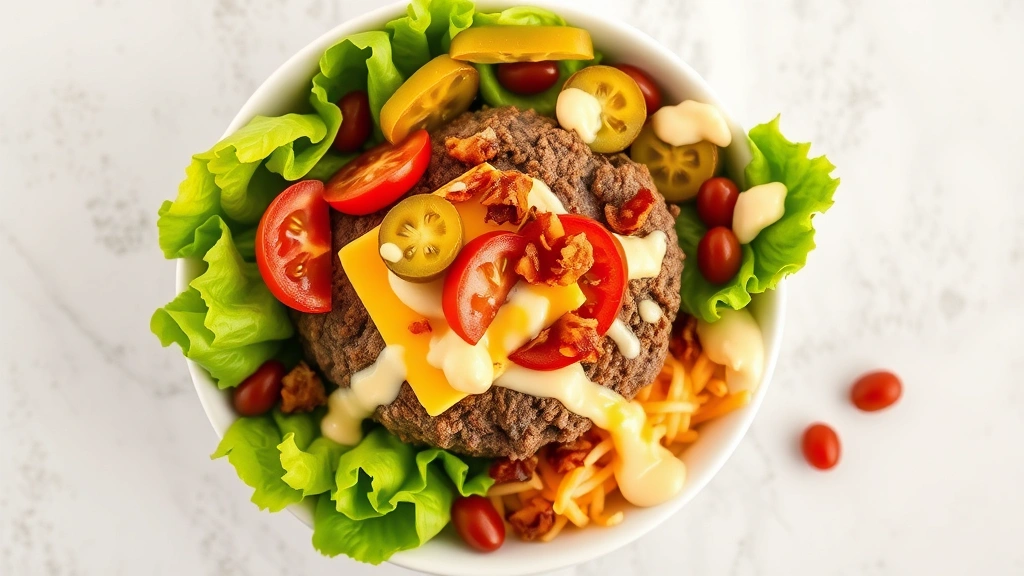
Burger Bowl Bliss? Dietitian Approved Recipe
The burger bowl has become a game-changer for health-conscious home cooks who refuse to sacrifice flavor for nutrition. This deconstructed burger concept transforms the classic American comfort food into a nutrient-dense, customizable meal that satisfies cravings while keeping calories and processed ingredients in check. Whether you’re meal prepping for the week or looking for an easy dinner recipe for beginners, the burger bowl delivers restaurant-quality results in your own kitchen.
What makes this dish particularly appealing to dietitians is its flexibility and whole-food foundation. You control every ingredient, from the quality of ground beef to the vegetables and toppings, eliminating hidden sugars and sodium found in traditional burger buns. The bowl format also naturally encourages you to eat more vegetables, as they form the base and bulk of each serving, promoting satiety and nutritional completeness.
This guide walks you through creating the perfect burger bowl, including ingredient selection, preparation techniques, and creative variations that will keep your table exciting throughout the week.
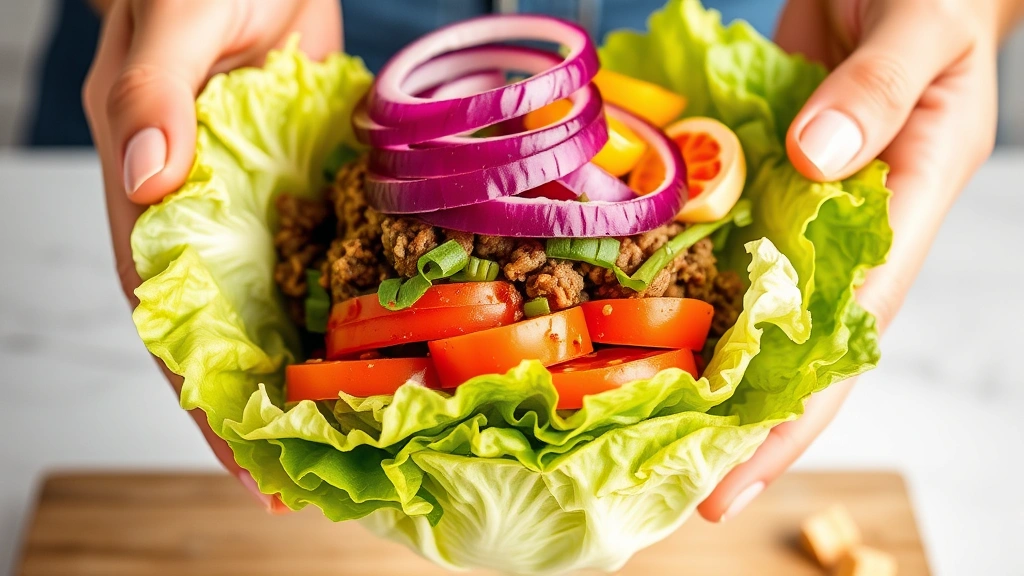
What is a Burger Bowl?
A burger bowl is essentially a deconstructed burger served over a bed of vegetables or grains instead of between bread. The concept gained popularity as part of the low-carb and paleo movement, but it has evolved into a mainstream healthy eating option that appeals to various dietary preferences. Rather than being restricted to specific diets, burger bowls work for keto enthusiasts, Mediterranean diet followers, and anyone seeking balanced, whole-food meals.
The beauty of this format lies in its simplicity and adaptability. You’re working with familiar burger components—seasoned ground meat, cheese, pickles, onions, lettuce, tomatoes—but arranging them in a bowl format that encourages vegetable consumption and allows for portion control. This presentation style makes it easier to track macronutrients if you’re monitoring your diet for specific health goals.
Unlike traditional burgers where the bread often becomes the dominant component, burger bowls place vegetables front and center. This shift in proportions naturally increases fiber intake, micronutrient density, and satiety while reducing overall calorie consumption. You’ll find yourself feeling fuller longer compared to a standard burger, thanks to the increased vegetable volume and improved nutrient profile.
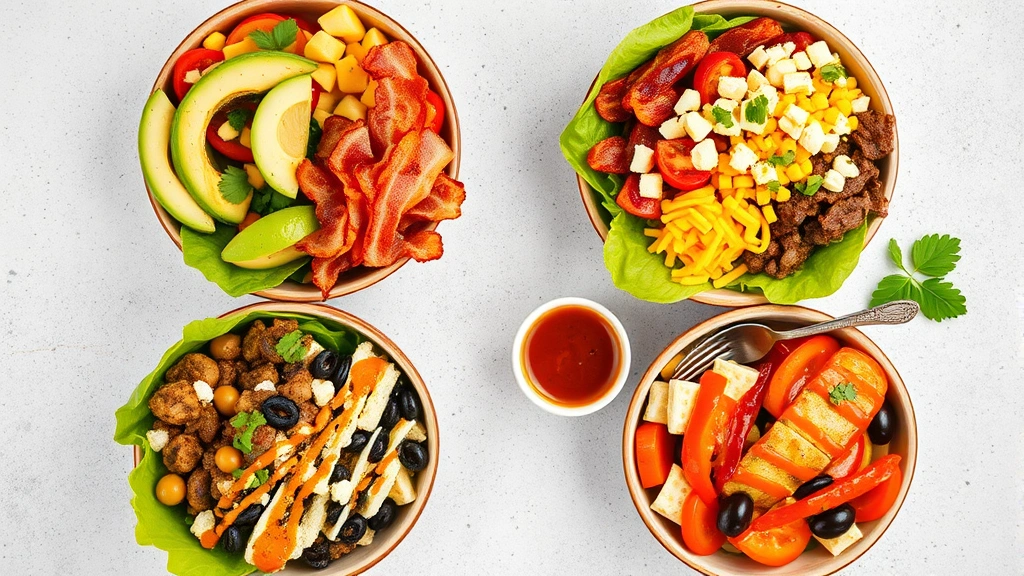
Nutritional Benefits and Dietitian Approval
Registered dietitians consistently recommend burger bowls as a practical solution for people trying to eat healthier without feeling deprived. The meal checks multiple nutritional boxes: adequate protein from ground beef, healthy fats, complex carbohydrates from vegetables, and abundant micronutrients from fresh produce.
When you prepare burger bowls at home, you eliminate many problematic ingredients found in restaurant burgers and processed burger products. Commercial burger buns often contain added sugars, preservatives, and refined flour that spikes blood sugar and provides minimal nutritional value. By using vegetables as your base, you’re replacing empty calories with fiber, vitamins, and minerals that support overall health.
The protein content deserves special attention. A 4-ounce serving of ground beef provides approximately 22 grams of protein, essential for muscle maintenance, immune function, and satiety. When combined with the fiber from vegetables, this protein helps stabilize blood sugar levels and prevents energy crashes throughout the day. Dietitians particularly appreciate how burger bowls support weight management goals without requiring restrictive eating patterns.
Ground beef also contains important micronutrients often overlooked in discussions about red meat. It’s an excellent source of iron, zinc, selenium, and B vitamins, particularly B12, which is crucial for vegans and vegetarians to monitor. The bioavailability of these nutrients from animal sources exceeds that from plant-based alternatives, making burger bowls an efficient nutritional choice.
Essential Ingredients for Success
Ground Beef Selection: Choose ground beef with a fat content between 80/20 and 85/15. This ratio provides enough fat for flavor and juiciness without excessive grease. Grass-fed beef offers higher levels of omega-3 fatty acids and conjugated linoleic acid (CLA) compared to conventional beef, though both options are nutritionally sound. Avoid pre-formed patties and purchase ground beef the day you plan to cook for maximum freshness.
Vegetable Foundation: Leafy greens form your bowl’s base. Romaine lettuce, spinach, arugula, and mixed greens all work beautifully. Darker greens provide more nutrients—spinach and arugula contain higher levels of foods rich in antioxidants compared to iceberg lettuce. Consider combining varieties for texture and flavor complexity.
Supporting Vegetables: Cherry tomatoes, red onions, bell peppers, cucumbers, and shredded carrots add color, crunch, and nutritional diversity. Each vegetable contributes unique phytonutrients. Red and orange vegetables contain carotenoids, while cruciferous vegetables like broccoli provide sulforaphane, a compound with potential anti-inflammatory benefits.
Cheese and Toppings: Cheddar, American, Swiss, or pepper jack cheese all pair excellently with burger flavors. Use approximately 1 ounce per serving. Consider pickles (adds probiotics if fermented naturally), avocado (healthy monounsaturated fats), bacon (umami depth), and crispy fried onions for textural contrast.
Sauces and Condiments: Rather than relying on commercial burger sauce laden with high-fructose corn syrup, prepare homemade sauces using Greek yogurt, mayo, mustard, and spices. This approach gives you complete control over ingredients and allows you to reduce added sugars significantly.
Step-by-Step Preparation Guide
Preparing the Ground Beef: Remove ground beef from the refrigerator 15 minutes before cooking to allow even browning. Heat a large skillet over medium-high heat. Once hot, add ground beef, breaking it into small pieces with a wooden spoon or spatula. Resist the urge to stir constantly; allow the meat to develop a brown crust, which creates deeper, more complex flavors through the Maillard reaction. This process typically takes 8-10 minutes for a pound of meat.
Drain excess fat once the meat is fully browned, leaving approximately 1-2 tablespoons for flavor. If you’re using very lean beef (93/7), you may not need to drain anything. At this point, season the cooked meat with salt, pepper, and your chosen burger spice blend.
Vegetable Preparation: While the meat cooks, prepare your vegetables. Wash and thoroughly dry your greens—moisture prevents proper tossing and dilutes dressings. Tear lettuce into bite-sized pieces rather than cutting, which prevents browning and oxidation. Dice tomatoes, slice onions thinly, and julienne carrots or bell peppers. Arrange vegetables in shallow bowls or on a large cutting board for easy assembly.
Assembly Technique: Start with your greens base, using approximately 2-3 cups per bowl. This provides volume and important nutrients while keeping calories relatively low. Top with the warm seasoned ground beef, distributing evenly. Add your remaining vegetables in sections, creating visual appeal and ensuring each bite contains multiple components. This presentation style also makes it easier to customize individual bowls based on preferences.
Seasoning and Flavor Building
The seasoning strategy separates an exceptional burger bowl from a mediocre one. Rather than relying solely on salt and pepper, build layered flavors that evoke the classic burger experience while enhancing the nutritional profile.
Classic Burger Seasoning Blend: Combine 2 teaspoons garlic powder, 1 teaspoon onion powder, 1 teaspoon smoked paprika, ½ teaspoon cayenne pepper, ½ teaspoon black pepper, and 1 teaspoon sea salt. This blend creates the recognizable burger flavor profile while adding subtle complexity. Toast these spices in a dry pan for 30 seconds before mixing to intensify their aromatics.
Umami Enhancement: Add ¼ teaspoon MSG or nutritional yeast to your seasoning blend for savory depth. While MSG has been unfairly demonized, scientific research confirms its safety and effectiveness at enhancing savory perceptions. Alternatively, use soy sauce or Worcestershire sauce (1-2 teaspoons per pound of meat) for umami without additional powder ingredients.
Acid Balance: A small amount of acid brightens the overall flavor profile. Add 1 teaspoon of apple cider vinegar or fresh lemon juice to the cooked meat just before serving. This prevents the burger bowl from tasting heavy and aids in nutrient absorption from vegetables.
Fresh Herb Integration: Incorporate fresh parsley, cilantro, or chives just before serving. These herbs add brightness and provide additional micronutrients. Fresh herbs should always be added at the end to preserve their delicate flavors and nutritional compounds.
Building Your Perfect Bowl
Creating an optimally balanced burger bowl requires understanding proper proportioning and nutrient distribution. The USDA’s MyPlate guidelines suggest filling half your plate with vegetables, one-quarter with protein, and one-quarter with grains or starchy vegetables. Burger bowls naturally align with these recommendations, though you can adjust ratios based on individual nutritional goals.
For Weight Management: Emphasize leafy greens and non-starchy vegetables, using approximately 3-4 cups of greens and 2 cups of mixed vegetables per bowl. Limit high-calorie toppings like cheese and bacon to once or twice weekly. Use Greek yogurt-based sauces instead of mayo-based options, reducing calories without sacrificing creaminess.
For Muscle Building: Increase ground beef to 6 ounces per bowl and add a starchy component like sweet potato, regular potato, or quinoa underneath the greens. This approach provides adequate calories and protein to support muscle protein synthesis while maintaining nutrient density. Consider healthy crockpot recipes for batch-cooking proteins to streamline meal preparation.
For Balanced Nutrition: Use a standard 4-ounce ground beef portion, 3 cups mixed greens, 2 cups supporting vegetables, 1 ounce cheese, and moderate amounts of higher-calorie toppings like avocado or bacon. This creates a complete meal with approximately 400-450 calories, 25-30 grams protein, and substantial micronutrient content.
The key is building your bowl systematically. Start with your greens, creating an even base layer. Add the warm seasoned ground beef in the center, allowing residual heat to slightly wilt the greens. Arrange cold vegetables around the meat in distinct sections. This organization makes the bowl visually appealing and allows diners to control their bite composition.
Topping Ideas and Customizations
While the core burger bowl components remain consistent, toppings and flavor variations prevent meal fatigue when eating this dish multiple times weekly. Developing a rotation of 3-4 flavor profiles ensures enjoyment throughout your meal-prep week.
Classic American Style: Layer your bowl with cheddar cheese, crispy bacon, dill pickle slices, and a creamy burger sauce made from Greek yogurt, mayo, ketchup, and mustard. Add fried onions for textural contrast and finish with a crack of black pepper. This version satisfies traditional burger cravings while maintaining nutritional integrity.
Southwestern Variation: Use pepper jack cheese instead of cheddar, add corn, black beans, jalapeños, avocado, and crispy tortilla strips. Dress with a cilantro-lime vinaigrette made from lime juice, olive oil, garlic, and fresh cilantro. This variation introduces Mexican flavors that pair beautifully with ground beef while adding fiber from beans and healthy fats from avocado.
Mediterranean Approach: Swap traditional toppings for feta cheese, kalamata olives, cucumber, red onion, and fresh tomatoes. Dress with a simple olive oil and red wine vinegar dressing enhanced with oregano and garlic. This version reduces processed flavor profiles and emphasizes whole ingredients aligned with shredded chicken recipes principles that many Mediterranean diet followers appreciate.
Spicy Korean-Inspired: Create a gochujang-mayo sauce by blending Korean chili paste with mayo, rice vinegar, and a touch of honey. Top your bowl with this sauce, add sesame seeds, thinly sliced green onions, kimchi, and crispy fried onions. The fermented components in kimchi provide beneficial probiotics and enhance digestive health.
Loaded Bacon and Cheese: For those following ketogenic or low-carb approaches, maximize cheese and bacon while minimizing higher-carb vegetables. Use full-fat dairy options and prioritize leafy greens over starchy vegetables. Add a fried egg on top for additional fat and protein, creating a truly satisfying meal.
Make-Ahead and Storage Tips
One of burger bowls’ greatest advantages is their meal-prep friendliness. Strategic preparation allows you to assemble multiple bowls throughout the week without daily cooking demands.
Component Storage: Cook ground beef in bulk, then portion into airtight containers for up to 4 days in the refrigerator. Prepare vegetables the evening before, storing them separately in containers or produce bags. Keep dressings and sauces in separate containers, combining just before eating to prevent sogginess. This approach requires minimal assembly time during busy weekdays.
Assembled Bowl Storage: If you prefer fully assembled bowls, layer components strategically. Place dressing on the bottom, follow with heartier vegetables like carrots and bell peppers, add the greens, then top with meat and delicate vegetables. Cover tightly and refrigerate for up to 3 days. The dressing will soften the greens slightly, but they remain crisp enough for enjoyable eating. Avoid pre-assembling bowls with avocado, as it oxidizes and browns quickly.
Freezing Considerations: Ground beef freezes beautifully for up to 3 months. Cool completely before freezing in portions. Thaw overnight in the refrigerator before reheating gently over low heat with a splash of water to restore moisture. Fresh vegetables don’t freeze well due to cellular structure breakdown, so assemble frozen ground beef with fresh components immediately before eating.
Waste Reduction Strategy: Burger bowls naturally support food waste reduction tips by allowing you to use vegetable scraps and odds-and-ends that might otherwise be discarded. Slightly older lettuce works perfectly in a bowl, and partially wilted vegetables become more palatable when combined with flavorful seasoned meat and creamy dressings.
FAQ
Can I use ground turkey or chicken instead of beef?
Absolutely. Ground turkey and chicken work excellently in burger bowls, though they’re leaner and may require added fat for optimal moisture. Mix ground poultry with a tablespoon of olive oil per pound, or add crispy bacon to enhance richness. Adjust seasonings slightly, as poultry has a milder flavor profile than beef.
Is this recipe suitable for keto dieters?
Yes, burger bowls are naturally keto-friendly when prepared without added sugars. Use full-fat cheese, skip starchy vegetables, prioritize leafy greens and non-starchy vegetables, and choose keto-approved sauces. A standard burger bowl with these modifications typically contains 5-10 grams net carbohydrates.
How do I prevent my greens from wilting?
Thoroughly dry your greens after washing, store them separately from warm components, and add dressing immediately before eating. If making ahead, keep dressing in a separate container and toss just before consumption. Hardier greens like romaine and arugula wilt less readily than delicate lettuces.
What’s the best ground beef fat ratio for burger bowls?
An 80/20 ratio provides optimal flavor and texture. Leaner 85/15 beef works if you’re monitoring saturated fat intake, though you may need to add a small amount of oil during cooking. Avoid ultra-lean 93/7 beef, which produces dry, less flavorful results.
Can burger bowls accommodate vegetarian diets?
Certainly. Substitute ground beef with seasoned lentil-walnut mixture, crumbled tempeh, or plant-based meat alternatives. Increase cheese and add nuts or seeds for protein and healthy fats. Ensure your seasoning blend complements plant-based proteins, as they have different flavor profiles than beef.
How many calories are in a typical burger bowl?
A standard burger bowl with 4 ounces ground beef, 3 cups greens, 2 cups mixed vegetables, 1 ounce cheese, and moderate toppings contains approximately 400-450 calories. High-calorie additions like bacon, avocado, and fried onions increase this to 500-600 calories. Track your specific ingredients for precise calorie counts.
What external resources help improve burger bowl preparation?
The Culinary School of Florida offers excellent resources on meat preparation techniques. Serious Eats provides science-based cooking guidance, while the National Cattlemen’s Beef Association offers beef selection and preparation advice. For dietary guidance, consult resources from the Academy of Nutrition and Dietetics.


