
There’s something magical about a bowl of creamy chicken soup that instantly transports you back to your grandmother’s kitchen. The aroma alone—rich, comforting, and deeply satisfying—tells you that you’re about to experience something special. But what makes grandma’s cream of chicken soup truly unforgettable? It’s not just one secret ingredient; it’s a combination of time-tested techniques, quality ingredients, and the love that goes into every spoonful. This timeless dish has been passed down through generations, and today, we’re unlocking those cherished secrets so you can recreate that same magic in your own kitchen.
Cream of chicken soup represents the pinnacle of comfort food—a dish that nourishes both body and soul. Whether you’re recovering from a cold, seeking warmth on a chilly evening, or simply craving something that tastes like home, this soup delivers. The beauty of grandma’s version lies in its simplicity combined with sophisticated flavor development. Unlike canned versions that rely on artificial thickeners and sodium, homemade cream of chicken soup builds its richness naturally through proper stock preparation, quality cream, and carefully balanced seasonings. In this comprehensive guide, we’ll walk you through every step of creating this beloved classic, revealing the techniques that make the difference between ordinary soup and extraordinary comfort in a bowl.
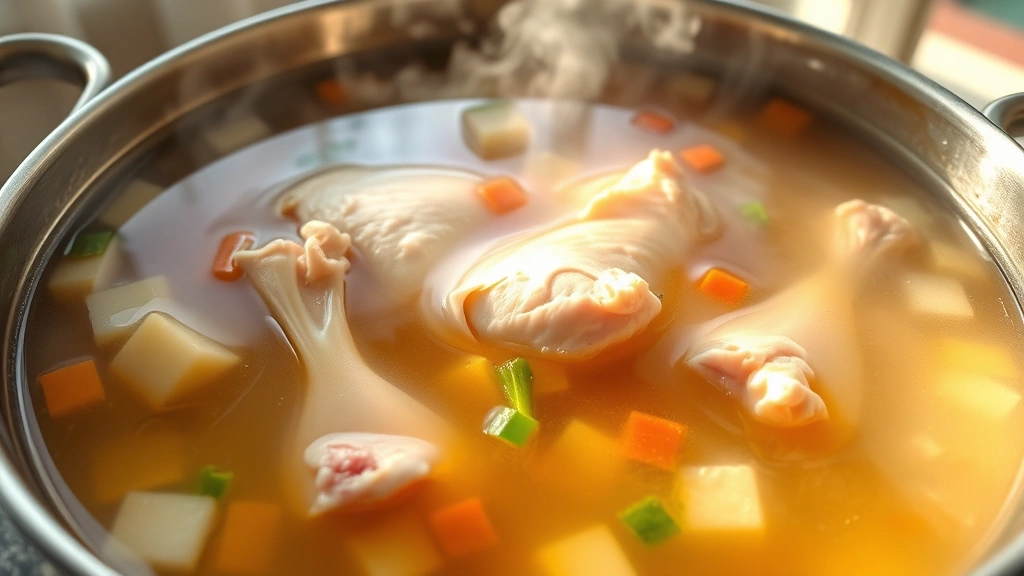
The Foundation: Building Your Chicken Stock
Every exceptional cream of chicken soup begins with exceptional stock. This is grandma’s first secret, and it cannot be overlooked. While many home cooks resort to store-bought broth, making your own stock elevates the entire dish to restaurant quality. The difference is profound—homemade stock has a body, depth, and natural gelatin content that commercial versions simply cannot match.
Start with a whole chicken or a combination of chicken parts: breasts, thighs, wings, and bones. The bones are crucial because they contain collagen that converts to gelatin during long, slow cooking, creating that silky mouthfeel grandma’s soup is famous for. Place your chicken in a large stockpot and cover with cold water—approximately 3 quarts for a whole chicken. The cold water start is important because it allows proteins to gradually release, creating a clearer, more refined stock.
Add your aromatics: one large onion (quartered, skin left on for color), 3-4 carrots (roughly chopped), 3-4 celery stalks (chopped), and a handful of fresh parsley stems. These vegetables form the classic mirepoix base that French culinary training emphasizes. Bring the water to a gentle boil, then immediately reduce to a simmer. This is crucial—a rolling boil creates cloudy stock, while a gentle simmer produces clarity and purity of flavor.
Allow the stock to simmer for 2-3 hours. During the first 20 minutes, you’ll notice foam rising to the surface. Skim this off with a spoon—it’s impurities that would cloud your final soup. This step demonstrates why grandma always seemed to hover over her pot; she understood that these details matter. Add a few black peppercorns and a bay leaf during the last hour of cooking. Avoid salt at this stage; you’ll season once you’ve reduced the stock and understand its final saltiness.
Strain the stock through a fine-mesh sieve lined with cheesecloth. Reserve the cooked chicken meat, discarding skin and bones. Let the stock cool to room temperature, then refrigerate overnight. This allows the fat to solidify on top, making it easy to remove. Some cooks prefer leaving a thin layer of fat for added richness—this is entirely a matter of personal preference and what grandma taught you.
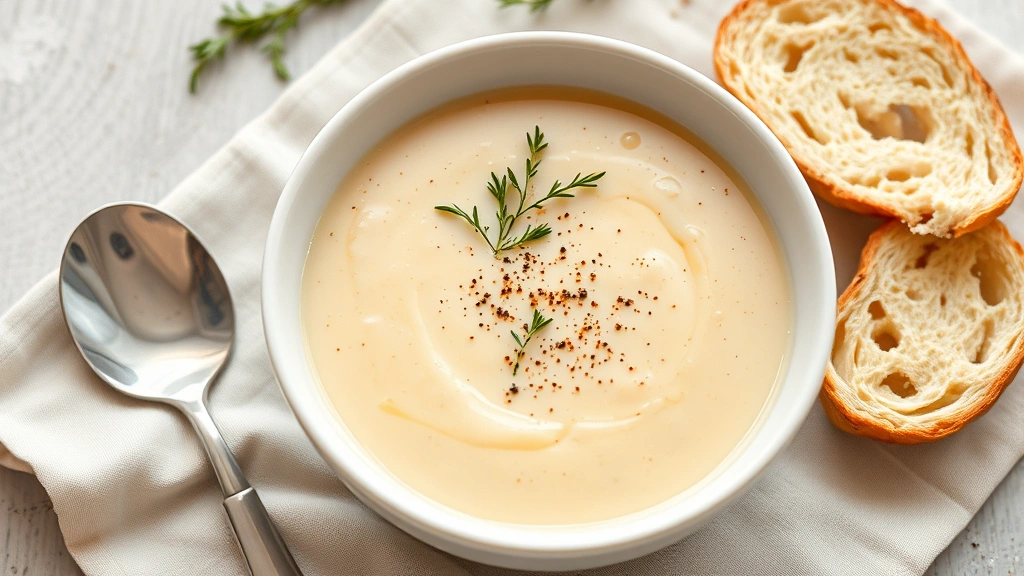
Selecting Premium Ingredients
The quality of your ingredients directly impacts the quality of your final dish. Grandma understood this principle intimately, often visiting her butcher or farmer’s market to select the finest components.
Chicken: Opt for free-range or pasture-raised chicken if possible. These birds have more developed flavor than conventionally raised poultry. The meat should be pale pink, never gray, and smell fresh and slightly sweet.
Cream: Use heavy cream or whole cream, never half-and-half or light cream. The fat content matters tremendously for achieving that luxurious texture grandma’s soup is known for. If you prefer a lighter version, you can use a combination of cream and whole milk, but pure heavy cream creates the authentic experience.
Butter: Unsalted butter allows you complete control over sodium levels. Quality butter has a slightly sweet, creamy aroma and vibrant color.
Vegetables: Fresh carrots, celery, and onions should be firm and fragrant. Avoid pre-cut vegetables; they oxidize and lose flavor. Fresh thyme and bay leaves make a noticeable difference compared to dried versions.
Seasonings: Invest in quality sea salt and freshly ground black pepper. Whole peppercorns ground fresh in a pepper mill provide incomparable flavor compared to pre-ground pepper.
Step-by-Step Cooking Method
Now that you have your stock and quality ingredients assembled, it’s time to build the soup that will earn compliments from everyone at your table.
- Create the roux: In your soup pot, melt 4 tablespoons of unsalted butter over medium heat. Once foaming subsides, add 4 tablespoons of all-purpose flour. Stir constantly for 2-3 minutes, creating a paste. This roux should smell nutty and golden—never brown or burnt. This technique, learned from classical French cooking, creates the smooth thickening agent that prevents lumps in your soup.
- Sauté aromatics: Add 1 large diced onion, 2 medium diced carrots, and 2 celery stalks (diced) to your roux. Stir frequently for 5-7 minutes until vegetables begin softening and releasing their natural sugars. This caramelization process develops deeper flavors.
- Deglaze and add stock: Pour 8 cups of your prepared chicken stock slowly into the pot while whisking constantly. This prevents lumps from forming. Scrape the bottom of the pot to incorporate all flavorful browned bits.
- Add chicken and seasonings: Shred or dice your reserved cooked chicken meat and add it to the pot. Include 2 bay leaves, 4-5 fresh thyme sprigs (or 1 teaspoon dried), salt, and white pepper. White pepper is preferred over black for visual appeal, though black pepper works perfectly fine.
- Simmer and develop flavor: Allow the soup to simmer gently for 15-20 minutes. This lets flavors meld and vegetables finish cooking. The broth should reduce slightly, concentrating flavors.
- Incorporate cream: Reduce heat to low. Never add cold cream directly to boiling soup, as it can break or separate. Instead, slowly stir in 1½ to 2 cups of heavy cream. Some recipes use 1 cup cream and ½ cup whole milk for a lighter version. Stir constantly until fully incorporated.
- Final seasoning: Taste carefully and adjust seasonings. Remember that salt intensifies as soup cools, so season conservatively. Fresh lemon juice (1-2 tablespoons) brightens the flavors beautifully without making the soup taste sour.
This methodical approach ensures every element is properly developed and balanced. Grandma never rushed this process, understanding that great cooking rewards patience.
The Cream Factor: Achieving Perfect Richness
The cream component deserves special attention because it’s what transforms chicken soup into cream of chicken soup. This is where grandma’s technique truly shines.
Temperature control is paramount. Adding cream to boiling liquid can cause it to separate or break, creating an unpleasant grainy texture. Always reduce your heat to low before incorporating cream. Additionally, the cream should be at room temperature or slightly warm—never cold from the refrigerator.
The ratio of cream to stock determines the soup’s richness level. Grandma’s traditional version typically uses a 1:4 ratio of cream to stock, creating luxurious richness without overwhelming the chicken flavor. Some prefer 1:3 for an even richer soup, while health-conscious cooks might use 1:5 for a lighter version.
For the smoothest texture, some cooks blend a portion of the finished soup before adding cream. This breaks down vegetables into a velvety consistency while maintaining chunks of chicken and vegetable pieces. Use an immersion blender carefully, blending only 2-3 cups of soup, then stirring back into the pot. This technique creates restaurant-quality texture while maintaining rustic appeal.
If your soup seems too thin after adding cream, you can create a beurre manié—a paste of equal parts softened butter and flour—and whisk small amounts into the soup while simmering gently. This adds body without creating the heavy feeling of excess flour.
Seasoning and Flavor Balance
Proper seasoning is where grandma’s intuition and experience truly matter. This isn’t something you can rush or ignore.
Salt: Add salt gradually, tasting frequently. Remember that stock already contains some sodium, and salt intensifies as the soup cools. Start with 1 teaspoon and adjust upward in ½-teaspoon increments.
Pepper: White pepper provides the traditional flavor without dark specks. However, freshly ground black pepper adds complexity if you prefer it.
Herbs: Bay leaves and fresh thyme are traditional, but grandma often added a small amount of fresh tarragon or sage. These delicate herbs should be added near the end of cooking to preserve their volatile oils.
Acid balance: A squeeze of fresh lemon juice balances richness and brightens flavors. This is often the secret ingredient people can’t quite identify—it’s not lemon flavor, but rather the way acid awakens all other flavors.
Umami depth: A small pinch of white miso paste or a splash of dry sherry adds savory depth that elevates the soup from good to unforgettable. These additions should be subtle—you’re not looking for identifiable flavors, but rather enhanced richness.
The key to seasoning is tasting constantly and adjusting gradually. Grandma never made soup the same way twice because she understood that ingredients vary slightly—different chickens, different seasonal vegetables, different cream fat content. She adjusted accordingly.
Variations and Creative Additions
While classic cream of chicken soup stands perfectly on its own, grandma knew how to adapt it for different occasions and preferences.
With Vegetables: Add diced potatoes, fresh peas, corn, or green beans. These additions turn the soup into a more substantial meal. Add harder vegetables like potatoes early so they have time to soften; add tender vegetables like peas during the last 5 minutes of cooking.
With Noodles or Rice: Cook pasta or rice separately and add just before serving to prevent it from absorbing all the broth and becoming mushy. This variation pairs beautifully with quick and easy pasta recipes for one-bowl comfort meals.
With Fresh Herbs: Finish with fresh dill, parsley, or chives for brightness and visual appeal. These should be added just before serving to preserve their fresh flavor.
With Mushrooms: Sauté sliced mushrooms in butter before adding to the soup. They add earthiness and umami that complements chicken beautifully.
With Garlic and Leeks: Replace some of the onion with leeks for a more refined, slightly sweet flavor. Add minced garlic to the aromatics for additional depth.
These variations demonstrate that cream of chicken soup is endlessly adaptable. Grandma’s basic technique remains constant; the additions are where creativity flourishes.
Storage and Make-Ahead Tips
One of the greatest advantages of cream of chicken soup is that it actually improves with time as flavors meld and deepen. However, proper storage ensures food safety and maintains quality.
Refrigeration: Cool the soup to room temperature before refrigerating (this prevents condensation and bacterial growth). Store in airtight containers for up to 4 days. The cream layer may separate slightly; simply stir gently to recombine.
Freezing: Cream soups can be frozen, though the texture may change slightly. For best results, freeze the soup before adding cream. Add the cream after thawing and reheating. Freeze in portions using ice cube trays, then transfer to freezer bags for easy storage. Frozen soup keeps for up to 3 months.
Reheating: Thaw frozen soup overnight in the refrigerator. Reheat gently over low heat, stirring occasionally. Never boil reheated cream soup, as high heat can cause curdling. If the texture seems off after reheating, blend a small portion and stir back in to smooth it out.
Make-Ahead Strategy: Grandma often prepared her stock days in advance, storing it in the refrigerator. On serving day, she simply prepared the vegetables and finished the soup in about 30 minutes. This advance planning made entertaining effortless.
This approach connects to low carb dinner recipes if you’re watching carbohydrates—simply omit the flour roux and use cream to create body naturally, or thicken with xanthan gum instead.
For additional insights into classical cooking techniques, explore Serious Eats’ comprehensive guides to soup preparation, which provides scientific explanations for traditional cooking methods.
Cream of chicken soup also pairs wonderfully alongside best breakfast food recipes when served at brunch, or as a sophisticated starter before salmon croquettes recipe for an elegant dinner. The versatility of this classic dish makes it perfect for any occasion.
For those interested in the science behind soup making, The Culinary Institute of America offers detailed resources on stock preparation and classical soup techniques that explain why these traditional methods produce superior results.
Additional inspiration can be found by exploring Greek recipes which often feature similar slow-cooked, flavor-developed approaches, or cottage cheese recipes for alternative creamy soup bases.
FAQ
Can I use chicken breast instead of a whole chicken?
Yes, though whole chicken produces superior stock due to the bones and skin. If using only breasts, supplement with chicken bones or a quality store-bought stock. Chicken breasts should be poached separately and added to the finished soup rather than used for stock.
What’s the best way to avoid lumps in cream of chicken soup?
The roux is your insurance policy against lumps. Ensure your flour is fully incorporated into melted butter before adding stock. When adding stock, whisk constantly. If lumps do form, strain the soup through a fine-mesh sieve or use an immersion blender on low speed.
Can I make this soup dairy-free?
Absolutely. Replace heavy cream with coconut milk, cashew cream, or oat cream. The texture will differ slightly, but the soup will still be delicious. Ensure your stock is made without butter, and use olive oil instead for sautéing vegetables.
How can I make the soup less heavy?
Use half cream and half whole milk instead of all cream. Skip the roux entirely and thicken with a small amount of cornstarch slurry if needed. Alternatively, blend a portion of cooked vegetables to create natural body without added fat.
What’s the difference between cream of chicken soup and chicken soup with cream?
Cream of chicken soup traditionally uses a roux-based thickening method and heavy cream, creating a velvety, cohesive texture. Chicken soup with cream is simply regular chicken soup with cream stirred in at the end. The first has a unified, smooth consistency; the second maintains the thin broth quality.
Can I use rotisserie chicken to speed up preparation?
Yes, though you’ll lose the opportunity to make stock from the bones. Purchase a quality rotisserie chicken and use store-bought stock, which is a reasonable compromise between convenience and quality. The finished soup will still be delicious, though perhaps lacking the depth of fully homemade versions.
How do I fix soup that’s too salty?
Add more stock or water to dilute the salt. You can also add diced potatoes, which absorb salt as they cook. Remove the potatoes once they’ve softened and absorbed excess salt, leaving you with properly seasoned soup.
What herbs work best in cream of chicken soup?
Bay leaves, fresh thyme, and parsley are traditional and versatile. Tarragon adds sophistication; sage brings earthiness. Dill complements chicken beautifully. Add hardy herbs early in cooking; add delicate herbs near the end to preserve their fresh flavors.


