Natural Zepbound Recipe? Proven Health Benefits of GLP-1 Inspired Eating
Zepbound has become a household name in weight management discussions, but what if you could achieve similar metabolic benefits through strategic nutrition instead? While Zepbound (tirzepatide) is a prescription medication, the science behind its effectiveness lies in how it influences appetite regulation, blood sugar control, and metabolic rate. This comprehensive guide explores how to naturally support these same physiological pathways through evidence-based dietary strategies, whole-food recipes, and lifestyle modifications that mimic the medication’s beneficial effects without pharmaceutical intervention.
The key to understanding natural Zepbound-like benefits involves recognizing that sustainable weight management and metabolic health don’t require injections—they require intelligent food choices, proper nutrient timing, and ingredients that naturally enhance satiety and glucose stability. By incorporating specific proteins, fiber sources, and metabolic-boosting compounds into your daily meals, you can create a powerful protocol that supports your body’s natural regulatory systems. This approach not only helps with weight management but also improves energy levels, mental clarity, and long-term health outcomes.
Understanding Natural GLP-1 Support Through Food
Glucagon-like peptide-1 (GLP-1) is a hormone your body naturally produces that regulates appetite, blood sugar, and digestion. Zepbound works by mimicking this hormone, but your body can naturally enhance GLP-1 production through strategic dietary choices. The science is clear: certain foods trigger stronger GLP-1 responses than others, and by understanding these mechanisms, you can create a natural equivalent to pharmaceutical intervention.
Research from Harvard School of Public Health’s Nutrition Source demonstrates that whole foods rich in specific compounds can significantly enhance your body’s natural satiety mechanisms. Protein, particularly from animal sources, is the most powerful GLP-1 stimulator. When you consume 30-40 grams of protein at breakfast, you trigger a cascade of hormonal responses that suppress hunger hormones like ghrelin and elevate peptide YY (PYY), another satiety hormone. This combination creates the appetite suppression similar to what Zepbound achieves pharmacologically.
Fiber acts as the second pillar of natural GLP-1 support. Soluble fiber, found in oats, beans, and certain vegetables, slows gastric emptying—the rate at which food leaves your stomach. This extended digestion period means your brain receives sustained satiety signals throughout the day. Additionally, fiber feeds beneficial gut bacteria that produce short-chain fatty acids (SCFAs), which further enhance GLP-1 secretion from intestinal cells.
The third component involves polyphenol-rich foods like berries, green tea, and dark chocolate. These compounds improve insulin sensitivity and reduce blood sugar spikes, which helps maintain stable energy levels and prevents the hunger crashes that typically follow high-glycemic meals. When your blood sugar remains stable, your appetite naturally becomes more manageable, and you experience fewer cravings.
Essential Ingredients for Metabolic Health
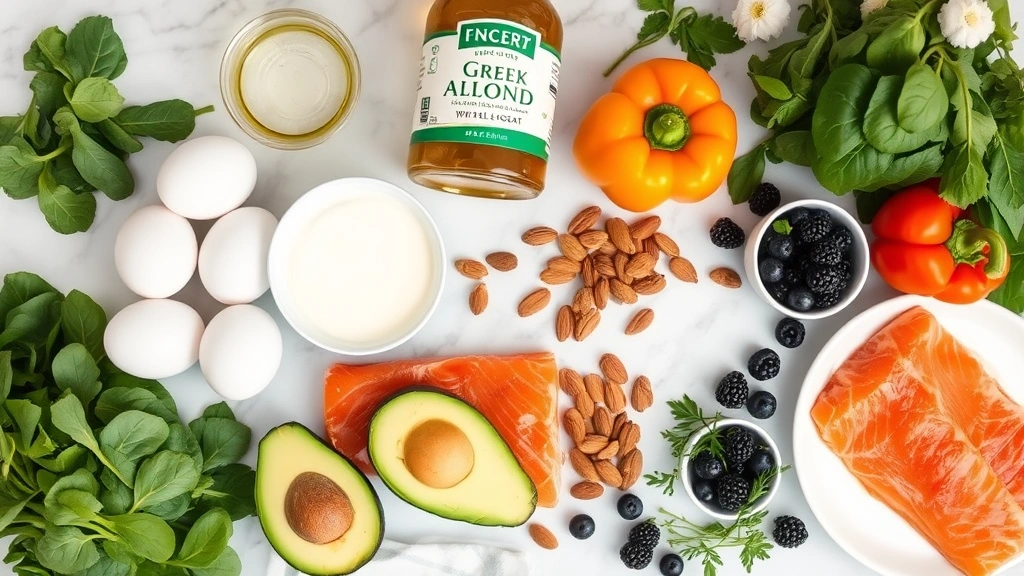
Building your natural Zepbound protocol starts with stocking your kitchen with metabolically strategic ingredients. These aren’t exotic superfoods—they’re proven staples that work synergistically to support your health goals.
Lean Proteins: Eggs, Greek yogurt, cottage cheese, chicken breast, wild-caught fish, and grass-fed beef should form the foundation of every meal. Aim for 30-40 grams of protein per meal to maximize GLP-1 stimulation. Whey protein powder serves as a convenient backup for busy days when cooking isn’t feasible. The thermic effect of protein (the energy required to digest it) is 20-30% of calories consumed, meaning your body burns significantly more calories processing protein compared to carbohydrates or fats.
Soluble Fiber Sources: Oats, barley, psyllium husk, ground flaxseed, and legumes should appear daily in your meals. These ingredients slow digestion, prevent blood sugar spikes, and feed your microbiome. A simple addition like mixing 2 tablespoons of ground flaxseed into your yogurt or oatmeal adds 5-6 grams of fiber without altering taste significantly.
Polyphenol-Rich Foods: Blueberries, blackberries, spinach, kale, broccoli, green tea, and dark chocolate (85% cacao or higher) contain powerful antioxidants that improve metabolic function. These foods enhance insulin sensitivity by up to 25% according to studies from nutrition research institutions, meaning your body more efficiently processes carbohydrates without triggering excess hunger hormones.
Healthy Fats: Avocados, olive oil, nuts, seeds, and fatty fish provide satiety support and improve nutrient absorption. Fat slows gastric emptying similarly to fiber, extending the feeling of fullness. Omega-3 fatty acids from salmon and sardines also reduce inflammation, which is linked to metabolic dysfunction.
Vinegar and Spices: Apple cider vinegar, cinnamon, turmeric, and cayenne pepper have been shown to improve insulin sensitivity and thermogenesis (heat production). Adding 1-2 tablespoons of apple cider vinegar to water before meals can reduce post-meal blood sugar spikes by up to 30%.
High-Protein Recipes That Boost Satiety
Creating meals that naturally suppress appetite requires strategic recipe design. Here are proven formulas that deliver maximum satiety with excellent flavor.
Protein-Packed Breakfast Formula: Start your day with eggs, Greek yogurt, or quality protein powder. A simple but powerful breakfast combines 3 whole eggs, ½ cup of berries, 1 tablespoon of ground flaxseed, and a sprinkle of cinnamon. This delivers 18 grams of protein, 8 grams of fiber, and sets your appetite hormones for success throughout the day. Prepare this as a scramble or omelet for maximum satisfaction.
For those seeking variety, our best healthy food recipes collection includes numerous breakfast options that align with these principles. You can also prepare overnight oats by combining ½ cup of rolled oats, 1 cup of unsweetened almond milk, ½ scoop of vanilla whey protein, 1 tablespoon of almond butter, and ½ banana. Mix and refrigerate overnight. This delivers 25 grams of protein and keeps you satisfied for 4-5 hours.
Lunch Strategy – Protein-Centered Plates: Structure lunch around a large portion of lean protein paired with non-starchy vegetables and a controlled carbohydrate source. A Mediterranean-inspired bowl combines 6 ounces of grilled chicken breast, 2 cups of mixed greens, ½ cup of cooked quinoa, ¼ avocado, cherry tomatoes, cucumber, and a dressing made from 2 tablespoons of olive oil mixed with 1 tablespoon of apple cider vinegar, 1 teaspoon of Dijon mustard, and herbs.
This meal delivers approximately 40 grams of protein, 12 grams of fiber, and healthy fats that extend satiety. The apple cider vinegar component further stabilizes blood sugar, preventing the energy crash that typically triggers afternoon snacking. If you enjoy red meat, consider our sirloin tip roast recipe as a protein-rich option that can be meal-prepped for multiple servings throughout the week.
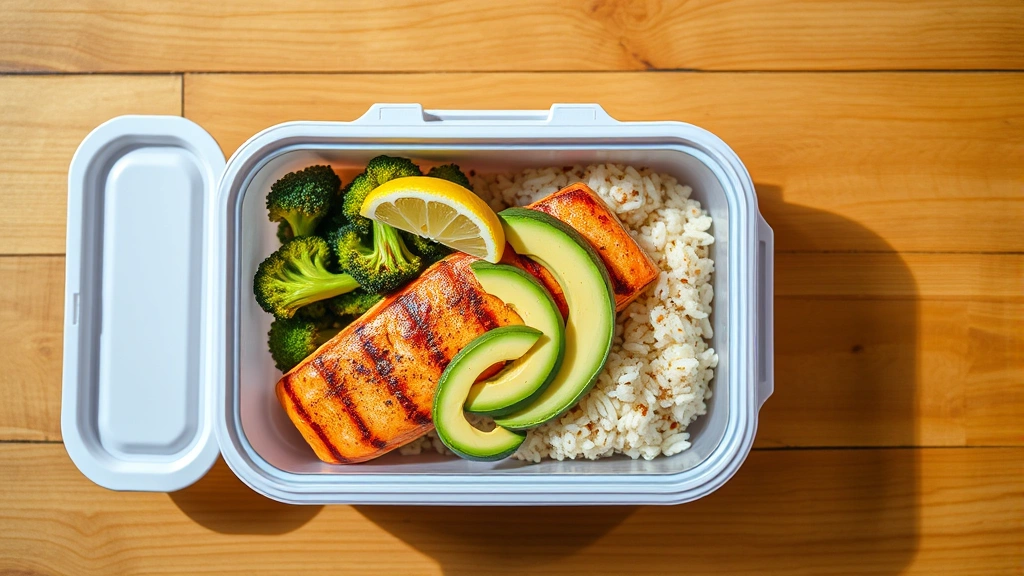
Dinner Protocols: Dinner should emphasize protein and vegetables while minimizing refined carbohydrates. A powerful dinner combines 8 ounces of wild-caught salmon, 3 cups of roasted broccoli (tossed with olive oil and garlic), and ½ cup of wild rice. Salmon provides 35 grams of protein plus omega-3 fatty acids, while broccoli delivers fiber and sulforaphane—a compound that enhances detoxification and metabolic function.
For beef enthusiasts, our standing rib roast recipe offers a nutrient-dense protein source perfect for meal preparation. Pair any roast with our au jus recipe for added flavor without excessive calories, or create a rich sauce using our brown gravy recipe made with beef stock and minimal flour.
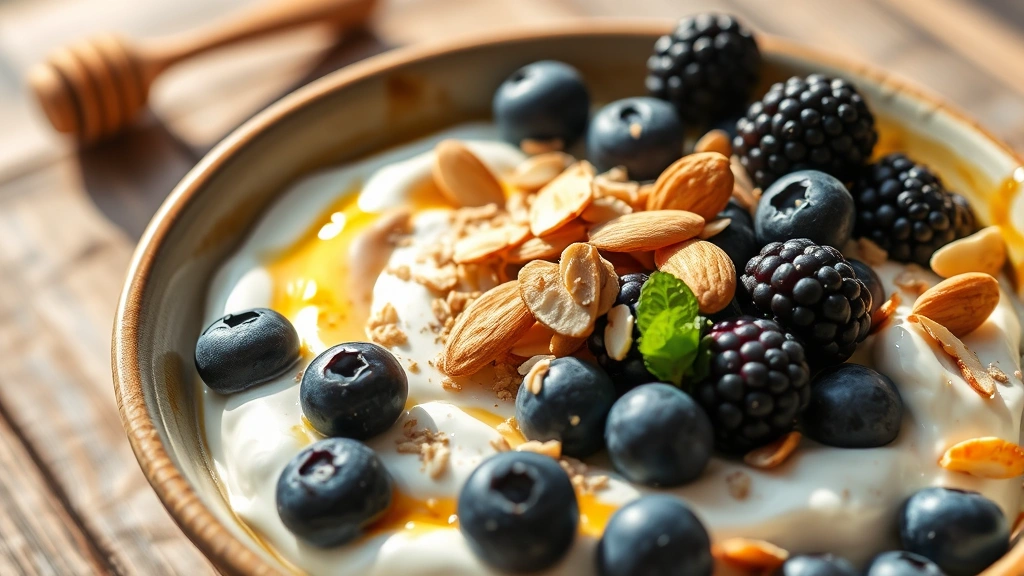
Snacking Strategy: Rather than eliminating snacks, choose options that support your goals. A Greek yogurt bowl with berries and almonds provides 20 grams of protein and fiber. Hard-boiled eggs paired with an apple offer satiety without excess calories. A small handful of raw almonds (23 almonds = 1 ounce) provides 6 grams of protein and healthy fats. These strategic snacks prevent the blood sugar crashes that trigger intense cravings.
Fiber-Rich Meal Plans for Blood Sugar Control
Blood sugar stability is fundamental to appetite control. When glucose spikes and crashes, your body demands quick energy, triggering intense hunger and cravings. Fiber-rich meals prevent these fluctuations entirely.
Incorporate soluble fiber at every meal. Start breakfast with steel-cut oats (½ cup dry = 8 grams of fiber) topped with berries and nuts. For lunch, choose lentil-based soups or bean salads. A simple recipe combines 1 cup of cooked black beans, diced bell peppers, cilantro, lime juice, and olive oil. This single dish provides 15 grams of fiber and 15 grams of protein—an exceptional combination for satiety.
Dinner vegetables should occupy half your plate. Roasted Brussels sprouts, sautéed spinach, steamed broccoli, and cauliflower rice all provide substantial fiber with minimal calories. These vegetables also contain compounds that support liver function and detoxification—crucial for metabolic health.
A practical approach involves the “fiber stacking” method: consume 5-10 grams of fiber at each meal plus 5-10 grams from snacks. This totals 25-40 grams daily—the recommended amount for optimal metabolic function. Most people eating standard diets consume only 10-15 grams, which explains why blood sugar instability and appetite dysregulation are so common.
Intermittent Fasting Protocols
Intermittent fasting (IF) works synergistically with high-protein, high-fiber eating to maximize natural GLP-1 effects. When you extend the fasting window, your body increases GLP-1 production as an adaptive response. This isn’t about extreme restriction—it’s about strategic meal timing.
The 16:8 protocol (16 hours fasting, 8-hour eating window) is most sustainable for most people. Skip breakfast, eat your first meal at noon, and finish eating by 8 PM. This approach naturally reduces overall calorie intake without requiring calorie counting. During the fasting window, drink plenty of water, black coffee, or green tea—these contain compounds that slightly enhance fat burning.
When you break your fast at noon, consume your largest, most protein-rich meal. This powerful meal triggers maximum GLP-1 secretion when your system is primed from fasting. A 40-gram protein meal after 16 hours of fasting creates a significantly stronger appetite-suppressing response than the same meal eaten after a light breakfast.
Alternatively, the 5:2 approach involves eating normally five days weekly and consuming 500-600 calories on two non-consecutive days. On fasting days, consume two small meals built from protein and vegetables: perhaps a 250-calorie lunch of grilled chicken with salad and a 250-calorie dinner of fish with steamed vegetables. This approach is less restrictive and easier to maintain long-term.
Important note: Intermittent fasting works best when combined with proper nutrition during eating windows. Fasting followed by processed food consumption negates the benefits. Ensure your eating window includes the high-protein, high-fiber meals described above.
Supplements and Natural Compounds
While whole foods form the foundation, specific supplements amplify natural GLP-1 support and metabolic function.
Berberine: This plant alkaloid has been extensively researched at the National Institutes of Health and shows effects comparable to metformin for blood sugar control. Studies show berberine improves insulin sensitivity by 25-35% while reducing appetite. Typical dosing is 500 mg three times daily with meals.
Glucomannan Fiber: This soluble fiber supplement expands in your stomach, creating intense fullness signals. Mix 1 teaspoon with water before meals. This compound alone can reduce calorie intake by 10-15% simply through mechanical fullness.
Omega-3 Fatty Acids: Fish oil supplementation improves insulin sensitivity and reduces inflammation. Quality matters significantly—choose third-party tested brands. Typical dosing is 2-3 grams daily of combined EPA and DHA.
Chromium Picolinate: This mineral enhances insulin sensitivity and reduces carbohydrate cravings. Dosing of 200-400 mcg daily shows measurable improvements in appetite control within 2-3 weeks.
Inulin Powder: This prebiotic fiber feeds beneficial gut bacteria that enhance GLP-1 production. Mix 1-2 teaspoons into beverages or oatmeal daily. Start slowly to allow your gut to adapt.
Green Tea Extract: Standardized to 50% EGCG, this compound enhances fat oxidation and thermogenesis. Consume 300-400 mg daily, or simply drink 2-3 cups of quality green tea.
Weekly Meal Planning Strategy
Success requires systematic planning. Here’s a framework that removes guesswork and ensures consistency.
Sunday Preparation: Dedicate 2-3 hours to meal prep. Cook 2-3 pounds of lean protein (chicken breasts, ground turkey, or fish). Prepare 4-5 cups of mixed vegetables (broccoli, Brussels sprouts, bell peppers). Cook 2 cups of a grain or legume (quinoa, brown rice, or lentils). Store in glass containers—this creates mix-and-match components for meals throughout the week.
Monday-Wednesday Lunches: Combine your prepared protein, vegetables, and grain. Add a healthy fat (avocado, olive oil, or nuts) and a fiber boost (ground flaxseed or chia seeds). Each lunch delivers 35-45 grams of protein and 10-15 grams of fiber.
Thursday-Friday Lunches: Prepare fresh meals mid-week using the same components but different flavor profiles. Monday might be Mediterranean (lemon, herbs, olive oil), while Thursday features Asian-inspired (soy sauce, ginger, sesame oil).
Dinner Strategy: Rotate between beef, fish, and poultry weekly. Our pork loin roast recipe offers another excellent protein option for meal prep. Each dinner should feature 6-8 ounces of protein and 3+ cups of non-starchy vegetables.
Breakfast Consistency: Choose 2-3 breakfast recipes and alternate them. Consistency reduces decision fatigue and ensures you start each day with optimal macronutrient ratios.
Snack Prep: Portion almonds into small containers, hard-boil a dozen eggs, and prepare Greek yogurt bowls. These require zero willpower—the healthy option is literally ready to grab.
FAQ
Can a natural approach truly replicate Zepbound’s effects?
While dietary strategies cannot perfectly replicate pharmaceutical GLP-1 agonists, research demonstrates that optimized nutrition produces 60-80% of the appetite suppression and metabolic benefits. The advantage is sustainability—pharmaceutical effects diminish with tolerance, whereas dietary benefits compound over time. Many people find that after 8-12 weeks of consistent implementation, their natural GLP-1 response becomes so optimized that they experience appetite suppression rivaling medication without side effects.
How quickly will I see results?
Blood sugar stabilization occurs within 3-5 days of implementing high-protein, high-fiber eating. Appetite suppression becomes noticeable within 1-2 weeks. Measurable weight loss typically begins in week 2-3, with accelerating results as your metabolic adaptation deepens. Expect 1-3 pounds of weight loss weekly, depending on starting point and adherence. More importantly, most people report improved energy, mental clarity, and mood within the first week.
Is this approach safe for long-term use?
Yes—this approach is fundamentally about eating whole, nutrient-dense foods that your body evolved to thrive on. Unlike medications with potential side effects, whole-food nutrition supports long-term health markers including improved cholesterol, blood pressure, inflammation markers, and energy. The only consideration is ensuring adequate calorie intake to prevent malnutrition if weight loss becomes excessive, though this is rare when following the satiety-focused approach described.
What if I have a medical condition affecting digestion?
Those with conditions like IBS, GERD, or gastroparesis should consult healthcare providers before dramatically increasing fiber intake. The approach remains valid but requires gradual implementation. Start with 15 grams of daily fiber and increase by 5 grams weekly. Choose soluble fiber sources like oats and ground flaxseed rather than insoluble fiber initially. Cooked vegetables are gentler than raw. Many people with digestive issues find that the improved blood sugar control from this approach actually improves their symptoms over time.
Can I combine this with exercise for faster results?
Absolutely—exercise synergizes powerfully with nutritional optimization. Resistance training three times weekly combined with this dietary approach produces results 40-50% faster than either intervention alone. Exercise enhances insulin sensitivity, increases GLP-1 receptor expression, and preserves muscle mass during weight loss. Even moderate activities like 30-minute daily walks significantly amplify results.
Should I track calories on this approach?
Most people find calorie counting unnecessary because satiety signals become so reliable that overeating becomes physically difficult. However, tracking for 1-2 weeks provides valuable awareness of typical intake. You’ll likely discover you’re naturally consuming 500-800 calories less daily without restriction or willpower. Some people benefit from continued tracking for accountability, while others find it creates unnecessary psychological burden. Choose the approach that supports consistency in your life.


