Ham Steak Perfection? Chef’s Secret Recipe
Ham steaks are an underrated protein that deserves a place at your dinner table far more often than most home cooks realize. Unlike whole ham roasts that require hours of preparation, ham steaks offer incredible versatility, quick cooking times, and a naturally rich flavor that pairs beautifully with both classic and contemporary accompaniments. Whether you’re planning a weeknight dinner or impressing guests at a special gathering, mastering the art of preparing ham steak will expand your culinary repertoire significantly.
The secret to ham steak perfection lies not in complicated techniques but in understanding how to balance the meat’s inherent saltiness, develop a caramelized crust, and complement it with thoughtfully chosen flavors. Professional chefs have long known that ham steaks can be transformed from simple deli fare into restaurant-quality dishes with minimal effort and maximum impact. This comprehensive guide reveals the techniques, seasonings, and cooking methods that elevate ham steak from ordinary to extraordinary.
Selecting and Preparing Your Ham Steak
The foundation of any exceptional ham steak dish begins at the market. Not all ham steaks are created equal, and understanding the differences will dramatically impact your final result. Ham steaks come from different sections of the ham, with bone-in varieties offering superior flavor compared to boneless cuts. When shopping, look for steaks that are approximately three-quarters to one inch thick—this thickness ensures even cooking and allows for proper crust development.
Quality matters significantly when selecting ham. Seek out steaks from heritage breed pigs or those cured using traditional methods rather than mass-produced options. The color should be a deep rose-pink, indicating proper curing and storage. Avoid steaks with excessive surface moisture or an off-putting odor. If your market offers spiral-cut ham steaks, these are excellent choices as they showcase the grain of the meat beautifully.
Preparation is equally important as selection. Remove your ham steak from refrigeration 20-30 minutes before cooking to allow it to reach room temperature. This ensures more even cooking throughout the meat. Pat the surface completely dry with paper towels—moisture is the enemy of browning and crust development. Score the surface in a crosshatch pattern, cutting only about one-eighth inch deep. This technique serves two purposes: it allows seasoning to penetrate more effectively, and it provides additional surface area for caramelization.
For those following best healthy food recipes, ham steaks offer excellent protein content with moderate fat. Trim any thick outer fat layer, leaving a thin layer for flavor. This balance provides taste without excess calories. Consider the ham’s salt content—cured ham is naturally salty, so you may need less additional salt than typical recipes suggest.
Essential Seasoning and Flavor Profiles
Ham’s rich, salty character demands thoughtful seasoning that enhances rather than overwhelms. The classic approach pairs ham with sweet and acidic elements—think brown sugar, mustard, and pineapple. However, modern cooking offers numerous sophisticated alternatives that respect the meat’s inherent flavors.
The Classic Dry Rub: Combine two tablespoons brown sugar, one teaspoon black pepper, half a teaspoon smoked paprika, quarter teaspoon cayenne pepper, and a quarter teaspoon garlic powder. Apply this mixture generously to both sides of your prepared ham steak, pressing gently so it adheres to the surface. The brown sugar caramelizes during cooking, creating a delicious crust.
The Savory Route: For those preferring less sweetness, combine one teaspoon Dijon mustard, half a teaspoon fresh thyme, half a teaspoon crushed black pepper, and a quarter teaspoon smoked paprika. This approach highlights the ham’s natural umami qualities and works beautifully with vegetable sides.
The Global Inspiration: Experiment with five-spice powder mixed with a touch of honey for an Asian-influenced profile, or combine paprika, cumin, and oregano for a Spanish-inspired version. The key is maintaining balance—ham’s saltiness should remain the star, with seasonings playing supporting roles.
Fresh herbs elevate ham steak significantly. If you grow herbs at home, consider reviewing how to preserve herbs for year-round availability. Thyme, rosemary, and sage pair exceptionally well with ham. Add fresh herbs during the final minute of cooking or create a compound butter with herbs and place it on the finished steak.
Master Cooking Techniques
Professional chefs employ several methods to achieve ham steak perfection, each offering distinct advantages depending on your equipment and preferences.
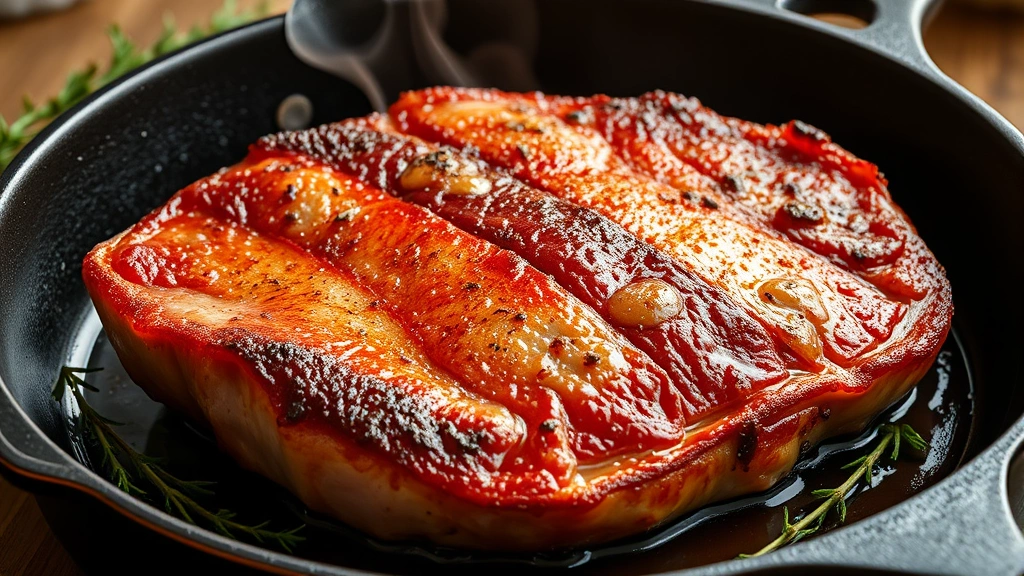
Pan-Searing Method (The Gold Standard): This technique delivers the most impressive results for home cooks. Heat a cast-iron or stainless steel skillet over medium-high heat until it’s genuinely hot—test by flicking water droplets; they should immediately sizzle and evaporate. Add one tablespoon of unsalted butter and allow it to foam.
Place your seasoned ham steak in the pan and resist the urge to move it. Let it sear undisturbed for three to four minutes until a dark golden crust forms. This Maillard reaction—the chemical process that creates complex flavors and appealing browning—requires patience and stillness. Flip the steak carefully and sear the other side for an additional two to three minutes. The internal temperature should reach 160°F, though ham steaks are typically pre-cooked during curing, so you’re primarily heating through and developing crust.
Grilling Method: Preheat your grill to medium-high heat and lightly oil the grates. Place the ham steak directly over the heat and grill for three to four minutes per side. This method imparts subtle smoky flavors and creates attractive grill marks. For gas grills, maintain consistent temperature; for charcoal grills, arrange coals for medium-high heat zones.
Broiling Method: Preheat your broiler and position the oven rack four to five inches from the heat source. Place the ham steak on a broiler pan and broil for four to five minutes per side. This method works excellently when you want to finish the steak with a glaze—apply the glaze during the final minute of cooking for caramelization.
Slow-Cooking Method: For a completely different approach, slow-cook ham steaks in a Dutch oven at 325°F for 45 minutes to an hour, basting occasionally with homemade sauces of your choice. This method works beautifully for entertaining, as it frees your stovetop and creates an aromatic kitchen.
Temperature Control: Many home cooks make the mistake of cooking ham steaks over excessively high heat, resulting in burnt exteriors and unevenly heated interiors. Medium to medium-high heat provides optimal crust development while allowing the interior to heat through properly. Use an instant-read thermometer to verify doneness—target 160°F at the thickest point.
Classic and Creative Sauce Pairings
The right sauce transforms a good ham steak into something memorable. Understanding sauce fundamentals allows you to create both traditional and innovative accompaniments.
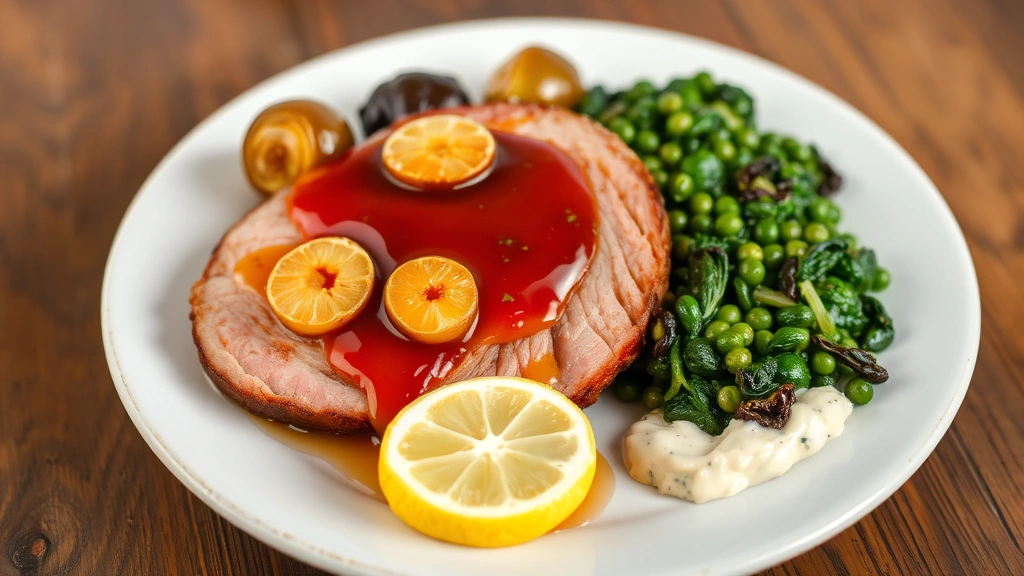
The Classic Pineapple Glaze: Combine one cup pineapple juice, two tablespoons brown sugar, one tablespoon Dijon mustard, and half a teaspoon ground cloves in a saucepan. Simmer until reduced by half, approximately eight to ten minutes. The result is a glossy glaze with balanced sweetness and acidity. Brush this onto ham steaks during the final minutes of cooking or serve alongside.
Maple-Mustard Sauce: Whisk together three tablespoons pure maple syrup, two tablespoons whole grain mustard, one tablespoon apple cider vinegar, and a quarter teaspoon black pepper. This sauce requires no cooking and provides sophisticated flavor complexity. The vinegar cuts through the richness beautifully, while mustard’s sharpness complements ham’s saltiness.
Honey-Bourbon Reduction: In a small saucepan, combine three tablespoons honey, two tablespoons bourbon, one tablespoon butter, and half a teaspoon fresh thyme. Simmer gently for five minutes until slightly thickened. This sauce offers depth and warmth, perfect for dinner parties.
Brown Sugar and Spice Crust: Create a paste using four tablespoons brown sugar, one tablespoon whole grain mustard, one teaspoon smoked paprika, half a teaspoon black pepper, and a quarter teaspoon cayenne. Apply this mixture to the ham steak during the final three minutes of cooking, allowing it to caramelize and form a crunchy, flavorful crust.
Asian-Inspired Glaze: Combine three tablespoons soy sauce, two tablespoons honey, one tablespoon rice vinegar, one teaspoon sesame oil, and one minced garlic clove. Simmer briefly and brush onto ham steaks during cooking. This glaze offers umami depth and subtle sweetness.
Tangy Mustard Cream Sauce: Sauté one minced shallot in butter, then whisk in three tablespoons Dijon mustard, half a cup heavy cream, and a quarter cup dry white wine. Simmer gently until thickened, approximately five minutes. This elegant sauce works beautifully for plated presentations.
Side Dishes That Complement Ham Steak
Selecting appropriate sides ensures a balanced, satisfying meal. Ham’s rich character pairs beautifully with bright, acidic, or starchy accompaniments.
Vegetable Sides: Roasted Brussels sprouts with balsamic vinegar provide textural contrast and acidity. Glazed carrots with a touch of honey complement ham’s sweetness without overwhelming it. Creamed spinach offers richness that balances the main protein. Sautéed green beans with garlic and lemon provide brightness and freshness.
Starch Options: Creamy mashed potatoes provide comfort and richness. Scalloped potatoes offer elegance for special occasions. Sweet potato fries add sweetness that harmonizes with ham’s cured character. Buttered egg noodles provide simplicity and allow sauce to shine.
Grain-Based Sides: For quick and easy pasta recipes suitable for ham steak dinners, consider creamy pasta primavera or simple buttered noodles. Pilaf with dried fruits offers complexity and elegance. Cornbread provides texture and pairs traditionally with ham.
Salad Accompaniments: A crisp green salad with vinaigrette cuts through richness beautifully. Coleslaw with apple and vinegar-based dressing provides crunch and acidity. Composed salads featuring greens, hard-boiled eggs, and crispy bacon create elegant presentations.
Storage and Leftovers
Proper storage ensures your ham steaks remain delicious and safe to eat. Refrigerate leftover cooked ham steaks in an airtight container for up to three days. The meat remains perfectly edible and can be reheated gently in a low oven or pan with a touch of moisture.
Leftover ham steaks transform beautifully into new dishes. Dice them for fried rice, add them to egg dishes, incorporate them into pasta salads, or layer them in sandwiches with your favorite condiments. Chopped ham steak becomes an excellent addition to chicken and biscuits recipe variations, creating ham and biscuits alternatives.
Freezing ham steaks is possible but affects texture slightly. If you choose to freeze, wrap steaks individually in plastic wrap and aluminum foil, then store in freezer bags for up to two months. Thaw overnight in the refrigerator before cooking. The texture remains acceptable for most applications, particularly if you’re using the meat for chopped dishes rather than serving as a whole steak.
Consider organic vs non-organic food options when purchasing ham steaks. Organic varieties often feature higher quality curing practices and superior ingredient lists, though they command premium prices. Conventional ham steaks offer excellent value and remain a nutritious protein source.
FAQ
What thickness should ham steaks be for optimal cooking?
Aim for steaks between three-quarters and one inch thick. This thickness allows for proper crust development while ensuring the interior heats through evenly. Thinner steaks may dry out; thicker ones require longer cooking times that can result in overcooked exteriors.
How long does it take to cook a ham steak?
Pan-searing typically requires six to eight minutes total (three to four minutes per side). Grilling takes similar time. Broiling requires eight to ten minutes total. Actual time varies based on steak thickness and your specific equipment’s heat output.
Can I use ham steaks in place of bacon in recipes?
Yes, though the flavor profile differs. Dice ham steaks for use in breakfast applications, soups, or casseroles. The result will be meatier and less smoky than bacon, but equally delicious in appropriate applications.
Should I remove the outer fat layer before cooking?
Trim excessive fat, but leave a thin layer for flavor. A quarter-inch of fat provides protection during cooking and contributes to taste. Completely removing fat results in drier meat.
What’s the best way to reheat leftover ham steak?
Place the steak in a 300°F oven with a small amount of water or broth, covered with foil, for ten to fifteen minutes. Alternatively, heat gently in a skillet over medium-low heat. Avoid high heat, which can toughen the meat.
Can ham steaks be cooked from frozen?
Yes, though thawed steaks cook more evenly. If cooking from frozen, increase cooking time by approximately half and monitor internal temperature carefully. Thawing overnight in the refrigerator remains the preferred method.
What internal temperature indicates doneness?
Since ham steaks are pre-cooked during curing, you’re reheating rather than cooking from raw. Target 160°F at the thickest point for food safety. Use an instant-read thermometer for accuracy.
Do I need to score ham steaks before cooking?
Scoring is optional but recommended. A crosshatch pattern at one-eighth inch depth allows seasoning penetration and provides additional surface area for crust development. Scoring takes just one minute and noticeably improves results.


