Sockeye Salmon Recipe? Chef’s Secret Unveiled
Sockeye salmon stands out as one of the most prized fish in professional kitchens and home cooking alike. With its deep crimson flesh, rich flavor profile, and impressive nutritional density, this wild Pacific salmon variety deserves a place at your dinner table. But what separates a mediocre sockeye preparation from an exceptional one? The answer lies in understanding the fish itself, respecting its natural qualities, and applying time-tested techniques that professional chefs have perfected over decades.
This comprehensive guide reveals the secrets that restaurant chefs use to transform sockeye salmon into restaurant-quality dishes in your own kitchen. Whether you’re preparing a simple weeknight dinner or impressing guests at a special gathering, you’ll discover the techniques, flavor combinations, and cooking methods that elevate sockeye salmon from ordinary to extraordinary. Let’s unlock these culinary secrets together.
Why Sockeye Salmon Stands Apart
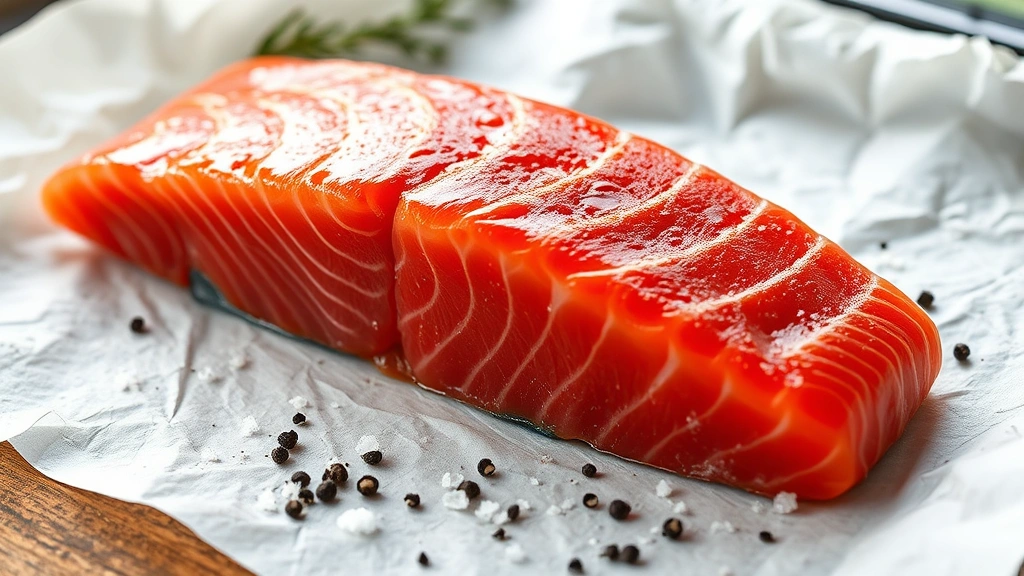
Sockeye salmon, scientifically known as Oncorhynchus nerka, possesses characteristics that make it fundamentally different from other salmon varieties. The deep red coloration comes from astaxanthin, a natural carotenoid pigment that indicates the fish’s exceptional nutritional profile. This pigment contributes not only to the salmon’s striking appearance but also to its powerful antioxidant properties.
Unlike Atlantic salmon or farmed varieties, wild sockeye salmon develops its flavor through a demanding life cycle. These fish migrate thousands of miles upstream, fighting against currents and waterfalls. This strenuous journey creates denser muscle tissue and more concentrated flavors compared to their farmed counterparts. The fat distribution in sockeye is also more favorable for cooking—the oils are well-integrated throughout the flesh rather than concentrated in specific areas, ensuring even cooking and consistent texture.
Professional chefs prefer sockeye salmon because it maintains its structural integrity during cooking. The firm flesh doesn’t break apart easily, making it ideal for various cooking techniques from pan-searing to poaching. Additionally, the natural oils in sockeye prevent it from becoming dry during the cooking process, even if you accidentally overcook it slightly—a forgiving quality that makes it perfect for home cooks developing their skills.
The flavor profile of sockeye salmon is distinctly more pronounced than milder salmon varieties. You’ll detect subtle notes of nuttiness and a clean, ocean-fresh taste that pairs beautifully with both delicate and bold seasonings. This complexity is why chefs often feature sockeye salmon on tasting menus and special occasion plates.
Selecting and Preparing Your Sockeye
The journey to an exceptional sockeye salmon recipe begins long before you turn on the heat. Selecting the right fish is absolutely critical. When shopping, look for specimens with bright, clear eyes—never cloudy or sunken. The gills should be deep red or burgundy, and the flesh should spring back immediately when pressed gently with your finger. Fresh sockeye salmon should smell of the ocean, never fishy or ammonia-like.
Ask your fishmonger when the salmon was caught and processed. Ideally, you want fish that was caught within the last two to three days. If purchasing frozen sockeye, ensure it was frozen at sea (IQF—individually quick frozen) rather than thawed and refrozen. The packaging should have no ice crystals or discoloration.
Once home, proper storage is essential. Keep sockeye salmon on the coldest shelf of your refrigerator, preferably on a bed of ice. Use it within one to two days of purchase. If you need to store it longer, wrap it tightly in plastic wrap and freeze immediately.
Preparation begins with patting the salmon completely dry using paper towels. Moisture is the enemy of a crispy exterior, so don’t skip this step. Remove any pin bones using tweezers by pulling at a slight angle. These small bones run along the center of the fillet and are easily removed if you work methodically from the head end toward the tail.
Season your sockeye salmon generously with kosher salt and freshly ground black pepper at least 15 minutes before cooking. This resting period allows the salt to penetrate the flesh, seasoning it throughout rather than just at the surface. Some chefs prefer to salt even earlier—up to 40 minutes before cooking—for more pronounced flavor development.
The Pan-Seared Method: A Chef’s Favorite
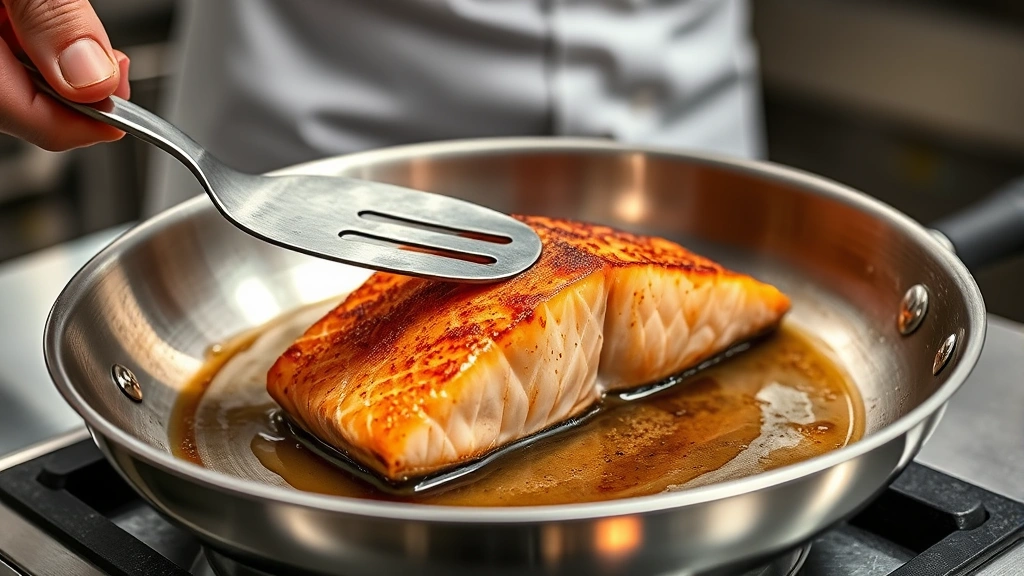
Pan-searing is the technique that professional chefs use most frequently for sockeye salmon, and for good reason. This method creates a beautiful golden crust while maintaining a moist, tender interior. Here’s exactly how to execute it like a pro:
Equipment and Temperature Control: Use a heavy-bottomed stainless steel or cast-iron skillet, never non-stick for this application. Non-stick surfaces prevent proper browning and don’t develop the flavorful crust that makes this dish special. Preheat your skillet over medium-high heat for a full three minutes. The pan should be hot enough that a drop of water immediately sizzles and evaporates.
Fat Selection: Pour enough oil to coat the pan bottom—approximately two tablespoons. Chefs typically use refined avocado oil or clarified butter (ghee) because these fats have high smoke points and won’t burn at the necessary temperatures. Regular olive oil will smoke excessively and impart burnt flavors, so save it for finishing touches.
The Sear: Once your oil shimmers, place the salmon skin-side up into the pan. Resist the urge to move it around. Let it sit undisturbed for three to four minutes. You’ll hear an immediate sizzle—this is the Maillard reaction beginning, the chemical process that creates that delicious crust. Don’t peek or move the fish. Patience is absolutely essential here.
After three to four minutes, carefully flip the salmon using a thin, wide spatula. Work quickly and confidently to avoid tearing the delicate flesh. Now cook for another two to three minutes, depending on the thickness of your fillet. For a 1-inch thick fillet, aim for an internal temperature of 125°F (52°C) for medium-rare, which is the sweet spot for sockeye salmon—moist and flaky without being undercooked.
Many chefs finish the pan-searing in the oven. After searing both sides on the stovetop for about two minutes total, transfer the entire skillet to a preheated 400°F (200°C) oven for four to six minutes. This gentle, dry heat ensures even cooking throughout without overcooking the exterior. This technique is particularly useful when cooking multiple fillets or thicker pieces.
Glazed and Roasted Sockeye Salmon
For a more elaborate preparation, glazed and roasted sockeye salmon delivers impressive results that feel restaurant-quality. This method involves building layers of flavor through a carefully constructed glaze that caramelizes during roasting.
Creating the Perfect Glaze: Start with a base of pure maple syrup—about three tablespoons. Add one tablespoon of Dijon mustard, one tablespoon of soy sauce, one teaspoon of fresh ginger (minced), and one clove of garlic (minced). Whisk in one tablespoon of rice vinegar and a pinch of red pepper flakes. This combination provides sweetness, umami depth, sharpness, and subtle heat.
Some chefs add a tablespoon of miso paste to their glaze for additional umami complexity, or incorporate fresh herbs like dill or tarragon for brighter notes. The key is balancing sweet, salty, acidic, and savory elements so no single flavor dominates.
The Roasting Process: Line a baking sheet with parchment paper and place your prepared sockeye fillets skin-side down. Brush the glaze generously over the top of each fillet. Reserve some glaze for brushing halfway through cooking. Roast at 400°F (200°C) for twelve to fifteen minutes for 1-inch thick fillets.
About halfway through roasting, brush on another layer of glaze. This creates a thicker, more intensely flavored coating. During the final two minutes of cooking, you can increase the oven temperature to 450°F (232°C) to caramelize the glaze slightly, creating an attractive sheen and concentrated flavor.
The beauty of this method is that the gentle, even heat ensures perfectly cooked salmon throughout, and the glaze adds sophisticated flavors that complement rather than mask the fish’s natural taste.
Flavor Pairings That Work
Understanding which flavors naturally complement sockeye salmon elevates your cooking from good to exceptional. The rich, slightly oily nature of sockeye pairs beautifully with acidic elements that cut through the richness and brighten the palate.
Citrus Combinations: Lemon and sockeye salmon are classic partners. A simple squeeze of fresh lemon juice over a pan-seared fillet immediately brightens the dish. For something more sophisticated, create a beurre blanc sauce by reducing white wine and lemon juice, then whisking in cold butter. Lime works wonderfully too, particularly in preparations with Asian influences. Orange brings a subtle sweetness that pairs well with glazes.
Herb Pairings: Dill is the traditional choice for salmon, and for good reason—its delicate, slightly sweet flavor complements the fish without overwhelming it. Fresh tarragon adds an anise-like sophistication. Chervil brings subtle licorice notes. Even simple parsley, when fresh and bright, provides a clean finish. When preparing homemade salad dressings to serve alongside your sockeye, consider incorporating these same herbs for a cohesive flavor profile.
Spice Considerations: Black pepper is essential, but don’t stop there. Smoked paprika adds depth and complexity. Fennel seeds bring subtle sweetness. Coriander seeds contribute a warm, citrusy note. Cumin works beautifully in preparations with Asian or Mediterranean influences. Toast whole spices in a dry pan before grinding to intensify their flavors.
Sauce and Accompaniment Ideas: Hollandaise sauce, with its rich butter and egg yolk base, is a classic pairing. A simple beurre blanc with fresh herbs offers elegance. Asian-inspired sauces using soy, ginger, and sesame oil complement the fish’s richness. For lighter preparations, a drizzle of quality olive oil infused with garlic and red pepper flakes works beautifully.
Consider pairing your sockeye salmon with sides that either complement or contrast its richness. Roasted vegetables like asparagus, Brussels sprouts, or broccolini provide textural contrast. Creamy sides like risotto or polenta balance the fish’s oils. Lighter options such as steamed green beans or a simple salad refresh the palate between bites.
Plating and Presentation
Professional chefs understand that we eat with our eyes first. The presentation of your sockeye salmon dish significantly impacts the dining experience and perceived quality of the meal.
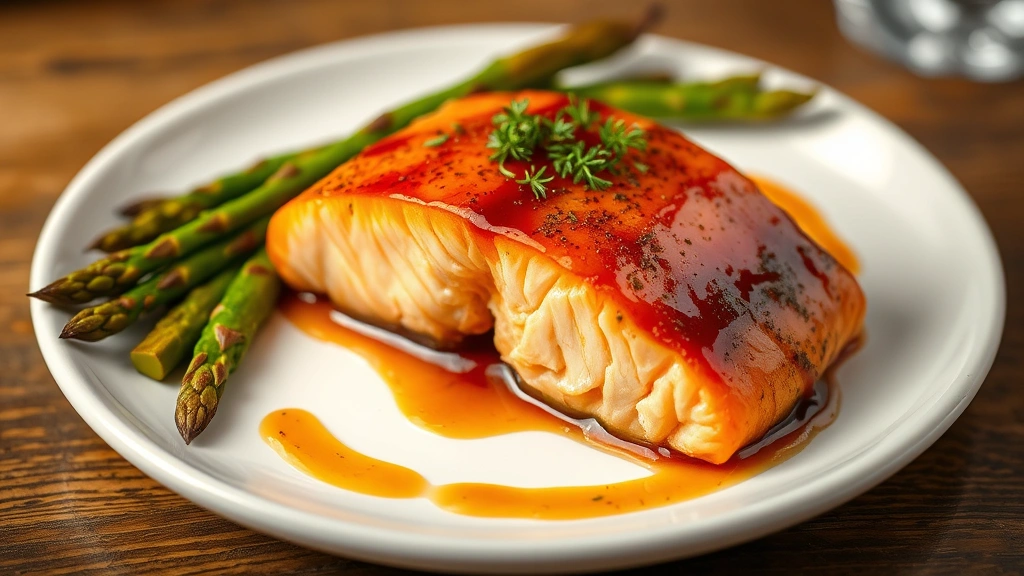
Positioning the Fillet: Place the salmon with the seared side facing up—this is where the beautiful golden crust lives, and it should be the focal point of the plate. Angle it slightly rather than placing it perfectly straight; asymmetry reads as more sophisticated and intentional than perfect symmetry.
Sauce Application: If using a sauce, apply it artfully rather than simply pouring it over the fish. Professional chefs often use a small spoon or squeeze bottle to create swooshes or dots of sauce around the plate. This technique allows diners to taste the sauce in controlled amounts while maintaining visibility of the beautifully cooked fish.
Vegetable Arrangement: Arrange any accompanying vegetables thoughtfully. Odd numbers (three asparagus spears rather than four, for example) create more visual interest. Stack vegetables slightly rather than spreading them flat. Create height on the plate—this makes the dish appear more refined and intentional.
Garnish Finishing Touches: A small microgreen or herb sprig placed strategically adds color and signals freshness. A sprinkle of fleur de sel (finishing salt) adds visual texture and a subtle flavor burst. A light drizzle of quality oil around the plate’s edge adds sophistication. Less is more—avoid overcrowding the plate with excessive garnishes.
Temperature and Timing: Serve sockeye salmon immediately after plating. The optimal eating temperature is around 125-130°F (52-54°C). Warm plates in the oven for five minutes before plating—this maintains the fish’s temperature longer and signals quality service. If serving multiple people, plate all dishes simultaneously and present them together.
Take a moment to step back and view your plated dish from the diner’s perspective. Does it look appetizing? Is there visual balance? Can the main ingredient—the beautiful sockeye salmon—be clearly seen? These considerations transform a simple meal into a memorable dining experience.
FAQ
What’s the difference between sockeye and other salmon varieties?
Sockeye salmon has deeper red flesh, richer flavor, and firmer texture than Atlantic salmon. Its natural oils are better distributed throughout the meat, preventing dryness during cooking. The demanding migration of wild sockeye creates more concentrated flavors and denser muscle tissue compared to farmed varieties. Sockeye also contains higher levels of astaxanthin, the beneficial carotenoid responsible for its striking color.
How do I know when sockeye salmon is perfectly cooked?
Use an instant-read thermometer inserted into the thickest part of the fillet. Sockeye salmon is perfectly cooked at 125°F (52°C) for medium-rare, which provides a moist, flaky texture. If you prefer it more cooked, aim for 130°F (54°C) for medium. Visually, the flesh should appear opaque and flake easily with a fork, but still show slight translucency at the very center when perfectly medium-rare.
Can I prepare sockeye salmon in advance?
You can prepare components in advance. Create your glaze or sauce the day before and refrigerate. Prepare vegetables for roasting and store them in containers. However, cook the sockeye salmon itself just before serving—it’s best enjoyed immediately after cooking. If you must prepare it ahead, undercook it slightly, then gently reheat it in a 275°F (135°C) oven for five to ten minutes before serving.
What wine pairs best with sockeye salmon?
White wines are ideal pairings. Pinot Grigio offers crisp acidity that cuts through richness. Sauvignon Blanc provides herbaceous notes that complement herb-crusted preparations. Chardonnay, particularly unoaked varieties, matches the salmon’s richness without overwhelming it. For lighter preparations, consider sparkling wines like Prosecco. Rosé works beautifully with glazed preparations. Avoid heavily oaked wines that might overpower the delicate fish.
Is frozen sockeye salmon as good as fresh?
High-quality frozen sockeye salmon that was frozen at sea (IQF) is virtually identical to fresh in terms of quality and flavor. Modern freezing techniques preserve texture and taste remarkably well. The key is ensuring it was properly frozen immediately after catch and hasn’t been thawed and refrozen. Always thaw frozen salmon in the refrigerator overnight rather than at room temperature, which can compromise texture and food safety.
How can I make sockeye salmon for a crowd?
Scale your recipe proportionally and use the oven-finishing method for pan-seared fillets or roast multiple fillets on baking sheets simultaneously. Prepare your glaze or sauce ahead and have all components ready before cooking begins. Cook the salmon in batches if necessary, keeping finished portions warm in a low oven. This approach ensures each piece is perfectly cooked and presented.
What are the best sides for sockeye salmon?
Consider pairing with roasted asparagus, Brussels sprouts, or broccolini for vegetables. Creamy sides like risotto, polenta, or mashed potatoes balance the fish’s richness. Light options include steamed green beans, sautéed spinach, or a simple salad. You might also serve homemade bread to soak up any pan sauces. Choose sides that either complement the salmon’s richness or provide textural and flavor contrast.


