Authentic Tom Yum Recipe: Thai Chef’s Guide to Perfect Balance
Tom yum stands as one of Thailand’s most iconic soups, celebrated worldwide for its bold, complex flavors that dance between spicy, sour, salty, and slightly sweet notes. This aromatic broth captures the essence of Thai cooking philosophy—balancing heat with brightness, depth with simplicity. Whether you’re seeking an authentic healthy recipe or exploring traditional techniques, mastering tom yum opens doors to understanding Thai culinary fundamentals.
The beauty of tom yum lies not in complicated procedures but in ingredient quality and proper technique. A true tom yum recipe requires understanding how each component contributes to the final flavor profile. From the fragrant lemongrass that provides citrusy notes to the galangal’s peppery warmth, every element serves a purpose. This guide walks you through creating restaurant-quality tom yum at home, using methods taught by Thai culinary professionals.
Essential Ingredients for Authentic Tom Yum
Creating an authentic tom yum recipe begins with sourcing quality ingredients. The foundation relies on fresh aromatics rather than dried substitutes. While you can adapt with available ingredients, understanding the traditional components helps you make informed adjustments.
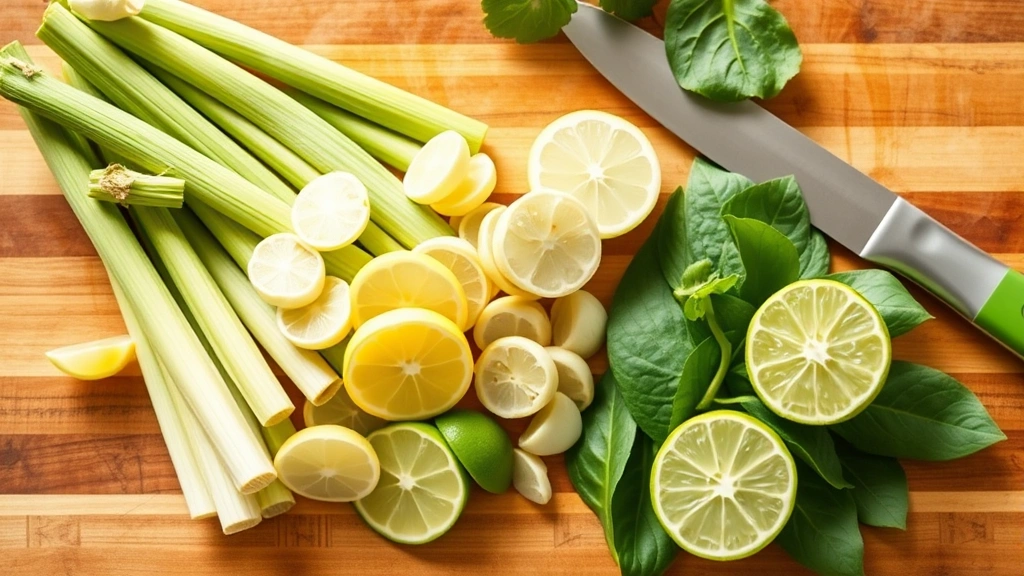
Primary Aromatics: Lemongrass forms the backbone of tom yum’s flavor profile. Use the lower white and light green portions, discarding tough outer layers. Fresh galangal (not ginger, though often substituted) provides a distinct peppery, slightly medicinal warmth. Kaffir lime leaves contribute bright, complex citrus notes that cannot be replicated by regular lime juice alone. These three ingredients create tom yum’s signature aromatic base.
Heat and Depth: Thai red or green chilies deliver appropriate heat levels. Bird’s eye chilies offer intense spiciness, while larger Thai chilies provide milder warmth. Fresh garlic and shallots add pungency and sweetness. Thai chilies offer different heat profiles than jalapeños, making them preferable though not always necessary.
Liquid Foundation: Quality chicken, vegetable, or seafood stock matters significantly. Homemade stock tastes superior to commercial versions, though good-quality store-bought options work adequately. The stock should be flavorful enough to support the aromatics without overpowering them.
Flavor Balancers: Fish sauce (nam pla) provides umami depth—this ingredient is non-negotiable in authentic tom yum. Lime juice adds bright acidity. Palm sugar or regular sugar balances the spiciness and sourness, creating the characteristic sweet undertone. These three ingredients work together to achieve tom yum’s famous flavor equilibrium.
Proteins and Additions: Traditional tom yum features shrimp (tom yum goong), chicken (tom yum gai), or mushrooms (tom yum het). Fresh mushrooms, particularly straw mushrooms if available, add earthiness. Tomatoes contribute subtle sweetness and body. Galangal slices, lemongrass pieces, and kaffir lime leaves remain in the finished soup, creating visual appeal and flavor bursts.
Preparing Your Aromatics
Proper preparation of aromatics determines your tom yum’s success. This step separates mediocre versions from exceptional ones.
Lemongrass Preparation: Select firm stalks with minimal browning. Remove the papery outer layers until you reach the tender white core. Slice the lower 6 inches into thin rounds, or crush whole pieces to release essential oils before adding to broth. The crushing method works beautifully if you prefer removing pieces before serving. Some Thai chefs bruise lemongrass gently with the side of a knife, breaking cell walls to release more flavor into the broth.
Galangal Processing: Slice galangal into thin coins, leaving skin intact. The skin contains flavor compounds that contribute to the final taste. Unlike ginger, which can be peeled, galangal benefits from remaining unpeeled. Cut pieces approximately 1/4-inch thick. If using dried galangal, soak it briefly in warm water before adding to the broth.
Kaffir Lime Leaf Treatment: Fresh kaffir lime leaves should be torn by hand rather than cut with knives, which can bruise delicate tissues and diminish flavor. Tearing releases aromatic compounds more gently than cutting. If using frozen leaves, thaw them slightly before tearing. Some cooks fold leaves in half before adding to create a visual element and prevent them from dispersing throughout the soup.
Chili Preparation: For milder heat, remove seeds and white membranes before slicing. For spicier results, keep seeds intact. Bruise whole chilies slightly to release oils without breaking them apart. This technique allows flavor release while keeping chilies mostly intact for visual presentation and easy removal.
Garlic and Shallot Treatment: Slice garlic thinly and shallots into rings or thin wedges. Some Thai recipes call for lightly smashing garlic cloves to increase surface area and flavor release. Add these toward the end of cooking to maintain their bright, fresh quality.
Step-by-Step Cooking Method
Follow this authentic method to create restaurant-quality tom yum at home:
- Heat the stock: Bring 4-6 cups of stock to a gentle boil in a large pot. Maintain medium-high heat to keep the broth at a consistent simmer.
- Add galangal: Add 3-4 slices of galangal and let them infuse for 2-3 minutes. This allows the stock to absorb galangal’s warming properties without overcooking the spice.
- Introduce lemongrass: Add 3-4 lemongrass stalks (bruised or sliced). Simmer for another 2 minutes, allowing aromatics to meld with the stock.
- Add kaffir lime leaves: Tear 4-6 kaffir lime leaves and add them. Let them infuse for 1 minute before proceeding.
- Include chilies: Add 2-3 bruised Thai chilies (adjust based on desired heat). Simmer for 1-2 minutes.
- Add protein: If using shrimp, add medium-sized shrimp now and cook until they turn pink (3-4 minutes). For chicken, add diced chicken breast or thigh and simmer 8-10 minutes until cooked through. For mushroom versions, add mushrooms now and cook 3-4 minutes.
- Add vegetables: Include cherry tomatoes (halved) and any other vegetables. Cook 2-3 minutes until tomatoes begin softening.
- Season carefully: Add 2-3 tablespoons fish sauce, starting with less and adjusting to taste. Add juice from 1-2 fresh limes. Add 1-2 teaspoons palm sugar or regular sugar. Taste and adjust each component individually rather than all at once.
- Final adjustment: Simmer the complete soup for 1-2 minutes to allow flavors to marry. The total cooking time should be 15-20 minutes from stock boiling to finished soup.
- Serve immediately: Ladle into bowls while steaming hot. Garnish with fresh cilantro, Thai basil if available, and thin lime slices.
The key to this method is layering flavors gradually rather than combining all ingredients simultaneously. This approach allows each aromatic to contribute distinctly to the final profile while preventing any single flavor from dominating.
For those interested in exploring other cuisines, understanding flavor layering applies to homemade dressing techniques and various cooking methods, including smoking techniques.
Protein Options and Variations
Tom yum’s versatility allows numerous protein and ingredient variations while maintaining authenticity:
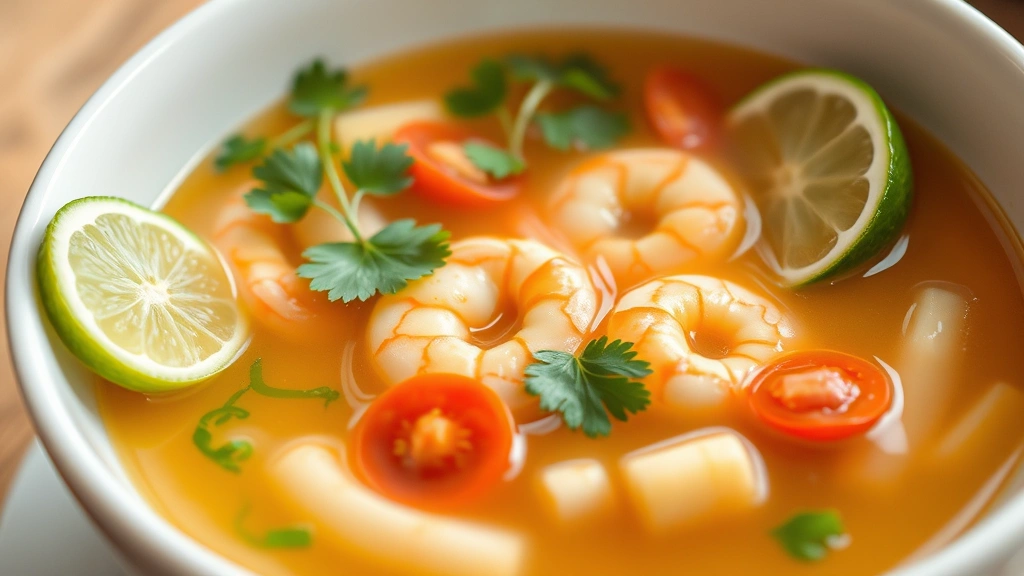
Shrimp Tom Yum (Tom Yum Goong): The most common version features medium to large shrimp. Add shrimp during the final 3-4 minutes of cooking to prevent overcooking and toughness. Shrimp releases natural sweetness into the broth, enhancing overall balance. This version works particularly well for dinner entertaining.
Chicken Tom Yum (Tom Yum Gai): Use boneless, skinless chicken breast cut into bite-sized pieces, or chicken thigh for richer flavor and more forgiving cooking. Thigh meat stays tender longer, making it ideal for home cooks. Simmer chicken for 8-10 minutes until completely cooked through. Some traditional recipes include chicken with bones for deeper broth flavor.
Mixed Seafood Version: Combine shrimp, squid, mussels, and white fish for complex seafood flavors. Add heartier proteins first (squid and mussels), then shrimp and delicate fish toward the end. This variation requires careful timing to prevent overcooking.
Vegetarian Tom Yum: Replace animal protein with tofu, additional mushrooms, or legumes. Use vegetable stock instead of chicken or seafood stock. Add tofu in the final 2-3 minutes to warm through without breaking apart. This version maintains authentic flavor while accommodating dietary preferences.
Tom Yum with Mixed Vegetables: Beyond tomatoes and mushrooms, add baby corn, snap peas, bell peppers, or carrots. Add harder vegetables earlier in cooking, tender vegetables toward the end. This approach creates heartier soup suitable for nutritious meal planning.
Achieving Perfect Flavor Balance
Tom yum’s defining characteristic is its flavor balance—the interplay between spicy, sour, salty, and sweet elements. Understanding how to achieve this balance transforms your cooking.
The Spice Element: Thai chilies provide heat that should be noticeable but not overwhelming. The spiciness should build gradually, allowing other flavors to shine through. If your tom yum tastes one-dimensionally hot, add more sour and salty components to balance it. Fresh chilies taste brighter than dried versions, contributing flavor beyond mere heat.
The Sour Component: Fresh lime juice provides essential brightness. Never use bottled lime juice, which lacks the vibrancy of fresh-squeezed. Add lime juice gradually, tasting as you go. The soup should feel bright and lifted, not acidic or harsh. Kaffir lime leaves contribute subtle sourness beyond the juice, creating complexity that regular limes cannot achieve alone.
The Salty Element: Fish sauce delivers umami alongside saltiness. This ingredient is crucial—without it, tom yum tastes incomplete and flat. Start with 2 tablespoons per 4-6 cups stock, adjusting upward. The soup should taste savory and rich, never fishy if properly balanced. Fish sauce acts as a flavor amplifier, making other ingredients taste more pronounced.
The Sweet Balance: Palm sugar or regular sugar provides subtle sweetness that prevents the soup from tasting purely hot and sour. Add 1-2 teaspoons initially, adjusting based on your protein choice. Shrimp naturally adds sweetness, so shrimp tom yum may need less added sugar. The sweetness should be barely perceptible, creating balance rather than making the soup taste dessert-like.
Achieving Harmony: Taste your tom yum at each stage. If it tastes too spicy, add more broth, lime juice, or sugar—not less chili. If too sour, add fish sauce or sugar. If too salty, add more broth or lime juice. This approach prevents overcompensating by removing ingredients. Professional Thai chefs taste constantly, making micro-adjustments throughout cooking.
This same attention to balance applies when preparing well-seasoned protein dishes or vegetable-based sides.
Common Mistakes to Avoid
Understanding what goes wrong helps you avoid pitfalls:
Using Dried Aromatics: Dried lemongrass, galangal, and kaffir lime leaves produce inferior results. The volatile oils that create tom yum’s signature aroma dissipate during drying. Fresh ingredients are non-negotiable for authentic flavor.
Overcooking Aromatics: Boiling lemongrass and galangal for extended periods makes them taste bitter and overpowering. The 2-3 minute infusion period is intentional—long enough to release flavors, short enough to prevent bitterness.
Skipping Fish Sauce: Some cooks omit fish sauce due to unfamiliarity or perceived strong smell. This eliminates the umami foundation that makes tom yum taste complete. Fish sauce smell dissipates during cooking, and its flavor contribution is essential.
Using Ginger Instead of Galangal: While ginger works as an emergency substitute, it creates a noticeably different soup. Ginger tastes warmer and more peppery than galangal’s subtle, slightly medicinal quality. If substituting, use less ginger than you would galangal.
Adding All Ingredients Simultaneously: Dumping everything into the pot at once prevents proper flavor development. Layering aromatics allows each to contribute distinctly while creating a complex overall profile.
Cooking Protein Too Long: Overcooked shrimp becomes rubbery, and overcooked chicken turns dry. Add proteins during the final cooking stages and monitor closely. This prevents texture degradation while ensuring food safety.
Neglecting to Taste and Adjust: Tom yum recipes provide guidelines, not absolutes. Your stock flavor, ingredient freshness, and personal preferences affect the final result. Constant tasting allows you to adjust toward your ideal balance.
Using Low-Quality Stock: Inferior stock creates inferior soup. Homemade stock or high-quality commercial versions make a significant difference. Investing in good stock pays dividends in the final product.
Forgetting About Texture: Authentic tom yum maintains distinct textures—tender proteins, intact aromatics, and crisp vegetables. Avoid overcooking vegetables until mushy. Serve with lime wedges and fresh herbs to add textural contrast.
Frequently Asked Questions
Can I make tom yum ahead of time?
Tom yum is best served immediately after cooking, while aromatics are still vibrant and proteins at peak texture. However, you can prepare the broth base hours ahead, storing it covered in the refrigerator. Reheat gently, then add fresh aromatics, lime juice, and proteins just before serving. This approach maintains flavor brightness while saving preparation time.
What’s the difference between tom yum and tom kha?
Tom yum is a clear, broth-based soup emphasizing spicy and sour notes with aromatic herbs. Tom kha is a creamy coconut soup with similar aromatics but creamier texture and more pronounced sweetness. Both share lemongrass and galangal but differ fundamentally in base ingredients and flavor profile.
Can I use bottled lemongrass paste?
While convenient, bottled paste doesn’t replicate fresh lemongrass’s brightness. If using paste, reduce the amount significantly—start with 1 teaspoon per 4-6 cups stock. The paste concentrates flavor and can easily overpower the soup. Fresh lemongrass produces superior results.
How do I store leftovers?
Store tom yum in airtight containers in the refrigerator for up to 3 days. The soup’s flavors actually develop slightly as it sits, though aromatics gradually lose their fresh quality. Reheat gently on the stovetop, adding fresh lime juice before serving to restore brightness. Freezing is possible but affects aromatic freshness and texture.
What if I can’t find kaffir lime leaves?
Kaffir lime leaves create distinctive flavor difficult to fully replicate. If unavailable, increase fresh lime juice slightly and add a small amount of lime zest. The soup will taste good but noticeably different. Frozen kaffir lime leaves work better than dried versions if you can source them.
Is tom yum spicy or can I make it mild?
Tom yum is traditionally spicy, but heat levels are adjustable. Use fewer chilies, remove seeds and membranes, or substitute milder chilies for less heat. The soup should still taste bright and aromatic even at reduced spice levels. Balance the remaining heat with adequate lime juice and fish sauce.
Can I make tom yum vegetarian?
Absolutely. Use vegetable stock, add tofu or extra mushrooms for protein, and proceed with the same aromatics and flavor-balancing technique. Vegetarian tom yum maintains authentic flavor while accommodating dietary preferences. Some cooks add a bit of soy sauce alongside fish sauce, though traditional vegetarian versions use only soy sauce.
What’s the best way to serve tom yum?
Serve in deep bowls while steaming hot. Accompany with jasmine rice on the side. Provide lime wedges, additional fresh chilies, and fish sauce for personal adjustment. Fresh cilantro and Thai basil garnish add aromatic brightness. Some diners prefer breaking rice into the soup, others eat it alongside.


