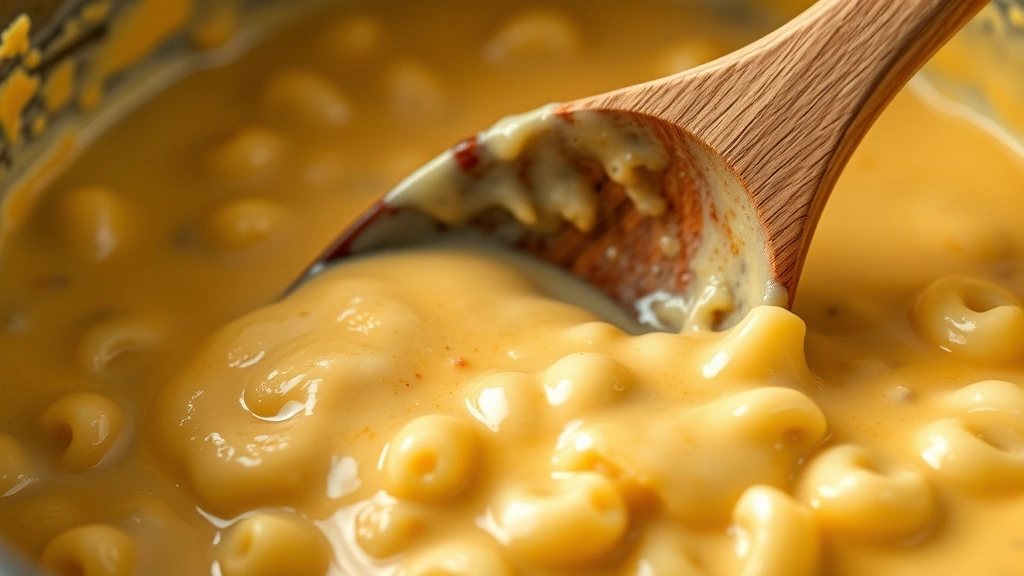
Velveeta Mac & Cheese? Grandma’s Secret Recipe for Creamy Comfort
There’s something magical about a steaming bowl of mac and cheese that takes you straight back to your grandmother’s kitchen. While Velveeta has been a pantry staple for generations, the real secret to unforgettable mac and cheese lies in understanding how to elevate this humble ingredient into something truly spectacular. This isn’t about abandoning the convenience of processed cheese—it’s about transforming it into a dish that tastes like pure nostalgia and love.
Grandma’s secret wasn’t always about fancy artisanal cheeses or complicated techniques. Often, it was about knowing exactly when to use Velveeta, how to combine it with other ingredients, and what tricks would make the sauce creamier, richer, and more satisfying than anyone expected. Whether you’re feeding a family of picky eaters or impressing guests at a dinner party, this guide will reveal the techniques that made grandmother’s mac and cheese legendary.
Why Velveeta Works in Mac and Cheese
Before we dismiss Velveeta as inferior, let’s understand why it became America’s beloved mac and cheese ingredient. Velveeta isn’t actually cheese—it’s a processed cheese product that contains emulsifiers, which are the secret weapons that make sauces impossibly smooth and creamy. These emulsifiers prevent the sauce from breaking when heated, a problem that can occur with sharp cheddar or other natural cheeses.
Grandma understood this instinctively, even if she didn’t know the science behind it. When she added Velveeta to her mac and cheese, she knew it would deliver a silky texture that natural cheese alone couldn’t achieve. The key is not to use Velveeta exclusively, but to combine it with other quality ingredients that add depth, richness, and authentic cheese flavor. This hybrid approach gives you the best of both worlds: the foolproof creaminess of Velveeta with the complex taste of real cheese.
The beauty of this ingredient is its reliability. Velveeta melts at a lower temperature than most cheeses, meaning you won’t accidentally create a grainy, broken sauce. It also has a mild flavor that serves as a perfect canvas for layering in additional cheese varieties and seasonings. When you understand these properties, you’re not compromising on quality—you’re making a smart, strategic choice.
The Foundation: Choosing Your Pasta
Many home cooks overlook the pasta selection, but Grandma knew this was crucial. The shape and texture of your pasta directly affect how the sauce clings and coats each piece. For mac and cheese, you want pasta with enough surface area and texture to hold the creamy sauce.
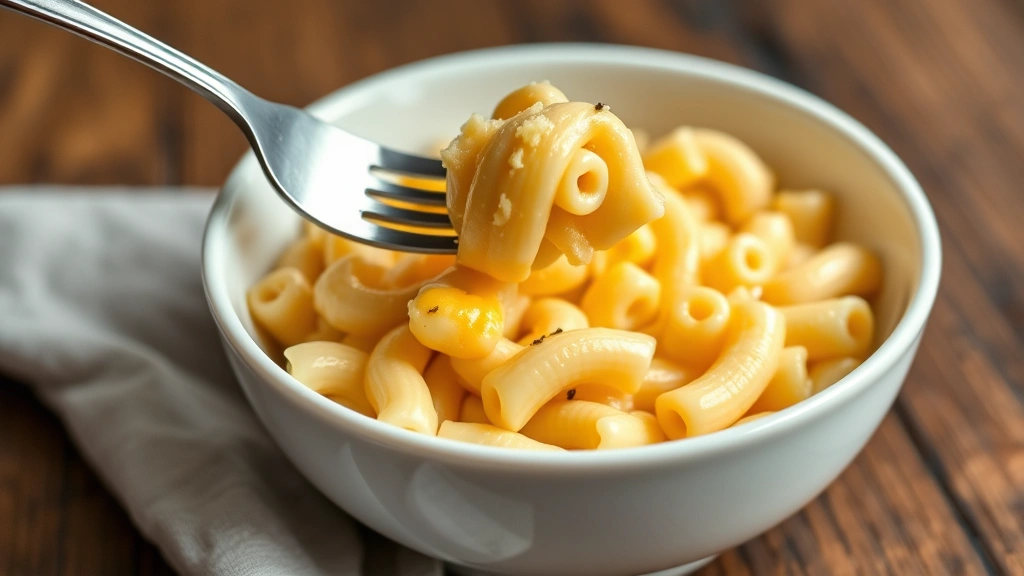
Elbow macaroni remains the classic choice for good reason. Its small, curved shape creates pockets where sauce can nestle, and it cooks predictably. However, Grandma might have experimented with other shapes depending on what she had on hand. Small shells, ditalini, or even cavatappi work beautifully. The key is selecting a pasta shape with ridges or curves rather than smooth tubes.
Cook your pasta one minute under the package’s recommended time—you want it al dente, not soft. This is critical because the pasta will continue cooking slightly when combined with the hot sauce. Overcooked pasta becomes mushy and won’t provide the pleasant textural contrast that makes mac and cheese satisfying.
Always reserve at least one cup of pasta water before draining. This starchy liquid is liquid gold for adjusting your sauce consistency. If your sauce becomes too thick after mixing with the pasta, a splash of pasta water will loosen it to the perfect creamy consistency without diluting the cheese flavor.
Grandma’s Secret Sauce Technique
This is where the magic happens. Grandma’s secret wasn’t a single ingredient—it was a method that ensured a smooth, luxurious sauce every single time. Here’s the step-by-step process that transforms simple ingredients into something extraordinary.
The Roux Foundation: Start by melting butter in a large saucepan over medium heat. Once melted, whisk in all-purpose flour to create a roux. This mixture thickens your sauce and provides structure. Use equal parts butter and flour—typically 4 tablespoons of each for a standard batch. Whisk continuously for 2-3 minutes, cooking out the raw flour taste without browning the roux.
The Milk Addition: Slowly add whole milk while whisking constantly. This prevents lumps from forming. You’ll need about 3 cups of milk for a standard recipe. Add it gradually, whisking after each addition until smooth. The roux will absorb the milk and thicken naturally. This is where Grandma’s patience paid off—rushing this step or not whisking enough creates lumpy sauce.
The Velveeta Integration: Cut 16 ounces of Velveeta into small cubes and add them to your sauce once it’s thickened and smooth. The smaller pieces melt faster and more evenly. Stir constantly until completely melted and incorporated. This takes about 3-4 minutes. The sauce should be smooth, glossy, and coat the back of a spoon.
Seasoning Strategy: Add salt, black pepper, and a pinch of cayenne pepper. These seasonings enhance the cheese flavor rather than overpower it. Grandma often added a small amount of dry mustard powder—just 1/4 teaspoon—which amplifies cheese flavor without making the dish taste spicy. This is her secret weapon that makes people ask, “What’s in this?”
Explore quick and easy pasta recipes for more inspiration on complementary dishes.
The Creamy Elevation Method
Once your basic sauce is complete, this is where Grandma would elevate it from good to unforgettable. While some recipes stop at Velveeta, the best versions add complementary cheeses that deepen flavor and create complexity.
The Secondary Cheese Layer: Stir in 2 cups of shredded sharp cheddar cheese. The sharpness provides flavor depth that Velveeta alone cannot deliver. Some grandmothers added a small amount of gruyere or smoked gouda—whatever quality cheese was available or on sale that week. The Velveeta keeps the sauce smooth and creamy while the sharp cheddar adds character and taste.
Cream and Richness: Add 1/2 cup of heavy cream to your sauce. This creates an incredibly luxurious texture and adds richness that elevates the dish significantly. If you’re concerned about calories, you can use half-and-half, though the result won’t be quite as decadent. Stir this in after the cheeses have fully melted and incorporated.
The Butter Finish: Just before combining with pasta, whisk in 2 tablespoons of cold butter. This technique, called “mounting,” creates an extra silky mouthfeel and adds a subtle richness that guests will notice without being able to identify it. The cold butter melts into the hot sauce, creating tiny emulsified droplets that make the sauce feel more luxurious.
Combine your perfectly cooked pasta with the sauce, using reserved pasta water to achieve your desired consistency. The sauce should coat every piece of pasta but shouldn’t be soupy. You’re aiming for creamy, not swimming-in-sauce.
Baking vs. Stovetop: What Grandma Knew
Grandma had strong opinions about whether mac and cheese should be baked, and rightfully so. Both methods have merit, and understanding when to use each is part of her wisdom.
The Stovetop Method: This is the fastest approach and what Grandma made on weeknights. The entire process takes about 20 minutes from start to finish. You combine cooked pasta directly with the hot cheese sauce, and it’s ready to eat immediately. The texture is creamy and soft, perfect for families with young children or anyone craving immediate comfort. The downside is that stovetop mac and cheese doesn’t develop the crispy, golden top layer that some people love.
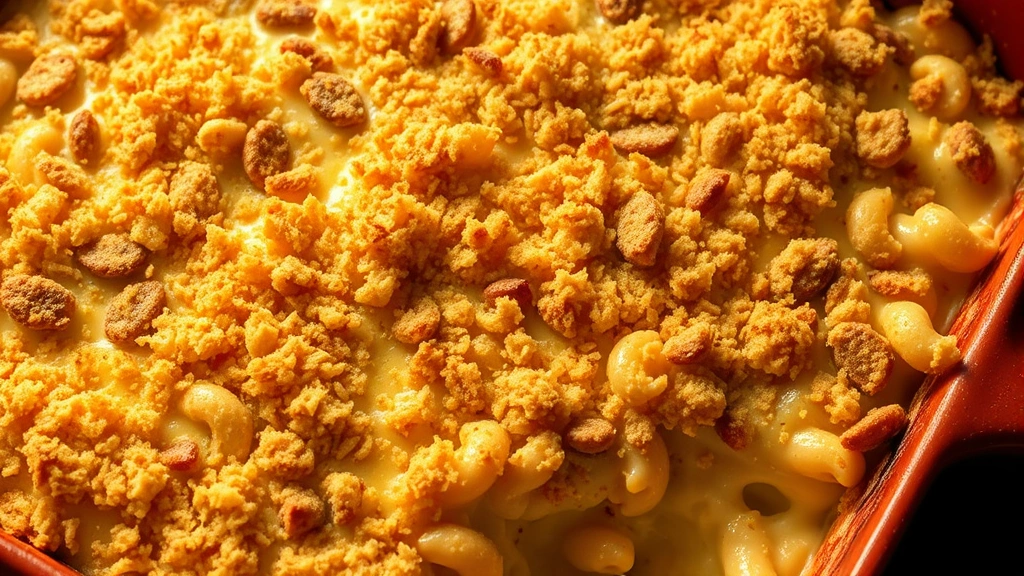
The Baked Method: When Grandma had time and wanted to impress, she’d transfer her mac and cheese to a buttered baking dish and bake it at 350°F for 25-30 minutes. Sometimes she’d top it with breadcrumb mixture—panko mixed with melted butter and a touch of paprika—creating a textural contrast between creamy inside and crispy top. Baking allows the flavors to meld more completely and creates a slightly firmer, more structured dish that cuts into neat portions.
For healthy crockpot recipes, you can even make a slow-cooker version by combining all ingredients in your crockpot on low for 2-3 hours, stirring occasionally.
The Hybrid Approach: Grandma’s ultimate technique combined both methods. She’d make the dish on the stovetop, then transfer it to a baking dish with a breadcrumb topping and bake for just 15 minutes until the top was golden and crispy while the interior remained creamy. This gave the best of both worlds.
Flavor Boosters and Additions
While classic mac and cheese is perfect as-is, Grandma understood that subtle additions could transform the dish without making it unrecognizable. These are her favorite flavor boosters that guests would notice but couldn’t quite identify.
Spice and Heat: A pinch of smoked paprika, cayenne pepper, or white pepper adds depth without obvious heat. Some grandmothers added a dash of hot sauce or a small amount of Old Bay seasoning, which is traditional in certain regions. These seasonings should be barely noticeable—just enough to make people say, “Something’s different about this. It’s delicious.”
Umami Layers: A small amount of Worcestershire sauce (about 1/2 teaspoon) or soy sauce adds savory depth without identifiable flavor. Some grandmothers added a pinch of garlic powder or onion powder, which enhances cheese flavor. These ingredients work on a subconscious level, making the dish taste richer and more complex.
Texture Additions: Crispy bacon pieces, caramelized onions, or sautéed mushrooms add textural contrast and flavor complexity. If adding these, fold them in just before serving or top the dish with them after baking. They add sophistication without overwhelming the cheese flavor that should remain the star.
Breadcrumb Topping: If baking, combine 1 cup panko breadcrumbs with 4 tablespoons melted butter, 1/4 cup grated Parmesan, and a pinch of salt. Spread this over your mac and cheese before baking. It creates a golden, crispy layer that provides textural contrast to the creamy pasta underneath.
Looking for high protein recipes for weight loss options? You can increase the protein content by adding cooked ground turkey or chicken to your mac and cheese.
Storage and Reheating Tips
Grandma knew that great mac and cheese doesn’t have to be eaten immediately. Properly stored and reheated, it remains delicious for days.
Refrigerator Storage: Transfer cooled mac and cheese to an airtight container and refrigerate for up to 4 days. The sauce will thicken slightly as it cools, which is normal. When reheating, add a splash of milk to restore the creamy consistency.
Freezing for Later: Mac and cheese freezes well for up to 3 months. Freeze in individual portions in freezer bags or containers for easy reheating. Thaw overnight in the refrigerator before reheating, or reheat directly from frozen on the stovetop with added milk.
Reheating on the Stovetop: This is the best method for maintaining creamy texture. Place mac and cheese in a saucepan over medium-low heat, stirring frequently and adding milk or cream as needed to reach desired consistency. This takes about 10 minutes for refrigerated portions, 15-20 for frozen.
Oven Reheating: Transfer to a buttered baking dish, cover with foil, and bake at 325°F for 20-25 minutes, stirring halfway through. Add milk before baking if the mixture seems too thick. This method works well for larger quantities.
Microwave Method: While not ideal, you can microwave individual portions in a microwave-safe bowl, stirring every 30 seconds and adding milk as needed. This takes 2-3 minutes. The texture won’t be quite as creamy as stovetop reheating, but it’s convenient for quick lunches.
Check out Fresh Plate Daily Blog for more comfort food inspiration and family-friendly recipes.
FAQ
Can I make this recipe without Velveeta?
Yes, though you’ll need to adjust your technique. Use 3 cups of shredded sharp cheddar and 1 cup of gruyere instead. You may need to add a small amount of cornstarch (about 1 tablespoon mixed with 2 tablespoons milk) to prevent the sauce from breaking. The result will be slightly less smooth but still delicious. Velveeta’s emulsifiers make the process foolproof, which is why Grandma valued it.
Why is my mac and cheese sauce grainy?
Grainy sauce usually results from overheating natural cheese or not whisking the roux properly. If using all natural cheeses, keep heat at medium and stir constantly. Using some Velveeta prevents this problem. If your sauce breaks, remove from heat and whisk in a tablespoon of cold milk or cream, which often restores smoothness.
Can I use evaporated milk instead of regular milk?
Evaporated milk works well and creates an even richer sauce. Use about 2 cups evaporated milk plus 1 cup regular milk for the best results. Evaporated milk has a slightly caramelized flavor that some people love in mac and cheese.
What’s the best way to prevent the top from burning if I’m baking?
Cover with foil for the first 20 minutes of baking, then remove to allow the breadcrumb topping to brown. Alternatively, bake at 325°F instead of 350°F and add 5-10 minutes to the baking time. This slower cooking prevents burning while allowing the top to develop color.
Is this recipe suitable for a slow cooker?
Yes! Make the sauce on the stovetop, then transfer to a slow cooker on low for 2-3 hours, stirring occasionally. Add cooked pasta during the last 30 minutes to prevent it from becoming mushy. This method works beautifully for potlucks and feeding large groups.
Can I add vegetables to this recipe?
Absolutely. Steamed broccoli, roasted cauliflower, or sautéed spinach all work well. Add vegetables after combining pasta with sauce so they don’t overcook. Use about 2 cups of chopped vegetables for a standard batch. This increases nutrition and adds textural variety without overwhelming the cheese flavor.
What’s the difference between Velveeta and other processed cheese products?
Velveeta is the most well-known processed cheese product, but there are others. The key characteristic is the presence of emulsifiers that prevent sauce from breaking. Other brands work similarly, though Velveeta remains the most reliable and widely available. For best results in mac and cheese, stick with Velveeta or American cheese from the deli counter, which has similar properties.


