Beef Bone Broth Recipe: Nutritionist Approved Guide to Homemade Collagen-Rich Broth
Beef bone broth has become a cornerstone of health-conscious cooking, celebrated by nutritionists and wellness experts for its remarkable nutritional profile. Unlike store-bought broths loaded with sodium and additives, homemade beef bone broth recipe variations allow you to control every ingredient while extracting maximum collagen, gelatin, and minerals from quality bones. This ancient cooking technique transforms humble beef bones into liquid gold—a versatile foundation that elevates soups, sauces, and even your morning wellness routine.
The process of making beef bone broth is surprisingly straightforward, requiring minimal active time but generous patience as the bones slowly release their nutrients into simmering water. Whether you’re following a keto lifestyle or simply seeking to improve your gut health and joint support, this beef bone broth recipe delivers results that justify the wait. The rich, golden liquid you’ll create contains bioavailable amino acids, minerals like calcium and magnesium, and natural gelatin that supports skin elasticity and digestive health.
Why Make Beef Bone Broth at Home
Commercial broths often contain hidden sugars, excessive sodium, and questionable additives that diminish their nutritional value. When you prepare a beef bone broth recipe in your own kitchen, you guarantee purity and potency. The slow simmering process breaks down collagen into gelatin and releases amino acids like glycine and proline—compounds that support joint integrity, skin health, and immune function.
Homemade beef bone broth becomes a kitchen staple that enhances countless dishes. Use it as the base for cream of chicken recipes, enrich traditional gravies, or sip it warm as a healing tonic. The investment of time yields dividends in both flavor complexity and nutritional density—something no boxed broth can replicate.
Nutritionists consistently recommend bone broth for its collagen content, which may improve skin texture, strengthen hair and nails, and support connective tissues throughout the body. The natural gelatin provides glycine, an amino acid that promotes better sleep quality and cognitive function. Additionally, the minerals extracted from bones during the long simmer—including calcium, phosphorus, and magnesium—become easily absorbable in broth form.
Essential Ingredients and Equipment
Ingredients for Beef Bone Broth Recipe:
- 2-3 pounds beef bones (knuckle, marrow, or soup bones)
- 1 large onion, halved
- 3-4 large carrots, cut into chunks
- 3-4 celery stalks, cut into chunks
- 2 tablespoons raw apple cider vinegar
- 8-10 quarts filtered water
- Sea salt to taste
- 1 teaspoon black peppercorns
- 3-4 fresh thyme sprigs (optional)
- 2 bay leaves (optional)
- 1-inch piece fresh ginger, smashed (optional)
Equipment You’ll Need:
- Large stainless steel pot (12-quart capacity recommended)
- Fine mesh strainer or cheesecloth
- Slotted spoon for skimming
- Glass storage containers or ice cube trays
- Slow cooker or Instant Pot (optional but convenient)
- Thermometer for monitoring temperature
The quality of your bones significantly impacts your beef bone broth recipe outcome. Source bones from grass-fed, pasture-raised cattle when possible. Ask your butcher for knuckle bones, marrow bones, and meaty soup bones—a combination provides both collagen and flavor compounds. Many butchers offer these at modest prices or even free when you purchase other cuts.
Step-by-Step Beef Bone Broth Recipe
Step 1: Prepare Your Bones
Rinse your beef bones thoroughly under cold water to remove any debris or bone fragments. If you prefer a clearer broth with less fat, blanch the bones by placing them in boiling water for 5 minutes, then drain and rinse. This optional step removes impurities and blood solids that can cloud your final broth. Pat the bones dry before proceeding.
Step 2: Char the Bones and Vegetables
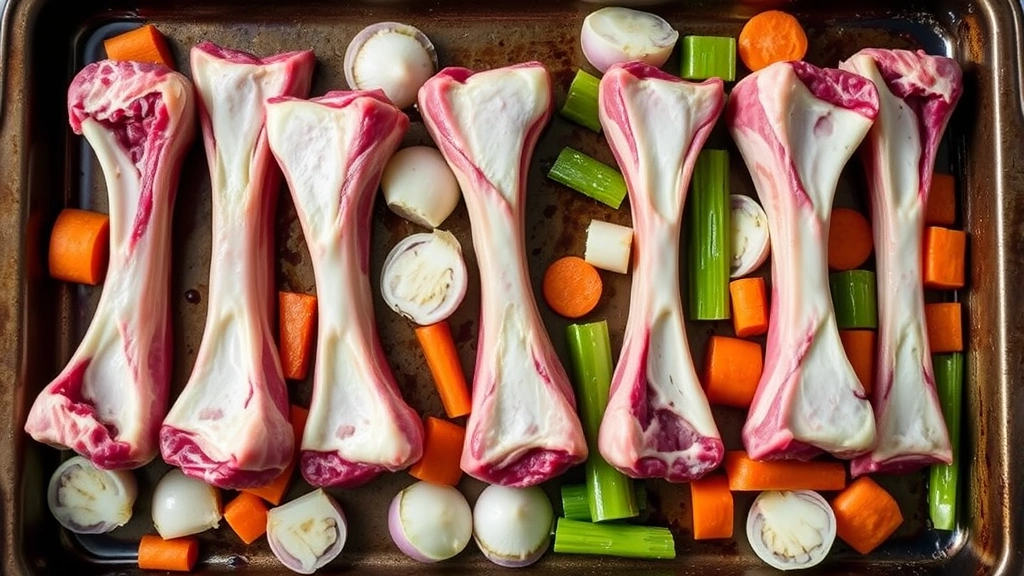
Preheat your oven to 400°F. Arrange bones on a large baking sheet and roast for 30-40 minutes until deeply browned but not blackened. During the last 15 minutes, add your halved onion (skin on), carrot chunks, and celery chunks to the pan. The caramelization creates deep, savory flavors that distinguish homemade beef bone broth recipe from pale versions. The charred vegetables develop complex sweetness that balances the rich bone flavors.
Step 3: Transfer to Your Cooking Vessel
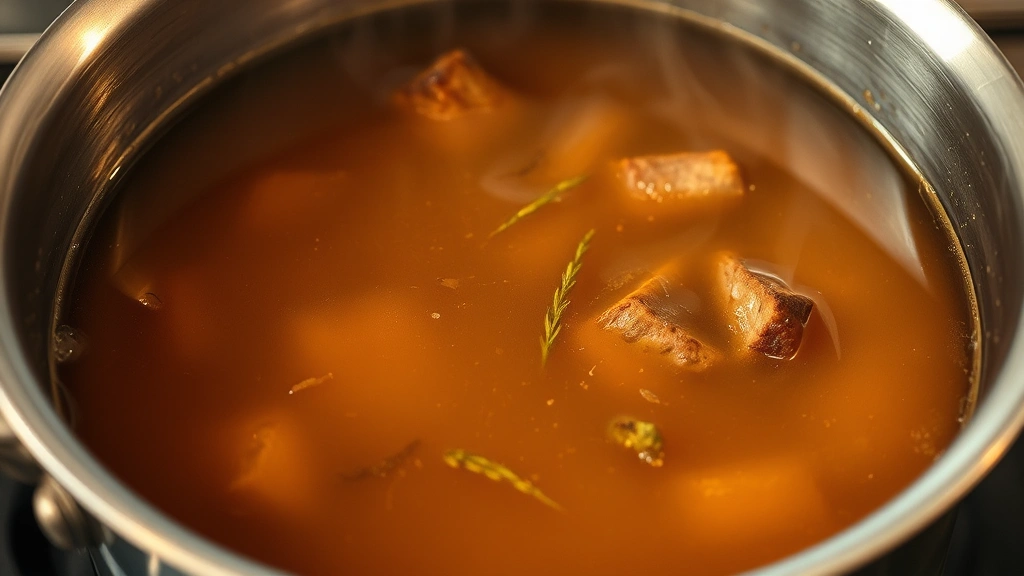
Place roasted bones and vegetables into your large pot. Pour in your filtered water—enough to cover the bones by 2 inches. Add the apple cider vinegar, which helps extract minerals from the bones through gentle acidification. Bring the liquid to a boil, then immediately reduce to the lowest possible simmer.
Step 4: Skim and Season
During the first 30 minutes of simmering, use a slotted spoon to remove the gray foam and impurities that rise to the surface. This skimming step clarifies your broth considerably. After skimming, add your peppercorns, bay leaves, and thyme sprigs. Season lightly with sea salt, keeping in mind you can adjust seasoning at the end.
Step 5: Maintain Your Simmer
Your beef bone broth recipe requires patience—the bones need 24-48 hours of gentle simmering to fully release their nutritional compounds. Maintain a bare simmer where only occasional bubbles break the surface. Too vigorous a boil clouds the broth and causes excessive evaporation. Check periodically and add filtered water if the level drops significantly below the bones.
Step 6: Strain and Cool
After your desired cooking time, carefully pour the broth through a fine mesh strainer lined with cheesecloth into another large pot. Discard the solids. Allow the strained broth to cool to room temperature, then refrigerate overnight. The fat will solidify on top, creating a protective seal. You can remove this fat layer for a lighter broth or keep it for added richness and flavor.
Cooking Times and Temperature Control
The duration of your beef bone broth recipe dramatically affects its nutritional yield and flavor profile. Here’s what different timeframes achieve:
- 12-Hour Broth: Quick version suitable for weeknight cooking. Extracts basic minerals and some collagen. Best for immediate use in soups.
- 24-Hour Broth: The sweet spot for most home cooks. Achieves excellent gelatin extraction and mineral content. Gelatin should set when cooled.
- 36-48 Hour Broth: Maximum nutritional extraction. Creates deeply flavorful, gelatinous broth with optimal amino acid profiles. Recommended for therapeutic purposes.
Temperature matters equally. Maintain your beef bone broth recipe at 180-190°F—hot enough to extract nutrients but cool enough to preserve heat-sensitive amino acids. If using an Instant Pot, the high-pressure setting at 120°F for 2 hours can approximate 24-hour stovetop results, though purists argue the longer method develops superior flavor.
Monitor your broth regularly. If it reduces by more than one-third, add filtered water to maintain proper bone coverage. Excessive reduction concentrates minerals but can create an overly intense, sometimes harsh flavor.
Nutritional Benefits Explained
A properly made beef bone broth recipe delivers remarkable nutritional density. One cup of quality homemade broth contains:
- Collagen and Gelatin: Breaks down into amino acids glycine, proline, and hydroxyproline—the building blocks for skin elasticity and joint cartilage
- Minerals: Calcium, magnesium, phosphorus, and potassium in highly bioavailable forms
- Amino Acids: Glutamine supports gut lining integrity; glycine promotes deep sleep and cognitive function
- Hyaluronic Acid: Naturally present in bone tissue, supports skin hydration
- Chondroitin and Glucosamine: Extracted from cartilage, support joint health and mobility
Unlike isolated supplements, these compounds arrive in whole-food form, allowing your digestive system to recognize and utilize them efficiently. Nutritionists emphasize that the synergistic effect of multiple nutrients working together surpasses the benefit of individual compounds.
Research from Harvard’s School of Public Health confirms that bone broth consumption may support joint health and reduce inflammation markers. The gelatin in properly made beef bone broth recipe has shown promise in studies examining gut barrier function and intestinal permeability.
Storage and Usage Tips
Refrigerator Storage:
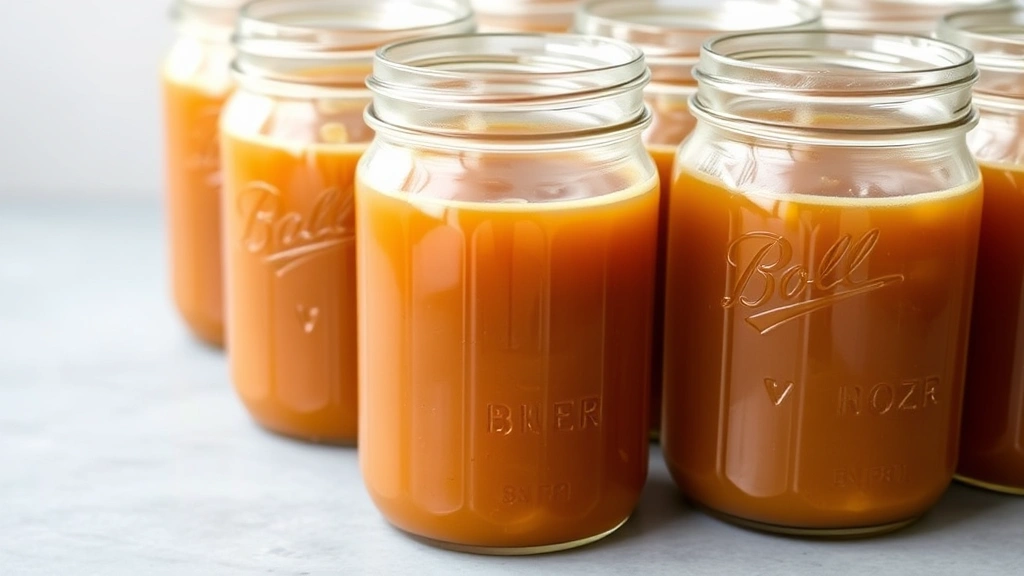
Your finished beef bone broth recipe keeps refrigerated for up to 5 days in airtight glass containers. The solidified fat layer on top acts as a natural seal, protecting the broth beneath from oxidation and spoilage.
Freezer Storage:
For long-term storage, freeze your broth in ice cube trays for convenient portion control. Once frozen solid, transfer cubes to freezer bags and store for up to 3 months. Alternatively, freeze in quart containers for soups and sauces. Thaw overnight in the refrigerator before use.
Usage Ideas:
- Base for soups paired with chicken and gravy recipe applications
- Morning wellness shot: heat 8 ounces with lemon juice and sea salt
- Foundation for cream of chicken recipes and rich sauces
- Cooking liquid for grains like rice and quinoa
- Base for aspic and culinary gels
- Pet food supplement for dogs and cats
Flavor Variations and Additions
Classic Beef Broth with Herbs:
Follow the beef bone broth recipe as written but add 4-5 fresh rosemary sprigs during the simmer. Rosemary adds earthy complexity and provides antioxidant compounds. This variation pairs beautifully with remoulade sauce recipe applications and enriched gravies.
Asian-Inspired Beef Bone Broth:
Substitute half the water with beef stock, add a 3-inch piece of kombu (kelp), 4-5 dried shiitake mushrooms, a 2-inch piece of ginger, 3-4 dried red chilies, and 2 star anise. Simmer for 24 hours. This variation delivers umami depth and anti-inflammatory benefits from the mushrooms and ginger.
Medicinal Beef Bone Broth:
For therapeutic purposes, add astragalus root, reishi mushrooms, and goji berries during the final 6 hours of your beef bone broth recipe. These traditional Chinese medicine ingredients enhance immune support and energy levels. Consult an herbalist for proper proportions.
Garlic and Black Garlic Version:
Add 8-10 whole garlic cloves and 4-5 black garlic cloves during the simmer. Black garlic provides fermented probiotics and deeper umami flavors without the harshness of fresh garlic. This variation supports cardiovascular health and adds complexity to soups.
Spiced Beef Broth for Wellness:
Include 1 teaspoon turmeric powder, 1 cinnamon stick, 4-5 cloves, and 1 teaspoon coriander seeds. These warming spices provide curcumin and other polyphenols with strong anti-inflammatory properties. Perfect for sipping as a healing tonic or using as a base for wellness drinks.
Each variation of your beef bone broth recipe maintains the core nutritional benefits while expanding flavor possibilities and therapeutic applications. Experiment to discover your preferred version.
FAQ
How do I know if my beef bone broth recipe is done?
Your broth is ready when it’s deeply golden or amber colored and gels when cooled. The bones should crumble easily when pressed. If your broth doesn’t gel, continue simmering for additional hours—gelatin extraction requires sufficient time. A properly made beef bone broth recipe should set like jello when refrigerated.
Can I use a slow cooker or Instant Pot for this beef bone broth recipe?
Yes. Slow cookers work beautifully—set to low for 24-48 hours. Instant Pots require 2-3 hours under high pressure, though some argue this doesn’t fully develop flavor. Stovetop remains the traditional method for optimal results, but modern appliances provide convenient alternatives that still yield nutritious broth.
Why is my beef bone broth recipe cloudy instead of clear?
Cloudiness indicates incomplete skimming or too vigorous simmering. For your next batch, skim more thoroughly during the first hour and maintain a bare simmer. You can clarify cloudy broth by straining through several layers of cheesecloth or using egg white clarification, though the cloudiness doesn’t affect nutritional value.
Should I remove the fat from my beef bone broth recipe?
The fat layer provides flavor and contains fat-soluble vitamins. Keep it for maximum nutrition and taste, or remove it for a lighter broth suitable for certain diets. The choice depends on your dietary preferences and intended use.
What bones produce the best beef bone broth recipe?
Knuckle bones provide excellent gelatin, marrow bones deliver richness, and meaty soup bones add flavor. A combination of all three creates the most complex, nutritious beef bone broth recipe. Avoid very large leg bones, which require extended cooking times without proportional benefit.
Can I make beef bone broth recipe with roasted bones from a previous meal?
Absolutely. Leftover roasted beef bones create wonderful broth, though you’ll lose the advantage of charring fresh bones. This recycling approach maximizes value from your ingredients while reducing waste—a perfect solution for sustainability-minded cooks.
How often should I consume beef bone broth recipe for health benefits?
Daily consumption of 8-16 ounces provides cumulative benefits for joint health, skin quality, and digestive function. Many practitioners recommend consistent use over 30-90 days to notice visible improvements. However, even occasional consumption contributes nutritional value—consistency matters more than massive quantities.
Is my beef bone broth recipe safe if left unrefrigerated overnight?
No. Refrigerate within 2 hours of reaching room temperature. The nutrient-rich broth provides an ideal environment for bacterial growth if left at room temperature. Always store in airtight containers and consume within 5 days or freeze for longer storage.
Can I use this beef bone broth recipe as a base for other dishes like easy homemade bread recipes?
While bread doesn’t traditionally use bone broth, you can incorporate it into savory bread recipes for added nutrition. More commonly, use your beef bone broth recipe as a base for savory pies, pot pies, and enriched gravies that complement fresh-baked bread.
Does beef bone broth recipe contain collagen even after cooking?
The heat converts collagen into gelatin—a more bioavailable form your body can easily digest and utilize. This transformation is actually beneficial, as gelatin is more readily absorbed than intact collagen. Your beef bone broth recipe delivers collagen’s nutritional benefits in their most usable form.
Can I add vegetables during cooking or should they be strained out?
Vegetables should be strained out after cooking—they’ve released their flavors into the broth and become nutrient-depleted. However, you can reserve some softened vegetables for immediate consumption in soups, or compost them. Fresh vegetables added to finished broth provide better texture and fresher flavor.
How does homemade beef bone broth recipe compare nutritionally to store-bought versions?
Homemade versions dramatically outperform commercial broths. You control cooking time (allowing maximum nutrient extraction), eliminate additives and excess sodium, and ensure bone quality. Homemade beef bone broth recipe typically contains 5-10 times more gelatin and collagen than store-bought alternatives. The nutritional difference justifies the time investment.
Explore resources from Nourished Kitchen for additional traditional cooking wisdom, and consult Eat This Not That for nutritional comparisons. For science-backed information on bone broth benefits, reference PubMed’s research database and Healthline’s nutritional articles. These authoritative sources provide evidence-based perspectives on bone broth’s role in modern nutrition.


