Ultimate Medicine Ball Recipe! Fitness Expert Approved
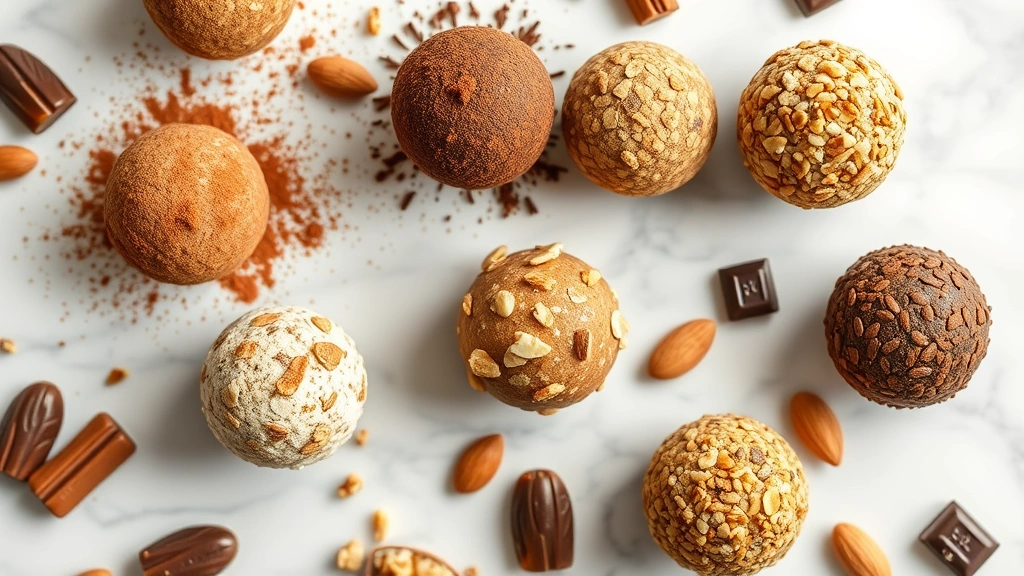
Medicine balls have become a staple in fitness communities worldwide, but did you know that the nutritional powerhouse version of this treat is equally impressive in the kitchen? The medicine ball recipe combines wholesome ingredients, natural energy boosters, and protein-packed components to create bite-sized nutrition bombs that fuel your body and satisfy your cravings. Whether you’re an athlete, fitness enthusiast, or simply someone looking for a healthier snack option, this recipe delivers results without compromise.
What makes medicine balls truly special is their versatility and nutrient density. Unlike typical candy or processed snacks, homemade medicine balls contain real superfoods—nuts, seeds, dried fruits, and protein-rich ingredients—that provide sustained energy, support muscle recovery, and keep you satisfied between meals. Fitness experts consistently recommend these treats because they align perfectly with clean eating principles while tasting indulgent and delicious.
What Are Medicine Balls in Nutrition?
Medicine balls in the culinary world represent bite-sized energy balls packed with concentrated nutrition. The term draws inspiration from their role in supporting athletic performance and overall wellness—much like actual medicine balls used in fitness training. These no-bake treats combine whole food ingredients into portable, convenient snacks that deliver impressive nutritional profiles.
The beauty of medicine balls lies in their simplicity and effectiveness. Unlike protein ball recipes that sometimes rely on artificial additives, authentic medicine balls emphasize clean ingredients. They typically contain a base of nuts or seeds, a binding agent like nut butter, sweeteners such as dates or honey, and flavor-boosting ingredients including cocoa powder, vanilla, or spices.
Fitness professionals recommend medicine balls because they offer the perfect post-workout snack or pre-training energy boost. They’re portable, require no preparation before eating, and provide balanced macronutrients that support muscle recovery and sustained energy release. Whether you’re heading to the gym, packing for work, or need a quick snack between meals, these little powerhouses deliver results.
Essential Ingredients and Their Benefits
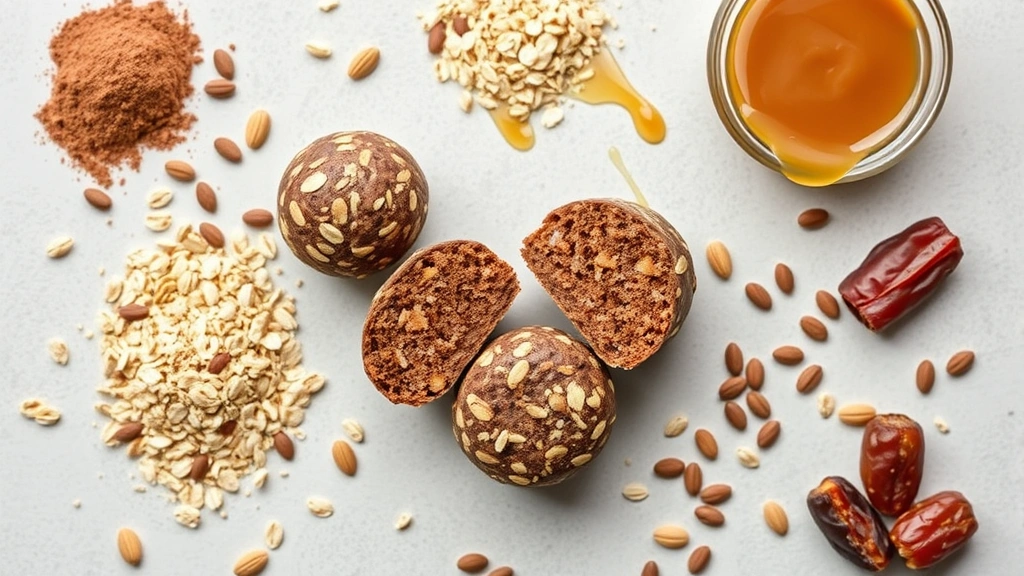
Creating the ultimate medicine ball recipe starts with understanding your ingredient foundation. Each component serves a specific nutritional purpose while contributing to taste and texture.
Almond Butter or Peanut Butter Base: These nut butters provide healthy fats, protein, and a creamy binding texture that holds everything together. Almond butter offers slightly more vitamin E and minerals, while peanut butter delivers more protein per serving. Choose natural varieties without added sugars or oils for maximum nutritional benefit.
Rolled Oats: Oats add fiber, complex carbohydrates, and structural integrity to your medicine balls. They provide sustained energy release and support digestive health. Steel-cut oats offer more texture, while rolled oats create smoother, more uniform balls.
Unsweetened Cocoa Powder: This ingredient delivers antioxidants, minerals like iron and magnesium, and rich chocolate flavor without added sugar. Cocoa powder supports heart health and provides mood-boosting compounds.
Raw Honey or Maple Syrup: Natural sweeteners bind ingredients while providing quick energy. Honey includes enzymes and antimicrobial properties, while maple syrup offers minerals like manganese and zinc.
Dates or Dried Fruit: These natural sweeteners add chewy texture and fiber while providing concentrated nutrition. Dates contain potassium and magnesium, supporting muscle function and recovery.
Seeds and Nuts: Chia seeds, flax seeds, sunflower seeds, and chopped nuts add crunch, healthy fats, omega-3 fatty acids, and additional protein. They increase satiety and provide micronutrients essential for athletic performance.
Vanilla Extract and Sea Salt: These flavor enhancers amplify taste without adding calories. Salt balances sweetness and enhances nutrient absorption.
For additional protein, consider adding fudgy textures with protein powder or unflavored collagen peptides. These additions support muscle synthesis and recovery, making your medicine balls even more fitness-focused.
Step-by-Step Preparation Guide
Creating medicine balls is straightforward and requires no baking or special equipment. Follow this detailed process for consistent, delicious results.
Step 1: Gather and Measure Ingredients
Assemble your ingredients before starting. You’ll need approximately 1 cup almond butter, 1.5 cups rolled oats, ½ cup unsweetened cocoa powder, ½ cup honey, ½ cup chopped dates, ¼ cup ground flaxseed, 2 teaspoons vanilla extract, and ¼ teaspoon sea salt. Having everything measured and ready prevents mistakes and streamlines the process.
Step 2: Combine Dry Ingredients
In a large mixing bowl, combine rolled oats, cocoa powder, ground flaxseed, and sea salt. Mix thoroughly using a whisk or fork to distribute cocoa powder evenly, preventing clumps and ensuring consistent flavor throughout your medicine balls. This step typically takes 2-3 minutes.
Step 3: Add Wet Ingredients
In a separate small bowl, mix almond butter and honey together until well combined. The honey helps loosen the thick nut butter, making it easier to incorporate. Stir in vanilla extract and mix until the mixture is smooth and uniform.
Step 4: Combine All Ingredients
Add the wet mixture to your dry ingredients bowl. Using a sturdy wooden spoon or your hands (clean hands work best), mix thoroughly until all ingredients are evenly distributed. The mixture should resemble thick cookie dough. If it seems too dry, add honey one tablespoon at a time. If too wet, incorporate additional oats.
Step 5: Fold in Mix-ins
Gently fold in chopped dates and any additional mix-ins like chia seeds, sunflower seeds, or dark chocolate chips. Reserve some mix-ins for rolling the outside if desired.
Step 6: Roll Into Balls
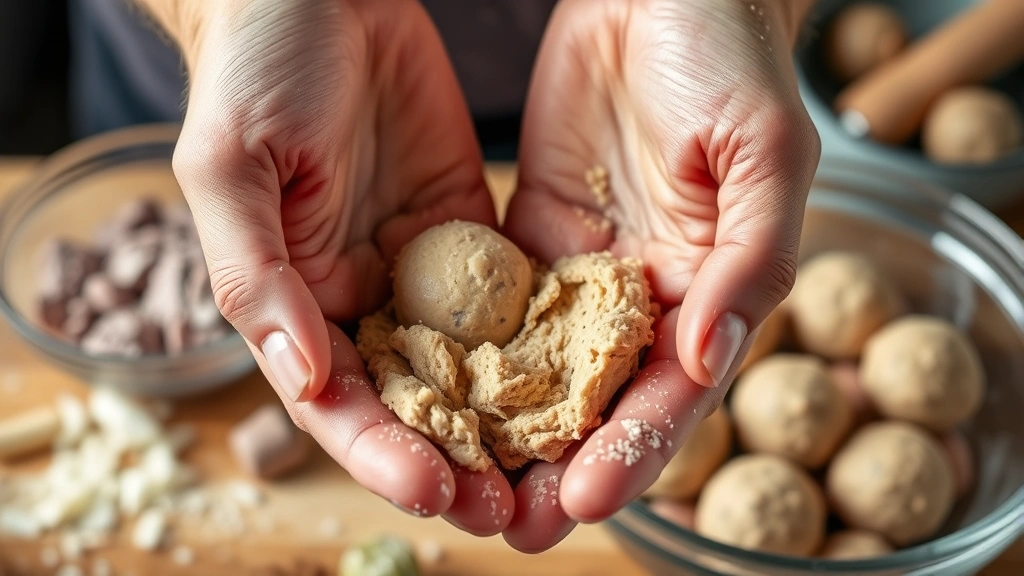
Using a small cookie scoop or tablespoon measure, portion the mixture. Roll each portion between your palms into smooth, uniform balls approximately ¾ inch in diameter. Work quickly—the warmth from your hands helps create smooth surfaces. If the mixture becomes too soft, refrigerate for 15-20 minutes before continuing.
Step 7: Optional Coating
For added texture and nutrition, roll finished balls in crushed nuts, additional cocoa powder, shredded coconut, or sesame seeds. Place coated balls on a parchment-lined baking sheet.
Flavor Variations to Explore
While the classic chocolate medicine ball is delicious, endless variations allow you to customize based on preferences and nutritional goals. These variations follow the same basic preparation method with ingredient substitutions.
Peanut Butter Power Balls: Replace almond butter with natural peanut butter and add 2 tablespoons of powdered peanut butter for intensified flavor. Reduce cocoa powder to ¼ cup and add ¼ cup vanilla protein powder. Roll in crushed peanuts for added crunch.
Coconut Cashew Variation: Substitute almond butter with raw cashew butter, reduce cocoa to ¼ cup, and add ¾ cup unsweetened shredded coconut. Include ¼ cup chopped macadamia nuts and use coconut oil instead of honey as your binding agent. Coat finished balls in additional coconut.
Espresso Energy Balls: Add 2 tablespoons of instant espresso powder to your dry ingredients for serious coffee flavor. Include ¼ cup chopped dark chocolate and reduce honey slightly to account for cocoa bitterness. These work perfectly as morning energy boosters alongside your morning routine.
Matcha Green Tea Version: Replace cocoa powder with 3 tablespoons matcha green tea powder and 3 tablespoons additional cocoa powder. Add ¼ cup white chocolate chips and 2 tablespoons of green cardamom seeds. This variation provides antioxidants and a unique flavor profile.
Superfood Blend: Keep the chocolate base but add ¼ cup goji berries, 2 tablespoons of maca powder, and 2 tablespoons of raw cacao nibs. These ingredients increase mineral content and provide sustained energy without crashing.
Maple Walnut Option: Use maple syrup instead of honey and add ½ teaspoon maple extract. Include 1 cup chopped walnuts and ¼ cup chopped dried cranberries. This autumn-inspired variation pairs beautifully with morning coffee.
Experiment with combinations to discover your favorites. Document successful variations so you can replicate them consistently.
Storage and Shelf Life Tips
Proper storage ensures your medicine balls maintain quality and safety. Unlike gluten and dairy-free recipes with specific storage requirements, medicine balls are quite forgiving.
Room Temperature Storage: Medicine balls can remain at room temperature in an airtight container for up to 5 days. Keep them away from direct sunlight and heat sources. This works well if you plan to consume them quickly.
Refrigerator Storage: For extended shelf life, store medicine balls in an airtight container in the refrigerator for up to 3 weeks. They’ll firm up slightly, which many people prefer. Remove them 10-15 minutes before eating to soften slightly.
Freezer Storage: Medicine balls freeze beautifully for up to 3 months. Layer them between parchment paper in a freezer-safe container. Thaw at room temperature for 20-30 minutes before consuming, or eat them partially frozen for a different texture experience.
Individual Packaging: For convenience, wrap individual balls in parchment or wax paper and store in freezer bags. This allows grab-and-go access without thawing the entire batch.
Signs of Spoilage: While rare due to ingredient stability, discard any medicine balls showing visible mold, off odors, or unusual discoloration. The high sugar content and lack of moisture create an inhospitable environment for most pathogens, making these treats quite shelf-stable.
Nutritional Information Breakdown
Understanding the nutritional profile helps you make informed dietary choices and incorporate medicine balls strategically into your fitness regimen.
A typical medicine ball (approximately 35-40 grams) contains approximately:
- Calories: 150-170 calories per ball
- Protein: 4-6 grams (varies with nut butter choice)
- Healthy Fats: 8-10 grams (primarily unsaturated)
- Carbohydrates: 16-18 grams
- Dietary Fiber: 3-4 grams
- Sugar: 10-12 grams (naturally occurring)
The macronutrient ratio (approximately 40% carbs, 35% fat, 25% protein) creates balanced energy delivery ideal for pre-workout fuel or post-workout recovery. The fiber content supports digestive health and sustained energy release, preventing blood sugar spikes.
Micronutrient Highlights:
- Iron: 15-20% daily value (from cocoa and seeds)
- Magnesium: 20-25% daily value (muscle function and recovery)
- Manganese: 15-18% daily value (bone health and metabolism)
- Zinc: 10-12% daily value (immune function)
- Antioxidants: Significant amounts from cocoa and seeds
These nutritional values demonstrate why fitness experts endorse medicine balls—they provide comprehensive nutrition in a convenient, satisfying format.
Fitness Expert Recommendations
Professional fitness coaches and nutritionists consistently recommend medicine balls for specific situations and goals.
Pre-Workout Timing: Consume one medicine ball 30-45 minutes before training. The balanced carbohydrate and fat content provides sustained energy without causing digestive discomfort. The natural sugars deliver quick energy while healthy fats slow absorption, preventing crashes during your workout.
Post-Workout Recovery: Eat one medicine ball within 30 minutes after training to support muscle recovery. The protein content (4-6 grams) initiates muscle protein synthesis, while carbohydrates replenish depleted glycogen stores. This timing maximizes the anabolic window when your body is primed to utilize nutrients efficiently.
Daily Snacking: Medicine balls work excellently as mid-morning or afternoon snacks, maintaining energy levels and preventing overeating at main meals. Their satiety-promoting ingredients (fiber, protein, healthy fats) keep you satisfied for 2-3 hours.
Travel and Competition: Athletes appreciate medicine balls’ portability and shelf stability. They pack easily, require no refrigeration for short periods, and provide reliable nutrition during competitions or travel when food options are limited.
Customization for Goals: Those seeking muscle gain should choose protein-enhanced variations or add collagen peptides. Endurance athletes benefit from increased carbohydrate ratios with additional dates or dried fruit. Weight-conscious individuals can reduce honey and increase seed content for higher satiety per calorie.
Consult with your personal trainer or sports nutritionist to determine optimal consumption timing and quantities based on your specific training program and goals.
For deeper understanding of sports nutrition and energy ball science, explore resources dedicated to athletic performance nutrition.
FAQ
Can I make medicine balls without a food processor?
Absolutely! Medicine balls are intentionally designed for simple preparation. Mix ingredients by hand using a sturdy spoon or your hands. For chopped ingredients like dates and nuts, use a sharp knife. The hands-on approach actually gives you better texture control.
Are medicine balls suitable for children?
Yes, medicine balls make excellent snacks for active children. However, adjust portion sizes—children typically need smaller balls. Ensure any ingredients like nuts are age-appropriate and not choking hazards for very young children. Consult pediatric guidelines for your child’s specific age.
Can I substitute ingredients for allergies?
Medicine balls are highly adaptable. Replace almond butter with sunflower seed butter, tahini, or coconut butter for nut allergies. Use maple syrup instead of honey for vegan adaptations. Substitute oats with quinoa flakes or coconut flour if needed, adjusting liquid ratios accordingly.
How many medicine balls should I eat daily?
One to two balls daily fits most fitness routines, providing 150-340 calories and appropriate macronutrient support. Those with high training volumes might consume more. Adjust based on overall caloric intake and fitness goals. Discuss optimal consumption with your nutritionist.
Do medicine balls help with muscle recovery?
Yes. The protein content supports muscle protein synthesis, carbohydrates replenish glycogen, and minerals like magnesium aid recovery processes. Combined with proper training and sleep, medicine balls meaningfully support recovery when consumed post-workout.
Can I make medicine balls less sweet?
Reduce honey by 2-3 tablespoons and add more oats or seeds to maintain texture. Increase cocoa powder for bitter notes that balance sweetness. Add a pinch of sea salt to further reduce perceived sweetness. Experiment with small adjustments until you achieve your preferred taste profile.
What’s the difference between medicine balls and protein balls?
Medicine balls emphasize whole food ingredients and balanced nutrition, while protein ball recipes often highlight protein powder as a primary ingredient. Medicine balls work wonderfully alongside herbal tea preparation for complete nutrition rituals.
Are medicine balls expensive to make?
No. Bought in bulk, ingredients cost approximately 50-75 cents per ball—significantly less than commercial protein bars or gym snacks. Buying bulk nuts, seeds, and cocoa powder reduces per-serving costs further.
Can I use different types of nut butters?
Absolutely. Cashew butter, pecan butter, walnut butter, or blended nut butters all work well. Each provides slightly different nutritional profiles and flavor characteristics. Experiment to find your preferred option.


