Quick Pickle Recipe: Grandma’s Secret Method
There’s something magical about opening a jar of homemade pickles and tasting the crisp, tangy perfection that only comes from a time-tested family recipe. My grandmother’s quick pickle method has been passed down through three generations, and today I’m sharing her secret with you. Unlike traditional pickling that requires weeks of patience, this quick pickle recipe delivers restaurant-quality results in just 24 hours. The beauty of this method lies in its simplicity: fresh vegetables, a perfectly balanced vinegar brine, and a handful of aromatic spices come together to create pickles that are bright, crunchy, and absolutely addictive.
What makes Grandma’s approach different from standard pickling is her understanding of flavor development and timing. She discovered that by using a specific ratio of vinegar to water, combined with the right temperature control and spice selection, you can achieve that perfect pickle taste without the lengthy fermentation process. This quick pickle recipe works beautifully with cucumbers, but Grandma also uses it for carrots, onions, bell peppers, and green beans. Whether you’re looking to preserve your garden harvest or simply want to elevate your best breakfast food recipes with homemade condiments, this method will become your go-to technique.
Understanding the Science Behind Quick Pickling
Quick pickling differs fundamentally from traditional fermentation in both process and chemistry. While fermented pickles rely on lactobacillus bacteria to develop flavor over weeks or months, quick pickles achieve their characteristic taste through the immediate action of vinegar and heat. The acidity of the vinegar rapidly denatures proteins in the vegetable cell walls, creating that signature crunch while the heat accelerates flavor absorption. Grandma understood this intuitively long before she studied food science, and her method capitalizes on these principles perfectly.
The magic happens when you heat the brine to just the right temperature—hot enough to sterilize and infuse flavors, but not so hot that it destroys the vegetables’ structural integrity. This is why Grandma always insisted on bringing the brine to a rolling boil before pouring it over the vegetables. The temperature shock creates an immediate pickling effect, while the hot liquid releases essential oils from the spices, distributing them evenly throughout the jar. This scientific approach is what transforms ordinary vegetables into extraordinary pickles in a single day.
Many home cooks don’t realize that quick pickling is actually safer than traditional fermentation when done properly, since the high acidity prevents harmful bacteria growth immediately. The vinegar acts as a natural preservative, creating an environment where pathogens simply cannot survive. This is why Grandma’s method has remained so reliable across decades of use, and why it’s perfect for beginners who might be nervous about food preservation techniques.
Essential Ingredients for the Perfect Brine
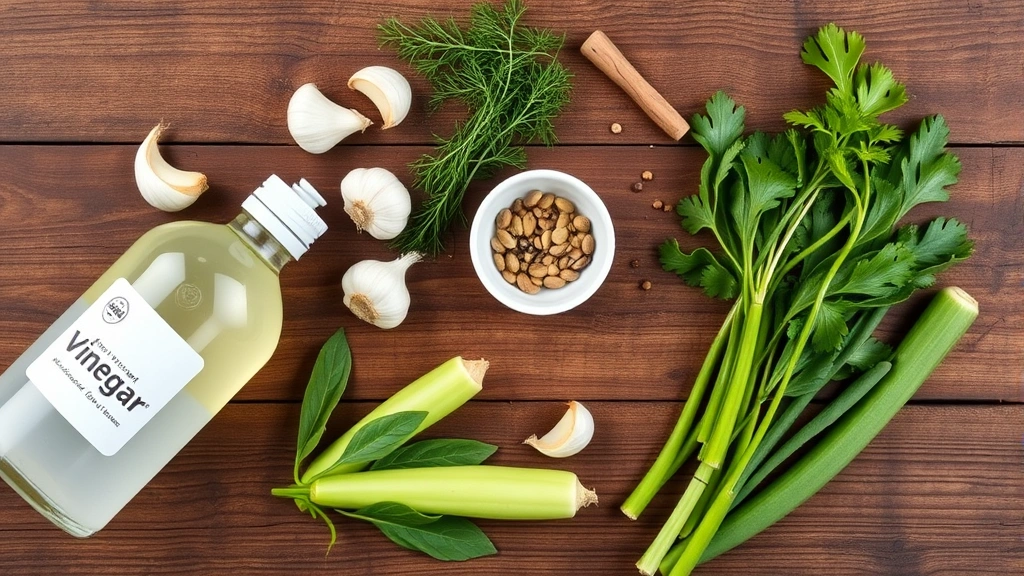
The foundation of any successful quick pickle recipe is a well-balanced brine. Grandma’s secret formula uses a 1:1 ratio of white vinegar to water, which creates the ideal balance of acidity and gentleness. Unlike harsher vinegars that can overwhelm delicate vegetables, this ratio allows the natural vegetable flavors to shine through while the vinegar provides that essential tangy bite. She always used distilled white vinegar, not apple cider or wine vinegars, because their consistency and predictability made the recipe foolproof.
Beyond the vinegar and water base, Grandma’s brine includes:
- Sugar – One tablespoon per quart of brine creates a subtle sweetness that balances the acidity and brings out vegetable flavors
- Salt – Two tablespoons per quart is essential for flavor development and preservation
- Mustard seeds – These provide a subtle, warm spice note and are a signature element of her recipe
- Coriander seeds – Adding earthiness and complexity to the overall flavor profile
- Dill – Fresh or dried, this herb is crucial for that classic pickle taste
- Garlic cloves – Minced or sliced, garlic adds pungency and depth
- Peppercorns – Black peppercorns contribute a gentle heat and sophistication
- Bay leaves – One per jar adds subtle floral notes
The beauty of this ingredient list is that you likely have everything in your pantry already. If you’re also interested in how to make homemade jams, you’ll notice similar preservation principles at work—both rely on heat, proper ratios, and quality ingredients.
Step-by-Step Instructions
Now let’s walk through Grandma’s exact method for creating perfect quick pickles every single time. The process is straightforward, but attention to detail matters significantly.
Preparation Phase:
- Gather two clean, sterilized quart-sized mason jars. Grandma always ran hers through the dishwasher on the hot cycle or boiled them for 10 minutes to ensure absolute cleanliness
- Prepare your vegetables by washing them thoroughly under cool running water. Remove any blemished areas, as these can affect the final product
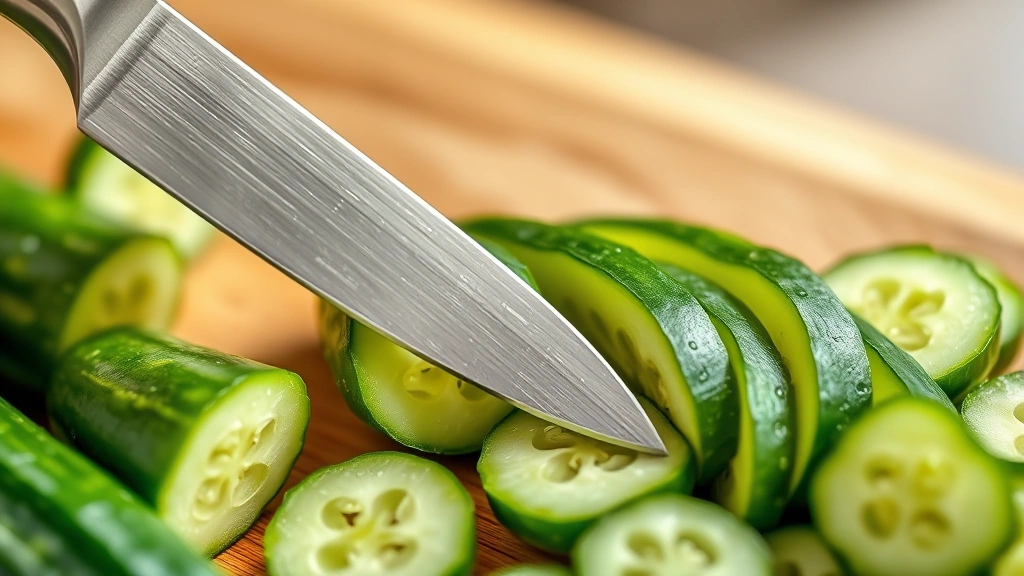
- Cut vegetables into uniform sizes—Grandma preferred spears for cucumbers, cut lengthwise into quarters, and similar-sized pieces for other vegetables to ensure even pickling
- Measure out all your spices and aromatics into small bowls. This mise en place approach prevents mistakes and keeps the process flowing smoothly
Brine Creation:
- Combine two cups of distilled white vinegar and two cups of water in a large stainless steel saucepan
- Add two tablespoons of pickling salt and one tablespoon of sugar
- Stir well to dissolve the salt and sugar completely
- Add one tablespoon of mustard seeds, one teaspoon of coriander seeds, one teaspoon of black peppercorns, and two bay leaves
- Bring the mixture to a rolling boil over medium-high heat, stirring occasionally
- Once boiling, reduce heat slightly and maintain the boil for exactly two minutes. This timing is crucial—Grandma was adamant about this step
- Remove from heat and let cool for exactly five minutes before using
Jar Assembly and Processing:
- Divide the minced garlic (three cloves per jar) and fresh dill (one tablespoon per jar) evenly between your two prepared jars
- Pack your cut vegetables tightly into the jars, standing them upright to maximize space and ensure they stay submerged
- Carefully pour the hot brine over the vegetables, leaving one-quarter inch of headspace at the top
- If using fresh dill fronds, add a few to the top of each jar for visual appeal
- Seal the jars with sterilized lids and let them cool completely to room temperature on your kitchen counter
- Once cooled, refrigerate the jars. The pickles will be ready to eat after 24 hours, though Grandma always said they taste even better after 48 hours
Vegetable Selection and Preparation
One of the most important aspects of creating excellent quick pickles is selecting the right vegetables. Grandma had very specific preferences based on texture and flavor compatibility. Cucumbers are the classic choice, and Grandma insisted on using Kirby cucumbers or pickling varieties rather than slicing cucumbers. These varieties have thinner skins, fewer seeds, and maintain their crunch better through the pickling process. She would purchase them at peak season and use them within 24 hours of buying for optimal results.
Beyond cucumbers, Grandma’s quick pickle recipe works beautifully with:
- Carrots – Cut into sticks or rounds, they absorb flavors wonderfully and maintain a satisfying crunch. Grandma particularly loved using young, thin carrots
- Green beans – These create a delightful texture contrast and work especially well if you’re serving pickles alongside healthy food recipes with chicken breast
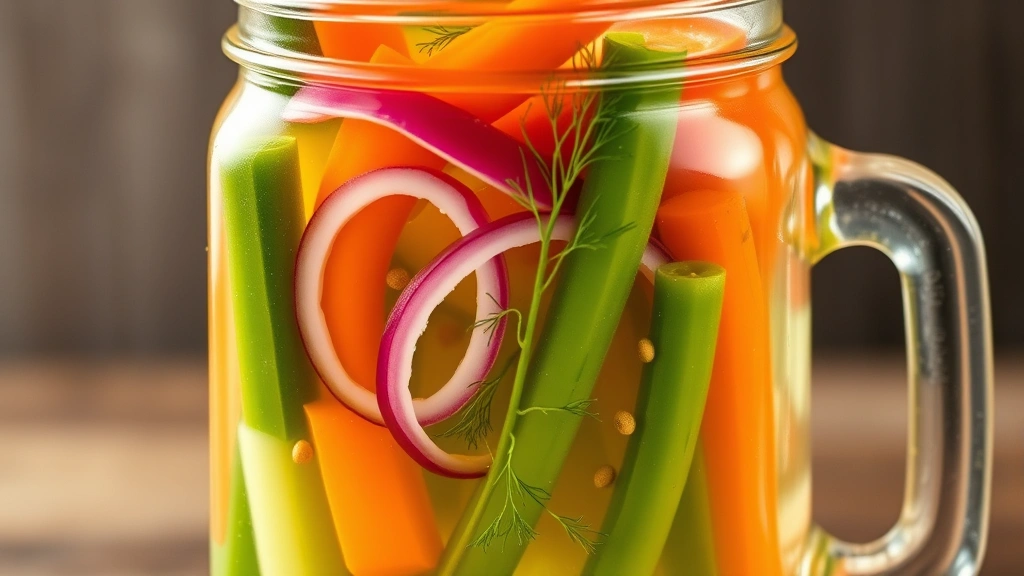
- Red onions – Sliced into thin rings, they become beautifully translucent and add visual interest to the jar
- Bell peppers – Cut into strips, they maintain crunch and add color variety
- Radishes – These develop a pleasant peppery note when pickled and maintain excellent texture
- Cauliflower florets – Small, tender florets pickle beautifully and make excellent appetizers
The key to success with any vegetable is ensuring it’s as fresh as possible and cut to uniform sizes. Grandma always said that uniform sizing ensures even flavor absorption and consistent texture throughout the jar. She would spend time with a sharp knife, creating perfectly cut spears and sticks, understanding that this attention to detail directly impacted the final product’s quality.
Flavor Variations and Customizations
While Grandma’s original recipe is perfection, she often modified it based on what vegetables she was pickling or what flavors she wanted to emphasize. This flexibility is one of the beautiful aspects of the quick pickle method—once you understand the basic formula, you can experiment confidently.
Spice Level Variations: If you prefer spicier pickles, Grandma would add red pepper flakes to the brine—typically one-half to one teaspoon per quart depending on your heat tolerance. She kept a special batch with extra heat for family members who loved bold flavors. Alternatively, fresh jalapeño slices can be added directly to the jar for a different kind of heat and flavor.
Herb Customizations: While dill is her signature herb, Grandma experimented with other options. Fresh tarragon creates a sophisticated, slightly anise-like flavor perfect for delicate vegetables. Thyme adds an earthy dimension that works well with carrots and green beans. She even tried fresh rosemary with red onions and absolutely loved the combination. The rule she followed was using one tablespoon of fresh herbs per jar, or one teaspoon of dried herbs.
Sweet vs. Savory: For those who prefer sweeter pickles, simply increase the sugar in the brine to two tablespoons per quart. Grandma made a sweeter version for family members who preferred less acidity, and it became a favorite at summer gatherings. Conversely, if you want pickles with minimal sweetness, reduce the sugar to one-half tablespoon.
Aromatics and Spices: Beyond her standard recipe, Grandma occasionally added:
- Whole cloves for a subtle warmth and complexity
- Star anise for a delicate licorice note
- Fresh ginger slices for brightness and a subtle heat
- Allspice berries for depth and richness
- Fennel seeds for a gentle sweetness
Each addition changes the character of the pickles subtly, and Grandma encouraged experimentation once you’d mastered the basic technique. She kept notes on which combinations worked best with which vegetables, creating her own personal flavor guide that she eventually shared with us.
Storage and Shelf Life
Proper storage is crucial for maintaining the quality and safety of your pickles. Grandma’s approach was simple but effective: always keep quick pickles refrigerated after they’ve cooled to room temperature. Unlike traditionally fermented pickles that can be stored in a cool pantry, quick pickles rely on refrigeration for long-term safety and quality preservation. The cold temperature slows any potential bacterial growth and maintains the vegetables’ crisp texture.
In a standard refrigerator at 40°F or below, Grandma’s quick pickles will maintain excellent quality for up to three months. The flavor actually continues to develop during this time, with the spices becoming more pronounced and the vegetables becoming increasingly flavorful. She always said the best time to eat them was between one week and six weeks of refrigeration, when the flavors had fully melded but the vegetables still maintained their original crunch.
If you notice any cloudiness, off-odors, or visible mold, discard the entire jar immediately. These are signs that something went wrong in the preparation or storage process. However, with proper technique and refrigeration, this is extremely rare. Grandma went decades without a single batch spoiling, and her method has proven equally reliable for all of us who’ve followed her instructions carefully.
For long-term storage beyond three months, consider the water bath canning method, which creates shelf-stable jars that don’t require refrigeration. However, this is a different process than Grandma’s quick pickle method and requires additional equipment and knowledge of proper canning procedures.
Serving Suggestions
The versatility of Grandma’s quick pickles extends far beyond simply eating them straight from the jar, though that’s certainly delicious. She found countless ways to incorporate them into meals throughout the week, making them one of her most valuable kitchen staples.
As Condiments and Sides: Quick pickles are absolutely essential accompaniments to keto chicken recipes and other protein-forward meals. The acidity cuts through rich fats and cleanses the palate between bites. Grandma would serve them alongside sandwiches, burgers, and charcuterie boards. They’re also perfect alongside carnivore recipes as a refreshing counterpoint to heavy meats.
In Salads: Chopped quick pickles add tremendous flavor and texture to green salads, grain bowls, and coleslaw. Grandma would chop them finely and toss them into her salads during the last moment before serving, ensuring they maintained their crunch.
With Breakfast: Pickled vegetables make an excellent addition to breakfast plates, particularly alongside eggs and easy vegan breakfast ideas. The bright, tangy flavors balance rich morning foods perfectly. Grandma would often include a small portion of pickled vegetables on her breakfast plate.
In Tacos and Wraps: Quick pickles add crunch and acidity to tacos, burritos, and wraps of all kinds. Grandma loved creating taco night with homemade pickled onions and jalapeños as toppings.
As Appetizers: Serve quick pickles in small bowls as part of an appetizer spread. They’re particularly elegant when served alongside cured meats and cheeses, creating a sophisticated starter course.
In Cocktails: Pickled vegetables, particularly onions and cucumbers, make excellent garnishes and flavor additions to cocktails. Grandma’s grandchildren discovered that her quick pickled onions were perfect for martinis and other classic drinks.
Mixed Vegetable Platters: Create beautiful vegetable platters by combining different quick pickled vegetables with fresh vegetables, dips, and cheeses. The pickled items add flavor complexity and visual interest.
FAQ
How long does it take for quick pickles to be ready to eat?
Grandma’s quick pickles are technically ready to eat after just a few hours, but they reach their optimal flavor after 24 hours of refrigeration. Many people find that waiting 48 hours results in even more developed flavors. The vegetables continue to absorb the brine and spice flavors over time.
Can I use regular vinegar instead of distilled white vinegar?
While you can technically use other vinegars, Grandma always insisted on distilled white vinegar because it provides consistent results and doesn’t introduce competing flavors. Apple cider vinegar, for example, has its own distinct taste that can overpower the vegetables. If you want to experiment, start with small batches to see how other vinegars affect the final product.
Why do my pickles sometimes get soft instead of staying crisp?
Soft pickles usually result from one of three issues: using older vegetables that have already begun to deteriorate, not using fresh spices that have lost their potency, or not maintaining proper refrigeration. Grandma always emphasized using the freshest vegetables possible and storing pickles at a consistent cold temperature immediately after cooling.
Can I reuse the brine for a second batch of pickles?
Grandma occasionally reused brine, but she always boiled it again first to sterilize it. However, the brine loses some of its strength with each use, so the second batch won’t pickle quite as effectively. For best results, she recommended making fresh brine for each batch, though reusing brine works in a pinch.
What’s the difference between quick pickles and fermented pickles?
Quick pickles use vinegar and heat to preserve vegetables and develop flavor rapidly, typically ready within 24 hours. Fermented pickles rely on beneficial bacteria and natural fermentation to create flavor over weeks or months. Both are delicious, but Grandma preferred quick pickles for their reliability and speed, especially when she wanted to preserve vegetables immediately.
Can I use these quick pickles for canning and shelf storage?
Grandma’s quick pickle recipe is designed for refrigerated storage. If you want shelf-stable pickles, you’ll need to use proper water bath canning procedures, which requires different processing methods and sterilization techniques. This involves more specialized equipment and knowledge of safe canning practices. Consult reliable canning resources like the National Center for Home Food Preservation for detailed instructions.
Are quick pickles safe for people with certain dietary restrictions?
Grandma’s basic recipe is naturally gluten-free, vegan, and can easily be adapted for various dietary needs. If you need to reduce sodium, use less salt in the brine. If you’re avoiding sugar, reduce or eliminate it completely—the pickles will be less sweet but still delicious. Always check any spice blends or pre-made ingredients for hidden allergens if you have specific dietary concerns.


