Ultimate Trail Mix Recipe: Nutritionist Approved for Every Adventure
Creating the perfect trail mix recipe is an art and science combined. Whether you’re hiking mountain peaks, road tripping across states, or simply need a nutritious desk snack, homemade trail mix beats store-bought versions every single time. The beauty of making your own is complete control over ingredients, portion sizes, and nutritional balance—something nutritionists consistently recommend for sustained energy and satiety.
This comprehensive guide walks you through crafting a nutritionist-approved trail mix that delivers sustained energy, satisfies cravings, and keeps you fueled during any outdoor adventure. We’ll explore ingredient selection, proportions, storage methods, and creative variations that transform basic components into a snack you’ll actually crave.
Why Homemade Trail Mix Wins
Commercial trail mixes often contain excessive sugar, preservatives, and artificial flavors that nutritionists actively discourage. When you prepare your own trail mix recipe, you eliminate these unwanted additives while optimizing macronutrient ratios for your specific needs.
Homemade versions cost significantly less than pre-packaged alternatives—typically 40-60% cheaper per pound. You control sodium levels, which matters enormously for athletes and health-conscious snackers. Additionally, you can accommodate dietary restrictions, allergies, and personal taste preferences that commercial products simply can’t address.
The nutritional advantages are substantial. Whole nuts retain their natural oils and nutrients better than processed varieties. Fresh dried fruits contain more enzymes and antioxidants than candied versions. When you combine these quality ingredients in proper proportions, you create a snack that provides sustained energy release, preventing blood sugar spikes and crashes.
Essential Components Explained
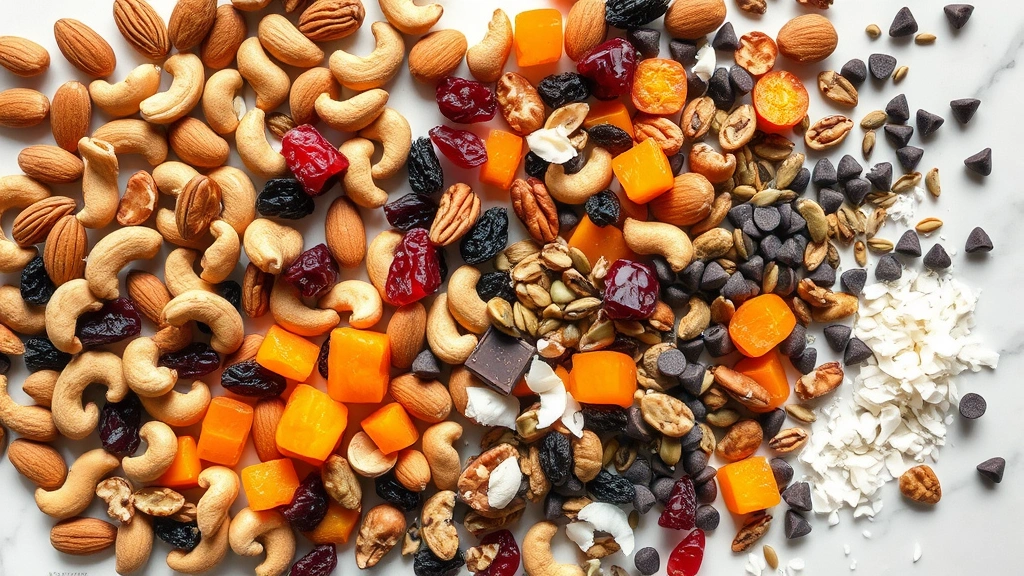
Every excellent trail mix recipe contains four primary component categories: nuts, dried fruits, seeds, and optional add-ins. Understanding each category helps you make informed choices aligned with your nutritional goals.
Nuts: The Protein Foundation
Nuts provide protein, healthy fats, and essential minerals that keep you satisfied longer. Almonds offer the highest protein content (6g per ounce) and contain vitamin E, making them nutritionists’ top choice. Cashews deliver magnesium for muscle function and energy production. Walnuts contain omega-3 fatty acids beneficial for brain health and inflammation reduction. Pecans provide antioxidants and heart-healthy monounsaturated fats. Hazelnuts offer copper and manganese for metabolism support.
Raw nuts contain enzymes that aid digestion, though lightly roasted nuts provide enhanced flavor and slightly better bioavailability of certain minerals. Avoid heavily salted varieties—you control sodium levels when selecting raw or lightly salted nuts.
Dried Fruits: Natural Energy and Fiber
Dried fruits provide quick carbohydrates for immediate energy plus fiber for digestive health. Raisins contain iron and natural sugars for quick energy boosts. Cranberries offer antioxidants and tartness that balances rich nuts. Apricots deliver beta-carotene and potassium. Dates provide magnesium and natural sweetness. Blueberries contain anthocyanins, powerful antioxidants. Cherries may reduce inflammation and support recovery.
Choose unsweetened varieties without added sugar or oil. Look for dried fruits that maintain their natural color rather than artificially brightened versions. The deeper color typically indicates higher antioxidant content.
Seeds: Micronutrient Powerhouses
Pumpkin seeds contain magnesium, manganese, and zinc for immune function. Sunflower seeds provide selenium and vitamin E. Hemp seeds offer all nine essential amino acids. Chia seeds deliver omega-3s and fiber that expand in your stomach, increasing satiety. Sesame seeds contain calcium and lignans with potential cancer-fighting properties.
Optional Add-Ins for Flavor and Function
Dark chocolate (70% cacao or higher) contains polyphenols and may improve cardiovascular health. Coconut flakes provide medium-chain triglycerides for quick energy. Pretzels add satisfying crunch and sodium for electrolyte balance. Whole grain cereal provides additional fiber. Freeze-dried fruits concentrate nutrients while maintaining lightness. Unsweetened cocoa nibs offer chocolate flavor without added sugar.
The Nutritionist Formula
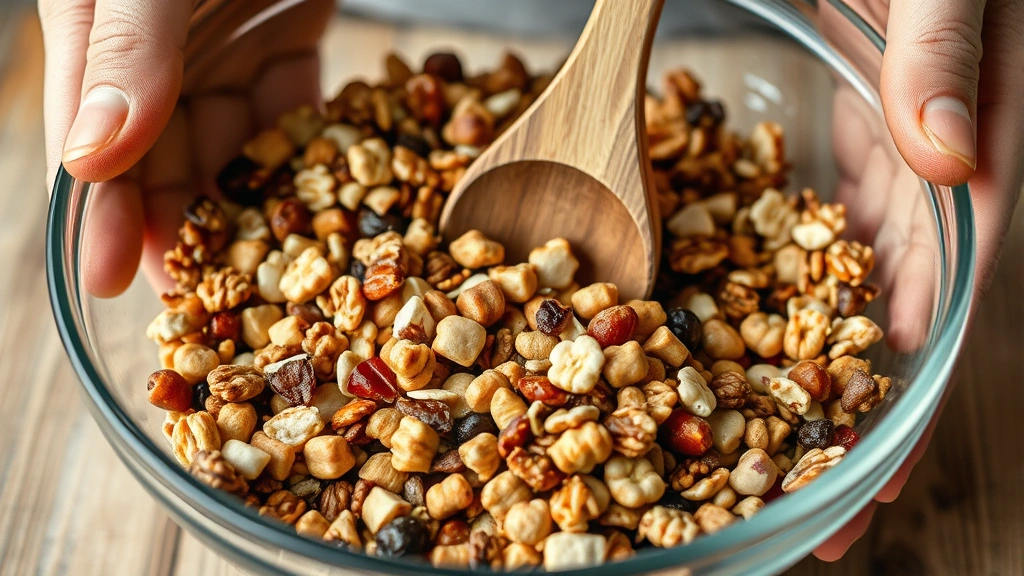
Nutritionists recommend a specific ratio that balances macronutrients for sustained energy: 40% nuts, 30% dried fruits, 20% seeds, and 10% optional add-ins. This formula ensures adequate protein and fat for satiety while providing carbohydrates for energy without excessive sugar.
For a standard 2-cup batch (approximately 320 calories per half-cup serving):
- Nuts (1 cup): 640 calories, 24g protein, 56g fat
- Dried fruits (¾ cup): 240 calories, 3g protein, 60g carbohydrates
- Seeds (½ cup): 160 calories, 8g protein, 14g fat
- Add-ins (¼ cup): 80 calories, variable macronutrients
This combination provides approximately 320 calories per half-cup serving with balanced macronutrients: roughly 35% from protein and fat (satiety), 65% from carbohydrates (energy). The fiber content—approximately 4-6g per serving—supports digestive health and blood sugar stability.
Basic Trail Mix Recipe
Yield: 4 cups (8 servings of ½ cup each) | Prep Time: 10 minutes | Storage: 3-4 weeks in airtight container
Ingredients
- 1 cup raw almonds, halved
- ½ cup raw cashews
- ½ cup raw pecans, halved
- ¾ cup unsweetened raisins
- ¼ cup unsweetened dried cranberries
- ¼ cup unsweetened dried apricots, chopped
- ¼ cup raw pumpkin seeds
- ¼ cup raw sunflower seeds
- ¼ cup dark chocolate chips (70% cacao minimum)
- ¼ cup unsweetened coconut flakes
- ¼ teaspoon sea salt (optional, adjust to taste)
Instructions
- Prepare your workspace: Gather all ingredients and place a large mixing bowl on your counter. Having everything ready prevents mixing errors and ensures even distribution.
- Combine nuts: Add almonds, cashews, and pecans to the bowl. Toss gently to distribute evenly. Nuts form your foundation—ensure they’re fresh by smelling them; stale nuts smell musty or rancid.
- Add dried fruits: Pour in raisins, cranberries, and apricots. Mix thoroughly, breaking up any clumps in the dried fruits. This step ensures even distribution throughout your batch.
- Incorporate seeds: Sprinkle pumpkin and sunflower seeds over the mixture. Stir well, using a wooden spoon to reach the bottom and ensure seeds don’t settle.
- Finish with chocolate and coconut: Add dark chocolate chips and coconut flakes. Stir gently to avoid crushing chips. The chocolate provides flavor and antioxidants without overwhelming the mixture.
- Season lightly: If using sea salt, sprinkle it evenly and mix thoroughly. Salt enhances all flavors and helps balance the sweetness from dried fruits.
- Store immediately: Transfer to airtight containers immediately. Proper storage maintains freshness and prevents nuts from absorbing ambient moisture.
Creative Variations
Once you master the basic trail mix recipe, explore these nutritionist-approved variations that maintain proper macronutrient balance while offering flavor diversity.
Mediterranean Trail Mix
This variation complements Mediterranean salad recipe flavors. Combine 1 cup raw almonds, ¾ cup unsweetened dried figs (chopped), ½ cup raw hazelnuts, ¼ cup raw sesame seeds, ¼ cup dried cranberries, ¼ cup unsweetened coconut flakes, and ¼ teaspoon dried oregano. The oregano adds herbaceous notes while supporting antioxidant intake. Figs provide additional fiber and minerals like calcium.
Protein-Boosted Trail Mix
Perfect for post-workout recovery, this version increases satiety. Use 1¼ cups mixed nuts, ½ cup unsweetened dried blueberries, ½ cup raw hemp seeds, ¼ cup raw pumpkin seeds, ¼ cup unsweetened coconut flakes, ¼ cup dark chocolate chips, and ¼ cup freeze-dried strawberries. Hemp seeds provide all nine essential amino acids, making this mix particularly beneficial for muscle recovery.
Tropical Trail Mix
Brighten your snack with tropical flavors. Combine 1 cup raw cashews, ¾ cup unsweetened dried mango (chopped), ½ cup raw macadamia nuts, ¼ cup unsweetened coconut flakes, ¼ cup raw pumpkin seeds, ¼ cup unsweetened dried pineapple (chopped), and ¼ cup dark chocolate chips. The tropical fruits provide vitamin C and enzymes supporting digestion.
Spiced Trail Mix
Add warmth and complexity with this variation. Prepare the basic recipe, then toss with ½ teaspoon ground cinnamon, ¼ teaspoon ground ginger, ⅛ teaspoon ground cloves, and pinch of cayenne pepper. These spices offer anti-inflammatory benefits and enhance flavor without added sugar.
Savory Trail Mix
For those preferring less sweetness, create this savory option. Combine 1 cup raw almonds, ¾ cup raw cashews, ½ cup raw sunflower seeds, ¼ cup raw pumpkin seeds, ¼ cup unsweetened dried cranberries (minimal sweetness), ¼ cup whole grain pretzel pieces, 2 tablespoons nutritional yeast, and ½ teaspoon sea salt. This version works wonderfully alongside French dressing recipe inspired flavor profiles.
Storage and Shelf Life
Proper storage extends your trail mix recipe’s shelf life significantly while maintaining nutritional quality and flavor.
Short-Term Storage (1-2 weeks)
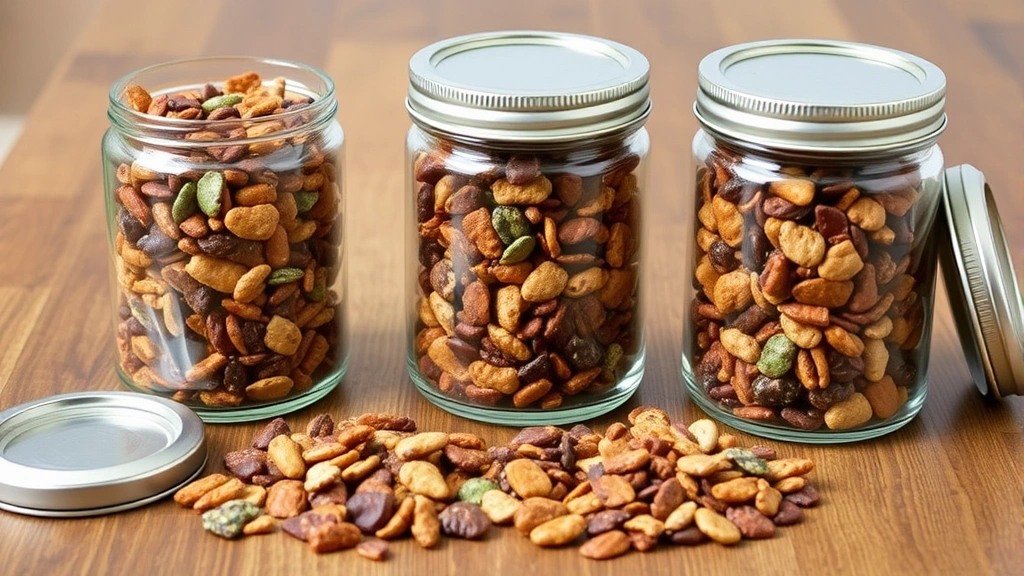
Store in an airtight container at room temperature, away from direct sunlight and heat sources. Glass containers with locking lids work excellently. The cool, dark environment prevents oxidation of healthy fats in nuts and seeds.
Medium-Term Storage (3-4 weeks)
Divide your batch into individual glass jars or food-grade plastic containers. Keep one container accessible while storing extras in a cool pantry. This method prevents repeated opening of the main batch, which introduces air and humidity.
Long-Term Storage (1-3 months)
Freeze portions in airtight freezer bags or containers. Remove as much air as possible before sealing. Frozen trail mix thaws quickly at room temperature and maintains nutritional integrity far longer than pantry storage. Label containers with preparation dates.
Moisture Management
Include a small food-grade desiccant packet in storage containers, especially in humid climates. These packets absorb ambient moisture that softens nuts and causes clumping. Replace packets monthly during storage.
Signs of Spoilage
Discard trail mix if nuts develop a musty or rancid smell (oxidized fats), dried fruits show mold, or the mixture feels sticky or compressed. These indicators suggest moisture contamination or age-related degradation. Properly stored trail mix should maintain its intended texture and aroma throughout the storage window.
Portioning for Convenience
Create individual serving packets using small paper bags, glass jars, or silicone containers. Pre-portioned servings promote mindful eating and make grab-and-go snacking effortless. Each ½-cup serving provides approximately 320 calories with balanced macronutrients ideal for sustaining energy between meals.
FAQ
Can I make trail mix with roasted nuts instead of raw?
Absolutely. Lightly roasted nuts (roasted at lower temperatures without added oils) work wonderfully and provide enhanced flavor. Avoid heavily roasted or salted varieties, which contain excess sodium and may have degraded some heat-sensitive nutrients. The basic trail mix recipe adapts seamlessly to roasted nuts while maintaining nutritional balance.
What’s the best way to prevent chocolate from melting in my trail mix?
Use chocolate chips rather than larger chunks, as they maintain their form better. Store your trail mix in cool environments below 70°F. If hiking in warm conditions, keep your snack in an insulated bag with an ice pack. Alternatively, substitute dark chocolate nibs, which have a higher cocoa butter content and melt point, or use cocoa powder mixed with a small amount of coconut oil for chocolate flavor without melting concerns.
How much trail mix should I eat daily?
A standard serving is ½ cup (approximately 320 calories), ideal as a pre-workout snack, afternoon pick-me-up, or hiking fuel. For weight management, limit to one serving daily. Athletes may consume 1-2 servings depending on activity level and caloric needs. The high protein and fat content promotes satiety, preventing overeating.
Are there nut-free trail mix options?
Yes. Replace nuts with seeds as your primary protein source: use 1.5 cups combined pumpkin seeds, sunflower seeds, and hemp seeds. Maintain the dried fruit and chocolate components. This variation provides equivalent protein and healthy fats while accommodating nut allergies. Ensure all ingredients are processed in nut-free facilities to prevent cross-contamination.
Can I add protein powder to my trail mix?
Yes, though it’s unconventional. Add ¼ cup plant-based or whey protein powder to your standard recipe. The powder coats other ingredients, creating a more uniform mixture. This addition increases protein content to approximately 12-15g per serving, making it particularly beneficial for post-workout recovery. Store protein powder trail mix in airtight containers and consume within 2 weeks, as protein powder can absorb moisture more readily than whole ingredients.
What’s the difference between trail mix and GORP?
GORP (Good Ole Raisins and Peanuts) represents the original trail mix formulation, typically containing equal parts nuts and raisins. Modern trail mix recipes expand this concept significantly, incorporating seeds, diverse dried fruits, and functional add-ins. GORP emphasizes simplicity, while contemporary trail mix optimizes nutritional balance and flavor complexity.
How do I make trail mix without added sugar?
Use only unsweetened dried fruits and avoid chocolate chips or candy. Your basic recipe using almonds, cashews, pecans, unsweetened raisins, unsweetened cranberries, unsweetened apricots, pumpkin seeds, sunflower seeds, and coconut flakes contains no added sugar—only natural sugars from dried fruits. The cranberries and apricots provide tartness that balances natural sweetness without additional sweeteners.
Can I make trail mix in bulk for the week?
Absolutely. Prepare a large batch using proportional increases of the basic recipe. A 12-cup batch (tripling the standard recipe) provides 24 servings, lasting approximately one week for daily snackers. Store in multiple airtight containers rather than one large container, which minimizes air exposure when accessing portions.
Creating your own nutritionist-approved trail mix recipe empowers you with complete control over ingredients, nutrition, and cost. Whether you’re preparing for outdoor adventures, maintaining steady energy throughout workday, or seeking convenient post-workout recovery, homemade trail mix outperforms commercial alternatives in every meaningful way. Start with the basic recipe, experiment with variations that align with your preferences and nutritional goals, and enjoy the satisfaction of snacking on wholesome, nutrient-dense ingredients you’ve personally selected and combined.


