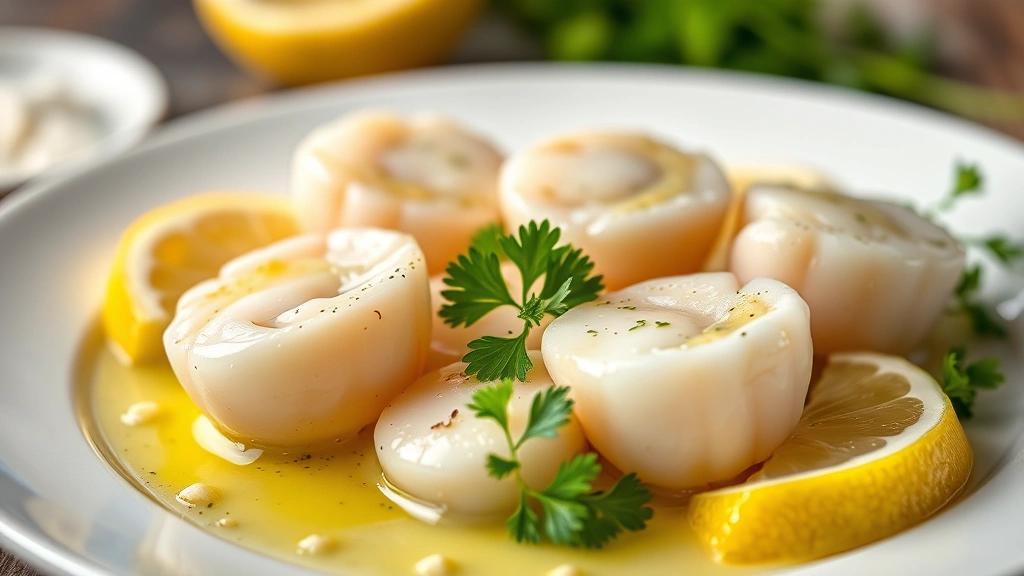
Baked Scallops Delight: Chef’s Favorite Recipe
Baked scallops represent one of the most elegant yet surprisingly simple dishes you can prepare at home. These tender, succulent mollusks transform into restaurant-quality perfection when treated with the right technique and premium ingredients. Whether you’re hosting an intimate dinner party or preparing a special weeknight meal, this baked scallops recipe delivers impressive results that rival your favorite seafood establishment.
What makes scallops so special is their delicate sweetness and buttery texture when cooked properly. Unlike many proteins that require extensive seasoning, scallops shine with minimal intervention—just quality butter, fresh garlic, lemon, and proper heat management. This chef-approved method ensures perfectly cooked scallops with a golden crust and a moist, tender interior every single time.
The beauty of baked scallops lies in their versatility. You can serve them as an elegant appetizer, pair them with complementary sauces, or make them the star of a sophisticated dinner plate. This comprehensive guide walks you through everything you need to know to master this timeless seafood preparation.
Understanding Your Scallops
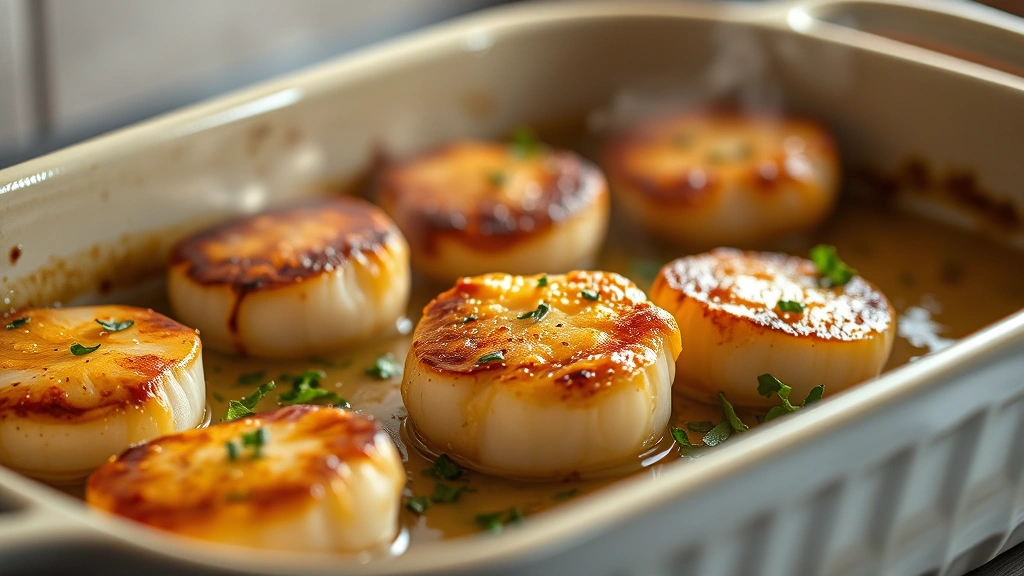
Before diving into the cooking process, it’s crucial to understand what you’re working with. Scallops come in two primary varieties: sea scallops and bay scallops. Sea scallops are larger, typically ranging from one to two inches in diameter, making them ideal for baking. Bay scallops are smaller and more delicate, requiring shorter cooking times.
Fresh scallops should have a sweet ocean aroma and firm texture. When purchasing, ask your fishmonger whether the scallops are “dry” or “wet.” Dry scallops haven’t been treated with sodium tripolyphosphate (STP), which means they’ll brown better and develop superior flavor. This distinction significantly impacts your final dish’s quality.
The meat inside a scallop’s shell should appear translucent to slightly opaque, with a pale pink or white color. Any discoloration, strong ammonia smell, or mushy texture indicates the scallops aren’t fresh. Purchase scallops the same day you plan to cook them, or store them in the coldest part of your refrigerator for no more than one day.
According to the Seafood Watch program, sustainable scallop sourcing matters for both environmental and quality reasons. Responsibly harvested scallops tend to have superior flavor profiles and firmer texture.
Essential Ingredients
Creating exceptional baked scallops starts with high-quality ingredients. Unlike complex recipes requiring numerous components, this dish relies on the quality of each individual element.
- Sea scallops: 1.5 to 2 pounds (6-8 large scallops per person)
- Unsalted butter: 4 tablespoons, divided
- Fresh garlic: 4 cloves, minced finely
- Fresh lemon: 2 lemons (juice and zest)
- Sea salt: 1 teaspoon, adjusted to taste
- Freshly ground black pepper: ½ teaspoon
- Fresh parsley: ¼ cup, chopped
- Optional breadcrumb topping: ½ cup panko breadcrumbs
- Optional white wine: ¼ cup dry white wine
- Olive oil: 1 tablespoon (for the baking dish)
Each ingredient serves a specific purpose. Butter provides richness and helps create a beautiful golden crust. Fresh garlic adds aromatic depth without overpowering the delicate scallop flavor. Lemon juice brightens the dish and cuts through the richness, while zest adds complexity. Sea salt enhances natural flavors better than iodized table salt, and fresh parsley provides both visual appeal and herbal notes.
Preparation Techniques
Proper preparation separates amateur attempts from restaurant-quality results. Begin by patting your scallops completely dry with paper towels. This single step is absolutely critical—moisture is the enemy of browning and creates steam instead of the desired golden crust.
Remove the small side muscle (the tough piece on the side of each scallop) by gently pulling it away. Some fishmongers do this already, but checking ensures you don’t miss it. This muscle becomes rubbery when cooked and should never reach your plate.
Arrange dried scallops on a clean cutting board and inspect each one for shell fragments. Run your fingers across the surface—any gritty feeling indicates sand or shell pieces that need removal. A gentle rinse and another thorough pat-dry resolves this issue.
Allow scallops to rest at room temperature for 10-15 minutes before cooking. Cold proteins don’t cook evenly; this resting period ensures uniform doneness throughout. While scallops warm up, prepare your other ingredients: mince garlic, zest and juice your lemons, and chop fresh parsley.
Preheat your oven to 400°F (200°C). A properly heated oven ensures consistent cooking and helps develop the golden exterior that makes baked scallops so appealing. Position the oven rack in the upper-middle position to encourage browning on top.
Step-by-Step Cooking Instructions
Step 1: Prepare the Baking Dish
Lightly coat a baking dish (9×13 inches works well) with olive oil. Arrange scallops in a single layer, ensuring they don’t touch each other. This spacing allows heat to circulate evenly and prevents steaming. If your baking dish is too small, use two dishes rather than crowding them together.
Step 2: Create the Butter Mixture
In a small bowl, combine 3 tablespoons of softened butter with minced garlic, lemon zest, and salt. Mix thoroughly until well incorporated. This compound butter will coat each scallop and infuse them with flavor as they bake.
Step 3: Season and Top
Generously season each scallop with sea salt and freshly ground black pepper on both sides. Divide the garlic butter mixture evenly among the scallops, placing a small dollop on top of each one. Drizzle with fresh lemon juice—about one teaspoon per scallop.
If using the optional breadcrumb topping, combine panko breadcrumbs with the remaining tablespoon of melted butter and a pinch of salt. Sprinkle this mixture over each buttered scallop for added texture and visual appeal.
Step 4: Bake to Perfection
Place the baking dish in your preheated 400°F oven. Bake for 12-15 minutes, depending on scallop size. Large sea scallops typically require 14-15 minutes, while smaller specimens may finish in 12 minutes. The scallops are done when they turn opaque throughout and feel firm when gently pressed—they should have a slight resistance but not be rubbery.
Resist the temptation to open the oven door frequently, as this disrupts temperature consistency. Check them once at the 12-minute mark through the oven window first.
Step 5: Finish and Serve
Remove from the oven and immediately garnish with fresh chopped parsley. The residual heat will continue cooking the scallops slightly, so err on the side of slightly underdone rather than overcooked. Transfer to serving plates promptly to maintain temperature.
Seasoning and Flavor Combinations
While the classic preparation shines beautifully, creative variations expand your repertoire. Consider these flavor-forward approaches:
Mediterranean Style: Add sun-dried tomatoes, capers, and fresh basil to your compound butter. This combination transforms baked scallops into a vibrant Mediterranean experience.
Asian-Inspired: Incorporate sesame oil, soy sauce, ginger, and scallions into your topping. Finish with toasted sesame seeds for nutty depth. This approach pairs wonderfully with steamed rice.
Spicy Cajun: Mix cayenne pepper, paprika, and Old Bay seasoning into your butter base. Add a touch of hot sauce for heat. This works particularly well if you’re serving family-style dinners.
Wine-Poached: Add ¼ cup dry white wine to the baking dish before baking. The wine creates a light sauce that complements the delicate scallop flavor. Finish by reducing this liquid on the stovetop for a silky sauce.
Herb Garden: Layer fresh dill, tarragon, and chives with your garlic butter. These delicate herbs enhance rather than mask the scallop’s natural sweetness.
According to the Culinary Institute of America, understanding flavor pairing principles helps create harmonious dishes. Scallops pair beautifully with acidic elements (citrus, vinegar), aromatic alliums (garlic, shallots), and delicate herbs.
Serving Suggestions
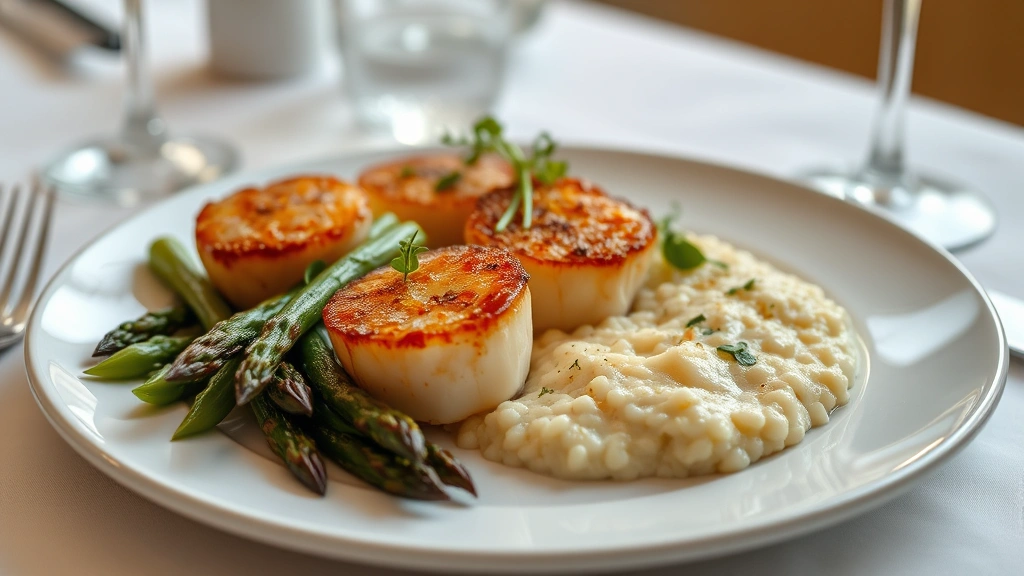
Presentation matters when serving baked scallops, especially for special occasions. Arrange them on warmed plates with their cooking liquid spooned around them. This creates an elegant presentation while adding moisture and flavor.
Side Dish Pairings:
- Creamy risotto with white wine and Parmesan
- Roasted asparagus with garlic and lemon
- Cauliflower puree with nutmeg
- Wild rice pilaf with dried cranberries
- Sautéed spinach with garlic and pine nuts
- Fresh pasta with light olive oil and herbs
Wine pairing elevates the entire experience. Crisp white wines like Sauvignon Blanc, Pinot Grigio, or Chablis complement the delicate scallop flavor beautifully. Avoid heavily oaked wines that might overpower the subtle taste.
For a more casual approach, serve baked scallops over simple preparations like crusty bread or polenta. The cooking liquid becomes a delicious sauce when spooned over these starches.
Garnish with microgreens, edible flowers, or a light drizzle of truffle oil for restaurant-style presentation. Fresh lemon wedges on the side allow guests to adjust acidity to their preference.
Troubleshooting Common Issues
Rubbery, Overcooked Scallops
Overcooking is the most common mistake. Scallops cook quickly—every minute over the ideal time makes them progressively tougher. Remove them the moment they turn opaque throughout. If you prefer slightly softer scallops, reduce baking time by one minute and check for doneness.
Pale, Steamed Appearance Instead of Golden Brown
This indicates moisture prevented browning. Ensure scallops are completely dry before cooking, and don’t crowd the baking dish. Wet scallops release steam that prevents crust formation. Consider pre-searing them in a hot skillet for 90 seconds per side before transferring to the oven—this guarantees a beautiful golden exterior.
Gritty Texture
Sand or shell fragments create an unpleasant mouthfeel. Inspect scallops carefully before cooking, and rinse if necessary. Run your fingers across the surface to detect grittiness before the scallops go into the oven.
Bland Flavor
Scallops are naturally sweet but subtle. Don’t be timid with salt—it enhances their delicate flavor rather than masking it. Fresh lemon juice is equally important; the acidity brightens everything. Taste and adjust seasoning before serving.
Uneven Cooking
Size variation causes this issue. Sort scallops by size and cook similarly-sized ones together. If you must mix sizes, place larger scallops toward the oven’s hotter areas and smaller ones toward cooler spots.
Scallops Sticking to the Dish
Adequate oil or butter in the baking dish prevents sticking. Ensure the bottom is well-coated before arranging scallops. After baking, let them rest for one minute before attempting to move them—this allows the crust to set slightly.
FAQ
Can I prepare baked scallops ahead of time?
You can prepare scallops through the seasoning stage up to 2 hours ahead. Cover them loosely with plastic wrap and refrigerate. Remove from the refrigerator 10 minutes before baking to bring them closer to room temperature. However, baking should happen just before serving for optimal texture and temperature.
What’s the difference between dry and wet scallops?
Wet scallops have been treated with sodium tripolyphosphate (STP), which increases moisture content and weight. They’re cheaper but won’t brown as effectively and contain less actual scallop meat. Dry scallops cost more but deliver superior browning, better flavor, and firmer texture. Always choose dry scallops for baking.
How do I know when scallops are perfectly cooked?
Perfectly cooked scallops turn opaque throughout and feel firm but not hard when gently pressed. They should have a slight resistance, similar to the flesh of a ripe avocado. Overcooked scallops feel tough and rubbery. When in doubt, undercook slightly—carryover cooking will finish them perfectly.
Can I use frozen scallops?
Yes, but thaw them completely and pat them very dry. Frozen scallops often contain more moisture than fresh ones, requiring extra drying time. Place thawed scallops on paper towels for 15-20 minutes before cooking. Reduce baking time slightly since frozen scallops may have started cooking during thawing.
What’s the best way to store leftover baked scallops?
Store cooled scallops in an airtight container in the refrigerator for up to 2 days. Reheat gently in a 300°F oven for 5-8 minutes to avoid further overcooking. Alternatively, enjoy them cold as a salad topping or appetizer.
Can I make this recipe in a cast iron skillet?
Absolutely! Cast iron’s superior heat retention creates an even better crust. Heat your skillet in the oven at 425°F, carefully add scallops with butter and seasonings, and bake for 12-14 minutes. The preheated skillet ensures immediate browning.
Should I remove the roe (coral) from scallops before cooking?
The coral (roe) is edible and delicious when cooked properly. Many chefs prefer leaving it attached as it adds richness and visual appeal. If you prefer to remove it, gently pull it away. Some recipes specifically call for cooking the coral separately for a different texture.
What if my oven temperature fluctuates?
Invest in an oven thermometer to monitor actual temperature. Many home ovens run hot or cold, affecting cooking times. If your oven runs hot, reduce temperature by 25°F and increase cooking time slightly. Check for doneness rather than relying solely on time.
Mastering baked scallops opens doors to impressive home cooking. This elegant preparation requires only quality ingredients, proper technique, and attention to timing. Whether you’re cooking for two or entertaining guests, this chef’s favorite baked scallops recipe delivers restaurant-quality results that feel effortless. Start with the classic preparation, then explore flavor variations as your confidence grows. Each attempt deepens your understanding of this beautiful seafood, transforming you into a confident home chef capable of creating truly memorable meals.


