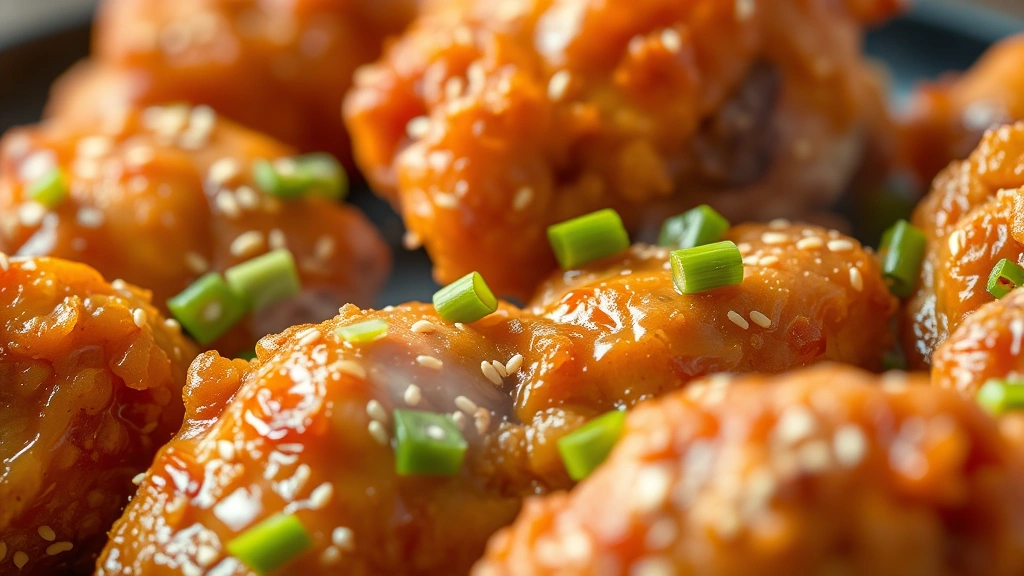
Bang Bang Chicken Recipe: Chef’s Secret Technique for Maximum Flavor
Bang bang chicken has become a beloved staple in Asian-inspired cuisine, celebrated for its perfect balance of crispy, tender chicken coated in a luscious, creamy sauce with a distinctive spicy-sweet kick. This dish, which originated from Sichuan cuisine, has evolved into a versatile recipe that works equally well as an appetizer, main course, or protein addition to salads and rice bowls. The magic lies not just in the ingredients, but in the technique—understanding how to achieve that signature “bang” texture and the precise method for creating the sauce that clings perfectly to every morsel.
What separates restaurant-quality bang bang chicken from mediocre homemade versions is attention to detail in preparation, cooking temperature, and sauce consistency. Professional chefs have long guarded their secrets, but we’re revealing the exact techniques that transform ordinary chicken into an extraordinary dish that’ll impress your family and guests. Whether you’re preparing this for a weeknight dinner or a special occasion, mastering this recipe will elevate your cooking repertoire significantly.
What Is Bang Bang Chicken?
Bang bang chicken is a Sichuan-inspired dish that features crispy fried chicken pieces bathed in a creamy, spicy sauce made from mayonnaise, sweet chili sauce, and Sriracha or similar heat-inducing condiments. The name “bang bang” comes from the Sichuan peppercorn’s numbing sensation, though modern interpretations have become more accessible to Western palates while maintaining that essential flavor complexity.
The dish represents a beautiful fusion of textures: the exterior crackles between your teeth while the interior remains tender and juicy. The sauce provides a cooling, creamy counterbalance to the heat, with subtle sweetness rounding out the flavor profile. This recipe fits perfectly into your collection of healthy chicken recipes, especially when you make mindful ingredient choices and cooking adjustments.
What makes bang bang chicken special is its versatility. Unlike many Asian dishes that require specific accompaniments, bang bang chicken adapts beautifully to various serving styles—over rice, in lettuce wraps, atop salads, or as a standalone appetizer. The crispy-creamy contrast makes it inherently satisfying regardless of how you serve it.
Essential Ingredients and Substitutions
Creating authentic bang bang chicken begins with understanding each ingredient’s role in the final dish. Here’s what you’ll need:
- Chicken: 1.5 to 2 pounds boneless, skinless chicken breasts or thighs (thighs stay moister if you prefer)
- Cornstarch: 1/2 cup for the crispy coating
- All-purpose flour: 1/4 cup mixed with cornstarch
- Salt and white pepper: 1 teaspoon each for seasoning the chicken
- Eggs: 2 large, beaten for the binding agent
- Oil for frying: Vegetable or peanut oil (high smoke point essential)
- Mayonnaise: 1 cup (full-fat for best results)
- Sweet chili sauce: 1/3 cup (Thai sweet chili sauce works perfectly)
- Sriracha: 2-3 tablespoons depending on heat preference
- Rice vinegar: 1 tablespoon for brightness
- Garlic: 2 cloves, minced finely
- Honey: 1 tablespoon for depth of sweetness
- Sesame oil: 1/2 teaspoon for aromatic complexity
Smart substitutions: If you’re avoiding mayonnaise, Greek yogurt provides a lighter alternative with similar binding properties. For a spice-sensitive palate, reduce Sriracha to 1 tablespoon and increase sweet chili sauce instead. Panko breadcrumbs mixed with cornstarch create an even crispier coating, though traditional cornstarch-flour blend remains superior for achieving that signature texture. Those seeking dairy-free options can substitute mayo with a cashew cream base mixed with lemon juice.
The quality of your sweet chili sauce matters considerably—authentic Thai brands deliver superior flavor compared to generic versions. Similarly, choosing a quality Sriracha (preferably Huy Fong or a similar established brand) makes a noticeable difference in the final sauce profile.
The Secret Technique: Preparation Methods
This is where professional chefs separate themselves from casual cooks. The preparation phase determines approximately 60% of your success with this dish.
Chicken preparation: Pat your chicken pieces completely dry using paper towels—moisture is the enemy of crispiness. If using chicken breasts, pound them to uniform 3/4-inch thickness using a meat mallet. This ensures even cooking throughout. Some chefs butterfly thicker breasts to create more surface area for the crispy coating. Cut prepared chicken into bite-sized pieces approximately 2-3 inches long, ensuring consistency so everything cooks simultaneously.
The double-drying technique: After cutting, place chicken pieces on a clean kitchen towel for 15-20 minutes, uncovered, in a cool room temperature environment. This allows surface moisture to evaporate naturally. Just before coating, pat once more with fresh paper towels. This seemingly simple step dramatically improves crispiness by reducing steam during frying.
Coating preparation: In a shallow bowl, whisk together cornstarch, flour, salt, and white pepper. White pepper is superior to black pepper here because it distributes invisibly and won’t create dark specks on your finished dish. In another shallow bowl, beat eggs with 1 tablespoon of water to create a thinner egg wash that coats more evenly.
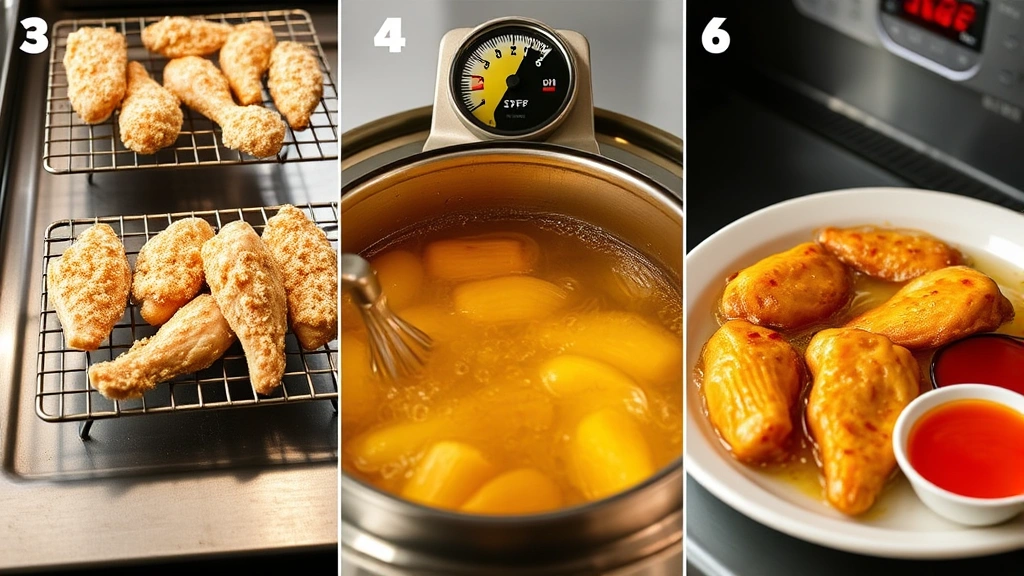
The dredging process: Working with 3-4 pieces at a time, coat chicken completely in the egg mixture, then immediately transfer to the cornstarch-flour mixture. Press the coating gently so it adheres well. Here’s the chef’s secret: allow coated pieces to rest on a wire rack for 5 minutes before frying. This “setting” time allows the coating to bond with the chicken surface, preventing it from separating during cooking.
Step-by-Step Cooking Instructions
Temperature control is absolutely critical: Heat 2-3 inches of oil in a heavy-bottomed pot or deep skillet to exactly 350°F (175°C). Use a deep-fry thermometer—guessing leads to disappointment. Too cool, and your chicken absorbs excessive oil and remains soggy. Too hot, and the exterior burns before the interior cooks through.
First fry: Working in batches to avoid overcrowding (which drops oil temperature), carefully place coated chicken pieces into the hot oil. Fry for approximately 4-5 minutes until the exterior achieves a light golden color. At this stage, the chicken isn’t fully cooked—this is intentional. Remove with a slotted spoon to a paper towel-lined plate.
Rest period: Allow all chicken pieces to rest for 5 minutes. This resting period is non-negotiable in professional kitchens. It allows carryover cooking to occur and gives you time to prepare the final frying phase.
Second fry for crispiness: Increase oil temperature to 375°F (190°C). Return all chicken pieces to the oil for a final 2-3 minute fry. This second fry dramatically increases crispiness by shattering the exterior while the interior remains perfectly cooked and juicy. Remove to fresh paper towels immediately.
Seasoning while hot: The moment chicken comes from the second fry, sprinkle lightly with fine sea salt. The heat opens the salt crystals, allowing penetration into the coating. This timing matters—seasoning after cooling won’t provide the same flavor integration.
Perfecting the Bang Bang Sauce
The sauce represents the soul of this dish. This is where sweet, spicy, creamy, and tangy notes converge in perfect harmony.
Sauce preparation method: In a medium bowl, combine 1 cup mayonnaise with 1/3 cup sweet chili sauce and 2-3 tablespoons Sriracha. Add minced garlic, 1 tablespoon rice vinegar, 1 tablespoon honey, and 1/2 teaspoon sesame oil. Whisk thoroughly until completely smooth and homogeneous.
The emulsification technique: Professional chefs understand that this sauce should achieve a silky, luxurious texture. If your sauce appears separated or grainy, it’s likely due to temperature shock or over-whisking. The solution: whisk ingredients slowly and deliberately, incorporating new elements gradually. Some chefs prefer using a small food processor or immersion blender for absolute smoothness, though careful whisking works equally well.
Flavor adjustment and tasting: This is where your palate becomes the guide. Taste the sauce before serving. Does it need more heat? Add Sriracha in small increments. Does it taste flat? A squeeze of fresh lime juice or additional rice vinegar brightens immediately. Too sweet? Add more Sriracha or vinegar to balance. Too heavy? Thin with a tablespoon of water at a time.
Consistency perfection: The sauce should coat a spoon but still be pourable. If it’s too thick, whisk in water one tablespoon at a time. If somehow too thin, add a tablespoon of mayonnaise and whisk again. Room temperature sauce coats chicken beautifully without causing the crispy exterior to soften.
The magic of this sauce lies in the balance between creamy richness and spicy heat, sweetness and tanginess. No single element should dominate—instead, they should work in concert. This is precisely why experimenting with your own adjustments matters. Your perfect bang bang sauce might differ slightly from someone else’s, and that’s entirely valid.
Serving Suggestions and Pairings
Bang bang chicken’s versatility shines when you consider serving options. Here are professional recommendations for maximum impact:
Over crispy rice or noodles: Serve bang bang chicken over jasmine rice or crispy chow mein noodles. The starch provides a neutral canvas that lets the sauce shine. Some chefs prefer serving on a bed of shredded cabbage for additional crunch and freshness.
In salads: Toss warm bang bang chicken with mixed greens, cucumber, carrots, and sesame seeds for a protein-packed salad. The warm chicken against cool greens creates an appealing temperature contrast. This approach aligns beautifully with your easy coleslaw recipe ideas—in fact, coleslaw makes an excellent bang bang chicken accompaniment.
As an appetizer: Serve bang bang chicken on small toothpicks or skewers with sauce on the side for dipping at parties. This presentation impresses guests and allows controlled sauce application.
In lettuce wraps: Place a piece of bang bang chicken in a butter lettuce or romaine leaf with fresh herbs, cucumber, and a drizzle of sauce. This low-carb option satisfies without heaviness.
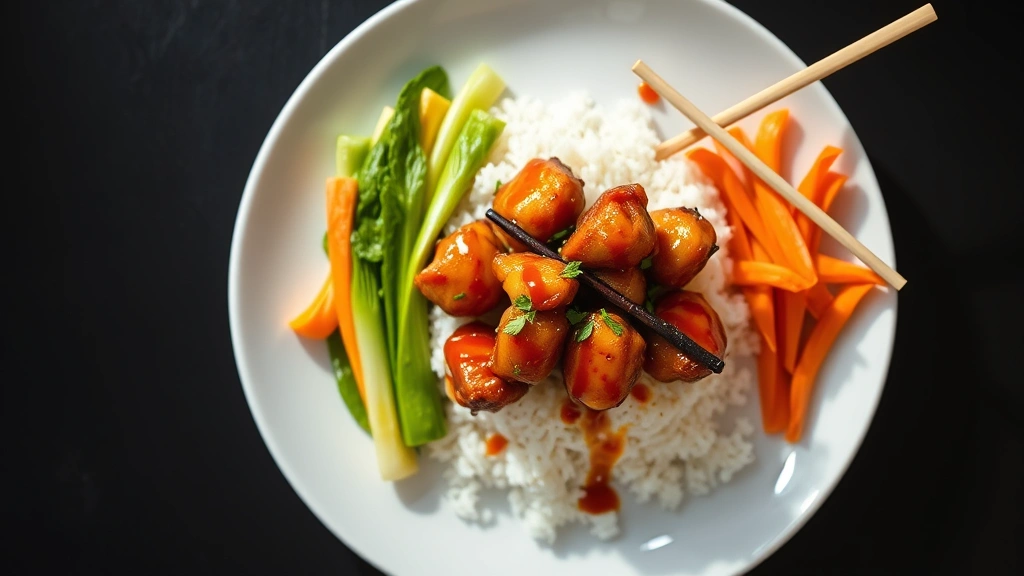
Complementary side dishes: Steamed bok choy, stir-fried broccoli, or simple cucumber salad with rice vinegar all pair exceptionally well. If you’re planning a more elaborate meal, consider preparing this alongside fall recipes that feature seasonal vegetables for a unique seasonal twist.
Beverage pairings: The creamy, spicy nature of bang bang chicken pairs beautifully with cold beer, particularly lagers or wheat beers. For non-alcoholic options, jasmine tea or sparkling lemonade complement the dish’s flavor profile nicely.
Storage and Make-Ahead Tips
Chicken storage: Cooked bang bang chicken keeps refrigerated in an airtight container for up to 3 days. To reheat, place on a baking sheet in a 350°F (175°C) oven for 8-10 minutes to restore crispiness. Microwave reheating causes the coating to become soggy—avoid this method.
Sauce storage: The sauce keeps refrigerated for up to 5 days, making it convenient for meal prep. Store in an airtight glass container. The sauce may thicken slightly when cold—whisk in a tablespoon of water before serving if needed.
Make-ahead strategy: Prepare the sauce completely 1-2 days ahead. Coat the chicken up to 4 hours before frying, storing coated pieces on a wire rack uncovered in the refrigerator. This actually improves the coating’s adhesion. Fry everything fresh just before serving for optimal crispiness.
Freezing consideration: Cooked bang bang chicken doesn’t freeze particularly well due to texture changes, though you can freeze uncooked coated chicken pieces for up to 1 month. Fry directly from frozen, adding 2-3 minutes to each frying stage. The sauce freezes adequately for up to 2 months—thaw overnight in the refrigerator before using.
Batch cooking for meal prep: This recipe scales beautifully for meal prep. Prepare a large batch, store chicken and sauce separately, and portion into containers for the week. This approach works perfectly if you’re building your healthy crockpot recipes collection and want additional protein options.
Chef’s Troubleshooting Guide
Problem: Soggy, non-crispy coating
Cause and solution: This indicates insufficient drying before cooking or oil temperature too low. Ensure chicken is completely dry before coating. Use a thermometer to verify oil reaches 350°F for the first fry and 375°F for the second fry. Never skip the double-fry technique—it’s essential for crispiness.
Problem: Coating separates from chicken during frying
Cause and solution: The coating wasn’t properly set before frying. Always allow coated chicken to rest on a wire rack for 5 minutes before frying. Additionally, ensure your egg wash is thin enough (beaten with water) to create proper adhesion. Overcrowding the pan also causes this issue—fry in smaller batches.
Problem: Chicken is dry inside despite proper cooking time
Cause and solution: You’re likely using chicken breasts that are too thick. Always pound breasts to uniform 3/4-inch thickness or use thighs, which naturally contain more fat and stay moister. Additionally, don’t exceed the recommended frying times—overcooked chicken becomes inevitably dry.
Problem: Sauce is too thick or too thin
Cause and solution: Adjust with water to thin or additional mayonnaise to thicken. Add liquids one tablespoon at a time while whisking to achieve proper consistency. Remember that the sauce will thicken slightly when refrigerated.
Problem: Sauce tastes flat or one-dimensional
Cause and solution: Likely missing acid balance. Add rice vinegar or fresh lime juice in small increments. Each acid addition should be followed by tasting. The sauce should make your mouth water slightly and have complexity rather than a single dominant flavor.
Nutritional Considerations and Lighter Variations
Standard preparation nutrition: A typical serving (about 4-5 pieces with sauce) contains approximately 450-500 calories, with moderate protein and higher fat content due to the fried preparation and creamy sauce. This isn’t a light dish, but it’s occasional-indulgence worthy.
Lighter modifications: For a healthier version without sacrificing flavor significantly, try air-frying the coated chicken at 380°F for 12-14 minutes, shaking the basket halfway through. This reduces oil absorption by approximately 70% while maintaining reasonable crispiness. Alternatively, bake coated chicken on a wire rack set over a baking sheet at 400°F for 15-18 minutes, lightly misting with cooking spray before baking.
Sauce alternatives: Replace half the mayonnaise with Greek yogurt to reduce calories and increase protein. The sauce will be slightly less rich but still delicious. This modification works particularly well if you’re planning this dish alongside healthy chicken recipes for regular meal rotation.
Portion control strategy: Serve bang bang chicken with substantial vegetable sides to increase satiety without adding excessive calories. A large salad or vegetable stir-fry alongside a moderate portion of chicken creates a satisfying, more balanced meal.
Advanced Techniques and Professional Secrets
Temperature gradient frying: Some professional chefs employ a temperature gradient technique: frying at 325°F initially to cook the interior completely, then increasing to 375°F for a brief final crisping. This method is more complex but reduces the risk of burning the exterior before the interior cooks through, particularly with larger pieces.
Brine application: For maximum juiciness, brine your chicken pieces in a solution of 1/4 cup salt, 2 cups water, and 1 tablespoon sugar for 2-4 hours before coating. This ensures moisture retention during frying. Pat completely dry before proceeding with the coating process.
Aromatics in the oil: Some chefs add a piece of ginger, garlic, and a star anise to the frying oil to infuse subtle aromatic flavors. Remove these elements before frying the chicken, but they impart a sophisticated complexity to the finished dish.
Sauce temperature theory: While room temperature sauce is standard, some chefs slightly warm the sauce (not hot—just 110-120°F) before serving. This allows the sauce to coat more evenly and adhere better to the warm chicken. Use caution not to heat so much that it becomes runny.
Finishing touches: Professional presentations often include garnishes like sesame seeds, sliced green onions, cilantro, or crushed peanuts. These elements add visual appeal, textural contrast, and additional flavor dimensions. A light drizzle of sesame oil over the finished dish adds aromatic sophistication.
FAQ
Can I make bang bang chicken without deep frying?
Yes, though the texture differs. Air-frying at 380°F for 12-14 minutes produces acceptable crispiness with significantly less oil. Baking works but produces less crispy results. Pan-frying in 1/2 inch of oil provides a compromise between full deep-frying and healthier methods, though you’ll need to flip pieces halfway through.
What’s the difference between bang bang chicken and other Asian chicken dishes?
Bang bang chicken specifically features the creamy mayo-based sauce with Sriracha and sweet chili, creating a sweet-spicy-creamy profile unique among Asian chicken preparations. General tso’s chicken uses a soy-vinegar glaze, while kung pao chicken features peanuts and dried chilies. Each offers distinct flavor experiences.
Can I use chicken thighs instead of breasts?
Absolutely—many chefs prefer thighs for this dish because they remain juicier after frying. Thighs are more forgiving for timing since they’re harder to overcook. Cut thighs into similar-sized pieces as breasts for consistent cooking. Expect slightly more fat content and richer flavor with thighs.
How can I reduce the spice level?
Reduce Sriracha to 1 tablespoon or eliminate entirely, increasing sweet chili sauce to 1/2 cup instead. You’ll maintain flavor complexity while reducing heat significantly. Alternatively, serve the sauce on the side so diners control their spice intake.
Is the double-fry method really necessary?
Yes, for achieving professional-quality crispiness. The first fry cooks the interior; the second fry shatters the exterior, creating that signature texture. Single-frying produces acceptable results but lacks the exceptional crispiness that distinguishes excellent bang bang chicken.
What oil should I use for frying?
Use oils with high smoke points: peanut oil (450°F), vegetable oil (450°F), or canola oil (400°F). Avoid olive oil, which has a low smoke point and will impart undesirable flavors. Peanut oil is superior for Asian dishes due to its neutral flavor and appropriate smoke point.
Can I prepare the chicken ahead and fry it later?
Yes, coat chicken up to 4 hours ahead and refrigerate on a wire rack uncovered. The cold temperature actually improves coating adhesion. Fry directly from the refrigerator, adding 1-2 minutes to each frying stage. The coating will be more crispy than if fried immediately.
Why is my sauce breaking or appearing curdled?
This typically occurs from temperature shock or over-whisking. Ensure all ingredients are at room temperature before combining. Whisk slowly and deliberately rather than vigorously. If breakage occurs, start with a fresh egg yolk in a clean bowl and slowly whisk in the broken sauce to re-emulsify.
How do I store leftovers to maintain crispiness?
Store chicken and sauce separately in airtight containers. To reheat, place chicken on a baking sheet in a 350°F oven for 8-10 minutes rather than microwaving. Microwaving creates steam that destroys crispiness. Reheating in the oven restores texture effectively.
Can I make this dish gluten-free?
Yes, substitute the all-purpose flour with cornstarch entirely (use 3/4 cup cornstarch instead of 1/2 cup cornstarch plus 1/4 cup flour). The coating will be slightly less crispy but still acceptable. Verify that your sweet chili sauce and Sriracha are gluten-free, as some brands contain wheat.


