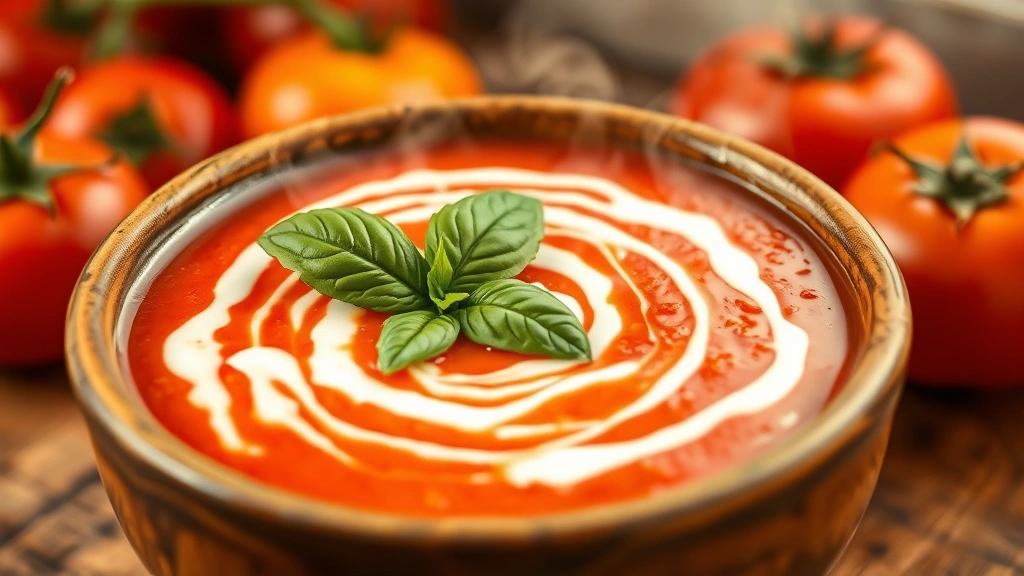
Creamy Tomato Soup Recipe: Grandma’s Secret
There’s something magical about a bowl of creamy tomato soup on a chilly afternoon. This classic comfort food has warmed hearts and filled bellies for generations, and today I’m sharing my grandmother’s treasured recipe that transforms simple ingredients into pure comfort. What makes this version special isn’t just the velvety cream or the perfectly balanced acidity—it’s the careful technique and quality ingredients that elevate it from ordinary to extraordinary.
My grandmother guarded this recipe like a precious heirloom, and for good reason. Over the years, I’ve learned that the secret lies not in complicated steps or exotic ingredients, but in understanding how each component contributes to the final dish. Fresh tomatoes, aromatic vegetables, and a touch of cream create a soup that tastes like it simmered for hours, even though it comes together in less than an hour. Whether you’re cooking for yourself or feeding a crowd, this creamy tomato soup recipe will become your go-to comfort food.
Why This Creamy Tomato Soup Recipe Stands Out
This isn’t just another tomato soup—it’s a recipe that balances multiple flavor profiles to create something truly special. The foundation starts with quality canned tomatoes (or fresh tomatoes if you’re making this during peak season), which provide consistent flavor and body. Many recipes rely solely on cream to create richness, but my grandmother’s approach uses a combination of techniques to build depth and complexity.
The magic happens through patient sautéing of aromatics, careful deglazing, and a slow simmer that allows flavors to meld beautifully. Unlike quick-fix versions that taste thin and one-dimensional, this soup develops layers of flavor that make people wonder what your secret ingredient is. The answer? It’s not one secret ingredient—it’s respecting the process and using quality components throughout.
When you taste this soup alongside other recipes, you’ll notice the difference immediately. The body feels luxurious without being heavy, the tomato flavor shines without being acidic, and the overall experience feels like home cooking at its finest. This is why generations have loved this recipe, and why you’ll want to pass it along to your own family.
Essential Ingredients for Perfect Soup
Creating excellent creamy tomato soup starts with understanding each ingredient’s role. Here’s what you’ll need:
- Canned San Marzano tomatoes (28 oz can): These tomatoes have fewer seeds and lower water content, making them ideal for soup. They’re sweeter and less acidic than other varieties.
- Yellow onion (1 large): Provides a sweet, savory base that mellows with cooking.
- Garlic cloves (3-4): Adds aromatic depth without overpowering the tomato flavor.
- Butter (3 tablespoons): Creates a rich base for sautéing and adds silky mouthfeel.
- Olive oil (2 tablespoons): Complements the butter and adds fruity notes.
- Vegetable or chicken broth (3 cups): Provides body and helps distribute flavors evenly.
- Heavy cream (1 cup): Creates the velvety texture that defines this soup.
- Tomato paste (2 tablespoons): Intensifies tomato flavor and adds concentrated depth.
- Fresh basil (6-8 leaves): Adds aromatic brightness that complements tomato perfectly.
- Salt and black pepper (to taste): Essential for seasoning and balancing flavors.
- Pinch of sugar (½ teaspoon): Balances acidity without making the soup taste sweet.
The quality of these ingredients directly impacts your final result. San Marzano tomatoes genuinely make a difference—their lower acidity and fewer seeds create a naturally smooth soup. Fresh garlic and basil (rather than dried) provide brightness that transforms the dish from good to exceptional.
Step-by-Step Cooking Instructions
Preparation (5 minutes):
- Dice the yellow onion into small, uniform pieces. Mince the garlic cloves finely. Having ingredients prepped before you start cooking ensures smooth, controlled execution.
- Open the can of tomatoes and pour into a bowl, crushing them slightly by hand. Leave some texture—you’re not making a puree.
- Measure out all broth, cream, and other ingredients. This mise en place approach prevents scrambling mid-recipe.
Building the Base (10 minutes):
- Heat butter and olive oil in a large pot over medium heat. The combination of both fats creates the best flavor—butter provides richness while olive oil prevents burning.
- Once the butter foams, add diced onions and a pinch of salt. Cook for 5-7 minutes, stirring occasionally, until onions are translucent and just beginning to caramelize at the edges. This process develops natural sweetness through the Maillard reaction.
- Add minced garlic and cook for 1-2 minutes until fragrant. Watch carefully—garlic burns easily and becomes bitter, which would ruin the soup’s delicate balance.
- Stir in tomato paste and cook for 2 minutes, stirring constantly. This caramelizes the paste slightly and concentrates its flavor.
Combining Ingredients (5 minutes):
- Pour in the crushed tomatoes with their juices, scraping any flavorful browned bits from the pot bottom. These fond particles contain concentrated flavor.
- Add vegetable or chicken broth. If you prefer a thicker soup, use 2.5 cups broth; for lighter consistency, use 3.5 cups. Stir well to combine all elements.
- Bring the mixture to a gentle simmer. Avoid boiling, which can make the soup taste harsh and cause the cream to break later.
Simmering and Developing Flavor (15-20 minutes):
- Reduce heat to medium-low and simmer gently for 15-20 minutes. This allows flavors to meld, acidity to mellow, and the soup to develop body naturally.
- Taste the soup after 10 minutes. The flavor should be balanced—tomato-forward without being acidic, savory without being salty.
- If the soup tastes too acidic, stir in the pinch of sugar. If it tastes flat, add more salt gradually, tasting after each addition.
Creating Creaminess (5 minutes):
- For the silkiest texture, use an immersion blender to puree the soup until completely smooth. If you prefer a chunkier texture, blend only half the soup and stir it back in.
- Alternatively, carefully transfer soup in batches to a blender, leaving at least 2 inches of headspace. Never blend hot liquid in a completely full blender.
- Return the blended soup to the pot and set heat to medium-low.
Finishing Touches (5 minutes):
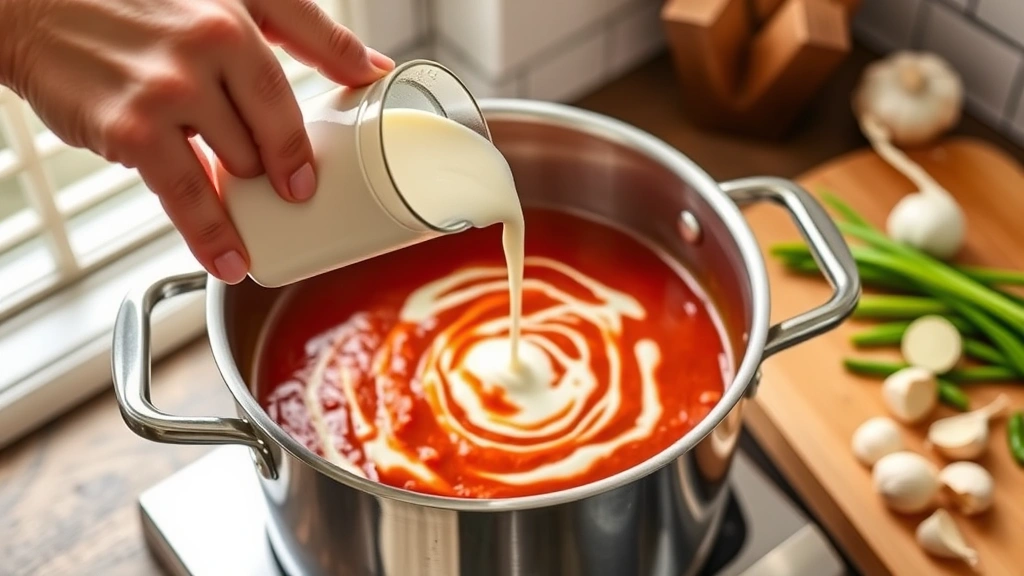
- Stir in heavy cream slowly, stirring constantly to incorporate evenly. Add it gradually rather than all at once—this prevents temperature shock and ensures silky consistency.
- Taste and adjust seasoning with salt and pepper. Remember that salt enhances all flavors, so a small amount goes a long way.
- Tear fresh basil leaves and stir them in just before serving. Fresh basil loses flavor when cooked too long, so add it at the very end.
- If the soup is too thick, thin with a bit of broth or cream. If too thin, simmer uncovered for a few extra minutes to reduce and concentrate.
Pro Tips for Restaurant-Quality Results
Temperature Control Matters: Never let the soup boil once cream is added. High heat can cause the cream to separate, creating a grainy texture instead of silky smoothness. Keep the heat at medium or medium-low once dairy is incorporated.
Blending Technique: A smooth soup is half the battle. For the silkiest result, blend until completely smooth, then pass through a fine-mesh strainer if you want to remove any remaining seeds or skins. This extra step creates restaurant-quality texture.
Seasoning Strategy: Season in layers rather than all at once. Taste after adding broth, before adding cream, and after adding cream. Each addition changes how salt distributes, and cream slightly mutes flavors, so final seasoning is crucial.
Acid Balance: Tomato soup can taste flat or harsh depending on acidity levels. A tiny pinch of sugar balances acidity beautifully—you shouldn’t taste sweetness, just better-balanced tomato flavor. Conversely, a squeeze of fresh lemon juice adds brightness if the soup tastes dull.
Infusing Extra Flavor: For deeper complexity, add a bay leaf during simmering and remove before blending. A small piece of Parmesan rind also adds umami richness. These additions are optional but take the soup from great to exceptional.
Many home cooks miss these details, which is why restaurant versions often taste superior. With attention to temperature, technique, and layered seasoning, your creamy tomato soup recipe will rival any restaurant version.
Serving Suggestions and Pairings
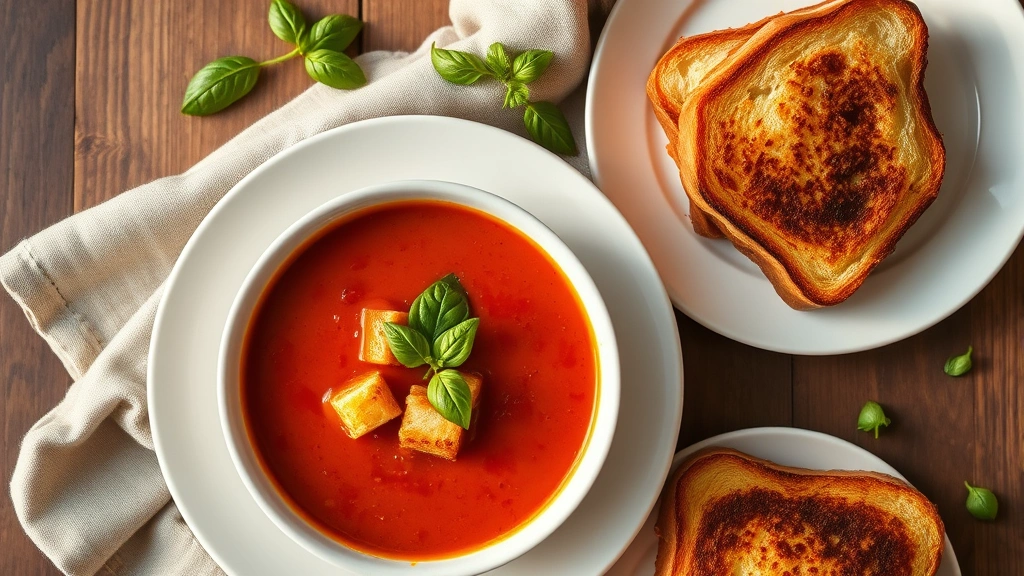
This soup shines when paired with complementary flavors and textures. A grilled cheese sandwich is the classic pairing, but there are countless delicious options:
- Croutons: Homemade croutons add satisfying crunch. Toss bread cubes with olive oil, garlic powder, and herbs, then bake until golden.
- Fresh Basil Oil: Blend fresh basil with olive oil and drizzle over each bowl for aromatic elegance.
- Crispy Bacon Bits: Cook bacon until crispy, crumble, and sprinkle over the soup for smoky, salty contrast.
- Parmesan Crisps: Bake small mounds of grated Parmesan until crispy for an umami-rich garnish.
- Pickled Vegetables: A spoonful of pickled radish recipe adds bright acidity and crunch that cuts through richness beautifully.
- Balsamic Drizzle: A few drops of aged balsamic vinegar add sophistication and complexity. Try our balsamic vinaigrette recipe for inspiration.
For a complete meal, consider pairing with items from our fall recipes collection, which offers seasonal sides that complement tomato soup beautifully. A simple green salad with vinaigrette also balances the soup’s richness.
Bread options extend beyond grilled cheese—rustic sourdough, focaccia, or breadsticks all work wonderfully. The key is having something to dip or crunch alongside the smooth, creamy soup.
Storage and Make-Ahead Options
Refrigerator Storage: This soup keeps beautifully in the refrigerator for up to 4 days in an airtight container. The flavors actually deepen slightly as it sits, making leftovers exceptional.
Freezing Considerations: Cream-based soups can be frozen, but the texture may change slightly upon thawing. For best results, freeze the soup before adding cream. Freeze in portions using freezer bags or containers for up to 3 months. Thaw overnight in the refrigerator, then reheat gently on the stovetop, adding fresh cream when serving.
Make-Ahead Approach: Prepare the soup through the blending step (before adding cream) and refrigerate. When ready to serve, reheat gently, add cream and fresh basil, and adjust seasoning. This flexibility makes the recipe perfect for entertaining.
Reheating Instructions: Reheat gently over medium-low heat, stirring occasionally. If the soup seems thick after refrigeration, thin with a bit of broth or cream. Never use high heat—this risks breaking the cream and creating an unpleasant texture. A microwave works in a pinch: heat in 2-minute intervals, stirring between each, until the desired temperature is reached.
Batch Cooking: This recipe doubles beautifully. Make a large batch and freeze portions for easy weeknight dinners. Having homemade soup in the freezer is like having a restaurant meal ready whenever you need comfort food.
FAQ
Can I use fresh tomatoes instead of canned?
Absolutely! Use about 2 pounds of ripe tomatoes. Core them, roughly chop, and proceed with the recipe. Fresh tomatoes provide wonderful flavor, especially during peak season. However, canned San Marzano tomatoes offer consistency year-round and are actually preferable for soup since they have fewer seeds and less water content. If using fresh tomatoes, you may need to simmer longer for the flavors to concentrate.
What if I don’t have heavy cream?
Several substitutes work well. Use half-and-half for a lighter version, though the texture will be less luxurious. Greek yogurt or sour cream can replace cream in equal amounts, adding tangy flavor. Even whole milk works in a pinch—add 2 tablespoons of butter to increase richness. Coconut cream creates a dairy-free version with interesting flavor complexity.
Is this soup suitable for vegetarians?
Yes! This recipe is naturally vegetarian when made with vegetable broth. Make sure your broth and any other ingredients don’t contain animal products. The soup is hearty and satisfying without any meat.
How can I reduce the calories in this soup?
Use half-and-half or milk instead of heavy cream, reduce the butter to 1 tablespoon, and use olive oil for the remaining fat. You can also use Greek yogurt instead of cream for a protein boost with fewer calories. The soup will be lighter but still delicious and comforting.
Can I add vegetables to this soup?
Definitely! Finely diced carrots, celery, or bell peppers can be sautéed with the onions. Spinach, kale, or zucchini can be added during the simmering stage. Just remember that adding vegetables increases the cooking time and may require additional broth to maintain the right consistency.
What’s the best way to blend hot soup safely?
An immersion blender is the safest option—blend directly in the pot. If using a traditional blender, work in small batches, never filling more than halfway. Remove the center cap from the blender lid and cover with a kitchen towel to allow steam to escape. Always start on low speed and gradually increase to avoid splattering.
Why does my soup taste bitter?
Bitterness usually comes from burnt garlic or overcooked tomato paste. Make sure to cook garlic for just 1-2 minutes and watch it carefully. Also, avoid boiling the soup once cream is added—high heat can make cream taste slightly bitter. If bitterness occurs, add a pinch of sugar or a squeeze of lemon juice to balance it.
Can I make this soup in a slow cooker?
Yes! Sauté the onions, garlic, and tomato paste on the stovetop first, then transfer everything to a slow cooker with broth and tomatoes. Cook on low for 6-8 hours or high for 3-4 hours. Blend, add cream, and adjust seasoning just before serving. Slow cooking allows even more flavor development, though you lose the control that stovetop cooking provides.


