Homemade Creole Seasoning? Chef’s Secret Mix
Creating your own creole seasoning recipe at home transforms how you cook. This vibrant blend captures the soul of Louisiana cuisine—bold, complex, and utterly addictive. Unlike store-bought versions loaded with fillers and preservatives, homemade creole seasoning lets you control every ingredient, adjust heat levels, and customize flavors to match your palate perfectly.
Professional chefs guard their seasoning blends like precious secrets. Today, you’ll discover exactly why. This chef’s secret mix combines paprika, garlic, onion, cayenne, and a dozen other spices in precise proportions that create magic on everything from grilled proteins to roasted vegetables. The best part? You probably have most ingredients already in your pantry.
Whether you’re preparing easy dinner recipes or tackling ambitious weeknight meals, this homemade blend elevates every dish. Let’s unlock the secrets that professional kitchens have perfected over generations.
What Makes Creole Seasoning Special
Creole seasoning differs fundamentally from Cajun seasoning, though many people confuse them. While both originate from Louisiana’s rich culinary heritage, creole represents the refined, city-style cooking of New Orleans with French, Spanish, and African influences. Cajun reflects the rustic, country cooking of Acadiana with heavier spice profiles.
Creole seasoning emphasizes balance and complexity. It’s not about heat alone—though cayenne plays a role. Instead, this blend layers paprika’s subtle sweetness, garlic’s pungency, onion’s depth, and oregano’s herbaceous notes into a harmonious whole. The magic happens when these ingredients work together, each enhancing the others’ best qualities.
Professional chefs prize creole seasoning because it works across multiple cooking styles. Use it for grilling steaks, seasoning rice dishes, flavoring seafood, or enhancing vegetable preparations. This versatility makes it invaluable in any kitchen. The seasoning doesn’t overpower delicate ingredients; instead, it amplifies their natural flavors while adding distinctive character.
Understanding the history helps appreciate the formula. Creole cooking emerged when French colonists, Spanish settlers, and African enslaved people’s culinary traditions merged in New Orleans. This fusion created something entirely new—dishes that couldn’t exist without all three influences. The seasoning blend reflects this democratic approach: no single spice dominates, yet each contributes essential character.
Essential Ingredients Breakdown
This chef’s secret mix contains ten core ingredients, each serving specific purposes. Understanding what each component contributes helps you appreciate the blend’s architecture and make intelligent adjustments later.
Paprika (2 tablespoons) forms the blend’s foundation. Use sweet paprika, not smoked varieties, which would overpower delicate dishes. Paprika provides color, subtle sweetness, and mild pepper flavor without significant heat. Quality matters tremendously here—fresh paprika tastes exponentially better than stale versions that have lost vibrancy.
Garlic powder (1½ tablespoons) delivers concentrated garlic flavor without moisture that fresh garlic would introduce. This prevents clumping and ensures even distribution throughout the blend. Garlic powder’s umami-rich qualities deepen the overall seasoning profile, making dishes taste richer and more complex.
Onion powder (1½ tablespoons) complements garlic while adding its own sweetness and depth. Like garlic powder, the dried form distributes evenly and won’t introduce excess moisture. Together, these two powders create an aromatic foundation that reminds us of classic mirepoix—the holy trinity of French cooking.
Cayenne pepper (1-2 teaspoons) provides heat. Start with one teaspoon for moderate spice; add more if you prefer aggressive heat. Cayenne’s warmth builds gradually rather than hitting immediately, allowing heat to develop pleasantly across your palate. This measured approach distinguishes creole from the more aggressive heat of cajun blends.
Black pepper (1 tablespoon) adds peppery bite and complexity. Always use freshly ground black pepper—pre-ground versions lose volatile oils that make pepper taste alive and vibrant. This ingredient sharpens other flavors while contributing its own peppery character.
Dried oregano (1 tablespoon) brings herbaceous earthiness. Mediterranean oregano works beautifully, though Mexican oregano offers different character if you want experimentation. Oregano’s slight bitterness balances paprika’s sweetness, creating equilibrium in the blend.
Dried thyme (1 teaspoon) adds subtle herbal notes without dominating. Thyme’s delicate flavor works best when not overpowered by stronger herbs. This ingredient contributes complexity that keeps your palate engaged throughout a meal.
Salt (1 tablespoon) enhances all other flavors through osmosis and chemical reactions. Salt doesn’t just taste salty—it amplifies perception of other flavors while suppressing bitterness. This is why professional chefs carefully balance salt content.
Dried basil (1 teaspoon) introduces slight sweetness and anise-like notes. Basil bridges the gap between oregano and thyme, adding dimension that prevents the blend from tasting one-dimensional. Use dried basil rather than fresh, which would introduce moisture.
Optional additions include smoked paprika (½ teaspoon for subtle smoke), white pepper (½ teaspoon for different heat character), or dried mustard powder (½ teaspoon for tang). These optional ingredients let you customize toward your preferences.
Step-by-Step Mixing Instructions
Creating homemade creole seasoning requires no special equipment—just careful measurement and thorough mixing. Here’s the professional approach that ensures consistent results every time.
Step One: Gather and measure ingredients precisely. Use measuring spoons, not eyeballing. Professional kitchens measure everything because consistency matters. Arrange ingredients in small bowls or on parchment paper so you can see everything clearly. This prevents accidentally doubling ingredients or forgetting components.
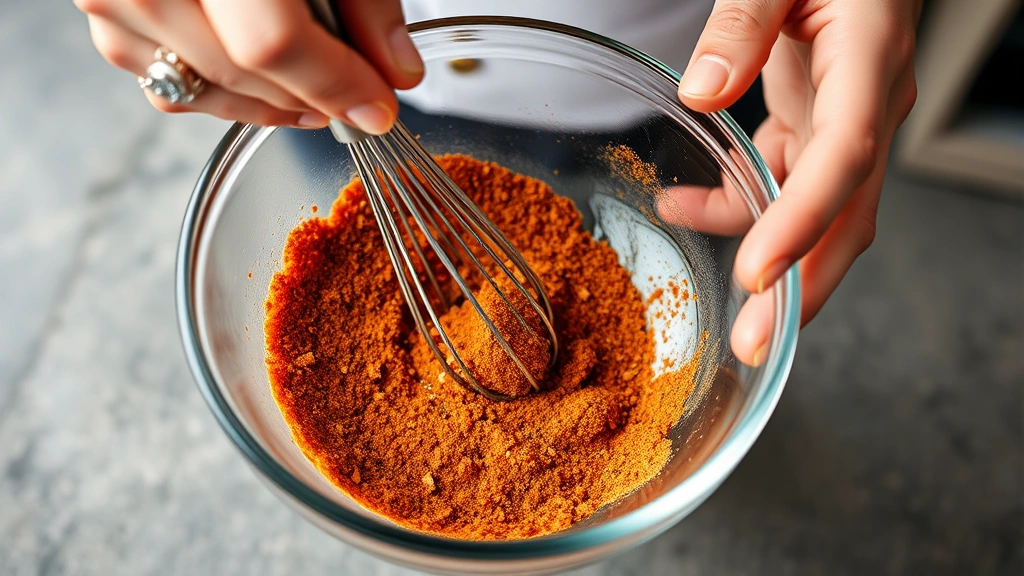
Step Two: Combine dry ingredients in a medium bowl. Start with paprika, garlic powder, and onion powder. Whisk these three together thoroughly, breaking up any lumps. These form your aromatic foundation, so ensure even distribution before adding remaining ingredients.
Step Three: Add remaining spices gradually. Pour in black pepper, oregano, thyme, and basil. Whisk constantly for two minutes, ensuring each addition integrates fully. This gradual approach prevents clumping and distributes flavors evenly. You should see a uniform reddish-brown mixture with visible herb flecks.
Step Four: Incorporate cayenne carefully. Add cayenne last, starting with one teaspoon. Whisk thoroughly for one full minute. Taste a tiny pinch—it should provide warmth without overwhelming heat. Add additional cayenne if desired, whisking another minute before tasting again.
Step Five: Final salt incorporation. Add salt last and whisk vigorously for two full minutes. This ensures salt distributes evenly; clumped salt creates hot spots where your food tastes unexpectedly salty. The finished blend should appear uniform with no visible salt crystals.
Step Six: Screen for lumps (optional but professional). For ultra-fine texture, pass the mixture through a fine-mesh sieve into another bowl. This removes any remaining herb pieces or spice clumps, creating silky-smooth seasoning. Most home cooks skip this step, but professionals use it for consistent texture.
Pro tip: Whisk the finished seasoning occasionally while storing. Spices naturally separate over time as heavier particles settle. Brief whisking before each use ensures consistent flavor distribution.
Storage and Shelf Life
Proper storage determines whether your homemade seasoning maintains peak flavor or gradually fades. This creole blend lasts considerably longer than fresh herbs but requires smart storage practices.
Container selection matters tremendously. Use glass jars with airtight seals—mason jars work perfectly. Avoid plastic, which absorbs flavors and allows subtle oxidation. Dark glass protects spices from light degradation better than clear glass. Label your jar with the blend name and creation date.
Storage location is critical. Keep your creole seasoning in a cool, dark cabinet away from direct sunlight, heat sources, and humidity. Never store above the stove, in cabinets near ovens, or in humid environments like bathrooms. Temperature fluctuations cause moisture absorption, promoting clumping and flavor degradation.
Shelf life expectations: Properly stored creole seasoning maintains peak flavor for six to eight months. After eight months, flavors gradually fade though the seasoning remains safe indefinitely. Herbs lose potency faster than spices—the dried oregano, thyme, and basil fade first. Make fresh batches quarterly for optimal results.
Signs of degradation: If your seasoning smells musty, shows clumping that won’t break apart, or tastes significantly weaker than when fresh, it’s time to make a new batch. Stale seasoning wastes ingredients in your actual dishes without providing flavor payoff.
Usage Guide and Applications
Understanding how to apply creole seasoning maximizes its potential. This versatile blend works across proteins, vegetables, grains, and even beverages when used thoughtfully.
For proteins: Season chicken, seafood, pork, and beef by rubbing one to two teaspoons per pound of meat directly onto surfaces thirty minutes before cooking. The seasoning forms a flavorful crust while allowing flavors to penetrate. Try this blend with marinades for grilled meats or as a dry rub base before cooking.
For vegetables: Toss one to two teaspoons with olive oil and vegetables before roasting. Creole seasoning brightens roasted broccoli, cauliflower, Brussels sprouts, carrots, and bell peppers. The herbs caramelize slightly during roasting, developing deeper flavors.
For rice and grains: Stir one teaspoon into cooked rice or other grains immediately after cooking, while steam still rises. The warmth helps flavors bloom and distribute evenly. This transforms plain rice into a flavorful side dish.
For soups and stews: Add one to two teaspoons when building flavors. Unlike dried herbs that need simmering time, this blend’s powdered components integrate immediately. Add it early in cooking so flavors meld with other ingredients.
For chili and bean dishes: This seasoning blend works wonderfully in hearty one-pot meals. Start with one teaspoon per quart of liquid, adjusting to taste. The blend’s complexity complements meat, beans, and tomatoes beautifully.
For dips and spreads: Mix one to two teaspoons into cream cheese, sour cream, or yogurt-based dips. The seasoning hydrates slightly from moisture, blooming flavors within minutes. This creates restaurant-quality dips instantly.
General guidelines: Start conservatively—you can always add more, but you can’t remove overseasoning. One teaspoon typically seasons enough food for two to three servings. Adjust based on whether you’re seasoning delicate foods (fish, vegetables) or assertive dishes (chili, gumbo).
Customization Tips for Your Taste
The beauty of homemade seasoning lies in customization possibilities. This base recipe provides a starting point; you can adjust it infinitely toward your preferences.
For heat lovers: Increase cayenne to three teaspoons or add one teaspoon of white pepper for different heat character. Some cooks add ½ teaspoon of habanero powder for fruity heat. Start small—dried peppers are potent.
For herb-forward profiles: Increase oregano to two tablespoons and thyme to two teaspoons. Add one teaspoon of dried rosemary for piney notes or one teaspoon of dried marjoram for slightly different herbal character. Decrease paprika slightly to prevent the blend from becoming too sweet.
For smoky preferences: Replace regular paprika with smoked paprika entirely, or use a 1:1 ratio of regular to smoked. Add ½ teaspoon of smoked salt if available. This creates a campfire-like quality perfect for grilled foods.
For citrus brightness: Add one teaspoon of dried lemon zest or lime zest powder. This introduces acid notes that make the seasoning feel fresher and more vibrant. Citrus complements seafood particularly well.
For umami depth: Add ½ teaspoon of dried mustard powder or ½ teaspoon of mushroom powder. These increase savory depth, making the blend more complex and restaurant-quality. Umami balances heat while enhancing other flavors.
For milder applications: Decrease cayenne to ½ teaspoon and salt to two teaspoons. Increase paprika to three tablespoons for more sweetness. This creates a gentler blend suitable for herb-forward cooking without aggressive heat.
Testing strategy: When customizing, make small test batches first. Use half-quantities to experiment with additions before committing to full batches. Keep notes on what works—you’ll develop your signature blend over time.
Ingredient sourcing matters. Purchase spices from reputable sources with good turnover. Bulk spice stores typically offer fresher products than supermarket shelf spices that may have sat for months. Fresher spices require less quantity to achieve desired flavor intensity.
FAQ
Can I make creole seasoning without cayenne for heat-sensitive diners?
Absolutely. Simply omit cayenne entirely or replace it with ½ teaspoon of white pepper for mild heat perception. The blend remains flavorful without spice. You might increase paprika to two and a half tablespoons to compensate for lost complexity.
How does homemade creole seasoning compare to store-bought versions?
Homemade versions taste significantly fresher because you control ingredient quality and freshness. Store-bought blends often contain fillers, anti-caking agents, and preservatives that diminish flavor. Homemade seasoning costs less per use while delivering superior taste.
Can I substitute dried herbs with fresh herbs?
Fresh herbs contain significant moisture that causes clumping and promotes spoilage in stored seasoning blends. Dried herbs are essential for shelf stability and even distribution. However, you can add fresh herbs directly to dishes alongside your finished seasoning.
What’s the difference between creole and cajun seasoning blends?
Creole seasoning emphasizes balance with moderate heat and refined flavors reflecting New Orleans’ urban culinary traditions. Cajun seasoning uses more cayenne, less salt, and heavier spice profiles reflecting country cooking. Creole is more versatile for everyday cooking; cajun suits bold, rustic dishes.
Should I refrigerate my homemade creole seasoning?
No. Refrigeration introduces moisture through condensation, causing clumping and flavor degradation. Cool, dark pantry storage works best. Only refrigerate if your kitchen gets extremely hot or humid.
Can I double or triple this recipe for larger batches?
Yes, scaling works perfectly with proper technique. Multiply all ingredients by your desired factor. Ensure thorough whisking for double or triple batches—larger volumes require more mixing time for even distribution.
What external resources help me learn more about seasoning blends?
The Culinary Institute of America offers professional resources on spice science. The Serious Eats food science section explains flavor chemistry. The Spice House provides detailed information about individual spices. MasterClass cooking courses feature professional chefs discussing seasoning techniques, and flavor chemistry resources explain how spices interact.
How can I tell if my spices are fresh before making the blend?
Fresh spices have vibrant color and strong aroma. Open each jar and smell deeply—you should detect immediate fragrance. If spices smell musty, faded, or lack aroma, they’re past prime. Visual appearance matters too: faded colors indicate age and flavor loss.


