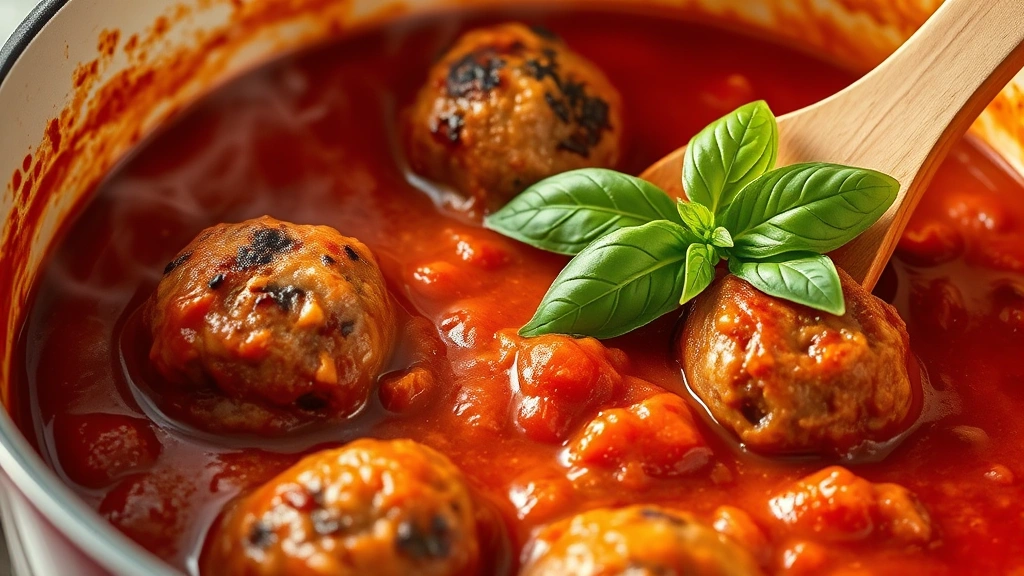
Ultimate Meatball Sauce: Grandma’s Secret Recipe That Never Fails
There’s something magical about a pot of simmering meatball sauce that fills your kitchen with warmth and nostalgia. My grandmother guarded her meatball sauce recipe like a treasured heirloom, and for good reason—it transformed simple ground meat into tender, flavorful spheres suspended in a rich, complex tomato-based sauce that tasted like it had been cooking for hours. The secret wasn’t just one ingredient or technique, but rather a careful balance of quality ingredients, proper cooking methods, and patience. This ultimate meatball sauce recipe captures everything that made her version legendary, breaking down each step so you can recreate that same magic in your own kitchen.
What makes a truly exceptional meatball sauce different from ordinary tomato sauce is the depth of flavor built through layering techniques, the quality of your base ingredients, and understanding how meatballs themselves contribute to the sauce. Unlike simple marinara, a proper meatball sauce absorbs flavors from the meatballs as they cook, creating a richer, more complex profile. This guide will walk you through the exact process my grandmother used, including her most closely guarded secrets that elevate this sauce from good to absolutely unforgettable.
Understanding the Foundation: Why Quality Ingredients Matter
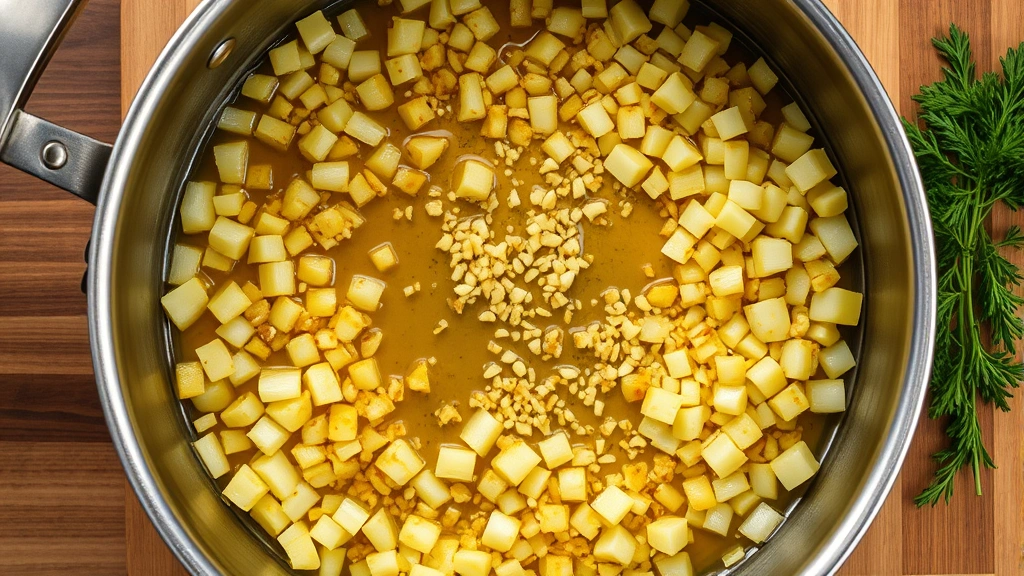
The foundation of any exceptional meatball sauce starts with understanding your ingredients. My grandmother always said that you cannot make a great sauce from mediocre tomatoes, and she was absolutely right. The tomatoes form the backbone of your sauce, contributing both flavor and body. For this recipe, you’ll want to use whole San Marzano tomatoes when possible—they have fewer seeds, lower acidity, and a natural sweetness that makes them ideal for long-simmering sauces. If you can’t find San Marzano varieties, look for high-quality Italian canned tomatoes labeled as “whole peeled” rather than crushed or diced.
Beyond tomatoes, the aromatics—onions, garlic, and fresh basil—create the flavor profile that distinguishes a memorable sauce from a forgettable one. My grandmother used yellow onions for their natural sweetness and depth when caramelized, never white or red onions which have different flavor compounds. She also insisted on fresh garlic, minced by hand rather than using pre-minced garlic from a jar. The difference in flavor is remarkable; fresh garlic develops a mellow, sweet quality when cooked slowly, while pre-minced garlic can taste harsh and metallic after prolonged cooking.
Don’t overlook the importance of quality olive oil. A good extra-virgin olive oil adds complexity and richness that elevates the entire sauce. You’ll use this at the beginning to sauté your aromatics, so it needs to taste good. Additionally, having kosher salt, black pepper, and dried oregano on hand ensures you can season properly throughout the cooking process. Many home cooks make the mistake of seasoning only at the end, but building seasoning in layers creates a more nuanced, developed flavor.
The Perfect Meatball Recipe for Your Sauce
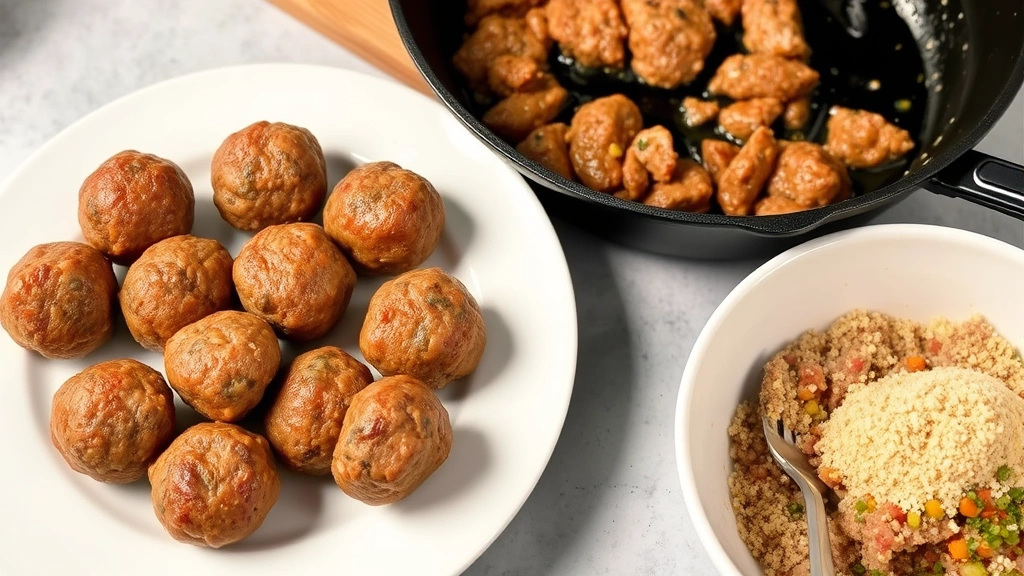
The meatballs themselves are crucial to your sauce’s success. They’re not just a protein component—they’re flavor contributors. When meatballs cook in your sauce, their rendered fat, gelatin, and meat proteins infuse back into the sauce, creating richness and body. This is why you want meatballs with the right ratio of meat to binders and seasonings.
Ingredients for approximately 24-30 meatballs:
- 1 pound ground beef (80/20 blend is ideal)
- ½ pound ground pork (adds moisture and subtle flavor)
- ¾ cup Italian-seasoned breadcrumbs
- ½ cup whole milk
- 2 large eggs
- ¼ cup freshly grated Parmigiano-Reggiano cheese
- 4 cloves garlic, minced very fine
- ¼ cup fresh parsley, finely chopped
- 1 teaspoon kosher salt
- ½ teaspoon black pepper
- ¼ teaspoon red pepper flakes (optional)
The milk serves a critical function here—it keeps the meatballs tender and moist rather than dense and rubbery. Soak your breadcrumbs in milk for a few minutes before mixing to create a paste. This technique, called a “panade,” is used by professional chefs because it binds moisture into the meatballs, ensuring they stay tender even during extended cooking. The egg acts as an additional binder, but the milk-soaked breadcrumbs do most of the work.
When mixing your meatball ingredients, use a light hand. Overworking the mixture compacts the meat, resulting in dense, tough meatballs. Mix just until the ingredients are combined—a few seconds with your hands is sufficient. Form meatballs to about 1.5 inches in diameter, which gives you the ideal ratio of surface area to interior for proper cooking and sauce absorption.
Before adding meatballs to your sauce, brown them first. Heat 2 tablespoons of olive oil in a large skillet over medium-high heat. Working in batches to avoid crowding, brown the meatballs on all sides until golden brown (about 6-8 minutes total). This browning process, called the Maillard reaction, develops complex flavors through the interaction of proteins and sugars at high heat. This is non-negotiable for great sauce—don’t skip this step. Set the browned meatballs aside on a paper towel-lined plate.
Building Your Sauce: The Step-by-Step Process
Now we arrive at the heart of the recipe—building your sauce layer by layer. This is where my grandmother’s secret techniques come into play, and where patience becomes your greatest ingredient.
Step 1: Create Your Aromatic Base
In a large, heavy-bottomed pot (I recommend using cast iron or enameled cast iron, which distributes heat evenly), heat 3 tablespoons of extra-virgin olive oil over medium heat. Add 2 medium yellow onions, diced finely. Cook for 8-10 minutes, stirring occasionally, until the onions become translucent and begin to caramelize slightly. This caramelization develops natural sweetness that balances the acidity of the tomatoes.
Add 6-8 cloves of fresh garlic, minced, and cook for another 2 minutes until fragrant. Be careful not to burn the garlic—it should smell sweet and mellow, not harsh. If it starts to brown too quickly, reduce your heat slightly.
Step 2: Add Your Tomato Base
Pour in two 28-ounce cans of whole San Marzano tomatoes (about 56 ounces total). If you prefer a smoother sauce, crush the tomatoes by hand as you add them. If you like a chunkier texture, leave them whole or break them into large pieces. Add ¼ cup of tomato paste, which concentrates the tomato flavor and adds depth. Stir this thoroughly into the onions and garlic, coating everything evenly.
Now add 2 teaspoons of dried oregano, 1 teaspoon of kosher salt, and ½ teaspoon of black pepper. The oregano is essential—it’s the signature flavor in Italian meatball sauce. Some cooks add a pinch of sugar (½ teaspoon) to balance acidity, but I find quality San Marzano tomatoes don’t need this. Taste and adjust based on your tomatoes.
Step 3: Incorporate Wine for Complexity
Here’s one of my grandmother’s secrets: adding ½ cup of dry red wine. This adds a subtle complexity and acidity that rounds out the sauce beautifully. Bring the sauce to a simmer and let it cook uncovered for 5 minutes, allowing the alcohol to cook off and the wine to integrate into the sauce. If you prefer not to use wine, you can substitute with an additional ½ cup of beef broth, but the wine truly makes a difference.
At this point, your sauce should be bubbling gently and smell absolutely incredible. The color should be a deep red with a slight sheen from the olive oil. This is the moment to taste and make initial seasoning adjustments before adding the meatballs.
The Simmering Stage: Where Magic Happens
This is where many home cooks fail—they rush the simmering process. My grandmother’s rule was always at least 45 minutes of gentle simmering after adding the meatballs, but she often let it go for up to 2 hours. The longer you simmer, the more the flavors meld and develop.
Gently add your browned meatballs to the simmering sauce. They should be almost completely submerged or at least half-submerged, depending on your pot size. Stir gently to distribute them evenly. Reduce your heat to low or medium-low—the sauce should barely bubble, not boil vigorously. A vigorous boil can break apart your meatballs and cause the sauce to reduce too quickly.
The Ideal Simmering Temperature
The ideal simmering temperature is around 190-200°F (87-93°C), where small bubbles occasionally break the surface. If you have a food thermometer, this is worth checking. If not, simply look for that gentle, occasional bubble rather than a rolling boil. Cover your pot partially—leave the lid slightly ajar or use a splatter screen. This allows some evaporation (which concentrates flavors) while preventing excessive drying.
Let the sauce simmer gently for at least 45 minutes, though 1-2 hours is even better. During this time, stir occasionally (every 15-20 minutes) and taste periodically. The meatballs will absorb liquid and become increasingly tender, while the sauce will deepen in flavor and color. This is the magical transformation that separates good sauce from extraordinary sauce.
While your sauce simmers, this is an excellent time to prepare accompaniments. Consider making other special recipes or preparing pasta. The wonderful aroma filling your kitchen is part of the experience—it signals to everyone that something special is being prepared.
About 15 minutes before serving, add a handful of fresh basil leaves (about 8-10 leaves) torn by hand rather than cut. Fresh basil added at the end maintains its bright, herbaceous quality rather than becoming bitter from prolonged cooking. This is another grandmother secret that makes a noticeable difference.
Flavor Adjustments and Final Touches
After your sauce has simmered for at least 45 minutes, taste it carefully and make any necessary adjustments. This is where your palate becomes the most important tool.
Balancing Acidity
If your sauce tastes too acidic or sharp, this indicates it needs more cooking time or a touch of sweetness. Add ¼ teaspoon of sugar at a time, stirring and tasting between additions. Most people need only ¼ to ½ teaspoon total. Alternatively, a pinch of baking soda (literally a few grains on the tip of a knife) neutralizes acidity chemically—add it very slowly as it will bubble.
Enhancing Depth
If your sauce tastes flat or one-dimensional, it likely needs more salt or umami. Add kosher salt ¼ teaspoon at a time, tasting between additions. You can also add 1 tablespoon of fish sauce (yes, really—you won’t taste fish, but it adds incredible depth), or 1 tablespoon of soy sauce for umami richness. These are optional but make a significant difference.
Adjusting Consistency
Your sauce should coat the back of a spoon but still be pourable. If it’s too thick, add beef or chicken broth, ¼ cup at a time. If it’s too thin, let it simmer uncovered for another 15-30 minutes to reduce and thicken. Remember that sauce thickens slightly as it cools, so don’t over-reduce while cooking.
Just before serving, swirl in 2 tablespoons of cold butter (this is called “mounting” the sauce). The cold butter emulsifies into the hot sauce, adding richness and creating a silky mouthfeel. This final touch is what separates restaurant-quality sauce from home-cooked sauce.
Storage and Make-Ahead Tips
One of the greatest advantages of this meatball sauce is that it actually improves when made ahead. The flavors continue to develop and meld as it sits, making it perfect for meal planning.
Refrigerator Storage
Store your meatball sauce in an airtight container in the refrigerator for up to 5 days. The sauce will thicken as it cools due to the gelatin from the meatballs, which is exactly what you want. When reheating, do so gently over medium-low heat, stirring occasionally and adding a splash of broth if needed to reach your desired consistency.
Freezer Storage
This sauce freezes beautifully for up to 3 months. For best results, cool the sauce completely, then transfer to freezer-safe containers or heavy-duty freezer bags, leaving about an inch of headspace for expansion. When you’re ready to use it, thaw overnight in the refrigerator and reheat gently on the stovetop.
Make-Ahead Strategy
You can prepare the sauce base (steps 1-3) up to 24 hours ahead, refrigerating it covered. When ready to finish, bring it back to a simmer, add your browned meatballs, and proceed with the simmering stage. This flexibility makes the recipe perfect for entertaining or busy weeknights.
Serve your meatball sauce over pasta, polenta, creamy mashed potatoes, or with crusty bread. A grating of fresh Parmigiano-Reggiano cheese and a drizzle of excellent olive oil finish the dish perfectly. This is the sauce that made my grandmother famous among family and friends, and now it’s yours to master and share.
FAQ
Can I make this sauce without wine?
Yes, you can substitute the wine with an equal amount of beef or chicken broth. However, the wine adds a subtle complexity that’s difficult to replicate. If you’re avoiding alcohol entirely, the broth version will still produce excellent results.
How long should I simmer the sauce?
Minimum 45 minutes, but 1-2 hours is ideal. The longer you simmer, the deeper the flavors develop. There’s rarely such a thing as too-long simmering with this sauce.
Can I use fresh tomatoes instead of canned?
Fresh tomatoes can work during peak season, but you’ll need about 4 pounds of ripe tomatoes, blanched and peeled. Canned tomatoes are actually superior because they’re processed at peak ripeness and consistency is guaranteed.
What’s the best pasta to serve with this sauce?
Spaghetti or pappardelle work beautifully, but any pasta shape that can cradle the sauce works well. The key is having enough sauce to coat every bite.
Can I double this recipe?
Absolutely. Double all ingredients and use a larger pot. The cooking time remains the same—simmer gently for at least 45 minutes regardless of batch size.
Why are my meatballs falling apart in the sauce?
This usually means they weren’t cooked enough before adding to the sauce, or the mixture was overworked. Ensure you brown them thoroughly first, and handle the meatball mixture very gently when forming and mixing.
How do I know when my sauce is properly seasoned?
Taste it and ask yourself: does each spoonful taste complex and balanced, or does it taste like one-dimensional tomato? If it’s the latter, it needs more salt or umami. When properly seasoned, you’ll taste multiple flavor layers.


