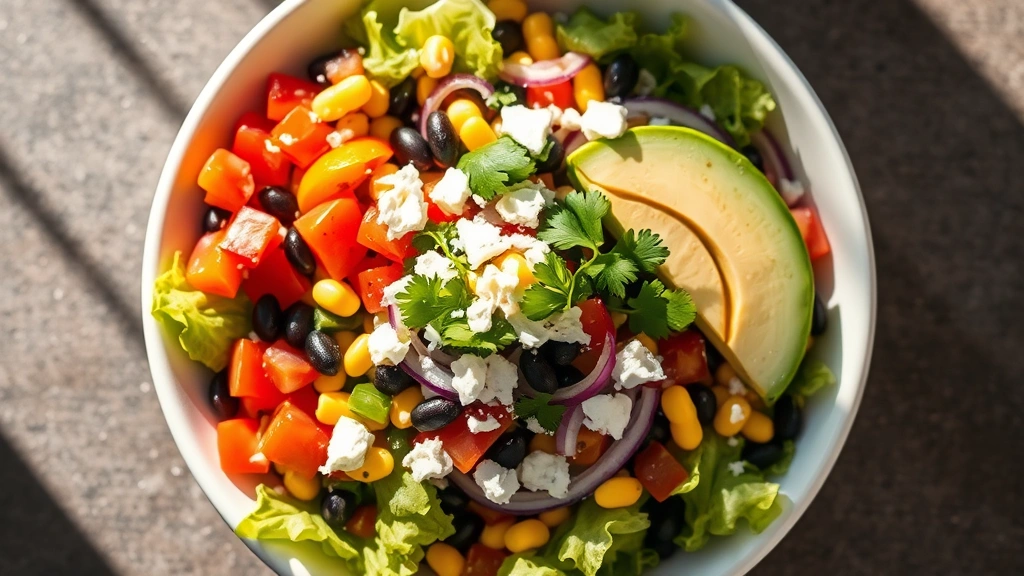
Mexican Salad Recipe: Nutritionist Approved & Deliciously Fresh
Mexican salads have become a staple in health-conscious kitchens across North America, combining vibrant vegetables, protein-rich ingredients, and bold flavors that satisfy both your taste buds and nutritional needs. Whether you’re preparing a quick weeknight dinner or impressing guests at a summer gathering, a well-crafted Mexican salad offers endless customization possibilities while delivering impressive nutritional value. This comprehensive guide will walk you through creating restaurant-quality Mexican salads at home, with expert tips on ingredient selection, preparation techniques, and flavor balancing.
The beauty of a Mexican salad lies in its versatility and nutritional density. Unlike many salad recipes that rely heavily on creamy dressings, authentic Mexican salads emphasize fresh produce, lean proteins, and zesty lime-based vinaigrettes. Nutritionists consistently recommend Mexican salads as an excellent meal option because they naturally incorporate multiple food groups—vegetables, proteins, healthy fats from avocado and nuts, and whole grains when you add black beans or corn. The combination of fiber-rich vegetables and legumes supports digestive health, while the variety of colorful ingredients ensures you’re consuming diverse micronutrients.
Essential Ingredients for Authentic Mexican Salads
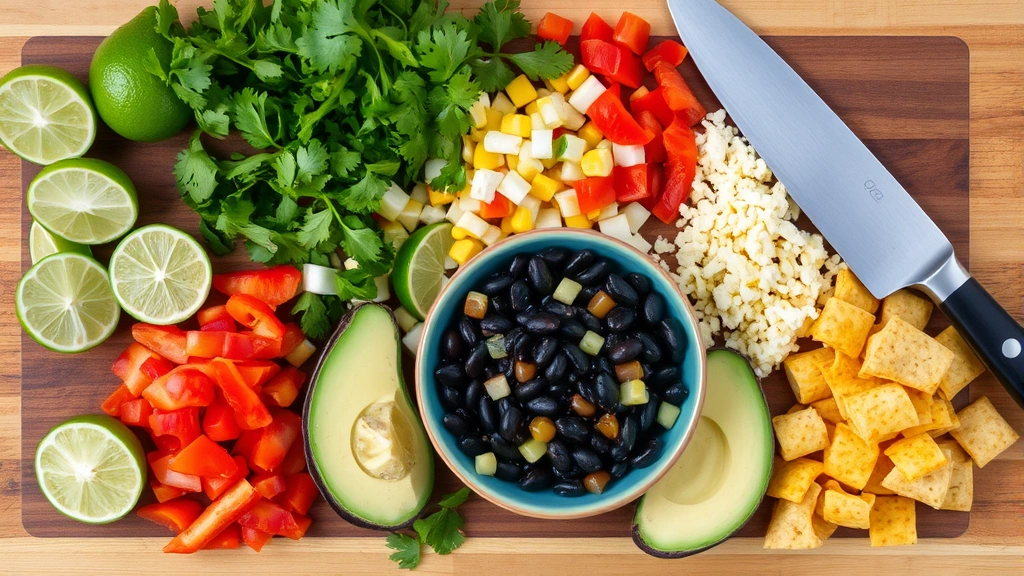
Creating an exceptional Mexican salad begins with understanding which ingredients form the foundation of authentic flavor profiles. The core vegetables you’ll want to stock are crisp romaine lettuce or mixed greens, ripe tomatoes, crisp bell peppers in various colors, and red onions for their sharp bite. Beyond these basics, incorporate cilantro for its distinctive herbal notes—a defining characteristic of Mexican cuisine that pairs perfectly with lime juice.
Black beans and corn represent the traditional protein and carbohydrate components of Mexican salads, offering both nutritional completeness and authentic flavor. When selecting canned beans, choose low-sodium varieties or rinse thoroughly to reduce sodium content. Fresh corn kernels provide superior texture compared to canned options, particularly during summer months when corn is at peak ripeness. For added richness and healthy monounsaturated fats, always include ripe avocados—select them at the perfect stage of ripeness by gently squeezing; they should yield slightly to pressure but remain firm.
Cheese selections matter significantly in Mexican salad preparation. Cotija cheese, with its crumbly texture and salty-tangy profile, is the traditional choice and provides authentic flavor without overwhelming the salad. Queso fresco offers a milder alternative, while sharp cheddar works if you prefer bolder cheese flavor. Jalapeños add heat and complexity, though you can adjust quantities based on spice preference. Finally, crispy tortilla strips or crushed tortilla chips provide textural contrast—consider making your own by cooking with cast iron to achieve perfect crispness.
Building Your Perfect Mexican Salad Base
The foundation of any great salad lies in proper greens selection and preparation. While romaine lettuce is traditional, don’t hesitate to experiment with mixed baby greens, arugula for peppery notes, or spinach for added iron content. Wash greens thoroughly, spin them completely dry, and tear them into bite-sized pieces rather than cutting with a knife—this prevents browning and maintains better texture.
Layering vegetables strategically ensures even distribution and optimal flavor in every bite. Begin with your greens as the base, then add diced tomatoes, bell peppers, and red onions in even layers. The key to preventing soggy salads is keeping wet ingredients—like tomatoes and dressing—separate until serving time. If you’re preparing salads ahead for meal prep, store components separately and assemble just before eating. Corn and black beans can be mixed together and stored in an airtight container for up to four days.
Texture variation distinguishes exceptional salads from mediocre ones. Combine soft avocado with crispy lettuce, tender beans with crunchy bell peppers, and creamy cheese with crispy tortilla strips. This contrast keeps every forkful interesting and engaging. When adding avocado, do this final step immediately before serving, or toss gently with a bit of lime juice to prevent browning. The acidic lime juice also adds another layer of authentic Mexican flavor while protecting the avocado’s appealing green color.
Protein Options That Elevate Your Salad
While beans provide plant-based protein, adding animal protein transforms a side salad into a complete, satisfying meal. Grilled chicken breast is the leanest option, offering approximately 31 grams of protein per 3-ounce serving with minimal fat. Season chicken with cumin, chili powder, garlic, and lime juice before grilling for authentic Mexican flavor. If you’re short on time, consider Instant Pot chicken breast recipes that cook in minutes while maintaining moisture and tenderness.
Grilled shrimp provides another excellent protein choice with a delicate flavor that complements Mexican salad ingredients beautifully. Marinate shrimp in lime juice, garlic, and cumin for 15-20 minutes before quick grilling—overcooking toughens shrimp, so cook only until they turn opaque and curl slightly. Ground turkey seasoned with Mexican spices offers a leaner alternative to beef, while carnitas—slow-cooked pork—deliver rich, authentic flavor for special occasions.
For vegetarian options, grilled tofu marinated in Mexican spices provides substantial protein without animal products. Crispy chickpeas roasted with cumin and chili powder add protein while maintaining satisfying crunch. Combining multiple plant proteins—such as black beans plus tofu plus nuts—ensures complete amino acid profiles necessary for muscle maintenance and recovery. The variety of protein options means everyone at your table can enjoy a Mexican salad suited to their dietary preferences.
Mastering the Lime Cilantro Dressing
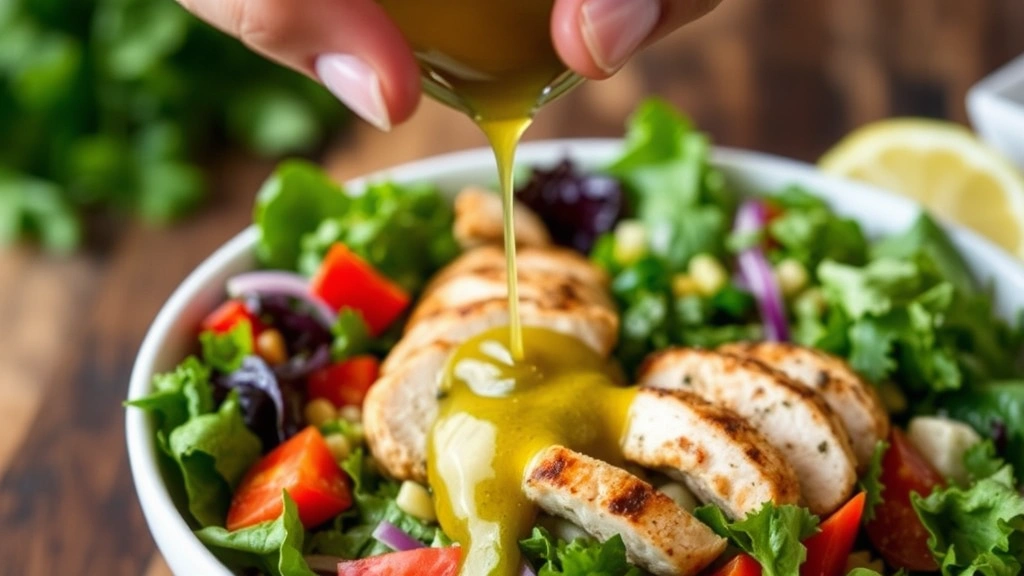
The dressing defines your Mexican salad experience, and a proper lime cilantro vinaigrette is essential for authentic results. This simple dressing requires only quality ingredients: fresh lime juice, extra-virgin olive oil, minced garlic, chopped cilantro, cumin, and salt. The ratio should be approximately three parts oil to one part lime juice, adjusted slightly based on your preference for acidity. Learning to make homemade sauces gives you complete control over flavor intensity and ingredient quality.
Prepare the dressing by whisking lime juice and minced garlic together first, allowing the garlic to infuse the juice for several minutes. This technique mellows the raw garlic bite while distributing flavor evenly. Slowly whisk in olive oil while continuing to beat vigorously—this emulsification creates a more cohesive dressing that coats vegetables better than separated oil and vinegar. Add fresh cilantro, ground cumin, and sea salt, tasting and adjusting seasonings as needed. Fresh lime juice is non-negotiable; bottled lime juice contains preservatives that negatively impact flavor.
For variations, consider adding a teaspoon of honey or agave nectar to balance acidity, a pinch of red pepper flakes for heat, or a small amount of cumin-infused oil for deeper flavor. Jalapeño can be minced finely and incorporated into the dressing for those who enjoy spice. Prepare dressing up to two hours ahead, but add fresh cilantro just before serving to maintain its vibrant color and fresh flavor. Always dress salads minimally—you want to taste the vegetables, not swimming in dressing.
Step-by-Step Preparation Guide
Ingredient Prep Phase (15 minutes): Begin by gathering all ingredients and preparing your workspace. Wash and thoroughly dry lettuce, then tear into bite-sized pieces. Dice tomatoes, removing excess seeds and juice to prevent sogginess. Slice bell peppers into thin strips, then cut into bite-sized pieces. Thinly slice red onions and let them sit in ice water for 10 minutes—this mellows their sharpness while adding crispness. Drain and pat dry before adding to salad.
Drain and rinse canned black beans thoroughly under cold water, removing any excess sodium. If using fresh corn, cut kernels from the cob with a sharp knife, working carefully to avoid crushing kernels. Slice avocado just before assembly to prevent browning. If using grilled chicken or other proteins, prepare these during the vegetable prep phase so they’re ready when assembling.
Assembly Phase (5 minutes): Place lettuce in a large serving bowl or individual bowls. Arrange vegetables in organized sections or layers, creating visual appeal alongside functional benefits. Add beans and corn, distributing evenly. Top with cheese, jalapeños, and crushed tortilla strips. Place avocado slices on top where they’ll be visible. If serving immediately, drizzle dressing over the salad and toss gently just before serving. If serving at a gathering, present dressing on the side, allowing guests to dress their salads to preference.
Pro Tips for Success: Prepare vegetables during morning hours when you have time, storing them in separate airtight containers in the refrigerator. This approach enables quick salad assembly for dinner or lunch throughout the week. Keep dressing in a mason jar and shake vigorously before each use to recombine ingredients. For meal prep, store dressed salads in a container with a paper towel on the bottom to absorb excess moisture, extending freshness to two days. When serving to a crowd, assemble the salad in a large platter and let guests serve themselves, ensuring everyone gets their preferred proportions.
Nutritional Benefits & Health Considerations
Mexican salads deserve their reputation as nutritionist-approved meals due to their impressive nutritional profiles. A typical Mexican salad with grilled chicken contains approximately 350-400 calories, with roughly 35 grams of protein, 25 grams of carbohydrates, and 15 grams of healthy fat. The fiber content from vegetables and beans promotes satiety and supports digestive health, typically providing 8-10 grams per serving.
The variety of colorful vegetables ensures consumption of diverse phytonutrients with specific health benefits. Red tomatoes provide lycopene, a powerful antioxidant linked to heart health. Bell peppers contribute vitamin C for immune function and skin health. Dark leafy greens offer folate and iron for energy production. Black beans provide polyphenols with anti-inflammatory properties. Cilantro contains compounds that may support heavy metal detoxification, though research in this area continues.
Avocados, while calorie-dense, provide monounsaturated fats that support cardiovascular health and nutrient absorption. The fat in avocado actually helps your body absorb fat-soluble vitamins like vitamins A, D, E, and K from other salad ingredients. Lime juice’s acidity improves iron absorption from vegetables and beans, making this a scientifically optimized meal for micronutrient utilization.
For those watching sodium intake, control the amount of cheese and tortilla strips, as these are the primary sodium contributors. Using low-sodium beans and avoiding added salt in the dressing keeps sodium levels reasonable for people with hypertension. The meal’s balanced macronutrient profile—combining protein, healthy fats, complex carbohydrates, and fiber—provides sustained energy without blood sugar spikes, making it excellent for weight management and diabetes prevention.
Consider exploring complementary recipes like chicken and wild rice soup recipe for variety in your meal rotation, or check out vintage grandma recipes for traditional cooking techniques that enhance nutritional value.
FAQ
Can I prepare Mexican salad ahead of time?
Yes, but with strategic planning. Prepare vegetables and store them separately in airtight containers for up to three days. Assemble the salad with dressing just before serving to maintain crispness. If you must dress ahead, use minimal dressing and add a paper towel to the container to absorb excess moisture.
What’s the best way to store leftover Mexican salad?
Store undressed salad components separately: greens in one container, vegetables in another, protein in a third, and dressing in a fourth. This approach maintains freshness for 2-3 days. Assemble when ready to eat. Dressed salads become soggy within a few hours, though they remain safe to eat.
How do I prevent avocado from browning?
Add avocado immediately before serving, or toss gently with lime juice, which prevents enzymatic browning. Store avocado with its pit intact in an airtight container with plastic wrap pressed directly against the surface to minimize air exposure.
Can I use frozen corn instead of fresh?
Absolutely. Frozen corn is picked at peak ripeness and frozen immediately, often containing comparable or superior nutrition to fresh corn. Thaw and drain thoroughly before adding to prevent excess moisture.
What protein works best for meal prep?
Grilled chicken breast remains the best option, staying moist and flavorful for 4-5 days when stored properly. Cook thoroughly, cool completely, and store in airtight containers. Black beans also keep excellently for meal prep, making them ideal for vegetarian meal prep salads.
How spicy should the salad be?
Start conservatively with jalapeños and chili powder, tasting as you go. You can always add more heat, but you cannot remove it. Offer hot sauce on the side for guests to customize their spice level according to preference.


