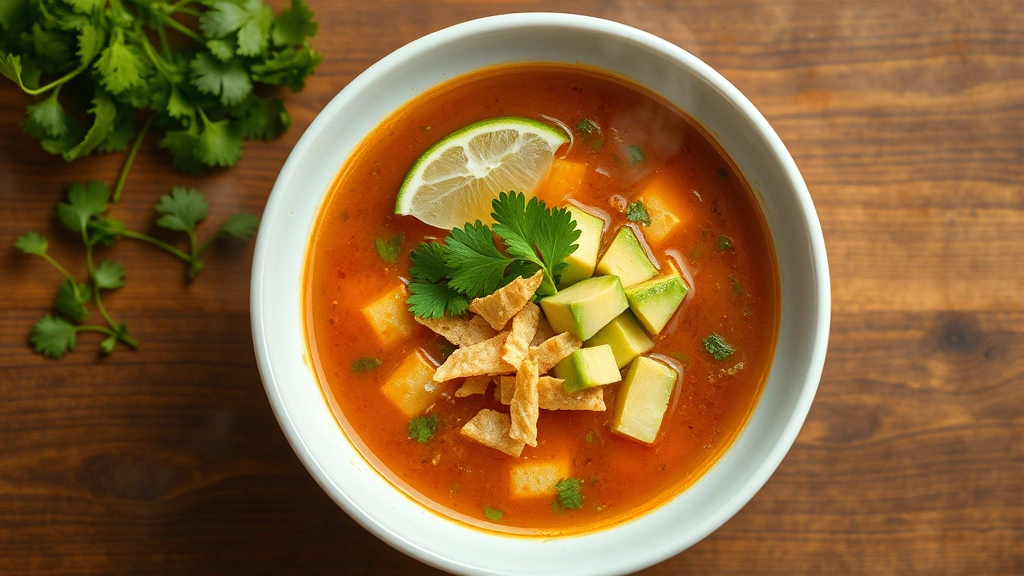
Hearty Mexican Soup: Grandma’s Secret Recipe
There’s something magical about a bowl of authentic Mexican soup that fills not just your stomach, but your soul. This isn’t the watered-down version you might find at a chain restaurant—this is Grandma’s treasured recipe, passed down through generations of Mexican families who understand that true comfort food requires time, quality ingredients, and a whole lot of love. The rich, complex flavors come from slow-simmered broths, charred vegetables, and spices that have been carefully selected to create a harmonious balance that keeps people coming back for bowl after bowl.
Mexican soups represent the heart of home cooking in Mexico, where families gather around the table to share stories and strengthen bonds. Whether it’s a sopa de tortilla, pozole, or a classic caldo de pollo, each regional variation tells a story of tradition and cultural pride. In this guide, we’ll explore the secrets that make Grandma’s Mexican soup so irresistibly delicious, from selecting the perfect ingredients to mastering the cooking techniques that transform simple components into culinary gold.
The Foundation: Understanding Mexican Soup Basics
Mexican soups are fundamentally different from their European counterparts. They’re not cream-based or heavily thickened; instead, they celebrate the natural flavors of their ingredients through slow cooking and traditional preparation methods. The foundation of any great Mexican soup begins with understanding the role of each component—the broth, the vegetables, the proteins, and the finishing touches that bring everything together.
The broth is the backbone of your soup, and Grandma knew that you can’t rush this step. Whether you’re using chicken, beef, or vegetable stock, the goal is to extract maximum flavor through patient simmering. Many traditional recipes call for making your own broth from scratch, which means starting with bones, aromatics, and water, then letting time do the heavy lifting. This is where the magic truly happens—as the ingredients break down, they release their essence into the liquid, creating a rich, flavorful base that no store-bought version can quite replicate.
Understanding the balance between liquid and solids is crucial. Mexican soups tend to be brothier than stews, with vegetables and proteins suspended in a flavorful liquid. The ratio typically hovers around 70% liquid to 30% solids, though this can vary depending on whether you’re making a light consommé-style soup or something heartier like a pozole or tortilla soup.
Essential Ingredients for Authentic Flavor
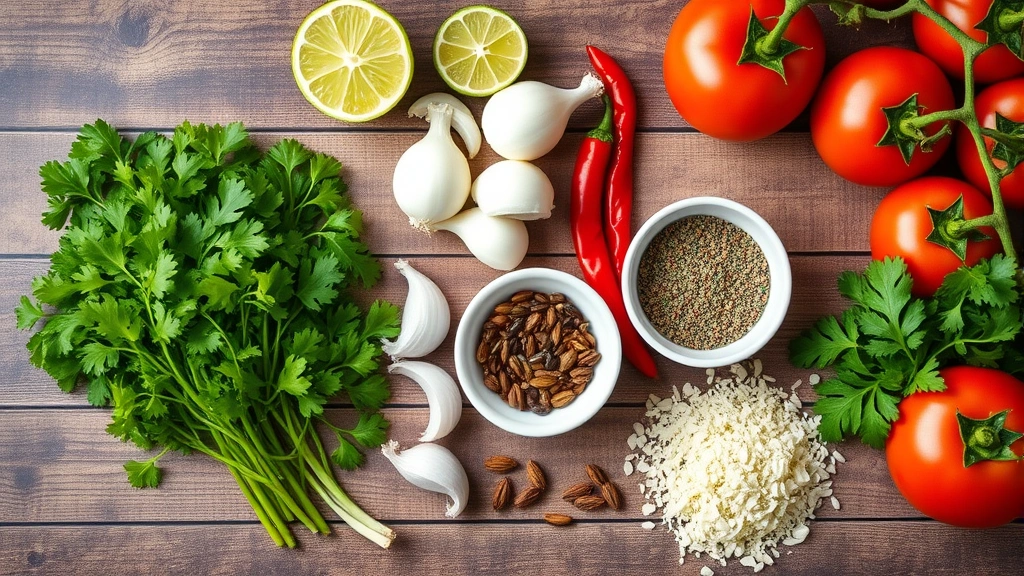
To recreate Grandma’s Mexican soup, you’ll need to source quality ingredients that form the flavor profile. Here’s what you’ll need:
- Dried chiles: Ancho, guajillo, and chipotle chiles form the aromatic backbone. These aren’t spicy in the way fresh jalapeños are; they’re complex and slightly sweet.
- Garlic and onions: These aromatics should be charred slightly for deeper flavor development. White onions are traditional in Mexican cooking.
- Tomatoes: Fresh or canned, tomatoes add acidity and body. Many recipes call for charring fresh tomatoes before adding them to the broth.
- Cilantro: This herb is essential for finishing, adding brightness and freshness that cuts through the richness.
- Lime: Fresh lime juice added at the end balances flavors and adds vibrancy.
- Cumin: This warm spice is foundational in Mexican cooking, though it should be used judiciously to avoid overpowering other flavors.
- Oregano: Mexican oregano has a different, more complex flavor than Mediterranean oregano and should be your choice.
- Quality broth: Chicken, beef, or vegetable broth made from scratch or high-quality store-bought versions.
- Proteins: Chicken, beef, or beans depending on your variation.
- Fresh vegetables: Zucchini, carrots, potatoes, corn, and green beans are common additions.
The key to authenticity lies in sourcing quality dried chiles and spices from reputable suppliers. Grandma always had a relationship with her local market, knowing exactly which vendor had the freshest ingredients. Today, you can find these items at specialty Latin markets or through online retailers that specialize in authentic Mexican ingredients.
Step-by-Step Cooking Instructions
Now let’s walk through the process of creating Grandma’s Mexican soup from start to finish:
Preparing Your Ingredients
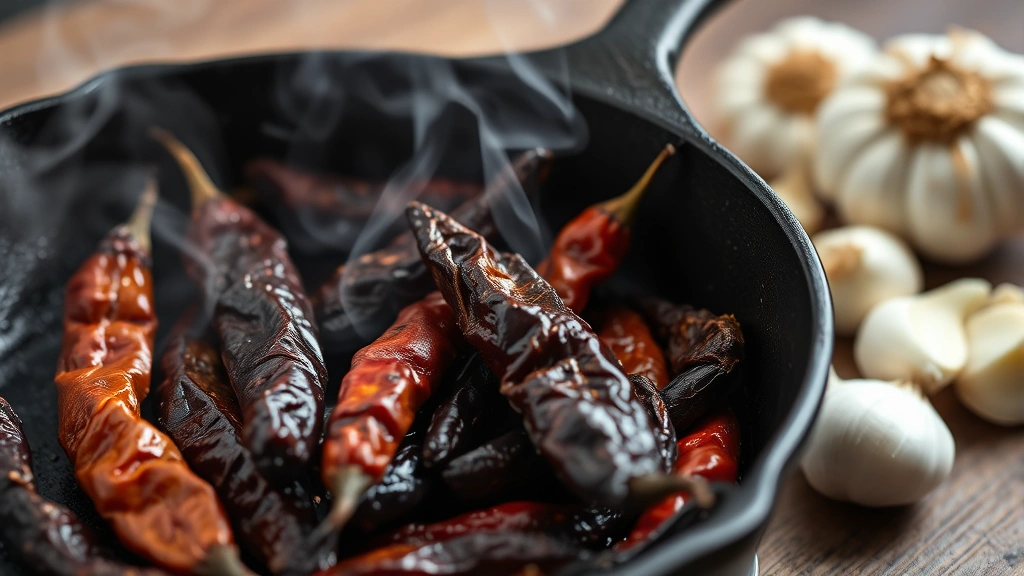
Begin by cleaning your dried chiles. Remove the stems and seeds, then lightly toast them in a dry skillet over medium heat for about 30 seconds per side. This awakens their aromatics without burning them. Once toasted, soak them in hot water for 15 minutes until they’re soft enough to blend.
While your chiles soften, char your onions and garlic directly over a gas flame or under the broiler. This step is non-negotiable—the slight blackening creates a depth of flavor that raw versions simply cannot achieve. The charred exterior contains hundreds of flavor compounds that develop through the Maillard reaction.
Building the Broth
Heat a large pot with oil or lard (lard is traditional and adds incredible flavor). Add your charred onions and garlic, cooking until fragrant. Add your soaked chiles and tomatoes, stirring frequently for about 3-4 minutes. Pour in your broth—approximately 8-10 cups depending on how many people you’re serving—and bring to a simmer.
Now comes the hardest part: patience. Let this simmer for at least 30 minutes, preferably 45 minutes to an hour. This allows all the flavors to meld and develop. Skim any foam that rises to the surface during the first 10 minutes of cooking.
Adding Vegetables and Proteins
About 20 minutes before you plan to serve, add your cut vegetables and proteins. Hard vegetables like potatoes and carrots go in first, followed by softer vegetables like zucchini and green beans. If you’re using pre-cooked chicken or shredded meat, add it toward the end just to warm through.
Season carefully with salt, cumin, and Mexican oregano. Remember that you can always add more seasoning, but you can’t take it out. Taste as you go, adjusting to your preference.
The Final Touch
Just before serving, add a squeeze of fresh lime juice and a generous handful of chopped cilantro. These finishing touches are what transform a good soup into Grandma’s legendary version. The acidity from the lime brightens all the flavors, while the cilantro adds an herbaceous freshness.
Secrets to Deep, Complex Flavors
What separates Grandma’s soup from ordinary versions? It’s the attention to flavor development at every stage. Here are her secrets:
Charring is everything. Whether it’s onions, garlic, or tomatoes, applying direct heat creates caramelization and browning reactions that add profound depth. This isn’t optional—it’s fundamental to authentic Mexican cooking technique.
Layering spices. Rather than adding all your seasonings at once, Grandma adds them at different stages. Cumin and oregano go into the oil early to bloom their flavors. Additional seasonings come later. This creates a more complex, multi-dimensional taste profile.
Using the whole chile. Instead of just chile powder, Grandma uses whole dried chiles, toasts them, and blends them into the broth. This captures all the volatile oils and compounds that make chiles special. For a deeper understanding of chile preparation techniques, professional culinary resources offer detailed guidance.
Extended simmering time. There’s no shortcut here. The longer your broth simmers, the more the flavors develop and integrate. Many traditional recipes simmer for 2-3 hours, which might seem excessive but creates a broth so flavorful you’ll understand why.
Balancing acid, salt, and fat. Grandma understood the holy trinity of flavor balance. Acid (lime juice) brightens, salt enhances, and fat (from the broth, oil, or avocado garnish) carries flavors and provides richness. Getting these three elements right is what makes the difference between flat and phenomenal.
Fresh finishing ingredients. Never underestimate the power of garnishes. Cilantro, lime wedges, diced onion, sliced jalapeños, and crispy tortilla strips aren’t just decoration—they add freshness, texture, and flavor that elevate each spoonful.
Variations and Regional Styles
Mexican soups vary significantly by region, and Grandma might have had several versions in her repertoire:
Sopa de Tortilla (Tortilla Soup) features crispy fried tortilla strips as the star. The broth is typically tomato-based with a hint of chile, and the soup is garnished generously with crispy tortilla strips, avocado, and Mexican crema. This is one of the most beloved variations and works beautifully as a first course or light lunch.
Pozole is a celebration soup, traditionally made with hominy corn and either pork or chicken. The broth is flavored with dried chiles and served with an array of fresh toppings that each diner customizes to their preference. It’s hearty, festive, and perfect for feeding a crowd.
Caldo de Pollo is the Mexican version of chicken soup, but it’s so much more than what Americans typically think of as chicken noodle soup. It’s made with a whole chicken or chicken pieces, vegetables, and a flavorful broth that’s often served with rice or pasta on the side.
Sopa de Fideo features thin pasta (fideo) that’s toasted before being added to the broth. The toasting step adds a subtle nutty flavor that makes this humble soup incredibly satisfying.
Menudo is traditionally made with tripe and hominy, though modern versions sometimes use other cuts of beef. It’s intensely flavored with chiles and is often served as a breakfast soup or hangover cure.
Each variation follows the same fundamental principles but celebrates different ingredients and regional traditions. Grandma likely had her own variations depending on what was available seasonally and what her family preferred.
Serving and Pairing Suggestions
The way you serve Grandma’s Mexican soup can elevate it from simple to spectacular. Here are serving suggestions that honor the tradition:
- Temperature matters: Serve piping hot in warmed bowls. The heat helps release aromatics and makes the flavors sing.
- Garnish generously: Set up a garnish station with cilantro, lime wedges, diced onion, sliced jalapeños, avocado, and crispy tortilla strips. Let diners customize their bowls.
- Bread pairings: Serve with warm corn or flour tortillas, or try complementary options like lemon loaf for a sweet contrast at the end of the meal.
- Side dishes: Offer Mexican rice or a fresh salad alongside the soup for a complete meal.
- Beverage pairings: Mexican soup pairs beautifully with agua fresca, horchata, or a crisp Mexican beer.
The presentation is part of the experience. Grandma understood that we eat with our eyes first, and a beautiful bowl of soup garnished thoughtfully is far more appealing than a plain one.
Storage and Make-Ahead Tips
One of the best things about Mexican soup is that it actually improves with time as flavors continue to develop. Here’s how to store and reheat it properly:
Refrigerator storage: The broth and solids can be stored together in an airtight container for up to 4 days. The flavors will actually deepen during storage, making day-old soup sometimes better than the day you made it.
Freezer storage: Mexican soup freezes beautifully for up to 3 months. Freeze in portions so you can thaw and reheat what you need. It’s wonderful to have homemade Mexican soup on hand for quick weeknight meals. Store garnishes separately, adding them fresh when you serve.
Reheating: Thaw overnight in the refrigerator, then reheat gently on the stovetop over medium heat, stirring occasionally. Avoid boiling, which can damage delicate flavors. Add fresh lime juice and cilantro after reheating for maximum freshness.
Make-ahead strategy: You can prepare the broth base up to 2 days ahead, then add fresh vegetables and proteins on the day you serve. This flexibility makes Grandma’s recipe perfect for meal planning.
Component preparation: Toast your dried chiles and prepare your chile paste up to 1 week ahead. Store in the refrigerator in an airtight container. This allows you to make the soup quickly when needed.
For those interested in expanding their cooking repertoire, you might also enjoy exploring easy frosting recipe options or gluten-free dessert recipes to complement your Mexican meals with homemade desserts like chocolate delight recipe variations.
FAQ
Can I make Mexican soup without dried chiles?
While you technically could substitute with fresh chiles or chile powder, the authentic flavor profile would be compromised. Dried chiles have a different flavor intensity and complexity than fresh versions. If you absolutely must substitute, use a combination of fresh chiles, tomato paste, and quality chile powder, though the result won’t be quite the same as Grandma’s original.
What’s the difference between Mexican oregano and regular oregano?
Mexican oregano has a more complex, slightly citrusy flavor profile compared to Mediterranean oregano, which is more herbaceous and peppery. They’re actually different plants, so the flavor is distinctly different. Using Mexican oregano is important for achieving authentic taste in Mexican soups and traditional recipes.
How can I make my soup less spicy?
Remove the seeds and white membranes from dried chiles before toasting, as this is where most of the heat resides. You can also use milder chile varieties like ancho or guajillo instead of hotter varieties. Serve with Mexican crema or avocado, which help cool the palate.
Is it necessary to make broth from scratch?
While homemade broth is superior, high-quality store-bought broth works in a pinch. Look for brands that use real ingredients and minimal sodium so you can control the salt level. Avoid broth with added sugar or excessive additives. If using store-bought, taste and adjust seasonings carefully.
Can I make this soup vegetarian?
Absolutely. Use vegetable broth instead of chicken or beef broth, and replace meat with extra beans, mushrooms, or additional vegetables. The flavor profile will be different but equally delicious. Make sure you’re toasting spices and charring vegetables to maintain depth of flavor.
What equipment do I need?
A large pot for simmering, a blender or food processor for creating the chile paste, and a skillet for toasting chiles and charring aromatics. A quality blender is particularly important for achieving a smooth, velvety broth.
How do I know when my soup is done?
The broth should be deeply flavored and the vegetables should be tender. If you’re using meat, it should be fall-apart tender. Taste frequently during the last 20 minutes of cooking and adjust seasonings. The soup should taste balanced—not too salty, not too spicy, with all flavors melding harmoniously.
Can I use canned beans instead of dried?
Yes, canned beans work perfectly and save significant time. Add them toward the end of cooking, just long enough to warm through. If using canned beans, rinse them thoroughly to remove excess sodium and starch.


