Tender Boneless Pork Ribs? Pro Chef’s Guide to Perfect Meat Every Time
Boneless pork ribs have become a favorite among home cooks who want restaurant-quality results without the mess of traditional bone-in ribs. These cuts, often called pork rib meat or St. Louis-style boneless ribs, deliver incredible tenderness and flavor when prepared with the right techniques. Whether you’re smoking them low and slow, braising them until fork-tender, or using modern cooking methods, mastering boneless pork ribs opens up a world of delicious possibilities.
The challenge many home cooks face is achieving that perfect balance between a flavorful crust and meat so tender it practically melts in your mouth. Professional chefs have developed proven methods that eliminate guesswork and guarantee success. This comprehensive guide reveals the secrets behind tender, juicy boneless pork ribs that rival any steakhouse preparation.
Understanding Boneless Pork Ribs
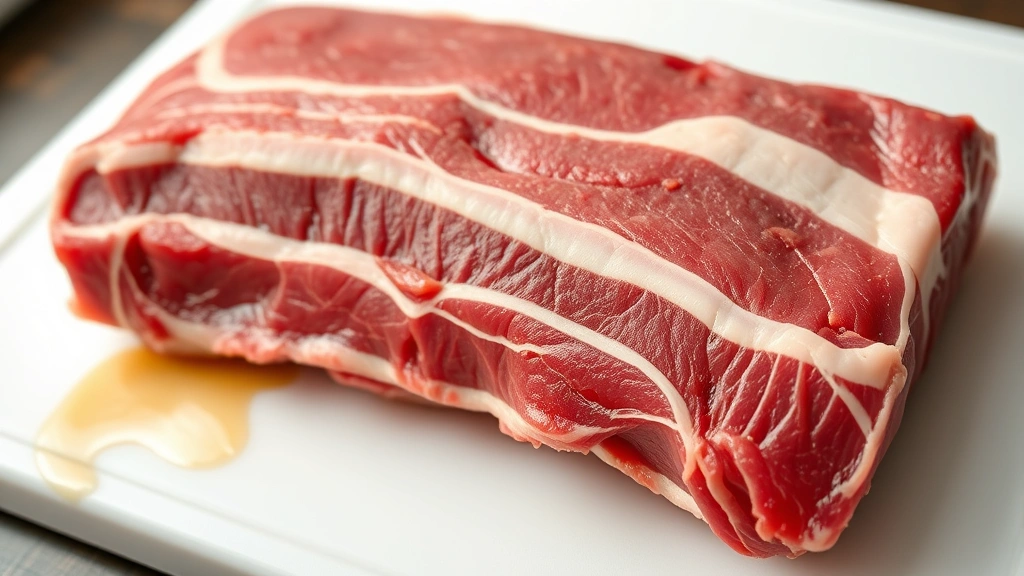
Boneless pork ribs are cut from the rib section of the pig, specifically the meat between the ribs after the bones have been removed. This cut offers several advantages over traditional bone-in ribs. The meat cooks more evenly without bones creating hot spots, the surface area for developing a flavorful crust increases significantly, and preparation time decreases substantially. Understanding the anatomy of this cut helps you make better cooking decisions.
The meat itself contains intramuscular fat and connective tissue that breaks down during cooking, creating natural tenderness. Pork ribs are leaner than beef ribs but contain enough fat to stay moist during long cooking processes. Professional chefs recognize that boneless pork ribs benefit from slower cooking methods that allow collagen to convert to gelatin, resulting in that coveted tender texture.
Different butchers may label boneless pork ribs differently. Some call them “pork rib meat,” others use “St. Louis cut,” and some simply label them as “boneless spareribs.” When shopping, look for meat that’s bright pink with white marbling throughout. Avoid packages with excessive liquid or discoloration. The thickness should be relatively uniform, ideally between 1.5 to 2.5 inches.
Selecting and Preparing Your Meat
Quality meat selection is the foundation of tender boneless pork ribs. Visit a butcher counter rather than grabbing pre-packaged options when possible. Ask the butcher to show you different cuts and explain the fat content. Higher fat content means more flavor and juiciness, though some prefer leaner cuts. For optimal tenderness, select meat with visible marbling throughout.
Once home, remove boneless pork ribs from packaging and let them rest at room temperature for 30 minutes before cooking. This allows the muscle fibers to relax slightly and promotes more even cooking. Pat the surface dry with paper towels—moisture prevents browning and crust formation. If your ribs are thicker than 2.5 inches, consider butterflying them or having your butcher do this, which increases surface area and reduces cooking time.
Trimming excess surface fat is optional. Some chefs remove the thick fat cap to allow seasonings to penetrate better, while others leave it for protection and flavor. If trimming, use a sharp knife and remove only the thickest portions, leaving some fat for moisture and taste. Score any remaining fat in a crosshatch pattern about 1/4 inch deep—this helps seasonings penetrate and promotes browning.
Dry Rub Fundamentals
A well-constructed dry rub is essential for tender, flavorful boneless pork ribs. The rub creates a flavorful crust while the spices penetrate the meat during cooking. Professional chefs balance sweet, savory, spicy, and smoky elements for complexity. Here’s a proven formula that works across different cooking methods:
Pro Chef’s Signature Dry Rub:
- 3 tablespoons brown sugar (provides sweetness and browning)
- 2 tablespoons paprika (adds color and mild flavor)
- 1 tablespoon garlic powder (concentrated garlic flavor)
- 1 tablespoon onion powder (savory depth)
- 1 tablespoon black pepper (sharpness and heat)
- 1 tablespoon kosher salt (flavor enhancement and moisture control)
- 1 teaspoon cayenne pepper (subtle heat)
- 1 teaspoon smoked paprika (additional smokiness)
- 1/2 teaspoon ground mustard (complexity)
Mix all ingredients in a small bowl, breaking up any brown sugar lumps. Apply the rub generously to all surfaces of the boneless pork ribs, using about 1 tablespoon per pound of meat. Don’t be shy—the rub should form a visible coating. Let the rubbed meat sit uncovered in the refrigerator for at least 4 hours, preferably overnight. This allows salt to penetrate the meat and enhance tenderness through a process called dry brining.
For enhanced flavor, consider adding a liquid element. Mix your dry rub with a small amount of olive oil, Worcestershire sauce, or apple juice to create a paste. This adheres better to the meat and creates more browning. Some chefs apply the dry rub first, then spray with juice during cooking—a technique that builds layers of flavor while maintaining the bark’s texture.
Cooking Methods for Maximum Tenderness
Professional chefs employ several proven methods for achieving tender boneless pork ribs. Each method has distinct advantages, and your choice depends on available equipment, time, and desired results. Understanding the science behind each approach helps you adapt to different situations.
Low and Slow Smoking Method
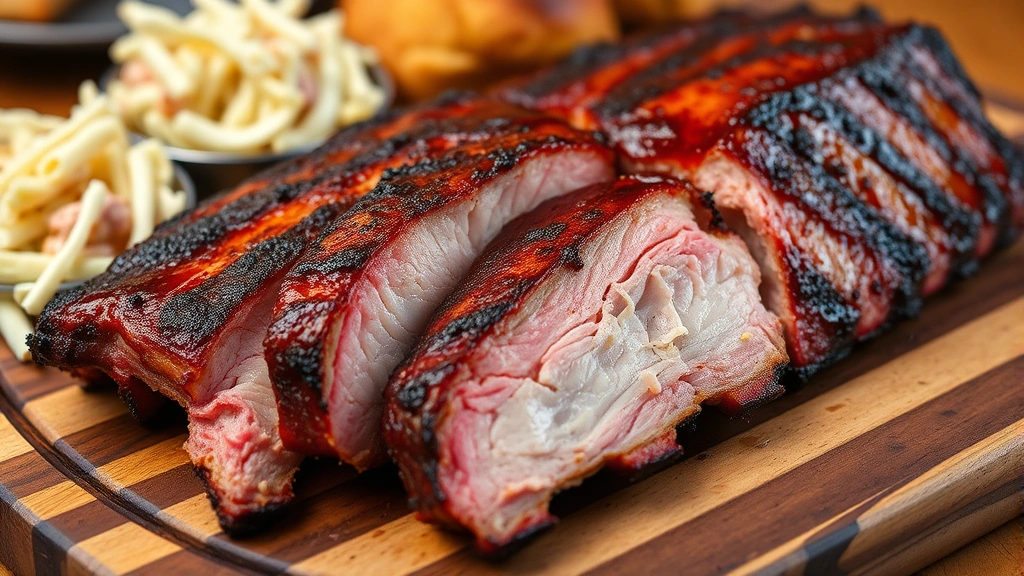
Smoking at 225-250°F is the gold standard for developing tender meat with exceptional flavor. This temperature range allows the Maillard reaction (browning) while slowly converting collagen to gelatin. Plan for approximately 4-6 hours of smoking time, depending on thickness and your specific smoker. Maintain consistent temperature using a quality thermometer. Wood selection matters—hickory, oak, or apple wood complements pork beautifully. Soak wood chips for 30 minutes before adding to create more smoke without excessive heat.
The “3-2-1 method” is a proven technique many professional pitmasters use. Smoke uncovered for 3 hours, wrap tightly in foil with butter and brown sugar for 2 hours, then unwrap and smoke for 1 final hour. This method balances bark development with moisture retention. Check internal temperature at the 5-hour mark—target 190-205°F for maximum tenderness. The meat should bend easily and show no resistance when pierced with a toothpick.
Braising for Restaurant-Quality Results
Braising in the oven produces incredibly tender results and requires less equipment than smoking. Preheat your oven to 300°F. Sear the rubbed boneless pork ribs in a heavy Dutch oven over medium-high heat for 3-4 minutes per side until deeply browned. This Maillard reaction creates flavor compounds that enhance the final dish. Remove the meat and set aside.
In the same pot, sauté diced onions, carrots, and celery until softened. Deglaze with beef or chicken broth, scraping up browned bits from the bottom. Add the meat back, cover with broth until it reaches halfway up the ribs. Add aromatics like bay leaves, thyme, and garlic. Cover tightly with foil, then the lid, and braise for 2.5-3 hours. The meat is done when it shreds easily with a fork and reaches 190°F internally.
Instant Pot Method
For faster results, pressure cooking produces tender boneless pork ribs in under 90 minutes. If you enjoy Instant Pot chicken breast recipes, you’ll appreciate the consistent results with pork ribs. Set the Instant Pot to sauté mode, brown the rubbed ribs for 3 minutes per side, then add 1 cup of liquid (broth, apple juice, or water). Lock the lid and pressure cook at high pressure for 45 minutes. Quick release the pressure, then use sauté mode to reduce the liquid and develop a glaze. While faster, this method produces less bark than smoking or braising.
Slow Cooker Approach
Slow cookers excel at creating tender boneless pork ribs with minimal hands-on time. Similar to healthy crock pot recipes, place ribs in the cooker with 1 cup of liquid, cover, and cook on low for 6-8 hours or high for 3-4 hours. For better browning, sear the meat first. The low, moist heat breaks down connective tissue effectively. Finish under the broiler with your favorite sauce for added color and flavor.
Temperature Control and Timing
Proper temperature management separates tender boneless pork ribs from overcooked, dry failures. Invest in a reliable meat thermometer—digital instant-read thermometers cost under $20 and dramatically improve results. Insert the thermometer into the thickest part of the meat without touching bone (though boneless ribs have no bone to worry about).
The target internal temperature for pork is 145°F according to USDA guidelines. However, for maximum tenderness, professional chefs push to 190-205°F, which allows complete collagen breakdown. At 145°F, the meat is safe but still relatively firm. Between 160-180°F, the meat becomes progressively more tender. Above 190°F, collagen converts fully to gelatin, creating that melt-in-your-mouth texture.
Timing varies significantly based on cooking method and meat thickness. Thin boneless pork ribs (1.5 inches) cook faster than thick cuts (2.5+ inches). In a 250°F smoker, expect 1 hour per pound of meat. Braising at 300°F typically requires 2.5-3 hours regardless of thickness. Slow cookers need 6-8 hours on low. Always use a thermometer rather than relying on time alone, as variables like actual oven temperature, meat thickness, and fat content affect cooking duration.
Resting after cooking is crucial and often overlooked. Remove boneless pork ribs from heat when they reach target temperature, then rest for 10-15 minutes tented loosely with foil. During rest, residual heat continues gentle carryover cooking while muscle fibers relax and reabsorb juices. Cutting into meat immediately releases those flavorful juices onto the cutting board instead of keeping them in the meat.
Finishing Techniques
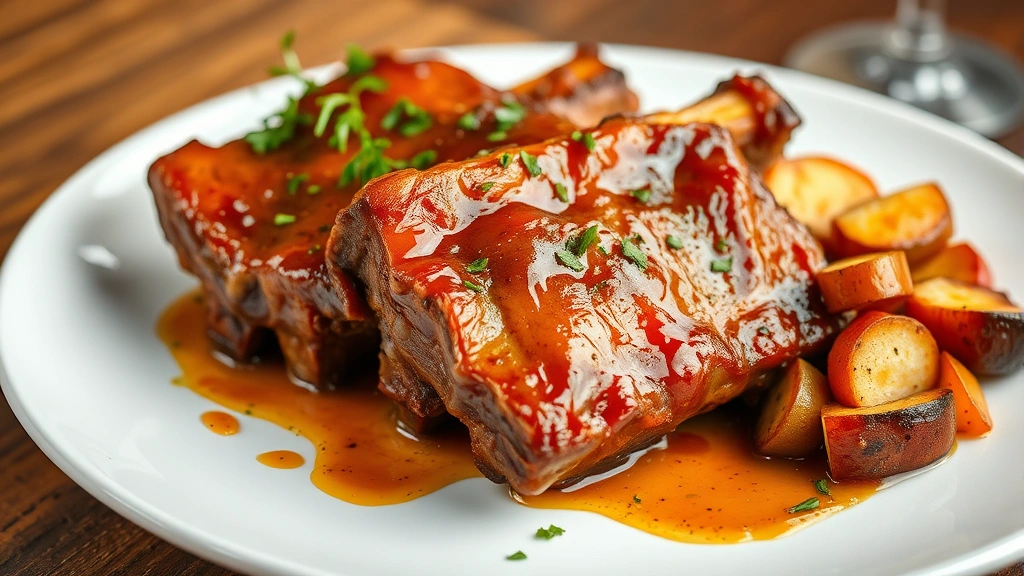
The final touches elevate boneless pork ribs from good to exceptional. Professional chefs employ several finishing techniques that add flavor, texture, and visual appeal. Glazing with a quality sauce in the final cooking stages creates a caramelized exterior. Brush your favorite barbecue sauce, maple glaze, or honey-mustard mixture over the meat during the last 30 minutes of smoking or braising. The heat caramelizes the sugars, creating a glossy, flavorful crust.
For smoked ribs lacking color, a quick pass under the broiler for 2-3 minutes develops additional browning. Watch carefully to prevent burning. Alternatively, finish in a 425°F oven for 5 minutes. This high-heat finish crisps the exterior while keeping the interior tender. Some chefs finish with a light oil spray and torch for dramatic, even browning.
Compound butters add luxury to simple preparations. Mix softened butter with fresh herbs like rosemary or thyme, garlic, and lemon zest. Top each portion with a dollop just before serving—the residual heat melts the butter, creating a rich sauce. This technique works particularly well with simply prepared ribs that let the meat shine.
Saucing strategies matter too. Light sauces complement tender meat without overwhelming it. Thin, vinegar-based sauces work beautifully with smoked ribs. Creamy sauces pair well with braised preparations. Serve sauce on the side rather than drowning the meat, allowing diners to control intensity. Fresh garnishes like cilantro, green onions, or sesame seeds add visual interest and bright flavors.
Serving and Pairing
Presentation and accompaniments transform tender boneless pork ribs into a complete dining experience. Slice against the grain for maximum tenderness perception—this breaks the muscle fibers into shorter segments, making them easier to chew. For thick cuts, slice into 1/2-inch thick pieces. For thinner cuts, you might serve whole sections.
Side dishes should complement without competing with the rich, savory meat. Creamy options like creamy tomato soup provide contrast, though soup-based sides are unconventional for ribs. Better options include tangy coleslaw, cornbread, baked beans, or grilled vegetables. The acidity in coleslaw cuts through richness beautifully. Pickled vegetables like homemade pickles provide bright, palate-cleansing flavors.
Beverage pairings enhance the dining experience. Full-bodied beers complement smoky ribs, while lighter lagers work with braised preparations. Red wines like Zinfandel or Syrah stand up to rich, savory flavors. For non-alcoholic options, iced tea, lemonade, or sparkling apple cider refresh between bites.
Leftover tender boneless pork ribs are versatile. Shred and use in sandwiches, tacos, or grain bowls. Dice and incorporate into fried rice or pasta dishes. Layer in sandwiches with barbecue sauce—reminiscent of flatbread pizza concepts but with meat as the star. Refrigerate in an airtight container for up to 4 days, or freeze for up to 3 months. Reheat gently in a 300°F oven with a little liquid to prevent drying.
FAQ
How long should boneless pork ribs rest after cooking?
Rest boneless pork ribs for 10-15 minutes after removing from heat. This allows carryover cooking to complete, muscle fibers to relax, and juices to redistribute throughout the meat. Tent loosely with foil to retain some warmth while allowing steam to escape.
Can I freeze boneless pork ribs before cooking?
Yes, freeze boneless pork ribs for up to 3 months in an airtight container or vacuum-sealed bag. Thaw overnight in the refrigerator before cooking. Never thaw at room temperature, as this promotes bacterial growth. Plan ahead if using frozen ribs for smoking or braising.
What’s the difference between boneless pork ribs and pork butt?
Boneless pork ribs are the meat from between the rib bones, offering tenderness with more defined structure. Pork butt is a fattier cut from the shoulder, better for pulled pork. Pork ribs cook faster and have better texture for slicing, while pork butt excels at shredding.
Should I remove the skin or membrane from boneless pork ribs?
There’s no membrane to remove from boneless pork ribs like there is with bone-in ribs. You may trim excess surface fat if desired, but this is optional. Some fat adds flavor and prevents drying during cooking.
How do I prevent boneless pork ribs from drying out?
Cook to 190-205°F internal temperature for maximum tenderness, don’t exceed 210°F or the meat becomes dry. Use moist cooking methods like braising or smoking with water/wood smoke. Baste occasionally during cooking, let meat rest after cooking, and slice against the grain. Don’t skip the resting period.
What wood is best for smoking boneless pork ribs?
Mild woods like apple, cherry, or pecan are ideal for pork. Hickory provides stronger smoke flavor that some prefer. Oak works well as a neutral option. Avoid strong woods like mesquite that can overpower pork’s delicate flavor. Soak wood chips for 30 minutes before adding to create more smoke.
Can I prepare boneless pork ribs ahead of time?
Yes, apply the dry rub and refrigerate for up to 24 hours before cooking. This dry-brining process enhances tenderness. You can also cook ribs the day before, refrigerate, and reheat gently at 300°F before serving. This actually improves flavor as seasonings meld overnight.
What’s the best sauce for tender boneless pork ribs?
Light, flavorful sauces work best. Vinegar-based barbecue sauces complement smoked ribs beautifully. Maple-Dijon glaze adds sophistication to braised preparations. Serve sauce on the side to let the tender meat shine. Avoid heavy sauces that overwhelm the meat’s natural flavors.


