
Crispy Fried Eggplant? Chef-Approved Technique for Perfect Results
Crispy fried eggplant is a culinary masterpiece that transforms this often-misunderstood vegetable into an irresistible dish. Whether you’re preparing it as an appetizer, side dish, or main course component, achieving that perfect golden exterior with a tender, creamy interior requires understanding the science behind proper preparation and frying technique. Many home cooks struggle with soggy, oil-logged eggplant because they skip crucial preparation steps or use incorrect oil temperatures. This comprehensive guide reveals professional chef secrets that guarantee restaurant-quality results every single time.
The difference between mediocre and exceptional fried eggplant comes down to three fundamental factors: proper moisture removal, optimal breading technique, and precise oil temperature management. Professional chefs have perfected these methods through years of experimentation and culinary training. By following the step-by-step process outlined in this article, you’ll understand exactly why each technique matters and how to apply these principles to create consistently outstanding fried eggplant that will impress family, friends, and dinner guests.
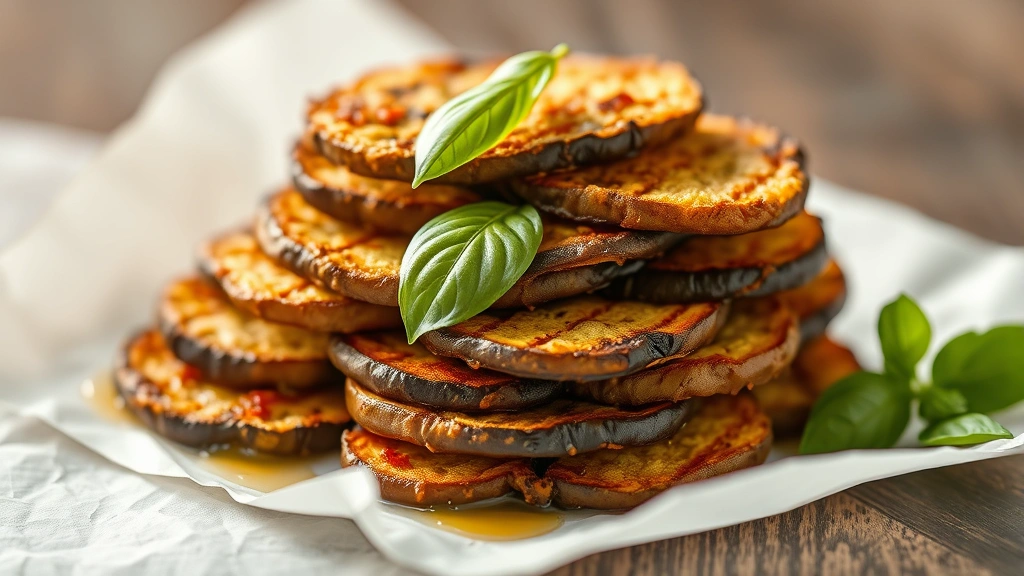
Why Eggplant Gets Soggy and How to Prevent It
Eggplant has a cellular structure that acts like a sponge, absorbing oil at an alarming rate during the frying process. This vegetable contains approximately 92% water, making moisture management absolutely critical. When you fry eggplant without proper preparation, the water inside the flesh converts to steam, creating pressure that forces the vegetable to absorb more oil than necessary. This results in that greasy, heavy texture that discourages people from enjoying fried eggplant.
The solution lies in removing excess moisture before the eggplant ever enters the hot oil. Professional kitchens use a technique called salt-sweating (also known as degorging), which draws out water through osmosis. This pre-frying step is non-negotiable for achieving crispy results. Additionally, the breading acts as a protective barrier, sealing the eggplant’s surface and preventing excessive oil absorption. When you combine proper moisture removal with correct breading and precise oil temperature, you create ideal conditions for a crispy exterior while maintaining a tender, creamy interior.
Selecting and Preparing Your Eggplant
Start by choosing the right eggplant variety. Globe eggplants (the large, purple ones) are ideal for frying because they have fewer seeds and a firmer texture compared to Japanese or Italian varieties. Look for eggplants with smooth, glossy skin and no soft spots or blemishes. The vegetable should feel heavy for its size, indicating good moisture content. Smaller to medium-sized eggplants tend to have fewer seeds and thinner skins, making them easier to work with.
Once you’ve selected your eggplant, wash it thoroughly under running water and pat it completely dry with paper towels. Using a sharp knife, slice the eggplant lengthwise into quarter-inch thick slices. Consistent thickness is crucial because it ensures even cooking—thin sections won’t have time to become tender while thick sections remain raw. Some chefs prefer to cut eggplant into rounds rather than lengthwise slices; both methods work equally well, so choose based on your presentation preference. Arrange your slices on a clean cutting board, ready for the salt-sweating process.
The Salt-Sweating Method Explained
This ancient technique is the secret weapon that professional chefs use to guarantee crispy fried eggplant. Generously sprinkle both sides of each eggplant slice with kosher salt—don’t be shy here. The salt particles create an osmotic gradient that draws water out of the eggplant’s cells. Arrange the salted slices in a single layer on a wire rack placed over a baking sheet. The rack is essential because it allows water to drip away from the eggplant rather than pooling underneath.
Let the eggplant sit for 30 to 45 minutes at room temperature. During this time, you’ll notice beads of moisture forming on the surface—this is exactly what you want to see. After the resting period, use paper towels to gently wipe away the moisture and excess salt from both sides of each slice. This step is critical: failing to remove the salt will result in overly salty fried eggplant. Some chefs prefer to rinse the slices quickly under running water and then pat them completely dry. Either method works; the key is ensuring the surface is completely dry before breading.
The salt-sweating process serves multiple purposes. First, it removes water that would otherwise turn to steam during frying and create a greasy product. Second, it seasons the eggplant from within, improving flavor throughout the vegetable. Third, it firms up the eggplant’s texture, preventing it from becoming mushy during cooking. Understanding this science helps you appreciate why this step cannot be skipped or rushed.
Consider pairing your fried eggplant with other vegetable dishes like roasted veggies for a complete meal, or serve it alongside hibachi fried rice for an Asian-inspired dinner.
Creating the Perfect Breading Coating
The breading is your protective barrier against oil absorption and your ticket to that coveted crispy exterior. Set up a breading station with three shallow bowls arranged in a line. In the first bowl, combine all-purpose flour with a pinch of salt and black pepper. In the second bowl, whisk together eggs with one tablespoon of water or milk to create an egg wash. In the third bowl, combine panko breadcrumbs with additional salt, pepper, and optional seasonings like garlic powder, paprika, or Italian seasoning.
Panko breadcrumbs are superior to regular breadcrumbs for frying because their irregular, coarse texture creates more surface area for browning and produces a crunchier final result. Some advanced chefs add a tablespoon of cornstarch to their panko mixture; this increases crispiness by promoting better browning and moisture evaporation during frying. You can also add finely grated Parmesan cheese to the panko mixture for enhanced flavor and color.
The breading process itself requires attention to detail. Take one eggplant slice and coat it completely in the flour mixture, shaking off excess. Next, dip it into the egg wash, ensuring complete coverage on both sides. Finally, press the eggplant firmly into the panko mixture, coating both sides thoroughly. The pressing action helps the breadcrumbs adhere better to the eggplant. Place each breaded slice on a clean plate or parchment paper. Don’t stack them, as this will cause the breading to stick together.
For extra-crispy results, use a double-breading technique: after the first panko coating, dip the slice back into the egg wash and then into panko again. This creates a thicker, crunchier crust that resists oil absorption even more effectively. While this step requires more time, the results are noticeably superior.
Mastering Oil Temperature and Frying Technique
Oil temperature is the single most important factor in successful frying. Too cool, and your eggplant absorbs excessive oil and becomes greasy. Too hot, and the exterior burns before the interior becomes tender. The ideal temperature for frying eggplant is between 350 and 375 degrees Fahrenheit. Invest in a reliable instant-read thermometer to monitor temperature throughout the frying process—guessing is never acceptable in professional cooking.
Choose a neutral oil with a high smoke point, such as vegetable oil, canola oil, or peanut oil. Avoid olive oil and butter, which have lower smoke points and will degrade at frying temperatures. Pour oil into a heavy-bottomed pot or Dutch oven to a depth of two to three inches. Heat the oil slowly and allow it to reach the target temperature. Test the temperature with your thermometer before adding the first eggplant slice.
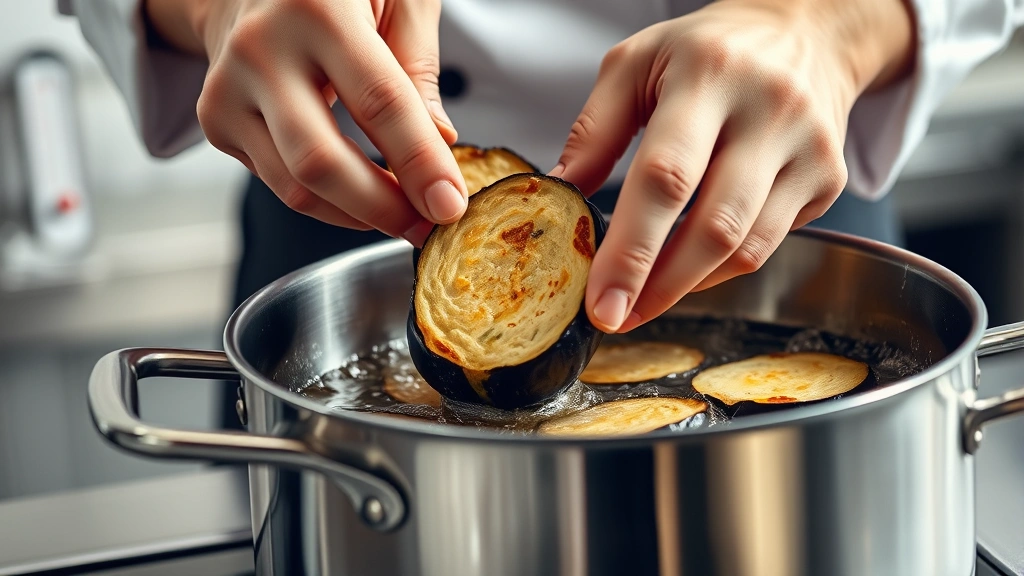
Once the oil reaches the correct temperature, carefully place 2-3 eggplant slices into the oil at a time. Overcrowding the pan drops oil temperature and causes the eggplant to steam rather than fry. Maintain the oil temperature between 350-375°F throughout the cooking process, adjusting your heat as needed. Fry each batch for 2-3 minutes per side until golden brown. The eggplant should sizzle immediately when it hits the oil; if it doesn’t, the oil isn’t hot enough.
As each slice finishes cooking, use a slotted spoon to remove it from the oil and transfer it to a wire rack placed over a baking sheet lined with paper towels. The wire rack allows oil to drain away from the eggplant rather than pooling underneath. Never drain fried foods directly on paper towels placed on a flat surface, as this traps steam and causes the bottom to become soggy.
For large batches, keep finished eggplant warm in a 200°F oven while you continue frying remaining slices. Season with additional salt immediately after removing from the oil, while the surface is still hot and slightly tacky. This timing helps salt adhere to the eggplant rather than sliding off.
For complete meal planning, you might serve fried eggplant alongside comforting soups like creamy tomato soup, Tom Yum soup, or chicken and wild rice soup for a restaurant-quality dining experience.
Serving and Storage Tips
Crispy fried eggplant is best served immediately while still warm and at peak crispiness. Arrange the slices on a serving platter and offer multiple dipping sauces to accommodate different preferences. Classic options include marinara sauce, tzatziki, aioli, or a simple lemon-herb dipping sauce. Some Mediterranean restaurants pair fried eggplant with a spicy harissa sauce, while Asian-inspired restaurants often serve it with sweet chili sauce or soy-based dipping sauce.
If you have leftovers, store them in an airtight container in the refrigerator for up to three days. Fried eggplant doesn’t reheat particularly well in a microwave, as the breading tends to become chewy rather than crispy. Instead, reheat in a 375°F oven for 8-10 minutes until the exterior becomes crispy again. Alternatively, you can enjoy leftover fried eggplant at room temperature as part of a cold vegetable platter or salad.
For meal prep purposes, you can bread the eggplant slices several hours in advance and refrigerate them on a parchment-lined baking sheet until ready to fry. This allows you to fry them fresh just before serving. You can even freeze breaded eggplant slices for up to two months; simply fry them directly from the freezer, adding 1-2 minutes to the cooking time.
FAQ
Can I bake fried eggplant instead of deep frying it?
Yes, you can bake breaded eggplant at 400°F for 20-25 minutes, flipping halfway through. While baking produces a healthier result with less oil, it won’t achieve the same level of crispiness as deep frying. For best baked results, lightly spray the breaded eggplant with cooking oil before baking to promote browning and crispiness.
Why is my fried eggplant still soggy despite following these steps?
Soggy eggplant typically results from insufficient salt-sweating time, inadequate moisture removal before breading, oil temperature that’s too low, or overcrowding the frying pan. Ensure you salt-sweat for the full 30-45 minutes and completely dry the eggplant afterward. Use a reliable thermometer to verify oil temperature, and fry in small batches.
Can I prepare the salt-sweating step the day before?
Yes, you can salt-sweat eggplant up to 24 hours in advance. After salt-sweating and drying, store the slices in an airtight container in the refrigerator. Before breading and frying, let them come to room temperature for about 15 minutes to ensure even cooking.
What’s the difference between panko and regular breadcrumbs?
Panko breadcrumbs are made from a different type of bread with less moisture, creating larger, coarser particles. This results in a crunchier, more textured coating that browns more effectively than regular breadcrumbs. For fried eggplant, panko is always the superior choice.
How do I know when the oil is at the right temperature without a thermometer?
While a thermometer is ideal, you can test oil temperature by dropping a small piece of bread into it. If the bread browns in 60 seconds, your oil is approximately 350°F. However, for consistent results, invest in an instant-read thermometer—they’re inexpensive and invaluable for successful frying.
Can I reuse the frying oil?
Yes, you can strain and reuse frying oil 3-4 times. Allow the oil to cool completely, then pour it through a fine-mesh strainer lined with cheesecloth to remove breadcrumb particles. Store in a sealed container in a cool, dark place. Discard oil if it becomes dark, smells rancid, or develops off-flavors.


