Ultimate Christmas Crack Recipe: The Family Favorite That Disappears Fast
Christmas crack—also known as saltine cracker toffee—is the ultimate holiday treat that combines crispy saltine crackers, buttery toffee, and rich chocolate into one irresistible bite. This addictive candy has become a staple on holiday dessert tables everywhere, and once you make it, you’ll understand why families guard their recipes like treasured heirlooms. The beauty of this Christmas crack recipe lies in its simplicity: just four basic ingredients and about 30 minutes of your time transform into pounds of gourmet-quality candy that tastes like it took hours to prepare.
What makes Christmas crack so special isn’t just the taste—it’s the nostalgia and joy it brings to the season. Whether you’re preparing holiday gift boxes for neighbors, stocking your dessert table, or simply satisfying those sweet cravings during December festivities, this recipe delivers every single time. The combination of sweet and salty flavors, along with the satisfying crunch of the crackers and snap of the chocolate coating, creates a texture experience that keeps people coming back for more.
What Is Christmas Crack?
Christmas crack is a no-bake candy that sits somewhere between traditional toffee and brittle, featuring a foundation of saltine crackers that provide structure and a subtle salty contrast to the sweet components. The crackers are layered with a homemade butter-based toffee filling, then topped with melted chocolate and optional garnishes like sprinkles, crushed candy canes, or chopped nuts. The result is a sophisticated-tasting treat that’s surprisingly easy to make at home.
The origin of Christmas crack is somewhat debated among home bakers, but it gained massive popularity through social media and holiday recipe blogs in the early 2010s. Despite its playful name, this candy is entirely appropriate for all ages and has become a beloved addition to holiday parties, cookie exchanges, and family gatherings. Many people make it in bulk during November and December, wrapping it up as homemade gifts for coworkers, teachers, and friends.
This treat is perfect for anyone looking to impress with homemade candy without requiring advanced candy-making skills. Unlike traditional toffee that requires a candy thermometer and precise temperature control, Christmas crack relies on visual cues and simple timing, making it accessible even to beginner home bakers.

Ingredients You’ll Need
The magic of Christmas crack lies in its minimal ingredient list. Here’s everything you need to create this holiday sensation:
- Saltine crackers – One 16-ounce box provides enough base for a standard batch. These crackers are essential because their slight saltiness balances the sweetness of the toffee and chocolate. Look for standard saltines rather than whole grain or low-sodium varieties for the best flavor balance.
- Butter – Use one pound (four sticks) of unsalted butter for the toffee layer. Unsalted butter gives you control over the overall salt content, though some bakers prefer salted butter for added depth. Quality butter makes a noticeable difference in the final flavor.
- Brown sugar – One cup of packed brown sugar creates the toffee filling. The molasses in brown sugar adds complexity and richness compared to white sugar, creating that signature toffee flavor.
- Chocolate chips – Two cups of semi-sweet or dark chocolate chips for coating. You can also use milk chocolate for a sweeter version, or a combination of different chocolate types for complexity.
Optional garnishes to consider include crushed candy canes, sea salt flakes, chopped pecans or almonds, holiday sprinkles, or dried cranberries. These additions personalize your batch and add visual appeal to gift boxes.
Step-by-Step Instructions
Follow these detailed steps to create perfect Christmas crack every time:
Prepare Your Workspace
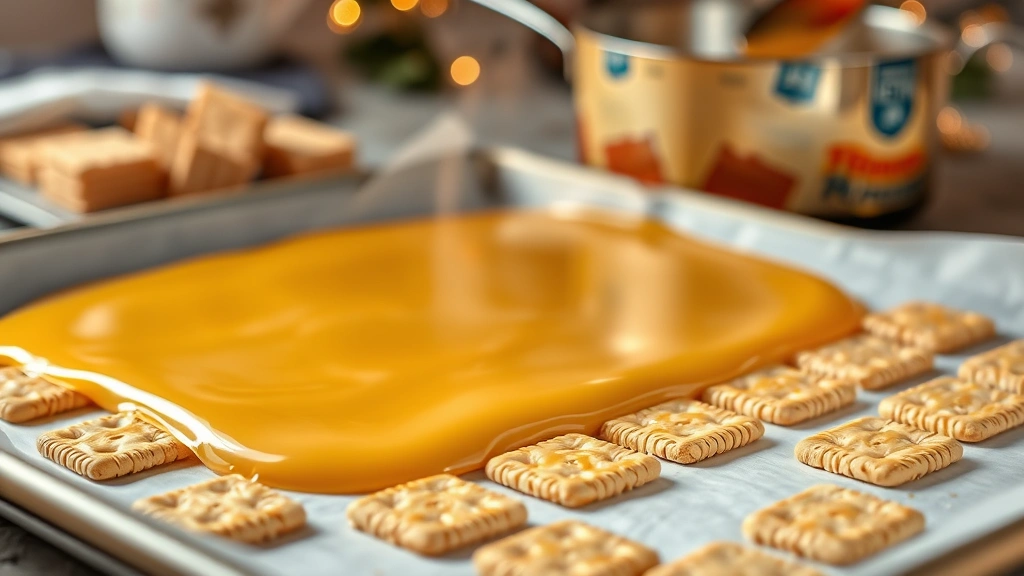
Line a 9×13-inch baking sheet with parchment paper or aluminum foil, ensuring the paper extends up the sides for easy removal. Arrange your saltine crackers in a single layer covering the entire bottom of the sheet. If you have gaps, break some crackers to fill spaces. This creates your foundation and ensures even coverage of the toffee layer.
Make the Toffee Layer
In a heavy-bottomed saucepan, combine one pound of butter and one cup of packed brown sugar over medium heat. Stir constantly until the mixture comes to a boil—this usually takes 3-5 minutes. Once boiling, continue boiling for exactly 3 minutes while stirring frequently. This timing is crucial; it allows the mixture to reach the proper toffee stage without burning. The mixture should bubble vigorously and darken slightly, but stop at 3 minutes to avoid scorching.
Immediately pour the hot toffee mixture evenly over your saltine crackers, using a spatula to spread it to the edges and into corners. Work quickly because the mixture hardens as it cools. The toffee should coat all the crackers in an even layer.
Bake to Set the Toffee
Place the baking sheet in a preheated 350°F oven for 5-7 minutes. This baking step helps the toffee set properly and cook the crackers slightly, preventing them from becoming soggy. Watch for the toffee to bubble slightly around the edges—this indicates it’s ready. Remove from the oven and let cool for 2-3 minutes.
Add the Chocolate Coating
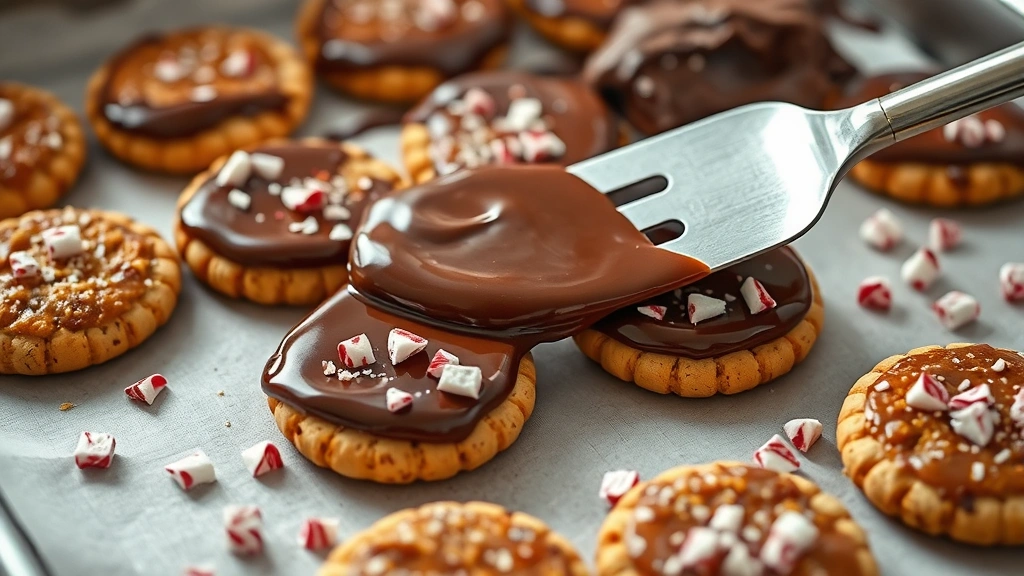
While the toffee layer is still warm, sprinkle two cups of chocolate chips evenly over the entire surface. Let sit for 1-2 minutes to allow the residual heat to soften the chocolate. Using a spatula or offset knife, spread the melted chocolate in an even layer covering all the toffee. If the chocolate isn’t melting enough, return the sheet to the warm (but turned-off) oven for 30 seconds to help it along.
Add Toppings and Cool
Before the chocolate sets, add any garnishes you’ve chosen—crushed candy canes, sea salt, nuts, or sprinkles. Press them gently into the chocolate so they adhere. Allow the entire sheet to cool at room temperature for 30 minutes, then transfer to the refrigerator for at least 2 hours, or until the chocolate is completely hardened.
Break Into Pieces
Once fully cooled and set, remove the parchment paper and break the Christmas crack into bite-sized pieces using your hands. The candy should break cleanly along natural lines. Store in an airtight container between parchment paper layers to prevent sticking.
Tips for Perfect Results
Use a Heavy-Bottomed Saucepan: This prevents hot spots that can cause the toffee to burn unevenly. A quality saucepan distributes heat more uniformly, resulting in consistent toffee color and flavor.
Don’t Skip the 3-Minute Boil: This is the most critical step. Too little time and your toffee won’t have developed flavor; too much and it becomes bitter. Set a timer and stick to it religiously.
Work Quickly with Hot Toffee: The mixture hardens rapidly as it cools, so have your baking sheet prepared and ready before you start cooking. Hesitation means uneven coverage.
Temperature Control Matters: Keep your oven at exactly 350°F. An oven that runs hot can burn the bottom of your crackers, while one that runs cool won’t properly set the toffee. Consider using an oven thermometer for accuracy.
Chocolate Quality Affects Taste: Use quality chocolate chips or, for even better results, chop a good chocolate bar. Premium chocolate creates a more luxurious final product worth the extra cost for a special holiday treat.
Humidity Impacts Texture: High humidity can make chocolate crack stick to itself. Store with parchment between layers and in a cool, dry location. If you live in a humid climate, refrigerate until serving time.
Avoid Soggy Crackers: Some recipes skip the oven step, but that 5-7 minute bake is essential for preventing moisture from the toffee from soaking into the crackers and making them chewy rather than crispy. Don’t skip this step.
Variations and Customizations
While the classic recipe is perfect as-is, creative variations let you customize your Christmas crack to match personal preferences or dietary needs:
Dark Chocolate Version: Substitute dark chocolate chips for semi-sweet to create a more sophisticated, less sweet version. This appeals to chocolate purists and pairs beautifully with espresso-themed garnishes.
White Chocolate Drizzle: After the dark chocolate layer sets, drizzle melted white chocolate over the top in thin lines for visual appeal and flavor contrast. This creates an elegant two-tone appearance perfect for gift boxes.
Nutty Addition: Toast chopped pecans, almonds, or walnuts and add them to the chocolate layer before it sets. Nuts add protein and texture while complementing the buttery toffee flavor.
Spiced Variation: Add ½ teaspoon each of cinnamon and cayenne pepper to the brown sugar and butter mixture for a subtly spiced version with a gentle heat undertone.
Peppermint Crunch: Crush candy canes finely and sprinkle over the chocolate while it’s still warm. This creates a festive peppermint bark-style treat that screams holiday season.
Vegan Version: Substitute vegan butter for regular butter and use vegan chocolate chips. The technique remains identical, and results are surprisingly comparable to the traditional version.
For those interested in exploring more creative holiday treats, check out our collection of best breakfast food recipes for other festive options, or explore best healthy food recipes for lighter alternatives to traditional holiday candy.
Storage and Shelf Life
Proper storage ensures your Christmas crack stays fresh and maintains its ideal texture throughout the holiday season:
Room Temperature Storage: In a cool, dry location away from direct sunlight and heat sources, Christmas crack keeps for 1-2 weeks in an airtight container. Layer pieces between parchment paper to prevent sticking and chocolate smudging.
Refrigerator Storage: For extended freshness, store in an airtight container in the refrigerator for up to 3 weeks. Cold storage also helps the chocolate maintain its snap and prevents it from becoming soft or sticky in warm environments.
Freezer Storage: Christmas crack freezes beautifully for up to 2 months. Wrap the entire container in plastic wrap and aluminum foil for extra protection against freezer burn. Thaw at room temperature for 30 minutes before serving.
Signs of Spoilage: Christmas crack typically doesn’t go bad in the traditional sense due to its low moisture content, but watch for discoloration, bloom on the chocolate (white or gray coating), or off flavors indicating rancid butter. These are rare but possible with extended storage.
Gift Storage: If gifting, place in decorative boxes or jars with airtight seals. Include a note suggesting refrigeration if the recipient lives in a warm climate or has high humidity in their home.
Gift-Giving Ideas
Christmas crack makes an exceptional homemade gift that people genuinely appreciate and remember. Here are creative ways to package and present your creation:
Festive Boxes: Layer pieces in clear cellophane bags tied with ribbon, then place multiple bags in decorative holiday boxes. Add a custom label with the recipe name and date made.
Mason Jar Gifts: Fill clean mason jars with layered Christmas crack separated by parchment paper. Top with a festive lid and ribbon for an elegant, reusable presentation.
Gift Baskets: Combine Christmas crack with hot cocoa mix, coffee, or tea for a complete holiday package. This works well for coworkers or acquaintances who might appreciate variety.
Cookie Exchange Contribution: Bring Christmas crack to holiday cookie exchanges—it’s technically not a cookie, but most exchanges welcome homemade candy. It’s usually one of the first items to disappear.
Bulk Batches: Make multiple batches in advance for neighbors, teachers, mail carriers, and friends. The recipe scales easily, and making several batches at once is more efficient than single batches.
For more gift-worthy recipes and ideas, explore our guide on easy dinner recipes for beginners which includes other impressive homemade gifts, or check out tips for food waste reduction when buying ingredients in bulk for multiple batches.
FAQ
Can I make Christmas crack without saltine crackers?
While you can substitute with other crackers like Ritz or even graham crackers, saltine crackers provide the ideal balance of structural integrity and subtle salt flavor. Other crackers may result in different textures or flavor profiles, so stick with traditional saltines for best results.
Why did my toffee separate or look oily?
Separation occurs when the mixture heats too quickly or unevenly, or when you don’t stir constantly during the boiling process. Use a heavy-bottomed saucepan, stir continuously, and maintain medium heat for consistent results.
Can I use margarine instead of butter?
Butter is essential for authentic flavor and proper toffee consistency. Margarine contains water and won’t create the same luxurious toffee texture. Stick with real butter for best results.
How do I prevent the chocolate from blooming?
Chocolate bloom (white or gray coating) occurs with temperature fluctuations. Store Christmas crack in consistent, cool temperatures, and avoid moving it between hot and cold environments. Proper packaging protects against this cosmetic issue.
Is Christmas crack actually addictive?
The combination of salt, sugar, fat, and satisfying crunch triggers pleasure centers in the brain, making it genuinely hard to stop eating. This isn’t just marketing—it’s food science. Portion control when sharing is recommended!
Can I reduce the sugar in this recipe?
Reducing sugar will alter the texture and toffee flavor development. You could try replacing some brown sugar with a sugar substitute, but results may vary. Traditional Christmas crack relies on the full sugar amount for proper texture.
What’s the difference between Christmas crack and saltwater taffy?
Christmas crack features a toffee layer on crackers with chocolate coating, while saltwater taffy is a chewy candy pulled and twisted into individual pieces. They’re entirely different candies with different textures and preparation methods.
Why is it called “Christmas crack”?
The name references how addictive the candy is—people often joke that they “crack” into it immediately and can’t stop eating it. It’s playful holiday humor that’s become the common name for this treat.
Can I make this in advance?
Absolutely! Christmas crack actually improves with a day of rest, allowing flavors to meld. Make it up to 2 weeks ahead for room temperature storage, or freeze for up to 2 months. This makes it perfect for busy holiday schedules.
What if my toffee burned?
If the toffee layer tastes bitter or appears very dark brown (almost black), the batch is unfortunately ruined. Toffee burns quickly once it reaches that stage. Start over with fresh ingredients, being careful to remove from heat at exactly 3 minutes.


