Make Authentic Al Pastor? Chef’s Secret Recipe
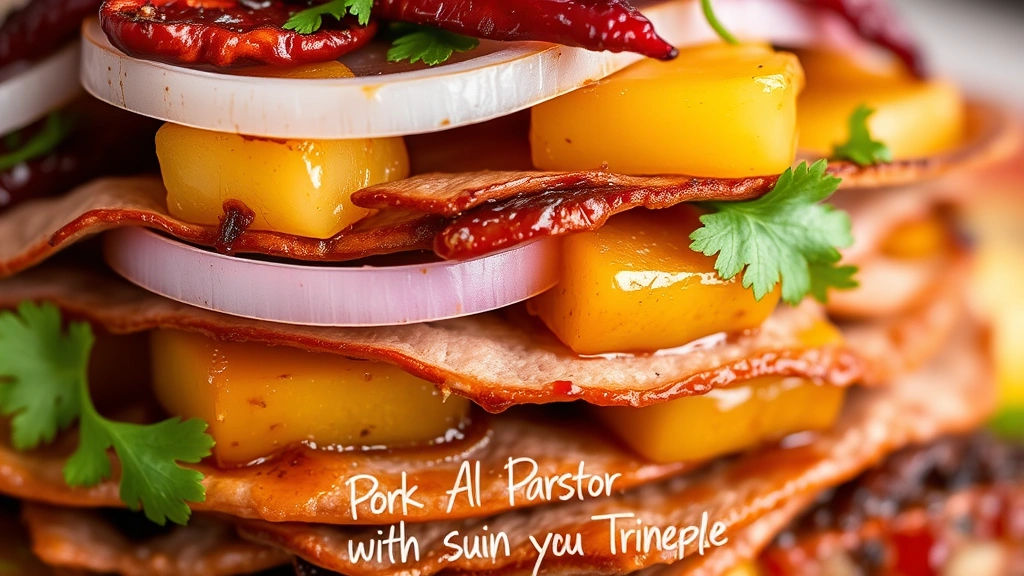
Al pastor stands as one of Mexico’s most iconic dishes, a stunning fusion of Middle Eastern and Mexican culinary traditions that creates something entirely transcendent. This vertical spit-roasted meat, layered with dried chiles, spices, and fresh pineapple, represents centuries of cultural exchange on a plate. The beauty of al pastor lies not just in its complex flavors but in the theatrical way it’s prepared—watching the meat caramelize under heat while pineapple juice drips down the sides is pure culinary magic.
What makes authentic al pastor so special is the meticulous layering technique and the precise balance of spice, acid, and sweetness. Most people assume you need a traditional trompo (vertical rotisserie) to recreate this dish at home, but that’s simply not true. With the right techniques, proper ingredient selection, and a bit of patience, you can achieve restaurant-quality al pastor in your own kitchen using a conventional oven or even a grill.
Understanding Al Pastor Origins
Al pastor emerged in Mexico during the early 20th century when Lebanese and Palestinian immigrants arrived seeking new opportunities. These culinary pioneers brought with them their traditional shawarma preparation methods, featuring vertical rotisserie cooking and aromatic spice blends. Rather than abandoning their heritage, they adapted shawarma techniques to Mexican ingredients, particularly the abundant dried chiles and fresh produce available in Mexico City and surrounding regions.
The dish represents a beautiful example of culinary fusion, where two distinct food traditions merged to create something entirely new. The vertical spit method remained central to the preparation, but Mexican cooks introduced dried guajillo, ancho, and chipotle chiles, fresh cilantro, onions, and the crucial addition of fresh pineapple. This pineapple element serves multiple purposes: it adds sweetness to balance the heat, provides natural enzymes that tenderize the meat, and creates a caramelized exterior when cooked.
Understanding this history matters because it explains why al pastor requires such specific technique and ingredient combinations. You’re not simply making grilled meat; you’re honoring a tradition that blends two rich culinary cultures. This respect for tradition should guide your approach to creating homemade sauces and marinades that define the dish.
Essential Ingredients Breakdown
Creating authentic al pastor begins with sourcing quality ingredients. The meat foundation traditionally uses pork, specifically cuts with good fat content that can withstand the intense heat and prolonged cooking. Pork shoulder or pork butt work beautifully, as their marbling keeps the meat moist during cooking. Some traditional preparations include a small percentage of chicken or beef, but pork remains the primary protein.
The dried chile selection makes or breaks your al pastor. You’ll need:
- Guajillo chiles – providing fruity, mild heat and depth
- Ancho chiles – contributing sweetness and chocolate notes
- Chipotle chiles in adobo – adding smokiness and moderate heat
- New Mexico chiles – offering bright, clean pepper flavor
Beyond the chiles, your spice cabinet should include cumin seeds (toasted and ground fresh), Mexican oregano, black peppercorns, whole cloves, and cinnamon stick. These spices create the foundational flavor profile that distinguishes al pastor from other Mexican meat preparations. Fresh ingredients matter equally: white onions, fresh cilantro, garlic, lime juice, and fresh pineapple complete the ensemble.
When sourcing dried chiles, purchase from specialty markets or online retailers specializing in Mexican ingredients. The quality difference between fresh dried chiles and those that have sat in standard grocery store bins for months is substantial. Fresh dried chiles should be pliable, fragrant, and deeply colored.
Preparing Your Chile Paste
The chile paste serves as the flavor foundation for your al pastor. This isn’t a simple spice rub; it’s a complex, aromatic paste that will coat every layer of meat. Begin by removing stems and seeds from your dried chiles, then toast them lightly in a dry skillet for 30 seconds per side. This toasting awakens their essential oils and deepens their flavor profile significantly.
Soak the toasted chiles in hot water for 15 minutes until they’re completely pliable. Reserve the soaking liquid—this chile-infused water will help achieve the right consistency in your paste. Toast your whole spices separately: cumin seeds, peppercorns, cloves, and cinnamon stick should spend just 1-2 minutes in a dry skillet, releasing their aromatic compounds.
Combine the softened chiles, toasted spices, garlic cloves, and a pinch of salt in a blender. Add reserved chile soaking liquid gradually while blending until you achieve a smooth, spreadable paste consistency. This paste should coat the back of a spoon without dripping off immediately. If it’s too thick, add more soaking liquid; if too thin, add another chile or reduce the liquid.
The paste’s texture matters tremendously for even coating during the layering process. Some cooks prefer a slightly thinner consistency that coats more easily, while others like it thicker for more intense flavor concentration. Find your preference through experimentation, but remember that you can always adjust consistency by adding lime juice or water.
The Layering Technique
Layering represents the most critical technique in achieving authentic al pastor. Unlike simple marinades where meat soaks in liquid, layering creates distinct flavor zones throughout the final product. Each layer contributes differently to the overall taste and texture profile.
Start by slicing your pork shoulder into thin sheets, approximately 1/8 to 1/4 inch thick. A sharp knife or partially frozen meat makes this easier. Create a base layer of sliced onions and fresh pineapple in your cooking vessel. The onions prevent sticking while the pineapple begins breaking down proteins and adding sweetness.
Now begin your layering sequence:
- Lay a thin sheet of pork on the onion-pineapple base
- Spread a generous coating of chile paste over the meat
- Sprinkle fresh cilantro and diced onion
- Add thin pineapple slices
- Repeat this sequence, alternating meat and seasoning layers
Continue layering until you’ve used all your meat, finishing with a layer of pineapple on top. The final pineapple layer will caramelize beautifully during cooking, creating an incredible crust. Between each meat layer, ensure you’re distributing the chile paste evenly—this consistency determines whether your finished al pastor tastes balanced or has hot and mild spots.
This layering method mimics what happens on a traditional trompo, where the rotating meat constantly exposes new layers to heat. In your home kitchen, you’re creating the same effect through strategic preparation before cooking begins.
Cooking Methods for Home Cooks
While a vertical rotisserie creates the traditional presentation, several cooking methods produce authentic-tasting al pastor at home. Each method has advantages and considerations.
Oven Method: Transfer your layered meat to a loaf pan or deep baking dish. The tight container keeps moisture in and allows the layers to cook together. Roast at 325°F for 2-2.5 hours, checking that the internal temperature reaches 160°F. The advantage here is even, controlled heat and the ability to let the pineapple top caramelize beautifully. The disadvantage is less crispy exterior compared to other methods.
Grill Method: For more authentic char and crust development, construct a loaf-shaped stack on heavy-duty foil, then place it on a grill’s indirect heat side. Cook for 2-3 hours at medium heat (around 300-325°F), rotating occasionally for even cooking. This method produces excellent caramelization and a slightly smokier flavor profile.
Cast Iron Skillet Method: Press your layered mixture into a well-seasoned cast iron skillet and cook low and slow in the oven at 300°F for 2-2.5 hours. Cast iron distributes heat evenly and develops a gorgeous crust on the bottom. This method requires the most attention but produces exceptional results.
Slow Cooker Method: For convenience, layer your ingredients in a slow cooker and cook on low for 6-8 hours. While this produces tender, flavorful meat, you lose the crispy exterior characteristic of traditional al pastor. Consider finishing it under the broiler for a few minutes to develop some crust.
Regardless of your chosen method, ensure the meat reaches an internal temperature of 160°F for food safety. Start checking around the 90-minute mark, as cooking times vary based on your specific oven or grill and the exact thickness of your layers.
Slicing and Serving Your Al Pastor
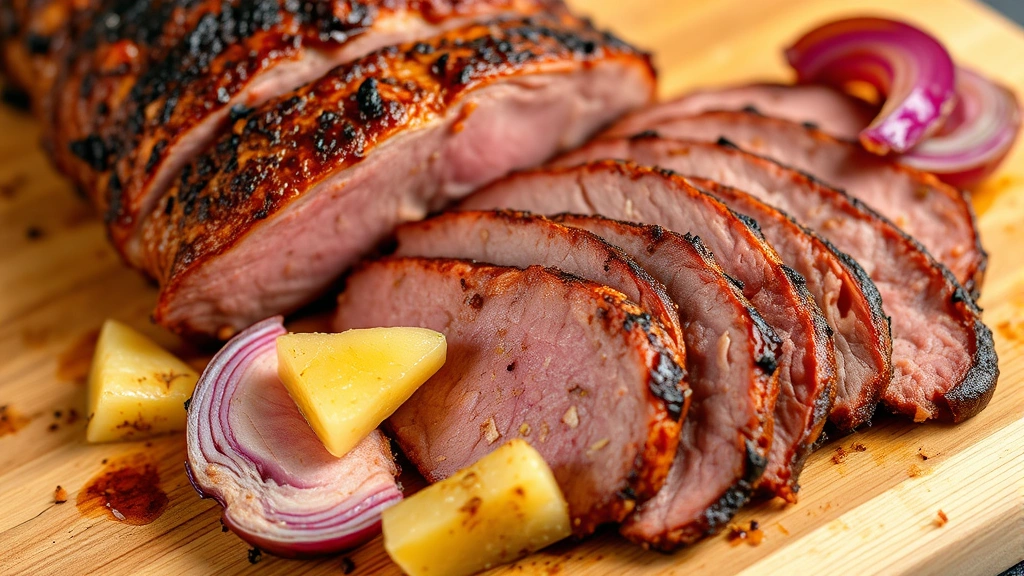
The moment your al pastor finishes cooking, resist the urge to immediately slice into it. Let it rest for at least 15 minutes, allowing the juices to redistribute throughout the meat. This resting period ensures every slice stays moist and tender rather than dry.
When slicing, use a sharp knife and cut against the grain at a slight angle. Traditional al pastor gets shaved into thin pieces, not thick chunks. The angled cut exposes more surface area, allowing the meat to showcase its caramelized exterior and flavorful interior. Aim for pieces about 1/8 inch thick if possible.
The beauty of al pastor presentation is that it’s not just meat—it’s a composed dish. Include the caramelized pineapple pieces with your meat service. These crispy-sweet elements provide textural and flavor contrast that makes the dish complete. If you developed a crispy, browned exterior (which you should have), break some of those caramelized bits into your serving as well. These flavor bombs are what people remember about truly great al pastor.
Serve your al pastor warm, ideally within 30 minutes of slicing. If you need to hold it longer, keep it in a warm spot (around 150°F) covered loosely with foil. Reheating is possible but best done gently in a low oven or briefly in a hot skillet to avoid drying out the meat.
Building the Perfect Taco
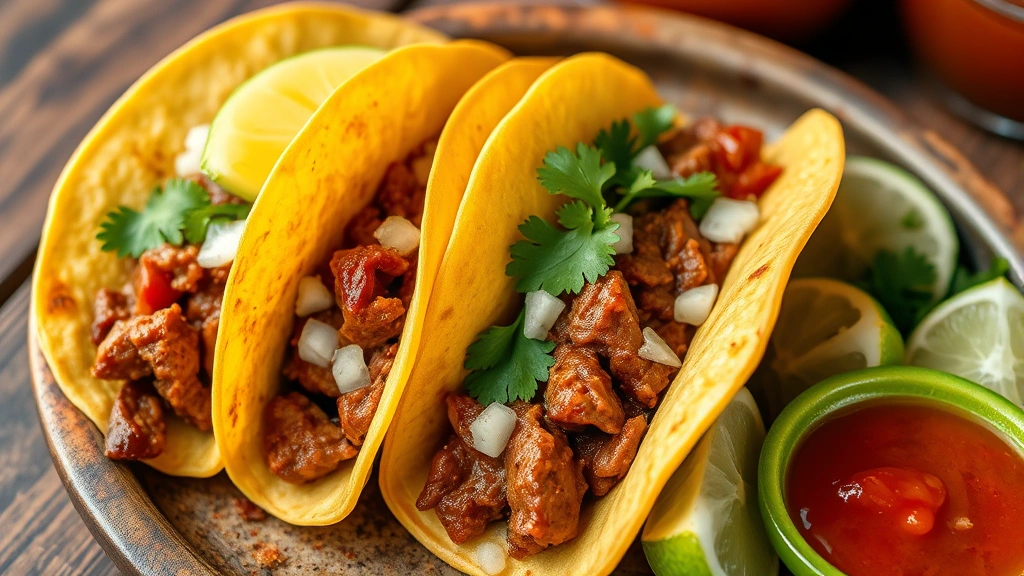
Al pastor truly shines when served in warm corn tortillas with traditional accompaniments. The tortilla selection matters—fresh, warm corn tortillas (not flour) provide the authentic base. Warm them briefly over an open flame or in a dry skillet just before service.
Classic taco assembly follows this sequence:
- Warm corn tortilla as your base
- 2-3 slices of al pastor meat
- Thin slice of caramelized pineapple
- Diced white onion (raw, for crunch and bite)
- Fresh cilantro leaves
- Squeeze of fresh lime juice
Many restaurants offer additional condiments. Consider making homemade sauces like salsa verde, pico de gallo, or a simple homemade salsa to accompany your tacos. A chipotle crema (sour cream mixed with chipotle puree and lime) adds richness without overwhelming the delicate balance of flavors.
The key to perfect al pastor tacos is not overloading them. Each element should be tasted individually—you should experience the meat, the sweetness of pineapple, the freshness of cilantro, and the brightness of lime in every bite. Restraint in assembly creates elegance on the plate.
For a complete meal, serve your al pastor tacos with traditional sides. Mexican rice, refried beans, or charred nopales (cactus) make excellent companions. If you’re planning a casual gathering, consider preparing easy dinner recipes that complement this main dish without requiring excessive last-minute preparation.
One often-overlooked element is the taco vessel itself. Seek out quality corn tortillas from a local tortilleria if possible. Mass-produced tortillas from standard grocery stores often lack the flavor and texture of fresh-made versions. The tortilla should be flexible, slightly charred from warming, and capable of holding ingredients without falling apart.
FAQ
Can I make al pastor with chicken instead of pork?
Yes, though the result differs from traditional al pastor. Chicken requires shorter cooking time (1-1.5 hours at 325°F) and needs careful attention to avoid drying out. Use chicken thighs rather than breast meat for better moisture retention. The flavor profile will be lighter and less rich, but still delicious with the same spice paste and layering technique.
How far in advance can I prepare the layered al pastor?
You can prepare your layered mixture up to 24 hours ahead. Cover it tightly and refrigerate until ready to cook. Actually, many cooks find that overnight refrigeration improves the final product by allowing flavors to meld. Just add 15-20 minutes to your cooking time if starting from refrigerated.
What if I can’t find dried chipotle chiles?
Chipotle in adobo sauce (canned) works as a substitute, though adjust quantities since it’s already prepared. Start with 2-3 chipotles and blend them into your paste. You lose some of the pure chile flavor but maintain the smokiness that makes al pastor distinctive. Alternatively, use additional ancho or guajillo chiles for a different flavor profile.
Is it necessary to use fresh pineapple?
Fresh pineapple is strongly recommended because its natural enzymes break down proteins and its juice caramelizes beautifully. Canned pineapple lacks these enzymes and won’t provide the same tenderizing effect. If fresh pineapple is unavailable, fresh papaya offers similar enzymatic properties, though the flavor differs slightly.
How do I store leftover al pastor?
Store cooled al pastor in an airtight container in the refrigerator for up to 4 days. Reheat gently in a skillet over medium heat with a splash of water or lime juice to prevent drying. Al pastor freezes well for up to 3 months—freeze in portions for easy reheating. Thaw overnight in the refrigerator before reheating. Reduce food waste by planning portions carefully and using leftovers creatively in quesadillas, nachos, or rice bowls.
Can I make al pastor in a slow cooker for convenience?
Absolutely. Layer everything in your slow cooker and cook on low for 6-8 hours. The result will be tender and flavorful but lack the crispy exterior of traditional al pastor. To develop some crust, transfer the cooked meat to a hot skillet or under the broiler for 3-5 minutes before serving. The slow cooker method is perfect when you want to prepare everything in the morning and have dinner ready by evening.
What’s the best way to warm corn tortillas?
Hold tortillas directly over a gas flame for 10-15 seconds per side, or warm them in a dry skillet over medium-high heat for about 20 seconds per side. This light charring improves flavor and makes tortillas more pliable. If you don’t have a gas stove, the skillet method works beautifully. Wrap warm tortillas in a clean kitchen towel to keep them warm and soft while you prepare your tacos.


