
Crispy Baked Chicken Tenders: Family Favorite Recipe
There’s something magical about perfectly crispy baked chicken tenders fresh from the oven. Unlike their deep-fried counterparts, these golden morsels deliver that satisfying crunch without the excess oil, making them a guilt-free indulgence the whole family will love. Whether you’re meal prepping for busy weeknights or preparing a crowd-pleasing dinner, this baked chicken tenders recipe has become a staple in countless kitchens for good reason.
What makes this recipe truly special is the combination of strategic breading techniques and oven temperature control that creates a restaurant-quality exterior while keeping the chicken juicy inside. The secret lies in understanding how moisture, coating composition, and heat distribution work together to achieve that coveted crispiness without deep frying.
Ingredients You’ll Need
For the chicken and breading base, gather these essentials:
- 2 pounds boneless, skinless chicken breasts – Choose breasts of similar thickness for even cooking
- 1 cup all-purpose flour – The foundation of your coating
- 2 large eggs – Acts as the binding agent between chicken and breadcrumbs
- 1 cup panko breadcrumbs – Creates that signature crunch factor
- 1 teaspoon garlic powder – Adds savory depth
- 1 teaspoon onion powder – Enhances umami flavor
- 1 teaspoon paprika – Provides color and mild pepper notes
- ½ teaspoon black pepper – Essential seasoning
- 1 teaspoon sea salt – Brings out natural flavors
- 2 tablespoons olive oil or cooking spray – Promotes browning and crispiness
- Optional: ½ teaspoon cayenne pepper – For those who enjoy heat
Having these ingredients measured and organized before you start makes the breading process smooth and efficient. This mise en place approach is a professional technique that home cooks should embrace.
Preparation Steps
Success with baked chicken tenders begins long before they hit the oven. Proper preparation ensures even cooking and maximum flavor absorption.
Step 1: Prepare Your Chicken
Start by removing your chicken breasts from the refrigerator 15 minutes before cooking. This allows them to reach closer to room temperature, promoting more even cooking throughout. Pat the chicken dry with paper towels – this is crucial because moisture is the enemy of crispiness. Any surface water will create steam, preventing that golden, crunchy exterior from forming.
Place each chicken breast between two sheets of plastic wrap or parchment paper. Using a meat mallet or rolling pin, gently pound the chicken to a uniform thickness of about ½ inch. This step is essential for even cooking and helps break down muscle fibers, resulting in more tender meat. Avoid pounding too aggressively, which can create thin, tough spots.
Step 2: Set Up Your Breading Station
Arrange three shallow bowls or plates in a row. This three-step breading station is a professional technique that ensures complete, even coating. In the first bowl, combine your flour with ½ teaspoon of salt and ¼ teaspoon of black pepper. In the second bowl, beat the eggs with one tablespoon of water – this creates a thinner, more spreadable egg wash. In the third bowl, combine panko breadcrumbs with garlic powder, onion powder, paprika, remaining salt, remaining pepper, and optional cayenne.
Having your station organized prevents confusion and keeps the breading process efficient. Place a clean plate or parchment paper next to your station for the breaded tenders before baking.
Step 3: Pat Chicken Again
Before breading, pat your pounded chicken pieces one more time with paper towels. Extra moisture is your biggest obstacle to achieving crispiness, so this repetition matters significantly.
Breading Technique Mastery
The breading technique separates good crispy baked chicken tenders from exceptional ones. This method uses a double-breading approach that professionals use in commercial kitchens.
The Three-Step Process
Take one chicken tender and coat both sides thoroughly with the flour mixture, shaking off excess. The flour acts as an adhesive base, helping subsequent layers stick properly. Place the floured tender into the egg wash, coating both sides completely and ensuring the mixture fills any gaps or crevices. This wet layer is what makes the breadcrumbs adhere during baking.
Transfer the egg-coated tender to your breadcrumb mixture. Press gently but firmly, coating both sides and the edges completely. The key here is gentle pressure – you want the breadcrumbs to stick without compacting them so much that they don’t crisp properly. Some professionals use what’s called a “double-breading” technique: after the initial breadcrumb coating, they dip the tender back into the egg wash for just a moment, then coat with breadcrumbs again. This creates an extra-thick, supremely crispy crust.
Place each breaded tender on your prepared plate or parchment paper. Don’t stack them, as this can cause the coating to become soggy where pieces touch. If you’re breading multiple batches, refrigerate the breaded tenders for at least 30 minutes before baking. This resting period allows the coating to set, creating better adhesion during the high-heat baking process.
Pro Tip: Panko Selection Matters
Japanese-style panko breadcrumbs are larger and more irregularly shaped than traditional breadcrumbs, which creates larger air pockets. These air pockets are what generate that superior crunch. If you want even more texture, pulse your panko in a food processor for just a few seconds to create larger, more irregular pieces.
Baking Instructions
Proper oven technique is absolutely critical for achieving crispy results without deep frying.
Oven Preparation
Preheat your oven to 400°F. This temperature is hot enough to create browning and crisping but not so hot that the outside burns before the inside cooks through. If your oven tends to run hot or cold, use an oven thermometer to verify the actual temperature – many home ovens are off by 25 degrees or more.
Line a baking sheet with aluminum foil for easy cleanup, then place a wire rack on top. The rack is essential because it allows hot air to circulate completely around each tender, promoting even browning on all sides. If you don’t have a wire rack, you can use a baking sheet, but flip the tenders halfway through cooking.
Arranging and Coating
Arrange your breaded chicken tenders on the prepared rack in a single layer, leaving about an inch of space between each piece. Don’t crowd the baking sheet – proper air circulation is what creates that crispy exterior.
Lightly spray or brush each tender with olive oil or cooking spray. This step is crucial and shouldn’t be skipped. The oil helps the breadcrumbs brown and crisp in the oven’s dry heat environment. Without it, your tenders might remain pale and less crispy. Use just enough oil to create a light coating – too much will make them greasy.
Baking Time and Temperature
Place the baking sheet in your preheated 400°F oven. Bake for 15-18 minutes, until the coating is golden brown and the internal temperature reaches 165°F when measured with an instant-read thermometer at the thickest part of the largest tender.
If using a rack, you typically don’t need to flip the tenders. However, if using a flat baking sheet without a rack, flip them halfway through cooking for even browning. The tenders are done when they’re golden brown on both sides and any juices run clear.
Remove from the oven and let rest for 3-5 minutes before serving. This brief resting period allows the chicken to retain its juices better when you bite into it.

Serving Suggestions
Crispy baked chicken tenders are incredibly versatile and pair well with numerous accompaniments.
Dipping Sauces
Create a dipping sauce station with multiple options. Classic choices include ranch dressing, honey mustard, barbecue sauce, or buffalo sauce. For a homemade approach, mix Greek yogurt with garlic and lemon juice for a lighter sauce. Sriracha mayo offers heat and creaminess, while a simple mixture of ketchup and Worcestershire sauce creates a classic combination.
Side Dish Pairings
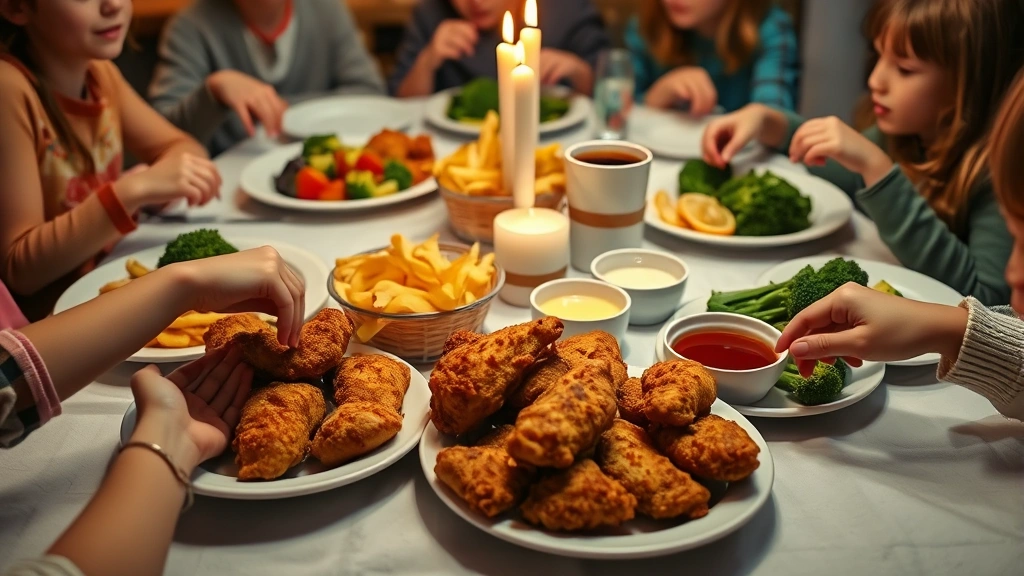
Serve alongside crispy french fries or sweet potato fries for a complete meal. Roasted vegetables like broccoli, carrots, or green beans provide nutritional balance. A simple garden salad with vinaigrette offers a lighter counterpoint to the rich, crispy tenders. Mac and cheese is a childhood favorite pairing that never disappoints.
Consider serving with best breakfast food recipes inspired sides if you’re serving at brunch, or pair with grilled corn and coleslaw for a summery outdoor meal.
Presentation Ideas
Serve the tenders in a paper cone for a fun, casual presentation. Arrange them on a platter with multiple sauce options for dipping. For kids’ meals, create a “chicken tender bowl” with dipping sauce, fruit, and vegetables arranged around the tenders.
Storage and Make-Ahead Tips
One of the best aspects of this recipe is its make-ahead potential, perfect for busy families.
Refrigerator Storage
Cooked chicken tenders keep in an airtight container in the refrigerator for up to 4 days. To reheat, place them on a wire rack over a baking sheet and warm in a 375°F oven for about 8 minutes, until heated through and re-crisped. This method is far superior to microwaving, which makes them soggy.
Freezer Storage
You can freeze uncooked breaded tenders for up to 3 months. Arrange them in a single layer on a baking sheet, freeze until solid (about 2 hours), then transfer to a freezer bag. When ready to cook, simply add 3-5 minutes to the baking time – no need to thaw first. This makes weeknight dinners incredibly convenient.
Cooked tenders also freeze well for up to 2 months. Cool them completely, arrange in a single layer on a baking sheet, freeze, then transfer to freezer bags. Reheat using the oven method described above.
Meal Prep Strategy
Prepare a double or triple batch on Sunday, then use throughout the week in various ways. Serve plain with different sauces, chop and add to salads, or incorporate into wraps and sandwiches. This flexibility makes meal planning easier for busy families.
Recipe Variations
Once you master the basic technique, explore these creative variations.
Spicy Cajun Version
Add 1 teaspoon of Cajun seasoning, ½ teaspoon of cayenne pepper, and ¼ teaspoon of black pepper to your breadcrumb mixture. This creates a bold, spicy coating that pairs beautifully with ranch dipping sauce.
Mediterranean Herb Version
Mix dried Italian herbs, oregano, and basil into your breadcrumb mixture. Add a tablespoon of grated Parmesan cheese for extra flavor. Serve with marinara sauce for dipping.
Honey Glazed Version
After baking, brush the hot tenders with a glaze made from equal parts honey and Dijon mustard mixed with a splash of apple cider vinegar. The heat of the tenders will set the glaze beautifully.
Parmesan Crusted Version
Replace half of the panko breadcrumbs with grated Parmesan cheese. This creates a richer, more savory crust that’s absolutely addictive.
Cornflake Crusted Version
Crush cornflakes into small pieces and use them in place of panko breadcrumbs. This creates an entirely different texture and a slightly sweet undertone that kids particularly enjoy.
If you’re looking for complementary desserts to serve alongside this meal, consider how to make homemade ice cream or explore Ninja Creami recipes for frozen treats on warm days.
FAQ
Can I use chicken tenders that are already cut, or do I need to cut them from breasts?
You can use pre-cut chicken tenders available at most grocery stores, which saves preparation time. However, cutting your own from whole breasts allows you to control thickness and often results in more economical pricing. If using pre-cut tenders, ensure they’re relatively uniform in size for even cooking.
Why are my chicken tenders not crispy?
The most common causes are insufficient oil coating before baking, oven temperature that’s too low, or excess moisture on the chicken before breading. Ensure you’re using at least a light spray of oil, verify your oven temperature with a thermometer, and always pat the chicken completely dry before breading.
Can I bake these in an air fryer?
Absolutely! Air fryer baked chicken tenders cook at 380°F for 10-12 minutes, shaking the basket halfway through. They’ll be exceptionally crispy due to the air fryer’s intense circulating heat. No oil spray is necessary, though a light mist won’t hurt.
What’s the difference between panko and regular breadcrumbs?
Panko breadcrumbs are made from a different type of bread and have a larger, flakier structure. This creates bigger air pockets that fry up crispier and stay crunchier longer. Regular breadcrumbs are finer and more compact, resulting in a denser, less crispy coating.
How do I know when the chicken is fully cooked?
Use an instant-read meat thermometer inserted into the thickest part of the largest tender. It should read 165°F. You can also cut into the thickest part – the juices should run clear with no pink coloring.
Can I make these gluten-free?
Yes! Replace the all-purpose flour with a gluten-free flour blend and use gluten-free panko breadcrumbs, both widely available at grocery stores. The cooking process remains identical.
Why should I let breaded tenders rest in the refrigerator?
Refrigeration allows the coating to set and adhere more firmly to the chicken. This prevents the coating from sliding off during baking and helps create a more substantial, crispier crust. Even 30 minutes makes a noticeable difference.
Can I prepare these the night before?
Yes! Bread them, cover with plastic wrap, and refrigerate overnight. Bake directly from the refrigerator, adding just 2-3 minutes to the cooking time since they’ll start cold.


