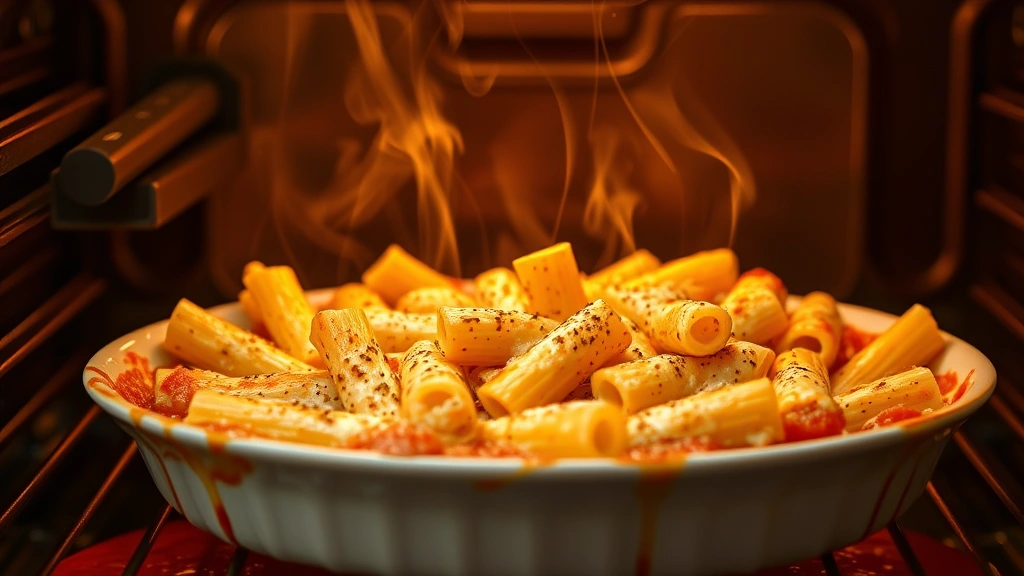
Baked Rigatoni Delight: Family Favorite Recipe
There’s something truly magical about pulling a bubbling dish of baked rigatoni from the oven. The aroma alone brings families to the table, and that first creamy, cheesy bite reminds everyone why this classic comfort food has remained a beloved staple for generations. Baked rigatoni combines tender pasta, rich sauce, and melted cheese into a single, satisfying dish that works equally well for weeknight dinners or special occasions.
This baked rigatoni recipe strikes the perfect balance between simplicity and sophistication. Unlike complicated Italian dishes that demand specialized techniques, this family favorite relies on quality ingredients and straightforward assembly. Whether you’re feeding hungry kids, impressing dinner guests, or simply craving comfort food, this recipe delivers consistent, delicious results every single time. The beauty of baked pasta lies in its versatility—you can prepare it ahead, customize it with your favorite proteins and vegetables, and easily scale the portions to match your needs.
Let’s explore everything you need to know to create a baked rigatoni masterpiece that your family will request again and again.

Essential Ingredients for Success
Creating an outstanding baked rigatoni begins with understanding each ingredient’s role. The foundation starts with rigatoni pasta—those sturdy, ridged tubes that capture and hold sauce beautifully. Choose high-quality pasta made from durum wheat, as it maintains its texture during both boiling and baking.
Your sauce base requires crushed tomatoes, preferably San Marzano variety, which offer superior flavor and acidity balance. Pair these with fresh garlic and onions that have been properly minced to distribute their sweetness throughout the sauce. Ground beef or Italian sausage adds richness and depth, though you can certainly create a vegetarian version using mushrooms and lentils.
The cheese component is crucial—combine ricotta cheese for creaminess, mozzarella for stretch and melt, and Parmesan for sharp, nutty flavor. For a creative twist, consider exploring how to make vegan cheese if you’re accommodating dietary preferences. This creates a more inclusive dish without sacrificing flavor.
Don’t overlook the supporting cast: olive oil for sautéing, Italian herbs (oregano, basil, thyme), salt, black pepper, and a pinch of red pepper flakes for subtle heat. Fresh basil added at the end brightens the entire dish, while a splash of heavy cream mellows the sauce’s acidity and adds luxurious richness.
Here’s the complete ingredient list:
- 1 pound rigatoni pasta
- 1 pound ground beef or Italian sausage
- 1 medium onion, finely diced
- 4 cloves garlic, minced
- 28 ounces crushed tomatoes
- 15 ounces ricotta cheese
- 2 cups shredded mozzarella cheese
- 1 cup grated Parmesan cheese
- ½ cup heavy cream
- 3 tablespoons olive oil
- 2 teaspoons dried oregano
- 1 teaspoon dried basil
- Salt and black pepper to taste
- ¼ teaspoon red pepper flakes
- Fresh basil for garnish
- Butter for greasing
Sauce Foundation and Preparation
The sauce is where your baked rigatoni truly shines. Begin by heating olive oil in a large, heavy-bottomed pot over medium-high heat. Once shimmering, add your diced onions and sauté for approximately 4-5 minutes until they become translucent and fragrant. This process, called sweating the onions, releases their natural sugars and creates a sweet, savory base.
Add your minced garlic to the softened onions and cook for just 60 seconds, stirring constantly. Garlic burns easily, so timing is essential. You want to awaken its flavors without creating bitterness. If using ground meat, add it now, breaking it into small pieces with a wooden spoon. Brown the meat thoroughly—this typically takes 8-10 minutes—ensuring no pink remains.
Once your meat is cooked through, add the crushed tomatoes directly to the pot. Stir well to combine all ingredients evenly. Pour in your heavy cream, add the oregano, basil, and red pepper flakes, then season with salt and pepper. Bring the mixture to a gentle simmer, then reduce heat to low. Allow the sauce to simmer uncovered for 20-30 minutes, stirring occasionally. This simmering time allows flavors to meld and deepen, creating complexity that tastes like you’ve been cooking all day.
For additional flavor inspiration, you might explore complementary recipes like fire cider recipe techniques that incorporate warming spices, though applied more subtly to your pasta sauce. The goal is a sauce that coats the back of a spoon and tastes rich, balanced, and deeply satisfying.
Cooking the Pasta Perfectly
While your sauce simmers, prepare the pasta. Fill a large pot with water—at least 6 quarts—and bring it to a rolling boil. Add salt generously; the water should taste like the sea. This is your only opportunity to season the pasta itself, so don’t be shy.
Add the rigatoni and stir immediately to prevent sticking. Follow the package instructions for cooking time, but aim for al dente—pasta that’s tender but still has a slight firmness when bitten. Since the rigatoni will continue cooking in the oven, undercooking slightly at this stage is actually preferable. This prevents mushy pasta in your final dish.
When the pasta reaches the desired texture, reserve approximately 1 cup of pasta water before draining. This starchy liquid is liquid gold in Italian cooking—it helps bind sauces and creates silky texture. Drain the pasta in a colander but do not rinse it. The residual starch on the pasta helps the sauce adhere better.
Assembling Your Baked Rigatoni
Now comes the satisfying assembly phase. Preheat your oven to 375°F (190°C). Lightly butter a 9×13-inch baking dish—this is the standard size that yields approximately 8-10 servings.
In a medium bowl, combine your ricotta cheese, half of the mozzarella, half of the Parmesan, 1 teaspoon salt, and ½ teaspoon black pepper. Mix until well combined. This cheese mixture creates creamy pockets throughout your baked rigatoni.
Begin assembly by spreading a thin layer of sauce on the bottom of your prepared baking dish—about ¾ cup. This prevents sticking and ensures even cooking. Add half of the cooked rigatoni over this sauce layer. Dollop half of your ricotta mixture over the pasta, spreading gently but not stirring. Pour half of the remaining sauce over this layer.
Repeat with the remaining rigatoni, ricotta mixture, and sauce. Top with the reserved mozzarella and Parmesan cheeses. This layering technique ensures every forkful contains pasta, sauce, and cheese in perfect harmony. The top cheese layer will become gorgeously golden and slightly crispy during baking.
If you’re looking for additional side dish inspiration to complement your baked rigatoni, consider exploring summer salad recipes that provide fresh, acidic contrast to the rich pasta.
Baking and Finishing Touches
Cover your assembled baking dish with aluminum foil, shiny side down. This traps steam and ensures even cooking while preventing the top from browning too quickly. Place the dish in your preheated 375°F oven and bake for 25 minutes covered.
After 25 minutes, carefully remove the foil—watch for steam escapes!—and return the dish to the oven. Bake uncovered for an additional 15-20 minutes until the cheese on top is bubbly, golden brown, and slightly crispy at the edges. The total baking time is approximately 40-45 minutes.
Remove the baked rigatoni from the oven and allow it to rest for 5-10 minutes before serving. This resting period is crucial—it allows the cheeses to set slightly and makes serving much easier. The dish will continue to cook gently during this time.
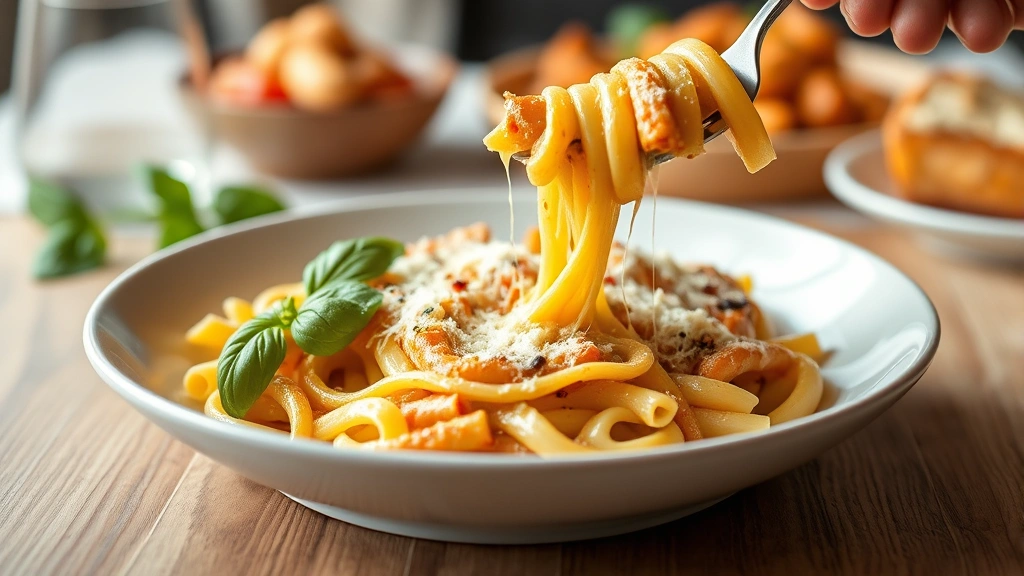
Just before serving, tear fresh basil leaves and scatter them over the top. This adds brightness and aroma that elevates the entire dish from comforting to elegant.
Make-Ahead and Storage Tips
One of the greatest advantages of baked rigatoni is its make-ahead flexibility. You can assemble the entire dish up to 24 hours in advance. Simply cover it tightly with plastic wrap and refrigerate. When ready to bake, remove from the refrigerator 20 minutes before baking to allow it to come closer to room temperature, then bake as directed, adding approximately 5-10 minutes to the total baking time.
For freezing, assemble the rigatoni in a freezer-safe baking dish, cover tightly with plastic wrap and then foil, and freeze for up to 3 months. Thaw overnight in the refrigerator before baking. This makes baked rigatoni an excellent candidate for batch cooking—prepare multiple dishes when you have time and freeze them for busy weeks ahead.
Leftover baked rigatoni stores beautifully in the refrigerator for 3-4 days in an airtight container. Reheat individual portions in the microwave or reheat the entire remaining portion covered with foil in a 350°F oven for 15-20 minutes until warmed through.
Serving Suggestions and Pairings
Baked rigatoni is a complete meal, but thoughtful accompaniments enhance the experience. A crisp green salad dressed with acidic vinaigrette balances the rich pasta beautifully. For something more substantial, serve alongside garlic bread made with crusty Italian loaf, butter, fresh parsley, and minced garlic.
Wine pairing elevates casual dinners into special occasions. Choose a medium-bodied red wine with good acidity—Chianti, Barbera, or a basic Sangiovese work wonderfully. The wine’s tannins cut through the richness while its acidity complements the tomato sauce.
For beverages, consider how to make herbal teas for a lighter dessert accompaniment. Herbal infusions like chamomile or fennel aid digestion after a hearty pasta meal.
Condiment options deserve mention too. Set out grated Parmesan, red pepper flakes, and fresh basil so guests can customize their portions. Some families enjoy serving homemade pickles as a palate-cleansing side, while others prefer sauerkraut for its probiotic benefits and tangy contrast.
For dessert, keep things light after such a satisfying main course. Tiramisu, panna cotta, or simply fresh fruit with biscotti provides elegant closure without overwhelming guests.
FAQ
Can I make baked rigatoni without meat?
Absolutely! Create a vegetarian version by sautéing diced mushrooms, zucchini, bell peppers, and spinach in place of ground meat. Cook the vegetables until they release their moisture, then proceed with the sauce as directed. The result is equally delicious and satisfying.
What if I don’t have ricotta cheese?
Cottage cheese mixed with a beaten egg works as an adequate substitute, though the texture will be slightly different. Alternatively, use additional mozzarella mixed with a small amount of cream cheese for richness.
Can I use fresh tomatoes instead of canned?
Yes, but you’ll need approximately 3 pounds of fresh tomatoes, which should be peeled, seeded, and crushed. Fresh tomatoes contain more water than canned, so simmer the sauce longer to reduce it to proper consistency. This works best during tomato season when they’re at peak flavor.
How do I prevent a watery sauce in my baked rigatoni?
Ensure your sauce simmers long enough to reduce and concentrate. If vegetables release excess moisture, continue simmering uncovered until the sauce reaches the desired thickness. You want a sauce that coats a spoon but isn’t runny.
Can I double this recipe?
Yes! Double all ingredients and use two 9×13-inch baking dishes. Baking time remains approximately the same since the dishes bake side by side. This is perfect for feeding larger groups or preparing one dish to freeze for later.
What’s the best way to serve baked rigatoni at a dinner party?
Assemble and bake ahead, then reheat gently in a 325°F oven for 15-20 minutes, covered, just before guests arrive. This allows you to spend time with company rather than managing oven timing. Garnish with fresh basil immediately before serving for visual appeal and aroma.
Is there a way to make this dish lighter?
Use part-skim ricotta and mozzarella, reduce the cream to ¼ cup, and increase vegetables in your sauce. The dish remains delicious and satisfying while being slightly less heavy.
How do I know when the baked rigatoni is fully cooked?
The cheese on top should be bubbly and golden brown, and sauce should be visible bubbling at the edges of the dish. A fork inserted into the pasta should meet no resistance. The resting period after baking is essential for proper setting.


